
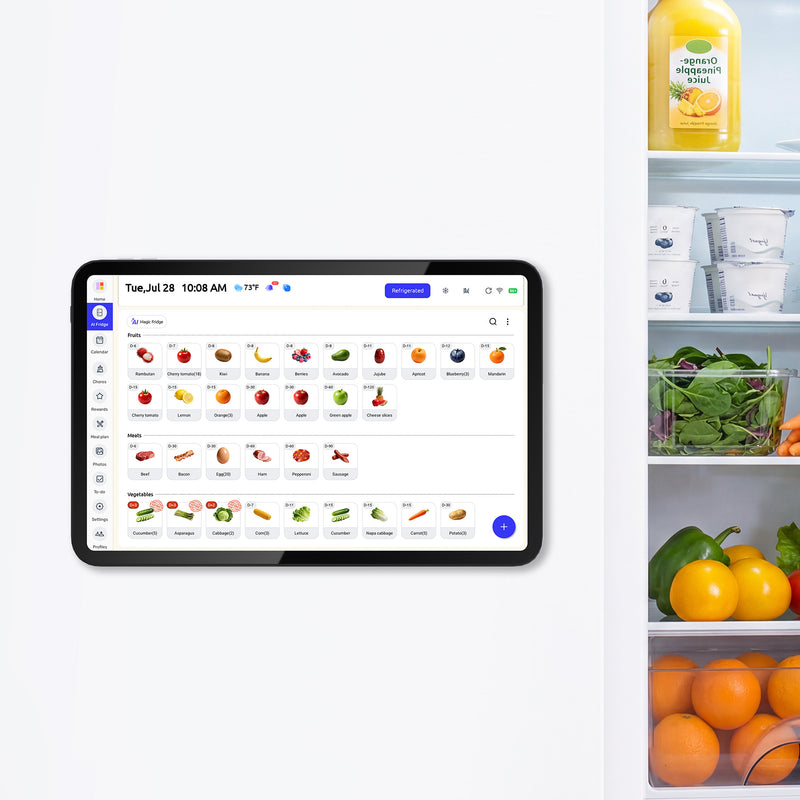



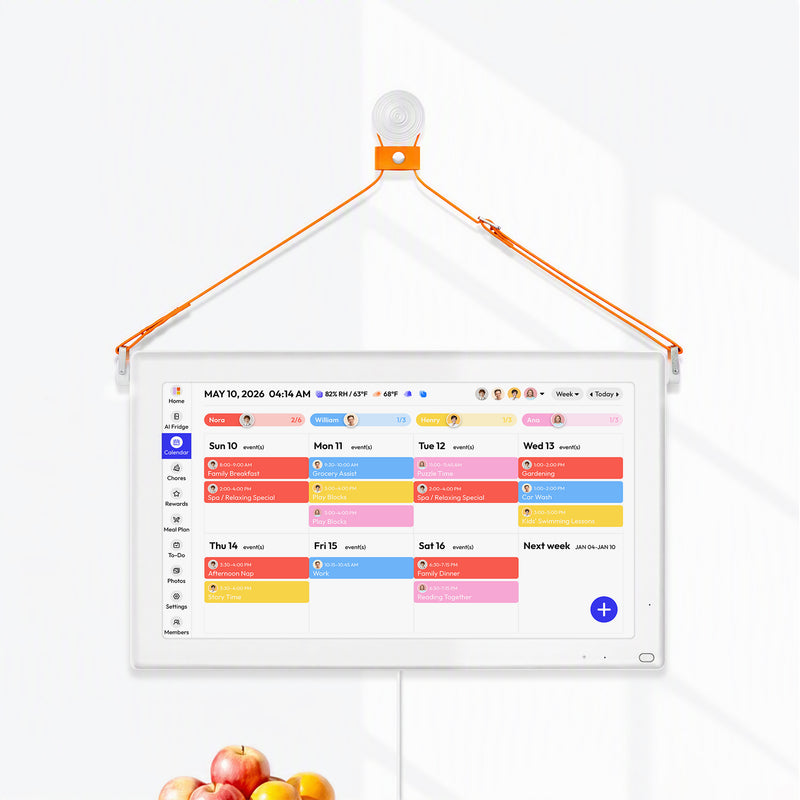


Picture a chaotic morning: lunchboxes left open, socks hiding under the couch, and toothbrushes still dry. Enter the chore chart reward system—a simple way to turn morning mayhem into a collaborative routine, where each completed task earns a little celebration.
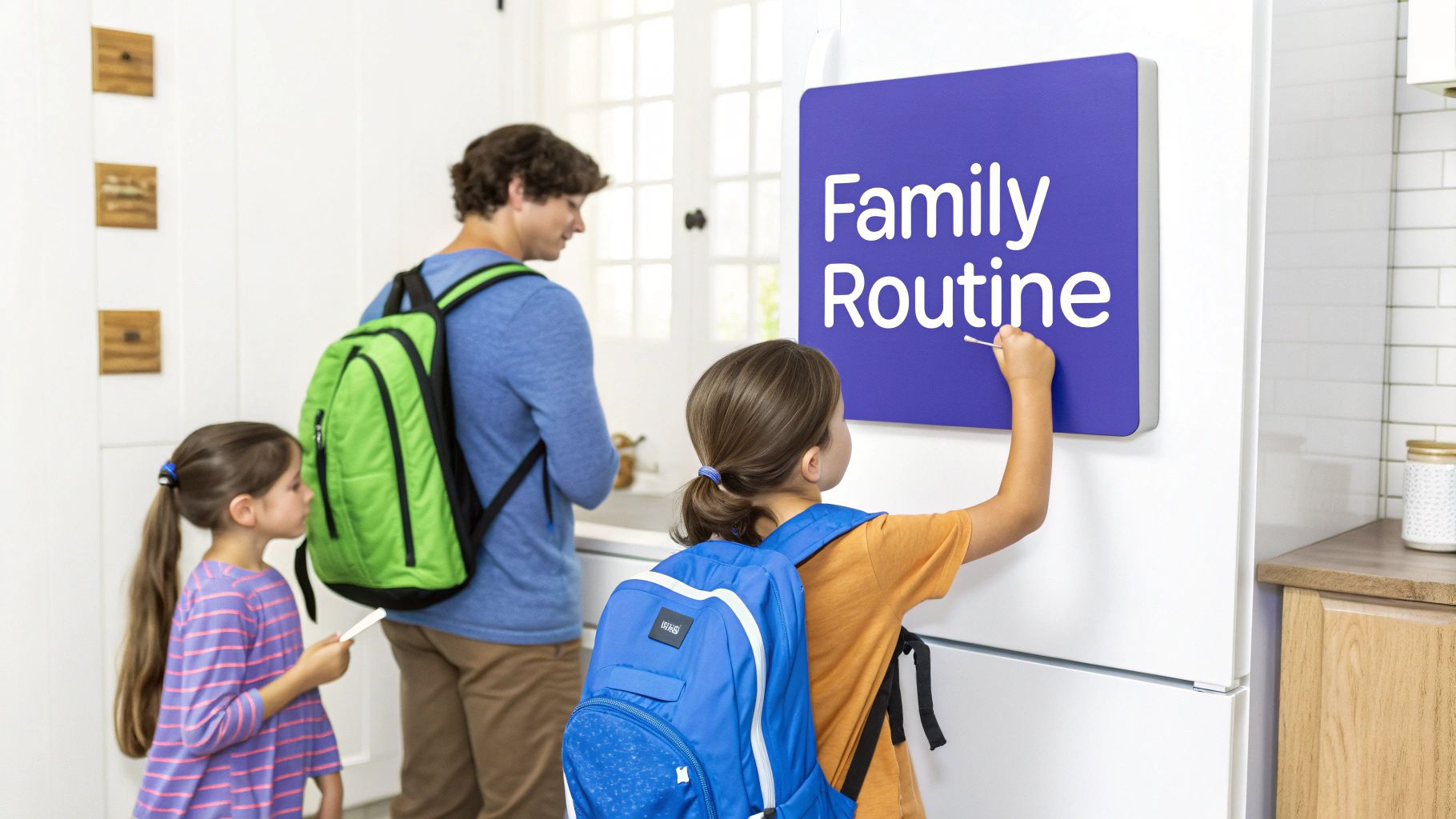
Transform Mornings With Reward Charts
A chore chart reward system lays out chores visually and hands out points or stickers once each task is checked off. It leans on positive reinforcement, so you’ll quickly spot:
- Kids stepping up as they watch their efforts add up
- Fewer reminders from parents because roles are crystal clear
- A sense of fun as little wins stack into larger goals
Of course, any system can lose steam if rewards become routine or tracking slips off the radar.
Interest in sticker charts, chore charts, and reward charts has surged past one million searches worldwide. For more on the psychology behind these systems, visit reward charts.
Small wins build big habits in family routines.
Next up, we’ll zero in on setting clear goals so that initial spark turns into lasting momentum.
We’ll walk through defining objectives, matching chores to each age, designing your chart and points system, picking rewards and milestones, keeping motivation high, troubleshooting hiccups, and unveiling real-world daily/weekly workflows.
Each piece connects to form a sustainable routine—one that turns hectic mornings into smoother, happier starts.
Ready to dive in?
Determining Goals And Assigning Age Appropriate Chores
A well-crafted chore chart starts with clear intentions. When everyone knows what you’re aiming for—responsibility, teamwork or a tidier home—it becomes easier to stay motivated.
Aligning Tasks To Family Objectives
Before assigning any duties, pin down your top three household goals. These will steer every chore choice and measurement of success.
- Teach Accountability through consistent morning and evening routines
- Foster Independence by letting kids manage simple errands on their own
- Maintain a Tidy Space to reduce stress and free up family time
Each objective helps you decide which tasks to include and how to celebrate progress.
Assigning Age Appropriate Chores
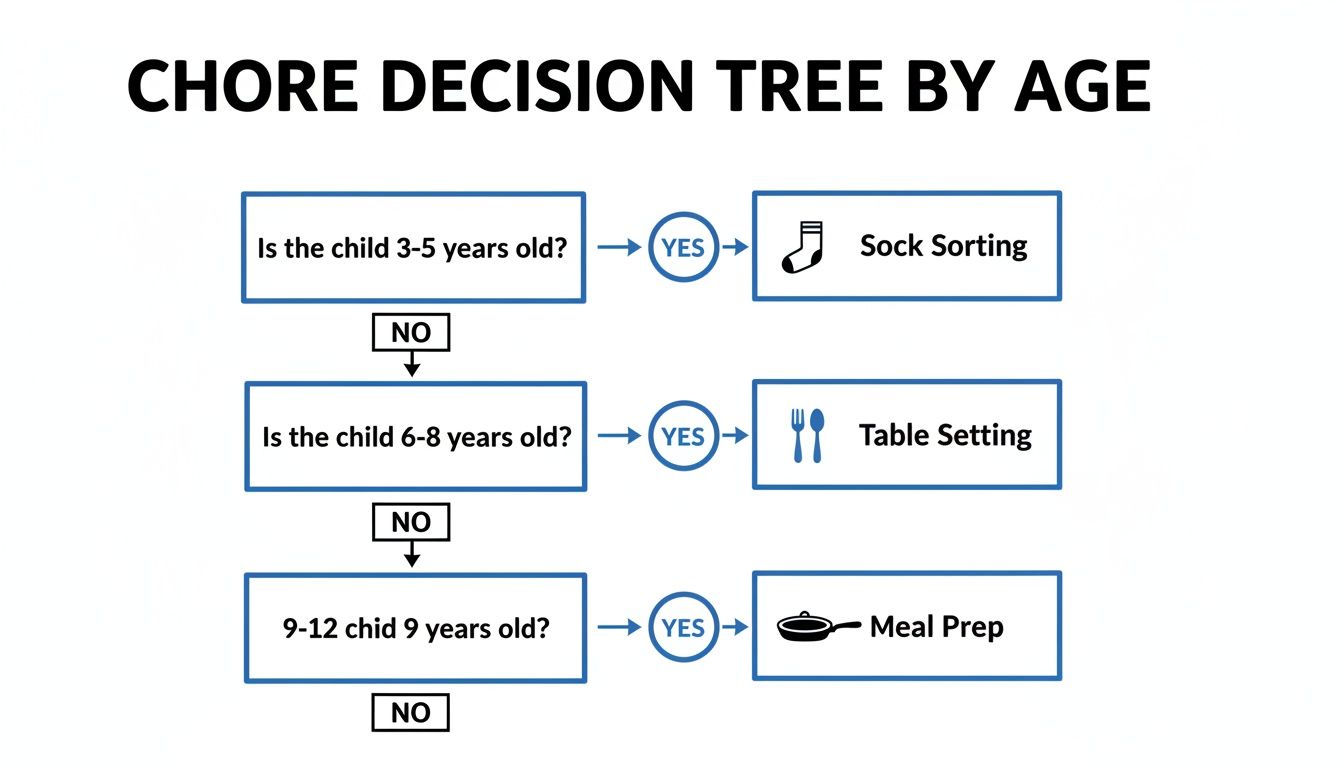
Matching chores to your child’s developmental stage keeps expectations realistic. Little ones master basics; older kids tackle more complex jobs.
| Age Range | Sample Chores |
|---|---|
| 3–5 | Sock sorting, toy bin tidy |
| 6–8 | Table setting, pet feeding |
| 9–12 | Meal prep, dishwasher loading |
One family shared that cooperation jumped by 40% after aligning tasks with each sibling’s interests. A tween who loved cooking racked up extra stickers by slicing fruit for snack time.
Behavior charts combined with small rewards boost self-control in ages 3–8, with repetition rates climbing 35–50% in preschool studies. Learn more at myBrightwheel insights.
Check out our guide on chore chart ideas for kids on Everblog to explore creative templates and bonus points systems.
Tips For Balancing Fairness And Clarity
Keeping siblings happy means rotating duties and setting clear expectations. Try these tactics:
- Swap chores each week so no one feels stuck in the same role
- Use timers (“Five minutes to pick up toys!”) to create friendly urgency
- Offer quick, positive reminders—“Just two more socks!”
“When chores connect to each child’s likes, cooperation goes up,” notes one busy parent.
Managing Sibling Interests
When everyone wants the same task, put choices on the table early. This simple process keeps disputes to a minimum.
- Let kids vote on their favorite chores at the start of each cycle
- Encourage swaps, like trading pet feeding for table setting
- Reward teamwork with bonus points when siblings help each other
This method keeps things fair and fun.
Using Short Reminders To Keep Momentum
A few colorful sticky notes near chore stations can make a big difference. And quick check-ins after breakfast or before dinner reinforce habits without sounding preachy.
Integrating reminders into Everblog’s Chore Manager takes it a step further. Automated voice prompts and digital badges turn each completed task into a small celebration.
By clarifying your goals, matching chores to abilities, and adding bite-sized nudges, you’ll transform daily duties into achievements that grow with your kids.
Designing Your Chart Template And Point System
A chore chart’s design can be the difference between eager participation and forgotten commitments. Whether you choose a printable PDF, a magnetic board, or Everblog’s digital canvas, your goal is the same: make tasks instantly recognizable and even a little fun.
Choosing A Chart Format
Mixing practicality with playfulness keeps kids engaged. Here’s how the main formats compare:
-
Printable PDFs
• Virtually zero cost per copy
• Easy to customize in minutes
• Great for households that love stickers and markers -
Magnetic Boards
• Tactile interaction makes chores feel like a game
• Quick swaps when schedules or duties change
• Durable—but watch out for missing magnets -
Digital Hub (Everblog)
• Automated reminders straight to your phone
• Syncs across devices for every family member
• Built-in data on completed chores and earned rewards
Selecting A Point Framework
Picking the right point model sets expectations and keeps motivation alive. Below is a quick overview of the most popular approaches.
Comparison of Point System Options
| Point System | Pros | Cons |
|---|---|---|
| Flat-Rate | Simple tracking for young kids | May feel monotonous as tasks repeat |
| Tiered | Adds excitement with higher-value chores | Needs careful balancing and regular tweaks |
| Token Economy | Teaches budgeting through saving and spending | Can become too “financial” for little ones |
Use this table as a starting point. Families with preschoolers often lean into flat-rate systems, while school-age kids might thrive on tiered challenges or a token bank.
Involving Kids In Chart Design
Getting children involved in the setup creates instant ownership. Try these ideas:
- Let each child choose their own icon or color for tasks.
- Sketch a legend together that decodes every symbol.
- Turn chart-making into a Saturday craft session with crayons and washi tape.
When kids help build the system, they’re far more likely to track progress—and speak up if something feels unfair.
Syncing With Smartphone Reminders
Automatic nudges mean fewer reminders from you—and kids love the buzz of a finished task. In Everblog:
- Assign color-coded notifications for each child.
- Schedule weekly check-ins that pop up when chores are due.
- Link chores to your family calendar so everything lives under one roof.
This fusion of analog design with digital alerts smooths out morning routines and weekend clean-ups alike.
Advanced Chart Tips
Once your chart and points are humming, consider these refinements:
- Rotate chores every two weeks to keep things fresh.
- Introduce bonus tasks tied to birthdays or holidays.
- Maintain a reward bank so kids can “purchase” small treats.
- Backup printable templates in the cloud for quick reprints.
- Celebrate monthly milestones—think movie night or ice-cream sundae bar.
Regularly revisit point values and chores as your kids grow. Seasonal extras like gardening or holiday prep can slot in as bonus buckets on Everblog, giving everyone something new to tackle. Pursue consistency over perfection, and watch your family’s habits take root.
Setting Up Rewards And Milestones
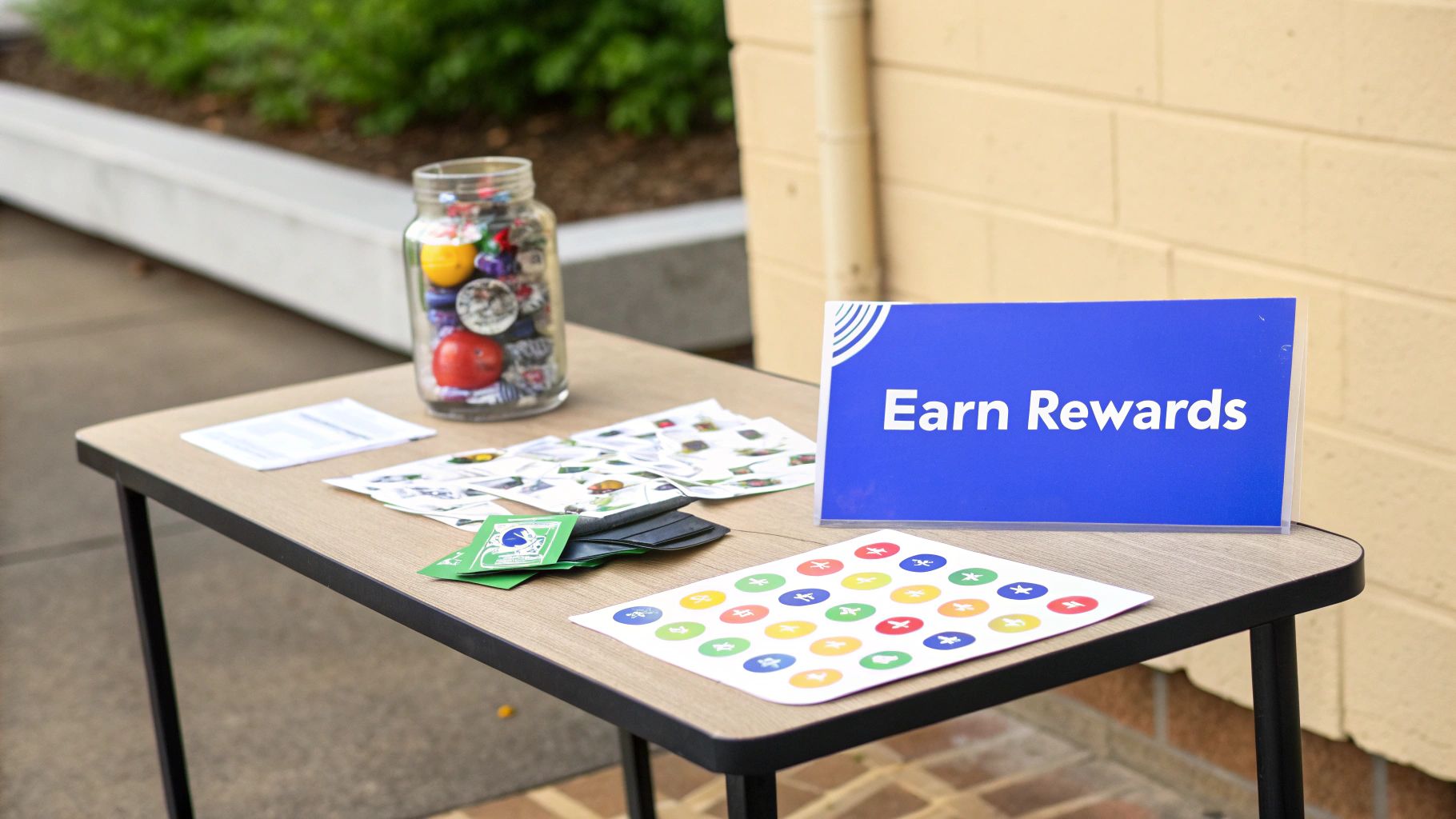
Choosing treats that excite without blowing the budget is half the battle. Tiny victories—like a sticker on a chore chart—fuel momentum instantly. Bigger wins keep everyone aiming higher over time.
- Stickers and Badges cost nearly nothing but pack a visual punch.
- Extra Screen Time (15–30 minutes) can be cashed in for 10 points.
- Family Movie Night unlocks at 20 points and gives everyone something to look forward to.
Mixing quick hits with grander milestones keeps curiosity alive. Bump point targets slowly or swap in surprise bonuses each week to avoid dull routines.
Building A Reward Bank
Setting up a “points bank” helps kids learn to save and choose their treats. They see chores add up and decide when to cash out.
“The reward bank teaches budgeting and patience as much as chores,” notes one parent.
Kids often hit 50 points and plan a special outing—ice-cream in the park or a mini craft session. It’s a fair system that scales across different ages.
Here’s a quick snapshot of popular rewards and the usual cost or time involved:
Reward Ideas and Typical Cost or Time
| Reward Idea | Ideal Age | Cost/Time |
|---|---|---|
| Stickers and Badges | 3–7 | $0–$2 |
| Extra Screen Time | 6–12 | 15–30 minutes |
| Family Movie Night | 4–12 | 2 hours |
| Park Outing | 3–12 | $5–$10 + travel |
| Craft Afternoon | 5–10 | 1–2 hours + $5 |
Mix and match these ideas to fit your family’s style and budget.
Encouraging Teamwork Goals
When siblings combine points, cooperation becomes the prize. Aim for a shared goal—say, “Clean the Living Room”—and unlock a group reward once they hit the target.
- Rotate who picks the activity to keep it fair.
- Use Everblog’s Reward Tracker to visualize team progress in a digital hub.
This shared approach turns chores into a cooperative challenge. Everyone wins when they clear that milestone together.
Scaling Rewards Over Time
Start with low thresholds so kids feel early success. Every couple of weeks, revisit point values and tweak them as tasks become routine.
“Starting small creates achievable wins that build confidence in the longer run.”
Once they’ve mastered basics, introduce bonus points for extra effort—organizing a bookshelf, prepping a snack, or tackling an unexpected task. You can even schedule surprise “Morning Helpers” worth extra points to keep interest high. Automate these pop-up tasks in Everblog so no one misses a chance to earn.
Smith Family Mini Case Study
The Smiths noticed bedtime brushing lagged at 60% after dinner. They set 30 brushes a month as a chart milestone, redeemable for a family movie night.
By mid-month, brushing jumped to 90%, and bedtime battles all but vanished. They tracked each 10-brush marker with a small sticker ceremony—an easy tweak that boosted consistency and brought calm to their evenings.
Regularly revisit rewards and point values as kids grow. Consistent check-ins keep the system fresh and ensure those good habits stick.
Maintaining Motivation And Tracking Progress
The chore chart can start to feel routine after a few weeks, so mixing things up keeps everyone on their toes. Rotating tasks and slipping in surprise challenges turns chores into a game rather than a grind.
We’ve found that weekly swaps not only ward off boredom but also teach kids a variety of household skills.
- Rotate chores every Sunday using a simple spinner or draw names from a hat.
- Introduce pop-up tasks worth 3-5 bonus points on random days.
- Host a short Sunday check-in to celebrate wins and plan the week.
That weekly huddle hits two birds with one stone—accountability and fresh goals.
Weekly Family Check Ins
Keep these check-ins under ten minutes. Each child names one success and two areas to improve in the coming days.
To make it extra motivating, award a digital badge in Everblog. Seeing that badge pop up never fails to light a spark.
Rotating Tasks And Surprise Bonuses
Variety is the spice of chore life. Swapping responsibilities each week ensures no one’s stuck scrubbing the same spot over and over.
Pop-up challenges—like declaring a Kitchen Champion—inject a dash of friendly competition.
In our house, that theme nets you 5 extra points just for whipping up snacks for the family.
“Our kids jumped back into chores when we went with a pizza-making twist,” says one parent.
Using Digital Tools To Track Progress
A platform like Everblog automates reminders and displays progress across screens so everyone stays in sync.
- Kitchen Champions theme where kids compete to prep snacks.
- Garden Guardians theme with extra points for watering plants.
- Clean Sweep week rewarding thorough room refreshes.
One family saw completion rates climb from 60% to 90% in just two months after adding monthly themes.
You might be interested in our family command center ideas for syncing chores, screens, and meals. family command center ideas
Public Recognition With Scoreboards
Hang your chart in a high-traffic spot so kids can see their progress—and feel proud of it.
- A whiteboard calendar highlights top scorers each week.
- Everblog’s Live Score view updates in real time for instant celebration.
Overcoming MidSystem Slumps With Themes
When motivation wanes, a themed week can reignite that spark. Think garden quests or kitchen showdowns.
Parents report themes boost participation by 25% during sluggish months.
- One dad held a pizza bake-off earning double points.
- Another mom assigned superhero capes for weekend helpers.
Everblog’s theme templates take the guesswork out of setup and keep reminders rolling without extra effort.
“The monthly themes turned chore time into a friendly challenge instead of a grind,” recalls one parent.
Celebrating Milestones Publicly
Big wins deserve big cheers. When someone hits 100 points, break out the mini ceremony.
- Host a quick family photo with earned badges.
- Share weekly highlights on Everblog’s media hub.
Those little celebrations create lasting memories and push kids to keep up the good work.
Consistent recognition is the secret to maintaining a chore chart reward system.
Make it a habit to review data in Everblog, reward steady contributors, and tweak point values when needed.
A blend of routine and surprise keeps the system fresh. Start small, stay flexible, and watch your family groove into these new habits.
Troubleshooting Common Challenges
Every chore chart hits a snag now and then. Kids lose interest in stickers, siblings argue over fun tasks, or the chart just disappears into the background. When that happens, a quick reset can get everyone back on track.
Common Roadblocks
- Reward Inflation: Bigger prizes feel necessary each week.
- Sibling Competition: Two kids eye the same chore.
- Chart Forgetfulness: Out of sight means out of mind.
Resetting Expectations
When the system starts to feel routine, gather the family for a fresh conversation. A short, blame-free chat helps realign goals and rekindle motivation.
Parent: “I’ve noticed prizes aren’t as exciting anymore. Let’s set new point targets.”
Child: “Can we aim for toy days?”
Parent: “Sure—let’s agree on fair thresholds together.”
Key Actions
- Revisit last month’s totals and points breakdown.
- Brainstorm updated targets as a group.
- Jot down the new goals on the chart and make a toast to the restart.
Diffusing Sibling Rivalry
Nothing stalls progress faster than a fight over chores. Sharing responsibility for the chart can restore harmony and give each child a sense of ownership.
Strategies That Work
- Swap roles or tasks every two weeks.
- Hold a mini “design your chore” workshop.
- Let siblings vote on contested chores.
A family I worked with saw cooperation jump by 50% after they let kids choose assignments together.
Keeping The Chart Visible
A chart tucked away on a closet door won’t help anyone. Place it where everyone passes daily—or connect it to a digital hub like Everblog’s Chore Manager.
- Snap a pic of updates and send it in the family group chat.
- Color-code new chores so they stand out.
- Carve out a three-minute check-in each evening.
You might be interested in our article How to Get Kids to Do Chores on Everblog for more tactical prompts.
Quick Tips To Stay On Track
- Set a weekly phone alert to review progress together.
- Mark small victories with a high-five or sticker milestone.
- Rotate chores monthly to keep tasks fresh and age-appropriate.
Frequently Asked Questions
How Many Chores Should Each Child Handle
I’ve found that preschoolers thrive on two to three bite-sized tasks—think putting toys away or helping set placemats. Once kids hit elementary age, you can bump that up to four to six chores without overwhelming them. For example, my nine-year-old manages four morning duties before catching the bus, and it’s made our before-school rush feel a lot calmer.
What If a Teen Refuses to Join the System
Teens crave a sense of control. Invite them to co-design the chart and let them choose at least two chores they actually like—maybe tackling laundry or walking the dog. If they still dig in their heels, pull back on perks until they give it a try. Privileges like extra sleep-in minutes or weekend outings can be powerful motivators.
Engaging Teens
- Give them full ownership of one chore category (dinner dishes, lawn care, etc.).
- Tie tasks to personal goals: driving practice, part-time pay, or bonus screen time.
- Hold a weekly check-in to adjust duties based on their feedback.
Can I Mix Money and Non-Monetary Rewards
Absolutely. I split each chore point into a cash token and an experience token. Kids earn both allowance and family game nights or movie outings. Over time, I tweak that ratio depending on which incentive actually lights a fire under them.
How Long Until Habits Stick
It’s less about counting days and more about consistency. Research points to around 66 days before routines become second nature, but many parents spot a real difference in just four weeks. Keep everyone on track with weekly progress charts and celebrate small wins.
“Small wins repeated daily build lifelong habits,” reminds a child development coach.
Building Lasting Habits
- Rotate chores monthly or sneak in surprise bonus tasks.
- Mark each milestone with a quick family ritual—high-fives, special snacks, you name it.
- Review progress every few weeks to refresh goals and rewards.
Streamline chores, schedules, and rewards with Everblog. Visit Everblog for more.


