






From Chore Chaos to Household Harmony
If your evenings end with arguments over whose turn it is to do the dishes, and your mornings start with somebody digging through a clean clothes pile for matching socks, you're in familiar territory. Chores have a way of spreading into every corner of family life. They take time, they create friction, and when no one owns the system, one adult usually ends up carrying the mental load.
That strain is real. A survey highlighted by Angi’s household chores survey found that 80% of Americans spend at least two hours per week on chores, and 22% say they spend at least five hours weekly. The U.S. Bureau of Labor Statistics data cited there also shows that, on an average day, 80% of people do household activities. In other words, this isn't a small side issue. It's part of daily life.
The fix usually isn't “try harder.” It's giving chores a home, a routine, and an owner. You need a system that answers four questions fast: what needs doing, who does it, when it gets done, and how you'll know it's finished. That's where most homes break down. The job exists, but the details stay vague.
A solid chore system doesn't need to be fancy. It just needs to be visible and repeatable. A central calendar, recurring assignments, and a few simple checklists beat a stack of half-used chore charts every time. If you want cleaning routines that support this kind of structure, Shiny Go Clean Madison's cleaning tips are a useful companion.
Start with the chores to do that create the most daily stress. Once those are predictable, the whole house feels lighter.
1. Laundry Management and Rotation

Laundry gets messy fast because it's not one job. It's five jobs pretending to be one. Sorting, washing, drying, folding, and putting away all need an owner, or clean clothes end up sitting in baskets until someone rewashes them out of frustration.
This is also one of the most common pain points in a house. Angi found that laundry is the most time-intensive chore for 28% of Americans in its survey reported at Angi’s household chores survey. That tracks with what families feel. Laundry doesn't explode all at once. It just keeps coming back.
Give laundry days a fixed rhythm
A simple weekly rotation works better than “do laundry when it looks bad.” Try something like Monday for kids' clothes, Wednesday for adult clothes, and Friday for bedding and towels. Put the schedule on a shared family display or calendar so nobody has to ask what day it is.
If you have multiple kids, assign one person as laundry helper for the week. That person sorts by basket color, moves loads along, and delivers finished items to rooms. You still keep parent backup for special care items, but the routine stops living in your head.
- Use color-coded baskets: Give each family member a basket or hamper color so sorting starts before laundry day.
- Set a laundry deadline: Clean clothes need to be put away by a specific evening, not “sometime this weekend.”
- Break it into sub-steps: Sort, wash, dry, fold, deliver. Kids do better with visible steps than with one big word like “laundry.”
Practical rule: If a load isn't complete through the put-away stage, it isn't done.
For families who need a visible setup, a digital checklist works well because you can turn one vague chore into tap-to-complete steps. If you want a model, this guide on how to create a family chore chart shows how to assign recurring tasks clearly.
2. Meal Planning and Grocery List Management

Meal planning is one of the chores to do that doesn't look like a chore until you skip it. Then it's 5:30, everyone's hungry, and you're staring into the fridge hoping dinner appears on its own. It won't.
The easiest fix is to stop treating meal planning as a daily decision. Pick one planning day. For most families, Sunday works because you can look at the full week, note sports nights or late work meetings, and match meals to reality.
Plan by theme, then shop by aisle
Theme nights cut decision fatigue. Pasta Monday, taco Tuesday, leftover Thursday, pizza Friday. The exact meals can change, but the structure keeps the week moving.
Then build your grocery list by store section, not by the order you remembered things. Produce, dairy, proteins, pantry, frozen, household items. That saves time in the store and lowers the chance that you'll forget key ingredients.
- Let each child pick one dinner: Give them pre-approved options so you get buy-in without turning dinner into a negotiation.
- Check the pantry first: This prevents duplicate purchases and wasted food.
- Add items the moment you notice them: Voice entry or a shared list beats trying to remember “we're low on oats” two days later.
A lot of families struggle here because planning and list-making live in different places. Keep them connected. If Wednesday says chicken bowls, the rice, chicken, salsa, and peppers should already be on the list. That sounds obvious, but it breaks down in real homes all the time.
If you want one tool to handle both sides of that job, this round-up of the best meal planner and grocery list app is a practical place to compare what helps and what just adds another screen.
3. Kitchen Cleaning and Dishwashing

The kitchen resets your whole house. If the sink is full, counters are sticky, and the trash is bulging, everything feels harder. If the kitchen is clean before bed, the morning starts calmer, even if the rest of the house isn't perfect.
This chore category deserves a hard rule. The kitchen closes clean every night. Not spotless. Clean enough that breakfast doesn't begin in yesterday's mess.
Split the kitchen into stations
Don't assign “clean the kitchen” to one kid or one tired adult. Assign stations. One person loads the dishwasher, one hand-washes pans, one wipes counters and stovetop, one sweeps. Even younger kids can clear place settings or wipe cabinet fronts.
A short checklist keeps everyone from wandering off halfway through:
- Dishes first: Sink empty or dishwasher running.
- Counters next: Wipe crumbs, spills, and sticky spots.
- Stovetop after that: Deal with splatters before they harden.
- Floor last: Quick sweep in eating and prep zones.
Deep cleaning needs its own slot. Ovens, microwaves, fridge shelves, and cabinet fronts shouldn't depend on somebody noticing they're gross. Put them on a weekend rotation. For example, Saturday appliances, Sunday fridge tidy-up.
If your fridge tends to become a mystery zone, these fridge organization ideas pair well with a kitchen routine because they make it easier to see leftovers, prep ingredients, and what needs to be used soon.
A clean kitchen by bedtime prevents the next argument before it starts.
What doesn't work is relying on motivation after dinner. People are tired then. Use routine, not willpower.
4. Bathroom Cleaning and Maintenance
Bathrooms get gross in predictable ways, which is good news. Predictable mess is easier to manage than random mess. The mistake most families make is waiting until the bathroom looks bad enough to trigger a full deep clean.
A better approach is to separate quick maintenance from weekly scrubbing. Daily resets keep the room usable. Weekly work keeps it sanitary.
Assign by task, not by room, if that fits your family better
Some families do well assigning one entire bathroom to one older child or adult for the week. Others do better assigning one person mirrors and sinks, another toilets, another tub and floor. Use whichever setup gets the least resistance and the most follow-through.
Try a laminated checklist in each bathroom with the order right on it:
- Toilet: Bowl, seat, base, handle
- Sink: Basin, faucet, counter
- Mirror: Wipe toothpaste spots and streaks
- Tub or shower: Quick scrub and rinse
- Floor: Pick up towels, then sweep or mop
If you have guests coming regularly, tie one bathroom clean-up to that rhythm. “Guest bathroom cleaned before Friday evening” works better than “someone should get to that.”
Stock basic supplies in each bathroom. That's one of those low-drama fixes that matters more than people think. If the cloths, spray, and brush live elsewhere, the chore drags. If supplies are right there, someone can wipe the sink in two minutes.
Keep wet towels off the floor and half your mildew battle disappears.
For younger kids, the bathroom chore can be simple: hang towels, restock toilet paper, empty the trash, wipe the counter. Let them succeed early. Save toilet scrubbing and stronger cleaners for older kids and adults.
5. Vacuuming and Floor Care
Floors tell the truth about how your house is running. You can have a decent-looking room at eye level, but if the crumbs, dirt, pet hair, and sticky footprints are collecting underfoot, people feel it immediately.
The key here is matching the task to the traffic. High-use areas need quick, frequent attention. Low-use rooms can wait for the weekly pass.
Use zones and different standards
Wednesday whole-house vacuuming sounds nice on paper. In real life, entryways, kitchens, dining areas, and living rooms often need attention sooner than guest rooms or formal spaces. Set one recurring whole-house day, then give yourself permission to do fast spot cleaning in between.
A workable split looks like this:
- Daily spots: Entry, kitchen, dining floor, obvious crumbs
- Weekly pass: Bedrooms, rugs, stairs, under furniture edges
- Regular hard-floor care: Sweep and mop kitchens, bathrooms, and heavy-traffic zones
- As-needed stain work: Treat spills when they happen, not at the end of the month
If you use a robot vacuum or other automation tools, treat them as support, not replacement. Market projections collected in this household chore automation overview describe growing adoption of home automation tools, but even the best devices still need human setup, emptying, and rescue from cords, toys, and socks.
For hardwood and other hard surfaces, cleaning method matters. Too much water causes problems. Too little regular maintenance lets grit grind into the finish. These J.R. Hardwood cleaning recommendations are a practical reminder to match your routine to the floor itself.
What doesn't work is storing the vacuum in a hard-to-reach closet. Put it where people can grab it fast. If a tool is annoying to access, the chore won't happen.
6. Laundry Folding and Clothing Organization
Folding is where laundry systems often die. The clothes are technically clean, but they're still living on a couch, chair, or bed three days later. That's not finished laundry. That's a delayed mess.
What helps most is making folding a separate household routine instead of an afterthought tacked onto wash day. Saturday morning or Sunday afternoon works because people are home and you can batch it.
A lot of homes also benefit from lowering the standard a bit. Neat enough beats perfect. A child who rolls shirts consistently is doing better than a child staring at a pile because they think folding has to look store-bought.
Build drawers that are easy to maintain
Labeled sections matter. Socks, underwear, shirts, pants, pajamas. If the drawer has a clear destination, kids can put clothes away without needing you to supervise every piece.
Make the rule simple: no new load starts until the last clean load is put away. That one boundary prevents the clean-laundry mountain from becoming permanent furniture.
Here’s a folding demo many families find useful when they need a visual:
Some parents like to make this social. Put on music, a podcast, or let everybody fold in the living room for fifteen minutes. That works well because folding is repetitive and doesn't require deep concentration.
- Teach the easiest version first: Rolling, stacking, and sock matching are enough to start.
- Keep hand-me-down bins separate: Don't let future clothing mix into current drawers.
- Use simple visual guides: A taped photo inside a drawer can show younger kids what “done” looks like.
If your family resists folding, don't lecture about responsibility. Shorten the session and improve the setup.
7. Trash and Recycling Management
Trash is one of the easiest chores to assign and one of the quickest to ignore. When people ignore it, you get overflowing bathroom cans, food waste sitting too long in the kitchen, and a scramble on collection morning.
This is a strong “easy win” chore, especially for younger kids and preteens. It has a visible result, it's short, and it teaches follow-through.
Match the routine to pickup day
Start with the external deadline. If collection is Monday morning, your main house rule might be “bins go curbside Sunday night.” Then work backward. Kitchen trash checked after dinner. Bathroom and bedroom cans emptied on the same evening. Recycling sorted before the outside bins go out.
Color-coded bins help, especially if your local recycling rules are picky. A quick visual guide taped inside a cabinet door also cuts down on the “I didn't know where this goes” excuse.
- Assign one daily check: Kitchen trash, bathroom trash, and recycling shouldn't wait until they overflow.
- Keep liners in the same spot every time: If bags are hard to find, the old full bag sits there longer.
- Use one owner for curb duty: Shared responsibility often turns into no responsibility.
What doesn't work is assigning trash only when you notice a smell. By then you're already behind. This chore needs a recurring place in the week because it depends on outside schedules, not just household mess.
For co-parenting households or families where kids move between homes, visible tracking helps a lot here. Trash day is easy to forget if routines change, and that makes it a great candidate for a shared display or reminder.
8. Dusting and Surface Cleaning
Dusting is the chore people skip because the consequences feel less urgent than dishes or laundry. Then they look up and realize the shelves, baseboards, fan blades, and picture frames all need attention at once.
The fix is to keep it light and regular. Dusting works best as a quick pass, not a heroic event.
Use a short whole-house sweep
A fifteen-minute family dusting session can do more than a long, dreaded clean-up that never gets scheduled. Give each person a zone. Bedrooms, living room surfaces, entry table, bookshelves. When the time is short, people stay focused.
Use the right tool for the right surface. A microfiber cloth handles most furniture and shelves better than a dry paper towel. A long-handled duster works for fan blades and high corners, but you still need a cloth for detail work.
Dust before company comes over, not after you finally notice it.
You can also rotate deep-dust jobs by month. One month do baseboards. Next month ceiling fans and light fixtures. Another month tackle blinds or the tops of frames and mirrors. That's easier to maintain than pretending every dusting session will be thorough.
A small cloth station helps. Keep labeled microfiber cloths where people can find them, and don't overcomplicate the supplies. Too many sprays and specialty products slow the job down. For most surfaces, a dry or lightly damp cloth is enough.
If a child needs a low-resistance task, dusting works well. It's tangible, low-risk, and easy to finish in a short burst.
9. Bedding Changes and Laundry
Fresh sheets change the feel of a week. They improve comfort fast, and they stop bedding from becoming one of those household jobs everyone forgets until somebody's pillowcase obviously needs washing.
This chore works best when it has a fixed day. Friday night is great if you like a reset for the weekend. Saturday morning is good if you want to wash, dry, and remake beds all in one block.
Keep spare sets close to the bed
Store an extra set of sheets in each bedroom if you can. That one choice removes a lot of friction. When you strip a bed, you can remake it right away instead of waiting for the laundry cycle to finish.
Older kids can usually handle their own bedding with some coaching. Start with pillowcases and top sheets if fitted sheets still frustrate them. The point is ownership, not perfection.
- Strip and remake in one session: Half-finished beds linger all day.
- Wash bedding with intention: Group similar linens so the cycle stays manageable.
- Teach an easy folding method: Rolling fitted sheets is often more realistic than perfect folding.
Bedding storage matters too, especially if you rotate seasonal comforters or guest linens. These expert tips for bedding storage bags are useful if your linen closet tends to get bulky or hard to manage.
One thing that doesn't work is storing every extra sheet set in one crowded hallway closet. People won't hunt for the right size. Keep queen sheets in the queen room, twin sheets in the twin room, and this chore gets faster immediately.
10. Organizing Closets, Drawers and Storage Areas

Organization chores don't need to happen daily, but they do need a slot. If you wait until every closet and drawer is frustrating, the job gets too big and everyone avoids it.
The simplest method is one project per month. Not “organize the house.” One pantry shelf, one junk drawer, one child's closet, one under-bed bin. Small projects finish. Giant intentions don't.
Use visible systems people can keep using
Clear containers beat mystery bins. Labels beat household telepathy. If you want family members to keep a space organized, they need to know where things belong without asking.
Seasonal rotation helps too. When winter ends, heavy coats and boots can move out of daily space. When school starts, activity gear and supply drawers need another pass. These aren't cosmetic chores. They reduce the daily scramble to find what you need.
- Take before and after photos: They help with motivation and make resets easier later.
- Create personal zones: Each person maintains their own closet, drawers, or assigned shelf.
- Use a one-in, one-out rule: Before adding new items, remove or relocate something old.
Some families benefit from a standing “organize one space” challenge at the start of each month. That's especially useful in blended households where shared spaces can become nobody's job.
If you're trying to build responsibility, don't only assign visible chores like sweeping or dishes. Kids can also learn to notice clutter, supplies running low, or storage systems breaking down. The “Notice and Do” approach described in this Upworthy piece on invisible labor and chores gets at something many chore systems miss. Real responsibility isn't just following orders. It's seeing what needs doing and handling it.
10 Household Chores Comparison
| Task | Implementation complexity 🔄 | Resource requirements ⚡ | Expected outcomes 📊 | Ideal use cases 💡 | Key advantages ⭐ |
|---|---|---|---|---|---|
| Laundry Management & Rotation | Moderate: weekly scheduling and coordination | Washer/dryer, baskets, shared calendar, weekly time | Consistent clean clothes; fewer backlogs | Families with multiple members; teaching kids chores | Prevents pile-ups; fair workload; life-skill building |
| Meal Planning & Grocery List Management | Moderate–High: meal selection, inventory checks | Pantry inventory, recipes, shopping time, planning tools/apps | Lower food waste and grocery cost; smoother meals | Budget-conscious households; multiple diets | Saves time/money; reduces decision fatigue; dietary compliance |
| Kitchen Cleaning & Dishwashing | Moderate: daily routines plus periodic deep cleans | Cleaning supplies, dishwasher/sink time, deep-clean tools | Sanitary kitchen; fewer pests; better cooking environment | Frequent cooks; families with children; shared kitchens | Prevents food-safety issues; extends appliance life |
| Bathroom Cleaning & Maintenance | Moderate: daily tidying + weekly/monthly deep tasks | Disinfectants, scrubbers, ventilation, regular time blocks | Reduced mold/health risks; guest-ready bathrooms | Homes with multiple bathrooms or high use | Prevents health issues; preserves fixtures; teaches hygiene |
| Vacuuming & Floor Care | Low–Moderate: routine vacuuming with periodic deep clean | Vacuum/mop, floor cleaners, occasional professional service | Reduced allergens; prolonged flooring lifespan; cleaner look | Homes with carpets or pets; allergy-sensitive households | Improves air quality; prevents wear; visible results |
| Laundry Folding & Clothing Organization | Low–Moderate: repetitive systems and maintenance | Time, drawer/closet space, labels/storage solutions | Easier dressing; less re-washing; organized storage | Busy mornings; families with children; limited closet space | Speeds morning routines; reduces wrinkles; efficient storage |
| Trash & Recycling Management | Low: daily sorting and collection coordination | Bins/liners, local recycling knowledge, compost setup (optional) | Less odor/overflow; environmental compliance | All households; eco-conscious families; shared living | Teaches responsibility; prevents pests; cost savings |
| Dusting & Surface Cleaning | Low: short weekly tasks, seasonal deep dusting | Microfiber cloths, step stool, basic cleaners | Reduced allergens; improved home appearance | All homes; allergy households; guest prep | Low-cost; quick visible improvement; easy for kids |
| Bedding Changes & Laundry | Moderate: wash, dry, and remake cycles | Spare sheet sets, laundry capacity, time | Better sleep hygiene; fewer allergens; fresher beds | Families with children; allergy-prone households | Noticeable comfort gains; prevents dust-mite buildup |
| Organizing Closets, Drawers & Storage Areas | High: large projects and ongoing maintenance | Storage containers, labels, donation/disposal options, time blocks | Easier item finding; less clutter; efficient storage use | Seasonal rotation, moves, decluttering drives | Reduces decision fatigue; frees space; prevents duplicate buys |
Your Central Hub for a Happier Home
A good chore system doesn't make your house perfect. It makes your house understandable. People know what's expected, when it needs to happen, and what “done” means. That removes a surprising amount of tension from everyday family life.
That matters because chores aren't a side issue. They take up a real share of home life. The Bureau of Labor Statistics figures cited by Intel’s report on AI tools and household chores also point to the broader push toward tools that reduce routine coordination work. The article discusses how digital tools can help reclaim time from repetitive household management tasks. Even without chasing every new gadget, the direction is clear. Families want fewer reminders, fewer repeated questions, and less mental clutter.
The households that do this well usually follow the same principles. They make recurring chores visible. They break larger jobs into steps. They assign one owner at a time. And they avoid vague expectations like “help out more.” That phrase creates resentment because nobody agrees on what it means.
You also need to be honest about trade-offs. If you want kids involved, chores will take longer at first. If you want a fair split between adults, somebody has to define the work that usually stays invisible, like checking supplies, noticing stains, or remembering when sheets were last changed. If you want less nagging, you need a system that carries reminders for you.
One of the hardest parts is deciding between flexibility and consistency. My practical take is this. Keep the schedule consistent, but stay flexible about who does what when life gets messy. A strong system doesn't collapse because somebody had late practice or a rough day. It adjusts without putting the entire burden back on one person.
Rewards can help, especially for repetitive chores that kids don't naturally enjoy. But rewards work best when they support consistency, not when they turn every basic responsibility into a negotiation. Tie them to streaks, completed routines, or extra initiative. Don't attach a prize to every fork put in the dishwasher.
Visibility changes everything. A chore chart buried in a drawer won't help. A paper list on the fridge can work for a while, but it gets messy fast when routines change. That's why a shared household hub is useful. Everyone sees the same plan. Recurring tasks stay in view. Progress is easy to check. That reduces the need for one parent to become the family reminder app.
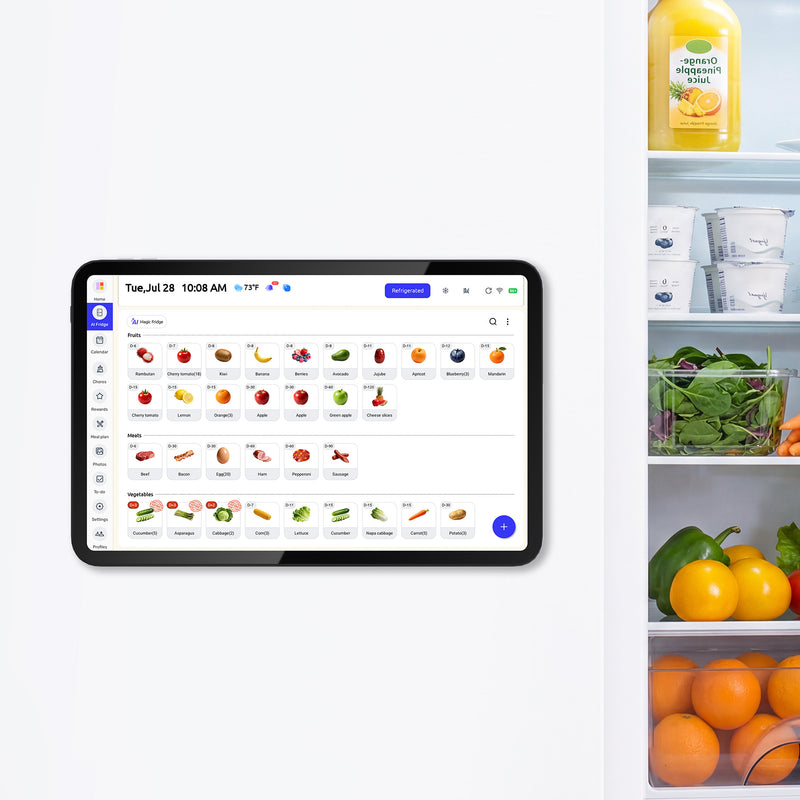
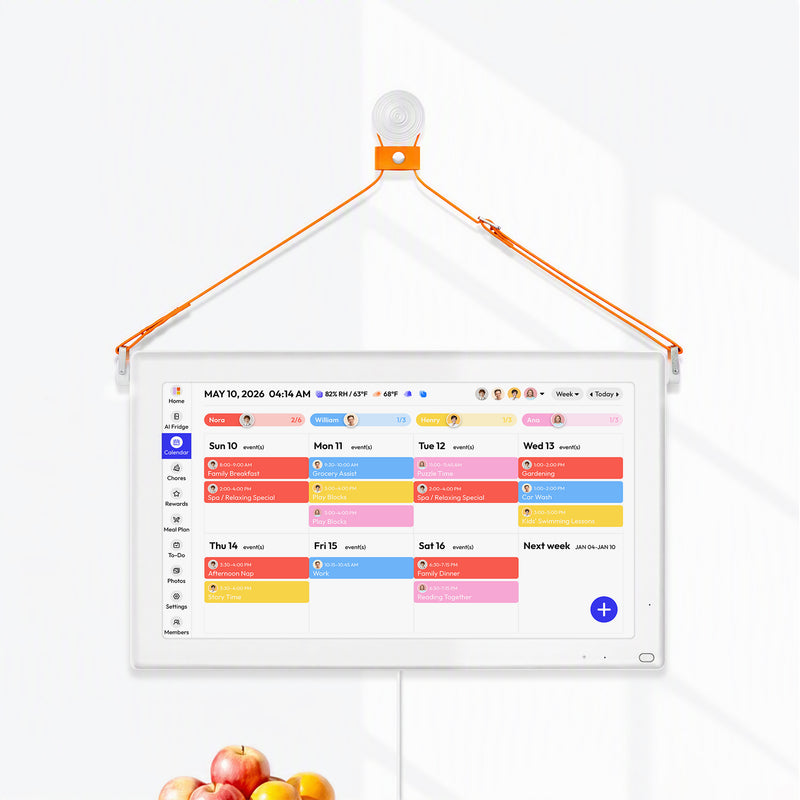
Everblog is one example of that kind of setup. It combines a digital family calendar with a Chore Manager, Rewards Tracker, Meal Planner, Grocery List, voice entry, and a companion app in one shared display. For families trying to manage chores to do alongside school, work, activities, and meals, having those tools in one place can make the house feel more coordinated.
You don't need a complicated overhaul to get started. Pick the three chores that create the most stress in your home. Assign a real owner, put them on a real schedule, and define the finish line clearly. Once those are steady, add the next layer. That's how chore chaos turns into household harmony. Not through one big reset, but through simple routines your family can keep.
If you want one shared place to manage schedules, chores, meals, and rewards, Everblog is worth a look. Its digital wall calendar brings recurring responsibilities into view, gives kids a clear way to track progress, and helps busy families run the house with less daily friction.


