
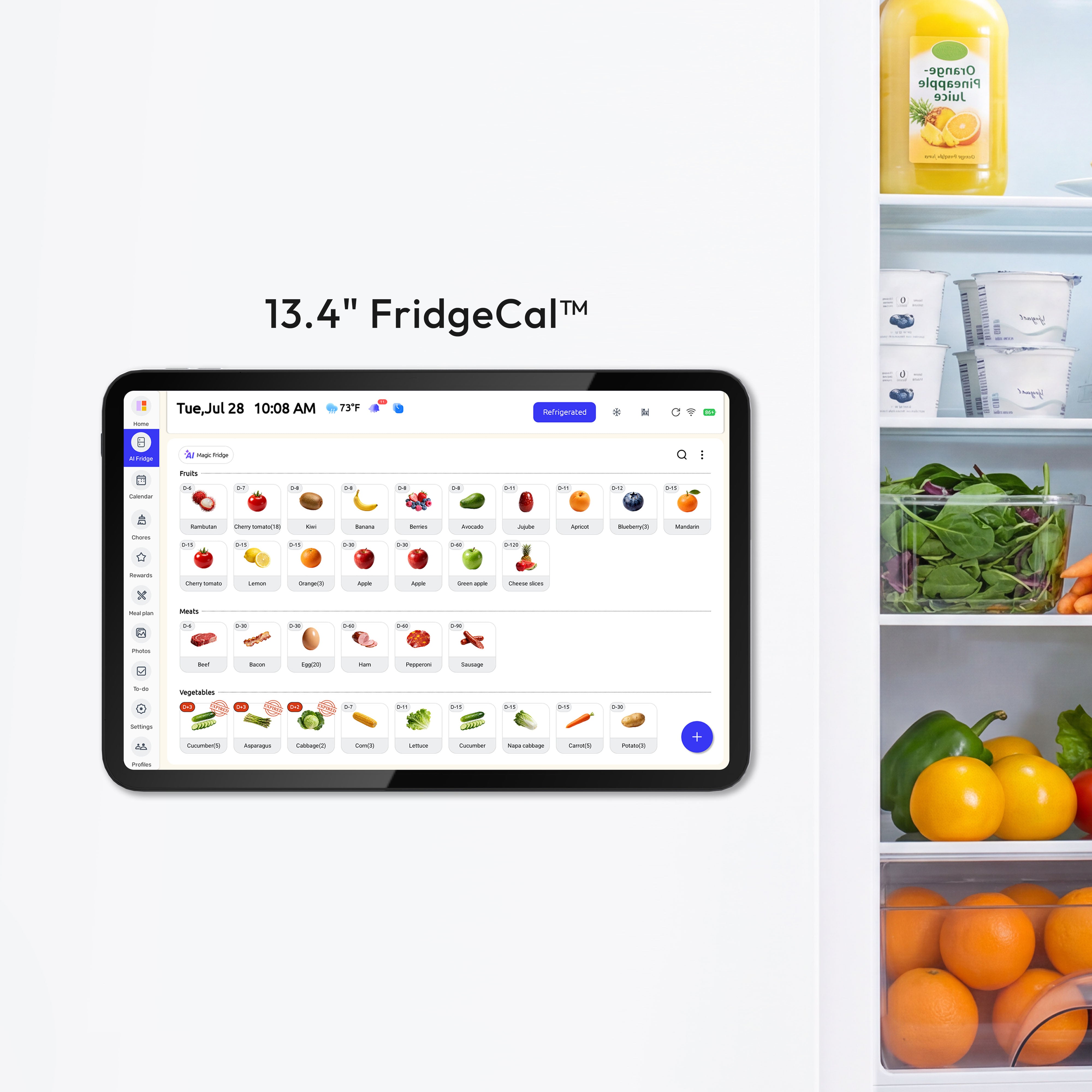
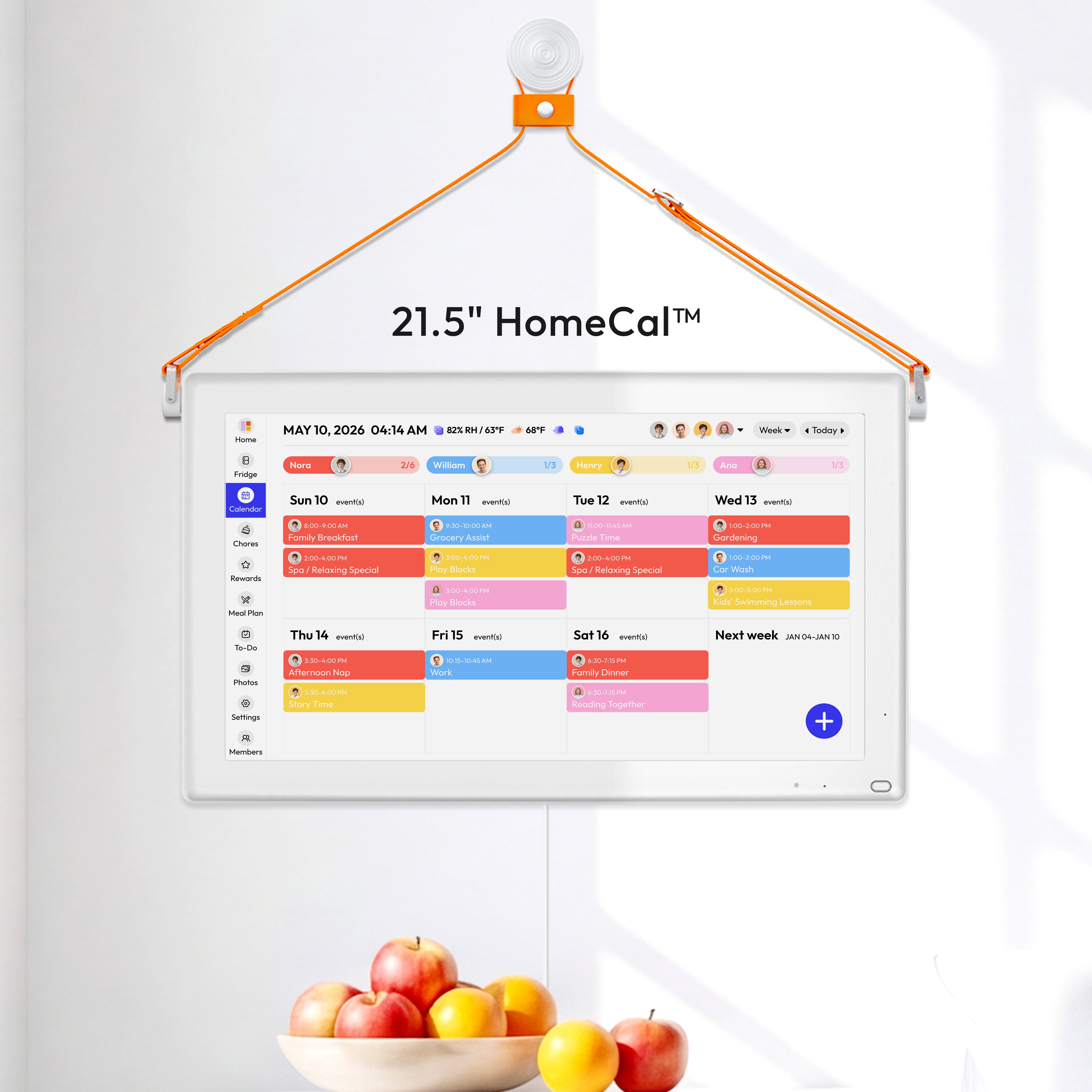

A daily routine planner is more than just a fancy to-do list. It’s the command center for your entire family, bringing a sense of order to the beautiful, and often wild, chaos of family life. For busy households, it creates a single, shared playbook that everyone can follow, turning down the noise and turning up the connection.
From Family Chaos To Calm Coordination
Does your family life feel more reactive than proactive? Juggling school runs, work deadlines, and after-school activities can feel like an impossible circus act. If you're constantly dealing with missed appointments, forgotten permission slips, and the dreaded 5 PM question, "What's for dinner?"—you're definitely not alone.
This is the classic pain point of modern family life: everyone is out of sync. Sticky notes get lost on the fridge, important details are buried in a dozen different text threads, and multiple calendar apps just add to the confusion. When everyone is operating from a different playbook, miscommunication and frustration are inevitable.
Shifting From Reactive To Proactive
A central daily routine planner, like the one built into Everblog, completely changes the game. Instead of putting out fires all day, your family starts anticipating what's ahead. It’s about creating that one go-to spot for everything, which naturally builds teamwork and accountability.
This isn't just about ticking off more boxes; it's about shifting the entire atmosphere in your home. And it works. The global market for planners is on track to hit USD 1.2 billion in 2026, with 52% of consumers buying them specifically to get more organized. For families, the impact is huge—studies show that tools like digital chore trackers can cut down on forgotten tasks by up to 40%. You can explore more data on this trend and its impact on households.
A visual, at-a-glance planner empowers everyone. It's not just another screen; it's a communication tool that gives the entire family clarity and confidence.
When everyone can see the plan, they become part of the solution. This creates a sense of shared responsibility that paper notes and disconnected apps simply can't deliver.
Before we dive into building your routine, it helps to see how each piece fits together. A good planner isn't just a calendar; it's a system where each component solves a specific, common family headache.
Core Components Of An Effective Family Routine
| Routine Component | Problem It Solves | Everblog Feature |
|---|---|---|
| Shared Calendar | "Who's taking Mia to soccer?" Double-booking and missed appointments. | Syncs with Google, iCal, and Outlook so everyone sees the same schedule. |
| Chore & Reward Chart | "Did you feed the dog?" Constant nagging and lack of follow-through. | Kids can see their tasks, check them off, and track progress toward a reward. |
| Meal Planner | "What's for dinner?" Last-minute meal stress and forgotten ingredients. | Plan meals for the week and automatically generate a shareable grocery list. |
| Centralized Dashboard | "I didn't know!" Information is scattered across texts, emails, and notes. | A single screen that displays the calendar, chores, meals, and weather at a glance. |
These core pieces work together to transform a household from a collection of individuals into a well-oiled team.
Creating A Single Source Of Truth
The ultimate goal is to create one place where all family logistics live. This central hub becomes the unquestioned authority on what’s happening, day in and day out.
- Kids see their responsibilities: They can visually track their chores and see what rewards they're working toward, which builds amazing independence.
- Parents coordinate schedules: No more double-booking or last-minute scrambles to figure out who’s handling pickup.
- Meal planning becomes transparent: Everyone knows what's for dinner, and the integrated grocery list makes sure you actually have the ingredients on hand.
By creating this single source of truth, a daily routine planner doesn't just organize your tasks—it transforms a chaotic environment into a calm, coordinated home. It’s the foundation for a less stressful and far more connected family life.
Building Your Family's Foundational Routines
A great family planner isn't about micromanaging every second of the day. It’s about creating solid, predictable anchors for the three most chaotic times: the morning rush, the after-school transition, and the bedtime wind-down. These are the moments where your daily routine planner really starts to pay for itself.
The secret to making these routines stick? Co-creation. Don't just hand down a list of rules. Sit down with your kids and build the schedules together. This simple act gives them a real sense of ownership and makes them far more likely to get on board without a fight.
This is the journey we’re aiming for—from the daily grind of household chaos to a state of coordinated calm.

The visual flow here says it all. A central planning tool really is the bridge to a more peaceful, organized family life.
The Morning Rush Transformed
Morning chaos is probably the number one source of stress for most families. A frantic start can throw off the entire day for everyone. The goal is to build a smooth, repeatable flow that gets everyone out the door on time—minus the yelling.
A winning morning routine is visual and simple. For younger kids, it might just be a few key steps:
- Wake Up & Make Bed
- Get Dressed
- Eat Breakfast
- Brush Teeth & Hair
- Pack Backpack & Put on Shoes
For older kids and teens, you can layer in more responsibility, like "Feed the dog" or "Prep your own lunch." In Everblog, you can set these steps to pop up on the screen each morning, offering a gentle, non-verbal nudge that keeps everyone moving.
Pro-Tip: The night before, use Everblog’s voice entry to drop in a timely reminder. A quick, "Hey Everblog, remind everyone that soccer cleats are needed for practice tomorrow!" can be a total game-changer.
Navigating The After-School Slump
Those few hours between school and dinner can be a really tough transition. Kids are wiped out and need to decompress, but homework and chores are still waiting. A good after-school routine gives them much-needed structure without being too rigid.
A balanced flow could look something like this:
- Decompression Time (30 mins): Unpack bags, grab a snack, and have some screen-free downtime.
- Productivity Power-Up (45 mins): Tackle homework or a quick chore while energy levels are still relatively high.
- Free Play (Until dinner): Once the must-dos are done, the rest of the time is theirs.
If you need a hand visualizing how to structure this time for your little ones, this preschool daily schedule template offers a fantastic starting point for bringing order to your home.
Crafting A Peaceful Bedtime Wind-Down
A consistent bedtime routine is scientifically proven to help kids sleep better and longer. This is your chance to create a calm, connecting end to the day. The focus should always be on winding down, not just rushing to bed.
Set a gentle on-screen nudge in your planner, like a "15 minutes until bedtime" alert, to signal the transition. An effective routine is all about calming activities:
- Tidy up toys
- Put on pajamas
- Brush teeth
- Read a story together
- Lights out
This predictable sequence tells a child's brain it's time to prepare for sleep. It replaces those last-minute scrambles with quiet, quality connection time, which sets the stage for a restful night and, you guessed it, a much smoother morning.
Mastering Chores Without The Constant Nagging
Let's be honest: chores are a major source of family friction. That constant, nagging question—"Did you take out the trash?"—can turn any home into a battleground. If you're tired of the daily power struggles, it’s time to move beyond the old paper chore chart and build a system that actually inspires teamwork.

The goal here isn't just to get things done. It's to build a system where accountability is clear, visual, and even a little fun. This is where a digital daily routine planner completely changes the game, especially one with a tool like Everblog’s built-in Chore Manager. You can finally assign age-appropriate jobs, set recurring tasks, and track everything where the whole family can see it.
Making Motivation The Main Ingredient
Here’s the thing about chores: nagging creates resistance, but positive reinforcement gets results. When you gamify the system by letting kids earn points for completed tasks, chores stop feeling like a burden and start feeling more like a challenge.
With a Rewards Tracker, you can set up goals your kids actually want to work for. We’re talking beyond just a simple allowance. They could earn points toward things they choose themselves, like extra screen time, a new Lego set, or picking the next family movie.
A great example is connecting routines directly to rewards: "Complete your morning routine every day this week to earn a family movie night on Friday." This shows them how consistent effort leads to a payoff they care about.
Suddenly, you're not the one doing all the reminding. Their own motivation takes over, and they start learning incredibly valuable life skills along the way. When kids can visually see their progress add up, they develop a real sense of pride in helping the family.
Assigning Chores That Actually Get Done
The secret to a chore system that sticks is fairness and clarity. You have to start by assigning tasks that are a good fit for each child's age and ability. If you need some help with that, our guide on how to create a family chore chart is a great place to start.
Once you have your list, it's time to make it official in your daily routine planner:
- Recurring Tasks: Set "Take out the trash" to pop up every Tuesday evening. No more "I forgot"!
- One-Time Jobs: Add "Tidy up the playroom for guests" for a specific Saturday afternoon.
- Shared Responsibilities: Rotate who's assigned to "Set the dinner table" each night.
This simple setup eliminates confusion and excuses. There's a reason daily planners are so powerful. Market surveys show that 64% of users want personalized features like gamified rewards, and in blended households, 70% report less conflict once routines are visible. We see it with our own users—they report 35% better task completion after switching to the Chore Manager. You can find more strategic insights about the planner market to see why these features are so effective.
By folding chores into your family’s main planner, you create one seamless system. It's not just about getting more done; it’s about finally working together without all the stress.
Taming the "What's for Dinner?" Monster
We’ve all been there. It's 5 PM, the kids are hungry, and that dreaded question hits: "What's for dinner?" That single question can send a perfectly good evening into a tailspin. For most of us, meal planning feels like just one more thing on an already overflowing plate.
But what if it didn't have to be a chore? When you pull your meal plan directly into your daily routine planner, it stops being a source of stress and starts being your secret weapon for a calmer household.

With a tool like Everblog's Meal Planner, you can map out your family's breakfasts, lunches, and dinners right where everyone sees the daily schedule. Just making the plan visible puts an end to the guesswork and the last-minute scramble for takeout menus.
From Plan to Pantry, Automatically
Here’s where it gets really good. A truly smart planner connects your meal plan directly to your grocery list. This isn't a small feature; it's the glue that holds the whole system together. You stop making two separate lists and finally quit forgetting things at the store.
Think about your Sunday planning session. You slot "Taco Tuesday" into the calendar for dinner. Right then and there, you add the essentials—ground beef, tortillas, salsa, and cheese—to the shared grocery list on the same screen. No switching apps, no paper lists to lose.
That automatic link between your meals and your shopping list is a total game-changer. It means your trips to the store are quick, focused, and complete. No more frustrating mid-week runs for that one thing you forgot.
Later in the day, your teenager can just say, "Hey Everblog, add milk to the grocery list." Suddenly, the list is a living, collaborative document for the whole family, catching everyone's needs as they happen. What used to be a chaotic chore becomes simple and organized.
Smart Strategies for Family Meals
Once your meal plan is integrated, you can start using some simple tricks that save a surprising amount of time and money. These are real, practical tips that make family life run a little smoother. For a deeper dive, check out our complete guide to meal planning for busy families on the Everblog blog.
Here are a few of my favorite techniques:
- Theme Nights: This is a classic for a reason. Assigning days for certain foods, like "Pasta Monday" or "Soup and Sandwich Saturday," makes planning so much easier. It narrows down the options and gives the kids something to look forward to.
- Batch Cooking: Spend a little time on Sunday prepping core ingredients. Grill a few chicken breasts, cook a big pot of rice, and chop your veggies for the next few days. This makes weeknight dinners more about assembling than cooking from scratch.
- Embrace Leftovers: Seriously, plan a "Leftover Night" at least once a week. It’s the best way to reduce food waste and give yourself a night off from cooking. Just make sure to label everything so people know what they're grabbing.
By building these habits into your family's planner, you’re doing more than just figuring out what to eat. You’re creating a reliable system that cuts down on mental clutter, saves money, and brings a welcome dose of calm to your daily routine.
Making Your Planner The Heart Of The Home
A good family planner doesn’t just track appointments. It becomes the place where your family connects—the central hub for everything and everyone. When you shift your planner from a simple to-do list to a true command center, you create something that goes way beyond basic organization. This is where Everblog really comes into its own.
Think of it as the family bulletin board, but for today's world. Instead of just showing schedules, the Media Hub can run a slideshow of your favorite family photos or play a quick video message you recorded on your phone. It brings a little bit of warmth and personality right into your daily planning.
A Single Source of Truth for Everyone
For co-parents, blended families, or just busy households, having one central place for information is a game-changer. It puts an end to the endless back-and-forth texts about who’s picking up whom, when that doctor's appointment is, and what’s needed for the school bake sale. Everyone is on the same page, all the time.
This isn’t just a small perk; it’s fundamentally changing how families stay coordinated. It's why the market for family-focused planners is growing so fast, especially in North America. Research shows that having a shared, visible planner can slash miscommunications by a staggering 45%. It's also become an essential tool for the growing number of homeschooling families—who have increased by 20% since the pandemic—as they rely on digital hubs to keep days structured and calm.
Systems like Everblog’s 21.5-inch display deliver that one-stop calm. With the Rewards Tracker, Grocery List, and voice entry all integrated, the whole family can see what’s going on and even add to it without missing a beat. You can see the data behind these planner trends for the full picture.
The real magic of a shared planner is that it creates a single source of truth. When the whole family looks to one place for information, it builds unity and cuts down on needless conflict.
How to Make It Your Family’s Go-To Hub
To really get the most out of your Everblog, it needs to be woven into the daily rhythm of your home. From my experience, a few simple habits make all the difference:
- Put it where the people are. The kitchen counter, the mudroom, or the main entryway are perfect spots. You want it somewhere everyone will see it multiple times a day without even trying.
- Teach everyone to use voice entry. Show your kids how easy it is to say, "Hey Everblog, add milk to the grocery list" or "Remind me to take out the trash." When everyone can contribute, it becomes a tool for the whole family, not just for you.
- Use the app when you’re out. Remember a parent-teacher conference while you’re at work? Add it from the companion app on your phone, and it pops up instantly on the main display at home.
Following these simple tips helps the planner become more than just a screen on the wall. For a deeper dive into creating your own hub, check out our guide on setting up a family command center. It’s all about building a system that actually connects your family, not just organizes it.
Frequently Asked Questions About Daily Routine Planners
Bringing a new tool into your home can feel like a big step. You're probably wondering, "Is this just another thing I'll have to manage?" We get it. If you've tried other systems that fizzled out after a week, it's natural to be skeptical.
Let's walk through some of the real questions we hear from parents. Our goal is to give you honest answers, straight from our experience helping families just like yours find their groove.
How Long Does It Take For A Family To Adopt A New Routine Planner
This is the big one. The honest answer? You’ll likely start feeling the benefits in the first few days, and the whole system will feel like second nature in about one to two weeks. The secret isn't aiming for perfection right away—it's all about consistency.
For that first week, make it a fun, shared activity. Gather around the planner in the morning to see what the day holds. In the evening, check off what you’ve accomplished. A great way to get everyone involved is to use the voice entry feature in front of the kids to add a new task or event. It shows them just how simple it is.
By making it a collaborative and low-pressure process, most families find the planner becomes an automatic part of their day faster than they expected. It shifts from a "new thing" to "just what we do."
What If My Kids Resist Using A Chore And Reward System
Resistance is completely normal, especially if past chore charts have ended in tears (yours or theirs). The key to avoiding that battle is to give your kids a real sense of ownership from the get-go.
Instead of just handing down a list of chores, sit down with them. Open up Everblog's Rewards Tracker and let them help choose the goals they want to work toward. When they're the ones who decide the reward—whether it’s 30 minutes of extra screen time or that LEGO set they’ve been eyeing—they become partners in the process, not just employees.
Also, start small. Begin with just one or two simple daily tasks. The moment they complete one, make a big deal of it. Show them the checkmark on the screen and how their points just went up. That immediate, visual feedback is a powerful motivator—and it’s way more effective than another verbal reminder.
Can A Digital Planner Work For A Family That Isn't Tech-Savvy
Absolutely. A good digital planner should be designed for busy parents, not Silicon Valley engineers. Think of it this way: the whole point is to reduce friction in your day, not add a technological headache.
With Everblog, for instance, the setup is handled through a simple companion app on your phone. The main display itself is designed to be as intuitive as a traditional wall calendar, just smarter.
The most popular feature, voice entry, needs zero technical skill. If you can say, "Hey, add milk to the grocery list," you can use the planner. It’s built to be simpler and less distracting than pulling out your phone and getting lost in a dozen different apps.
Ready to replace family chaos with coordinated calm? The Everblog digital family wall calendar brings your schedules, chores, and meal plans into one central hub that everyone can see and use. Order your Everblog today and start building a more organized home.


