



By the time most families start looking for a digital clock with calendar, they're not really shopping for a clock. They're trying to stop the daily scramble.
One parent is checking text threads for pickup changes. Another is scanning the fridge for a paper schedule that's already outdated. A child says nobody told them about early dismissal. Dinner plans are floating in someone's head, chore reminders are scattered across sticky notes, and the whole house depends on one person remembering everything. That setup works until it doesn't.
A shared display changes the dynamic. It takes private, invisible planning and turns it into something the whole household can see at a glance. That's the true appeal. Not novelty. Not more screen time. Shared visibility.
Beyond Telling Time The Modern Digital Family Hub
Families rarely need another device that only shows the time. They need one place where the day makes sense.

Most content about a digital clock with calendar still aims at senior care, dementia support, or medication reminders. That use case matters, but it leaves out the family problem sitting in plain sight. A family-first approach turns the category into a shared wall hub for chores, meals, school events, and co-parent visibility, which is the gap highlighted on the LifeClock product page.
In practical terms, the best family setup does one simple thing well. It answers the question everyone asks all day long: What's happening today, and who's responsible for what?
That's why more households are treating these displays less like clocks and more like a digital family command center. The shift matters. A passive clock sits on the wall. A family hub reduces repeat questions, surfaces routines, and gives every person the same version of the plan.
Practical rule: If only one person updates the schedule but everyone can see it, you've already reduced friction.
I've seen the same pattern over and over. The issue usually isn't that a family has no calendar. It's that the calendar lives on personal phones, inside inboxes, or in the head of the most organized adult. A wall display fixes that visibility gap.
From Basic LED to Smart Command Center
Not every digital clock with calendar does the same job. Some are simple glanceable displays. Others are closer to a household dashboard.

Tier one basic LED clock
This is the clock version of a basic flip phone. It covers the essentials and usually does them clearly.
Readability is the whole point here. Some models use oversized 4.25-inch to 5.5-inch LED digits, which extends viewing distance and supports quick scanning in spaces like kitchens, according to AcuRite's large-digit calendar clock specifications. If your household only needs time, date, and maybe a simple alarm, this tier can work.
What it won't do is carry the mental load of family coordination. It shows information. It doesn't organize it.
Tier two smart calendar clock
These models provide reminders, day-and-date displays, and a more active role in routines. These devices often work well for households that want prompts for appointments, recurring tasks, or simple schedule awareness without building a full family system.
They can be useful, but setup quality matters. If the device also overlaps with a voice assistant, occasional troubleshooting becomes part of ownership. If your home already uses Alexa devices, it helps to keep a reliable guide for steps for factory resetting an Echo on hand so a glitch doesn't derail the whole setup.
Tier three family hub command center
This is the smartphone version of the category. The display is only one piece. Primary value comes from shared calendars, task lists, routines, meal planning, and input methods that don't rely on one person sitting down to type.
A family hub earns its place when it replaces scattered systems. If you're still using paper, texts, and separate reminder apps after installing it, then it's acting like a fancy clock, not a command center.
The right tier depends on your bottleneck. If your problem is visibility, a basic display may be enough. If your problem is coordination, it usually won't be.
Key Features That Transform Family Coordination
A family doesn't benefit from more features. It benefits from the right features used in the right place.

Shared visibility that stops repeat questions
The biggest upgrade is often the simplest one. A shared display means the day is no longer trapped inside one parent's phone.
When school pickup, practice, dinner plans, and appointments live on a visible screen, the household gains a common reference point. Kids can check what's next. A partner can confirm timing without asking. Caregivers and grandparents can walk in and know the plan.
That matters more than people expect. Many home organization problems are really visibility problems disguised as communication problems.
Input that works in real life
Families don't add information when the process feels tedious. They add it when it's easy.
That's why hands-free entry, quick edits, and app-based updates matter so much. A grocery item thought of during breakfast needs to be captured in seconds. A pickup change sent during work needs to appear on the wall without a second round of copying.
For families that juggle tutoring, lessons, or repeat activities, it helps to look at tools built around repetition. A good example is a calendar that handles recurring lessons, because recurring events are where weak household systems often break down first.
Chores and routines that reduce nagging
A digital clock with calendar becomes much more useful when it goes beyond events.
Chores, recurring routines, and visual accountability change the tone in a home. Instead of one adult repeatedly assigning tasks out loud, the display becomes the neutral source of truth. That helps with morning routines, after-school responsibilities, and weekly reset tasks.
Here's what works well in practice:
- Clear ownership: Each task needs to belong to a person, not to “the family.”
- Visible due timing: Vague expectations create conflict. Specific timing prevents it.
- Simple completion flow: If marking a task complete takes too many steps, people stop doing it.
- Kid-friendly readability: Young readers need short labels, colors, or predictable placement.
A short demo helps show how this can look in a real household setup:
Privacy and offline behavior matter more than most buyers expect
Many product pages fall short on this point. As calendar clocks become more connected, buyers reasonably ask: will it still work if the internet is down, and who can see the family schedule?
That concern isn't hypothetical. The category now overlaps with products that disguise surveillance hardware inside clock-like devices, which makes trust and transparency more important for ordinary buyers, as seen on this digital clock security camera and calendar listing. If a household display is going in the kitchen or entryway, people need clear answers about local use, account access, and what still functions during an outage.
Choose the display you'd still trust on a bad day. Power flicker, Wi-Fi hiccup, late pickup change, tired parent. That's the real test.
How Different Families Use a Digital Calendar
A digital clock with calendar looks different in each home. The underlying job stays the same. It makes the schedule visible before confusion turns into stress.
Family with school-aged kids
In one common setup, the display lives in the kitchen. The morning starts with a quick glance. School schedule, sports bag reminder, library day, dinner plan, and one or two after-school chores are all in one place.
The useful part isn't the screen itself. It's that the parent who usually gets interrupted with five separate questions before breakfast now gets fewer of them. Children begin checking the display first. Over time, that builds independence.
Co-parents sharing logistics
Co-parenting households need a neutral system. Not another thread to search. Not another “I thought you knew.”
A shared calendar display helps by making handoffs, appointments, school events, and pickup duties visible in the same format every day. That consistency reduces avoidable friction. The display doesn't solve relationship strain, but it does remove one common source of miscommunication: conflicting versions of the schedule.
The calmer system is usually the one that leaves the least room for interpretation.
Blended families building one routine
Blended households often have more moving parts. Different custody rhythms, alternating weekends, separate activities, and varying household rules can make the week feel fragmented.
A visible family calendar helps create one rhythm inside the home, even when schedules outside the home differ. Meals, chores, school deadlines, and family plans stop feeling scattered because everyone can see how the week fits together. That shared view is especially helpful for kids adjusting to transitions. Predictability lowers tension.
Choosing and Setting Up Your Digital Calendar
The wrong device creates one more thing to manage. The right one reduces management.
Before buying anything, ask a few blunt questions:
- Who needs to read it most often: Adults only, younger kids, teens, caregivers, or all of the above.
- Where will people see it: Kitchen, mudroom, hallway, or home office.
- What must it handle daily: Events, chores, meals, lists, routines, or school reminders.
- What will frustrate your household: Small text, slow updates, hidden fees, weak app syncing, or complicated setup.
- Whether offline usefulness matters: For many families, it should.
Placement matters more than brand hype
The best spot is usually the place your family already passes multiple times a day. For most homes, that's the kitchen or a main entry area.
Avoid placing the display where only one person sees it. A beautiful setup in a private office won't reduce household confusion. A slightly less elegant setup in a high-traffic zone usually works better.
Use reliability as a buying filter
Commercial environments use network-synchronized calendar clocks for a reason. In facilities like hospitals and schools, PoE calendar clocks can receive power and data over one cable and maintain accuracy within ±1 second of the SNTP server, as described by BRG Precision's Ethernet calendar clock documentation. Most homes don't need that level of infrastructure, but the lesson applies: choose a system built to stay consistent, not one that looks impressive for a week.
If you're comparing wall-based options, this overview of a digital calendar for wall use is helpful because wall placement changes what matters. Readability, shared access, and fast glanceability rise to the top.
A simple comparison
| Device Type | Best For | Core Functionality | Cost Model |
|---|---|---|---|
| Basic digital clock | Households that only need time and date visibility | Time, date, sometimes alarm | Usually one-time purchase |
| General smart display | Homes that want mixed media, voice assistant features, and light schedule viewing | Calendar viewing, voice tools, smart home controls | Varies, may involve add-ons or service tie-ins |
| Dedicated family hub | Families coordinating school, chores, meals, and shared routines | Shared calendar, household planning, collaborative organization | One-time purchase or platform-based pricing depending on brand |
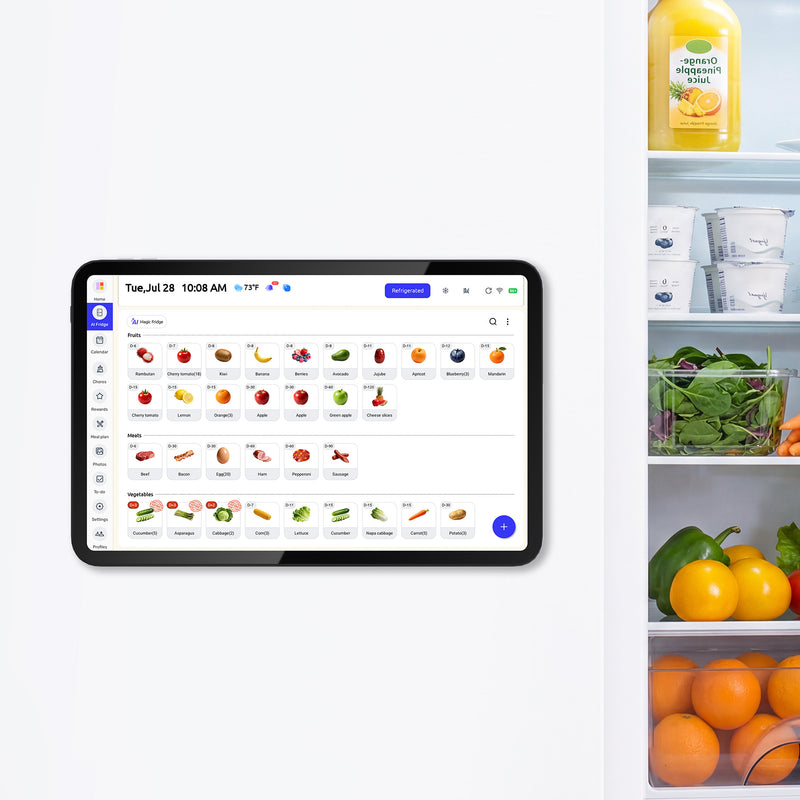
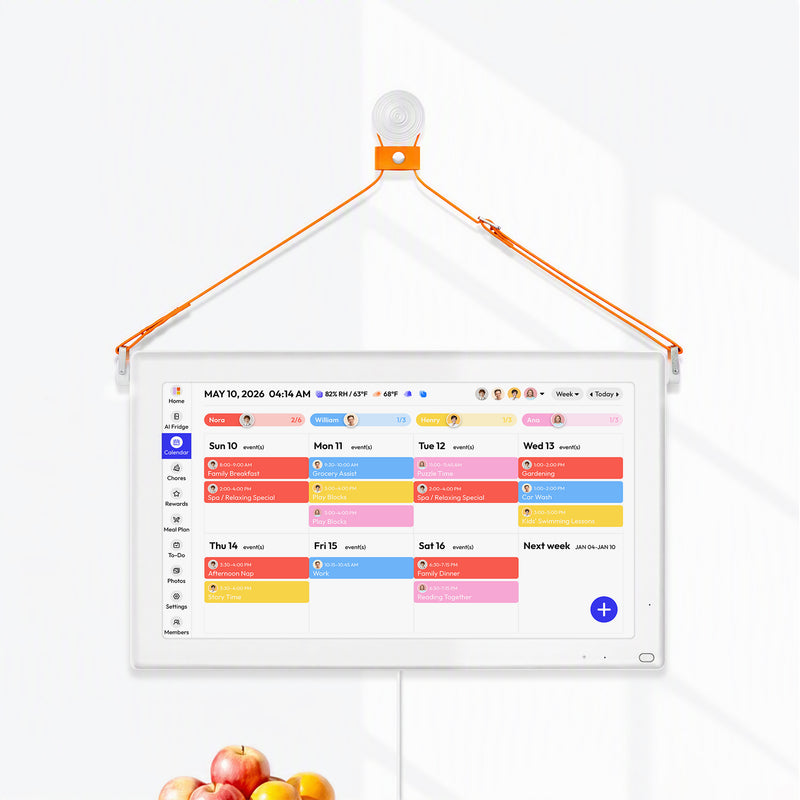
One practical example is Everblog, a 21.5-inch digital family wall calendar that combines shared scheduling, chores, meals, media, voice entry, and Google Calendar sync in one display, with no subscription according to the publisher information provided for this article.
Setup that actually sticks
Start small. Don't try to build the perfect family operating system on day one.
Set up the essentials first:
- Sync the main calendars your household already uses.
- Add only the recurring tasks that create the most conflict.
- Place the device where people naturally pause, not where you hope they will.
- Use one naming style for events so the screen is easy to scan.
- Review it together for a few minutes each day until checking it becomes habit.
Common Questions About Digital Calendar Clocks
Can I sync calendars I already use
Usually, yes. Many family-focused displays are designed to pull in existing calendar data rather than make you rebuild everything from scratch. If your household runs on Google Calendar, syncing that first is usually the easiest path. This guide on how to sync with Google Calendar shows the kind of process buyers should expect from a modern family display.
Do I need a subscription
Not always. Some devices use a one-time purchase model, while others place certain planning tools behind ongoing fees. This is worth checking before you buy, especially if you want the display to become a long-term household system instead of another monthly bill.
Are these hard for non-technical family members
They shouldn't be. The good ones feel intuitive because the main interaction is visual. You walk by, glance, and understand the day. If a device requires constant troubleshooting or too much menu digging, families stop using it.
Are digital calendars accurate enough for serious scheduling
Yes. Modern digital calendars rest on a long chain of timekeeping progress. The NIST history of ancient calendars and timekeeping notes that Sumerians used a calendar about 5,000 years ago, and later milestones included Christiaan Huygens' 1656 pendulum clock, which improved accuracy to less than 10 seconds per day. Today's devices inherit that long tradition of structured, standardized timekeeping.
What's the biggest mistake families make
They expect the device to fix weak habits on its own. A digital clock with calendar is a tool, not a substitute for deciding what belongs on the family schedule and who is responsible for maintaining it. Once those basics are clear, the display becomes far more effective.
If your family is tired of juggling paper notes, text chains, and half-remembered plans, Everblog is one option built specifically for shared household coordination. It brings schedules, chores, meals, and family routines into one visible wall hub so everyone can see the same plan and move through the day with less friction.


