
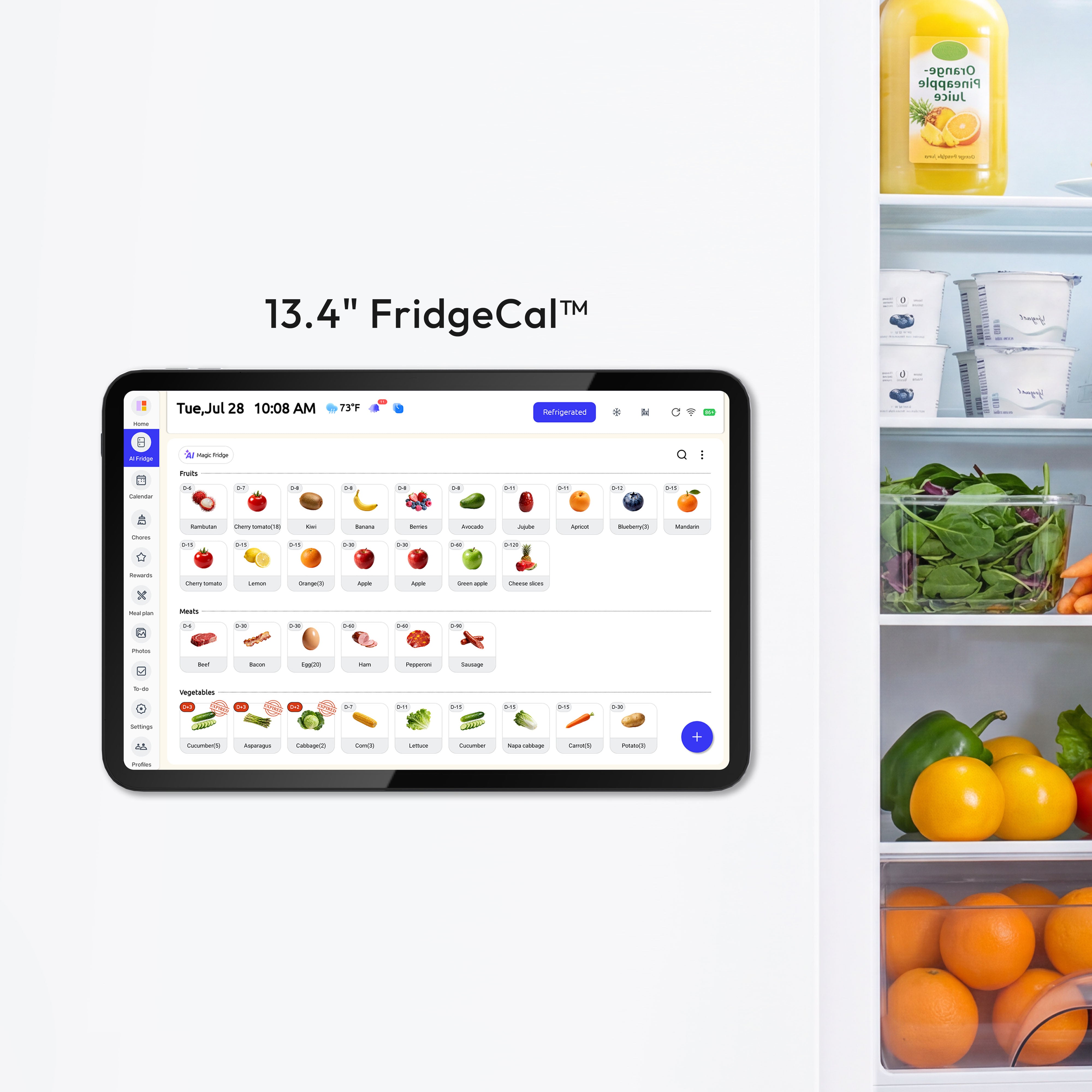
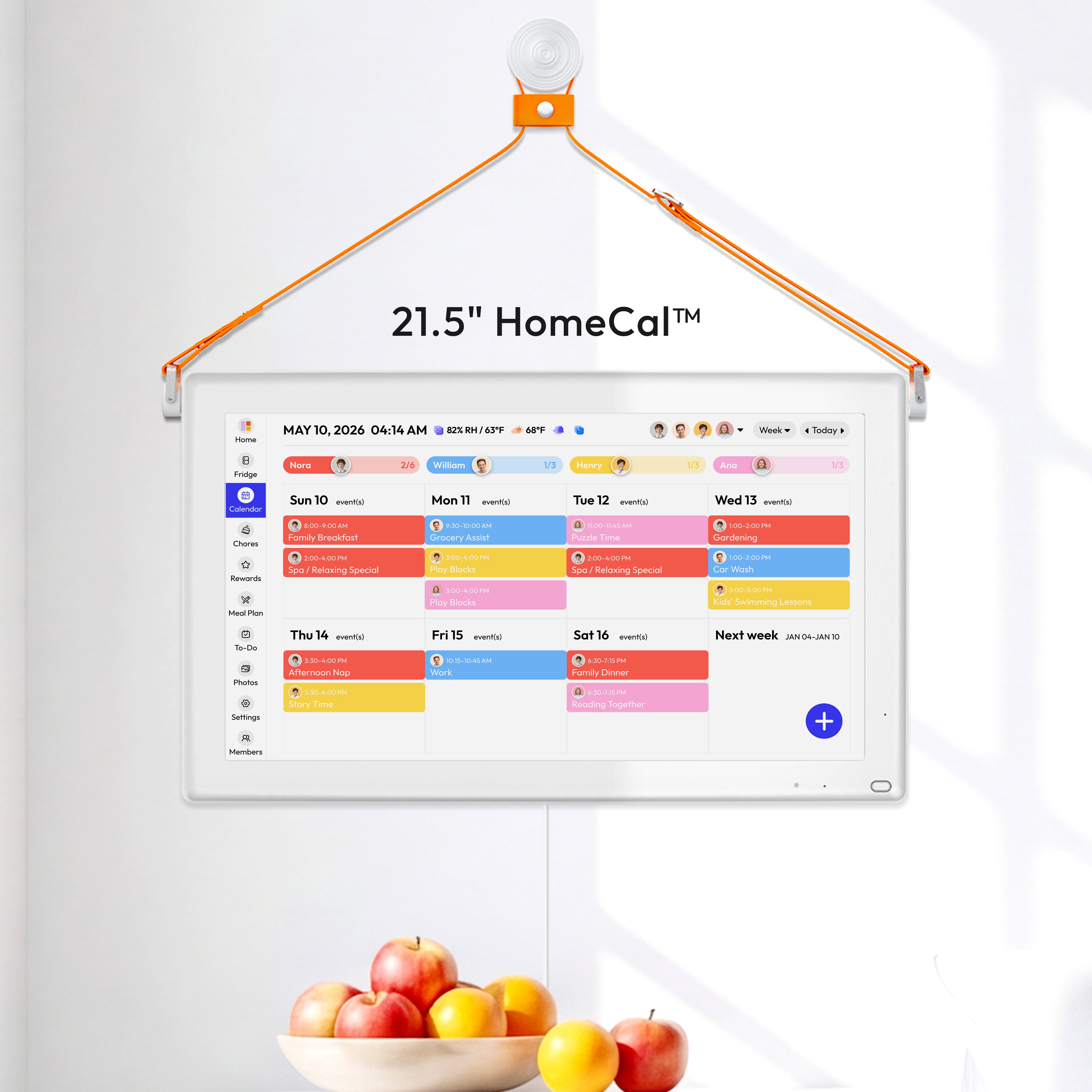

An electronic chore chart is really just a digital command center for your family's household tasks. Instead of a paper chart that gets ignored on the fridge, it's an interactive hub where you can assign, track, and reward chores using an app or a shared device. The whole point is to make the process clearer and, honestly, a lot more engaging for everyone.
Moving Beyond Sticky Notes and Nagging

Let's be real—the old system of paper charts, sticky notes, and constant "Did you do it yet?" reminders is broken. It's a recipe for parental burnout and kid resistance, turning what should be simple teamwork into a daily power struggle.
This is where an electronic chore chart completely changes the dynamic.
When you move all those responsibilities to a central digital hub like Everblog, the job of "chore police" disappears. It’s no longer just Mom or Dad nagging. Instead, the family is working together from a single source of truth that everyone owns.
Creating a Transparent System
The real magic of a digital system is its transparency. There are no more arguments about who was supposed to unload the dishwasher because it’s right there on the shared calendar for everyone to see. That visibility creates a natural sense of fairness and accountability.
A good electronic chore chart helps you:
- Establish Clear Expectations: Everyone knows exactly what their job is, which cuts out the guesswork and excuses.
- Automate Reminders: Gentle, impartial notifications from an app replace the need for you to be the bad guy.
- Track Progress Visibly: Kids get a real kick out of seeing their completed tasks stack up. It’s a huge motivator.
This simple shift helps build independence, teaches real life skills, and seriously reduces the daily friction in a busy house. It lays the groundwork for a home that feels more like a team.
An electronic chore chart isn’t just a to-do list; it's a communication tool. It transforms the conversation from "Did you do your chores?" to "Let's check our family hub to see what we need to get done today."
The Growing Demand for Family Hubs
This move toward digital organization isn’t just a passing phase. Electronic chore charts and digital family calendars are part of the booming digital planners market, which was valued at an estimated USD 3.578 billion in 2025.
That number is expected to grow as more families look for better ways to coordinate their chaotic lives. With North America leading the charge, companies are focused on creating features that modern households desperately need—especially shared visibility. You can explore more insights about the digital planners market to see just how fast it's growing.
This is exactly why all-in-one family hubs that combine chore charts with calendars and meal planners are becoming the new standard for an organized home.
How to Assign Chores That Build Real Skills

A good chore system does more than just keep the house from falling into chaos—it builds real competence and a genuine sense of contribution. The secret is matching tasks to your child's developmental stage, turning a simple to-do list into a powerful learning tool.
This is where an electronic chore chart really shines. It lets you easily assign, rotate, and adjust tasks as your kids grow, so the challenge always feels just right.
Forget generic lists like "clean your room." We want to move beyond that and think about the specific skills we're trying to build. This approach helps cultivate true independence and makes chores feel meaningful instead of like busy work.
The first step? Get everyone on board. Before you start assigning anything, hold a quick "family kickoff meeting." This isn't a lecture; it's a brainstorming session. When kids have a say in the new system, they take ownership, which is the magic ingredient for making it stick.
Matching Chores to Your Child's Age
Assigning the right chore at the right time is everything. Overwhelm a little one with something too complex, and you'll get frustration. Under-challenge a teen, and they'll feel patronized. You’re looking for that sweet spot where a task is manageable but still requires them to learn and grow.
To help you get started, here’s a quick breakdown of age-appropriate chores that build skills along the way. Think of these as a starting point—you know your child best!
Age-Appropriate Chore Ideas for Your Family
| Age Group (Years) | Example Chores | Skills Developed |
|---|---|---|
| Toddlers (2-3) | • Put toys in a bin • Place dirty clothes in a hamper • Help wipe up small spills |
• Sorting & Categorizing • Following Simple Directions • Basic Motor Skills |
| Preschoolers (4-5) | • Help set the table (napkins, plastic cups) • Water a designated plant • Match clean socks |
• One-to-one correspondence • Responsibility for a living thing • Pattern Recognition |
| Early Elementary (6-8) | • Help pack their own lunch • Take out recycling/compost • Feed the family pet |
• Planning & Independence • Household Contribution • Consistency & Routine |
| Upper Elementary (9-11) | • Load or unload the dishwasher • Make a simple breakfast • Take the trash cans to the curb |
• Following multi-step processes • Basic Kitchen Safety • Time Management |
| Teens (12+) | • Cook one simple family meal a week • Do their own laundry start-to-finish • Help with grocery planning or shopping |
• Life Skills & Budgeting • Self-Sufficiency • Advanced Planning |
Remember, this is a ladder. As kids master one set of skills, they become ready for the next rung. The goal is to build them up, not burn them out.
For an even bigger list of ideas for every stage, our guide on chore chart ideas for kids has you covered.
The most effective chore isn't just a task; it's a lesson in disguise. Assigning chores by age helps kids build a ladder of skills, with each new responsibility serving as a rung toward greater independence.
An electronic chore chart makes this whole process feel dynamic and alive. You can start your five-year-old with sorting socks and, a few years later, easily update their profile to include folding and putting away their own clothes. This adaptability is key—it ensures the system grows with your family, always providing the right level of challenge to keep them engaged.
Getting Your Digital Chore Chart Up and Running
Switching to an electronic chore chart should feel like a win, not another complicated project you have to manage. The good news is, getting a family hub like Everblog set up is surprisingly fast. You can realistically go from opening the box to having a fully running system in under an hour.
It starts with the easy part: just plug it in and connect it to your home Wi-Fi. The screen will light up and walk you through creating the main account. From there, you're ready to start building your family's new digital home base.
Creating Profiles for Everyone
Your first real task is giving everyone in the family their own profile. This is more than just typing in names; it's about making the system feel personal.
Assign each person their own color so their chores and appointments pop on the shared calendar. For the little ones who can't read yet, you can even add a photo or a fun avatar to their profile. It’s a small touch, but it immediately gives everyone a sense of ownership. Suddenly, it’s not just a generic to-do list—it’s their space, too.
Adding and Assigning Chores
With your family’s profiles ready, it’s time to jump into the Chore Manager. This is where you’ll start adding all those tasks you brainstormed together. Don't stress about getting it perfect on day one—you can always tweak, add, or remove chores as you go.
Here's how simple it is to get your chore chart loaded up:
- Add Your Tasks: You can type chores in using the touchscreen, or even better, use the voice entry feature to add them on the fly. Just say, "Add 'feed the dog' to the chore list," and it's done.
- Assign an Owner: Tap on a chore and assign it to one or more family members. You can set "Take out the trash" to your teenager for every single week.
- Set It and Forget It: For daily habits like "Make your bed" or weekly duties like "Water the plants," set them to repeat automatically. This set-it-and-forget-it feature is the real magic that frees you from the constant nagging.
Your new electronic chore chart becomes the impartial manager of the house. It handles the reminders and tracks what’s done, shifting that responsibility from you to the system itself. This creates a whole new level of consistency and cuts down on the "But I thought you were doing that!" arguments.
Features like voice entry and automatic updates are exactly why these devices are so effective. Market data shows they significantly reduce daily friction and boost task completion in busy households. It's also why many of the best-selling 15-27" displays are priced in an accessible USD 150–$300 range—they hit that sweet spot of affordability and powerful functionality. Learn more about how these features drive family tech adoption.
The whole point is to build a system that runs itself. And because you can manage everything from the companion app on your phone, you have a flexible tool that truly works for you. All these pieces come together to create a clear, automated workflow that becomes your new digital family command center.
Designing a Reward System That Truly Motivates

Let's be honest: motivation is the engine that keeps any chore system from falling apart after a week. While a simple allowance has its place, a smart electronic chore chart goes way beyond just handing out cash. It turns chores from a drag into a more engaging, game-like experience where effort is directly tied to a payoff.
The idea is to gamify the process just enough to keep kids invested. Using a built-in Rewards Tracker, like the one in Everblog, you can lean on digital points, achievement badges, and progress bars that celebrate consistency. You'd be surprised how powerful those little visual wins are for keeping kids on track.
Building a Reward Menu They Actually Want
Here's the secret: a motivating system is built on rewards your kids genuinely care about. This is where a customizable "reward menu" comes in, and it's a game-changer. Sit down with your kids and actually brainstorm a list of things they can "buy" with the points they earn.
This simple act of creating it together gives them a sense of control and makes the rewards feel that much more valuable.
- Experience-Based Rewards: These are often the most powerful and memorable. Think a one-on-one ice cream trip with a parent, picking the Friday night movie, or having a friend over for a sleepover.
- Privilege-Based Rewards: Extra screen time is a classic for a reason. But you can also offer things like staying up 30 minutes later on a weekend or getting a one-time "chore-free" pass.
- Tangible Rewards: This could be a small toy from the dollar store, a new book, or saving up points for that bigger Lego set they’ve been eyeing for months.
Mixing it up teaches valuable lessons about saving and delayed gratification. If you want to get the mechanics just right, it’s worth digging into the basics of understanding reward psychology.
The best reward systems don't just celebrate completion; they celebrate effort. When a kid sees their points stack up after a full week of making their bed without being asked, it reinforces the habit—and that's the first step toward building real, intrinsic motivation.
The Power of Digital Content and Gamification
This reward-based approach isn't just a parenting hack; it's part of a massive trend. The global digital content market—which includes things like gamified badges and sticker packs—was forecast to hit USD 35.22 billion in 2025. This shows a huge appetite for these kinds of interactive experiences, especially within family-focused tech.
For an electronic chore chart, this means features like digital rewards aren't just a fun add-on. They tap into what kids already find engaging, creating a system that sticks.
By linking hard work to positive, meaningful outcomes, you're not just getting the chores done. You're helping your kids build a healthier, more positive relationship with responsibility. To dive deeper, check out our full guide on creating a chore chart reward system that fosters long-term success.
Making the System Work for Your Family

There's no such thing as a "normal" family, so your chore system shouldn't be a one-size-fits-all solution. The beauty of a good electronic chore chart is its flexibility. It needs to bend to fit your family’s unique shape, whether you’re a single parent juggling it all or co-parents coordinating across two homes.
Ultimately, the goal is to make life easier, not to add another complicated thing to your to-do list.
Think of a central hub like Everblog as your family's command center. It’s a communication tool that gets everyone on the same page and working as a team, no matter how your family is structured. That shared visibility is what makes it click.
For Single Parent Households
When you're a single parent, efficiency is the name of the game. You're often the one and only adult managing schedules, appointments, and keeping the house running. This is where automation isn't just a nice-to-have; it's a lifesaver.
An electronic chore chart helps you delegate and empower your kids to step up and become more self-sufficient.
Here’s how to make it a game-changer:
- Automate the Nagging: Set up recurring schedules for daily must-dos, like packing school bags or feeding the dog. This takes a huge chunk of the mental load off your plate. You no longer have to be the "reminder-in-chief."
- Empower True Independence: Assign chores that directly smooth out the roughest parts of the day. Imagine a kid who's responsible for setting out breakfast bowls and spoons the night before. That simple task can completely change the tone of a frantic morning.
For Blended Families and Co-Parenting
In blended families or co-parenting situations, the biggest hurdles are almost always fairness and communication. Keeping things consistent across two homes can feel like an impossible task. This is where a digital chart that syncs with a mobile app becomes absolutely essential.
A shared hub gives everyone a single source of truth for chores and schedules. It short-circuits the classic "But at Dad's house, I don't have to do that!" argument before it even starts. When both homes are synced to the same system, you're presenting a truly united front.
A shared electronic chore chart is more than a task list; it’s a bridge between two homes. It ensures kids have consistent expectations and gives parents a clear, neutral platform for communicating about household responsibilities.
For Homeschooling Families
Homeschooling families have this amazing opportunity to weave chores and life skills right into their learning rhythm. Responsibilities aren't just something to get done after school—they can be part of school.
Think about it this way:
- Connect Chores to Curriculum: A cooking chore is a hands-on lesson in fractions and following instructions. Tending a small garden teaches biology basics. Managing a grocery budget is an introduction to financial literacy.
- Use the Chart for Schoolwork, Too: Why not add academic tasks like "Complete today's math lesson" or "Read for 30 minutes" right alongside "Empty the dishwasher"? This helps kids see their entire day's responsibilities—both home and school—in one organized place.
By tweaking your digital chart to fit your specific family dynamics, you turn it from a simple organizational tool into a personalized system that genuinely supports the way your household runs.
Common Questions About Electronic Chore Charts
It’s totally normal to have a few questions before bringing a new piece of tech into your family's routine. Making sure it will actually work for your life is the most important part. Let's dig into some of the most common concerns I hear from parents, so you can feel confident this is the right move for you.
"Will This Just Mean More Screen Time?"
This is hands-down the biggest worry for most of us, and it's a completely valid one. We’re all trying to cut down on screen time, not add more.
But a wall-mounted digital chart is designed to be a quick-glance tool, not an entertainment device. Think of it like checking the clock on the wall or glancing at the thermostat. Kids walk up, see what they need to do, tap a task to mark it complete, and walk away.
By putting everything in one central spot, it can actually reduce how often everyone needs to pull out their phones to check schedules or ask what’s next. It’s all about streamlining the family logistics, not creating another black hole of passive screen consumption.
"What Happens If the Wi-Fi Goes Out?"
Great question. While the main hub on your wall does need power and an internet connection to sync everything in real-time, your whole system doesn't just shut down.
The best chore chart platforms, including Everblog, are built around a cloud system that’s always syncing with a companion app on your phone. That means your family calendar, chore lists, and all that progress are still right there in your pocket, running on its own cellular data.
Once your power or Wi-Fi comes back on, the wall device just syncs up with whatever’s in the cloud. You won't lose a thing.
An electronic chore chart is an investment in household peace. It automates the reminders, tracks the progress, and manages the rewards, freeing you from the mental load of being the family project manager.
"Is It Really Worth the Cost Over a Paper Chart?"
I get it—a paper chart is free. But the real cost of that paper chart is your time, your sanity, and the daily friction it causes.
Think about all the constant reminders, the arguments over what was really done, and the manual chore of tracking allowances. An electronic chore chart handles all of that for you. For most families, the one-time cost of a device without a subscription is a small price to pay for the huge drop in nagging and the visible rise in their kids' independence.
"How Do I Get a Reluctant Teenager on Board?"
The magic word with teenagers is autonomy. Don't present this as just another way for you to watch over them. Frame it as a tool for their independence.
Get them involved in the setup from the very beginning. Let them have a real say in choosing their rewards, setting up their own task reminders on the app, and even helping decide what a fair division of chores looks like.
When they see how the shared calendar gives them a clear view of everyone’s schedule—letting them plan their social life around family commitments—it starts to feel less like a chore chart and more like a long-overdue upgrade to the family's operating system.
Ready to bring some calm and clarity to your family's routine? Discover how the Everblog digital family wall calendar can transform how you manage your household. Learn more about Everblog today!


