

Let’s be honest: modern family life is a beautiful, chaotic juggling act. Between school projects, soccer practice, work deadlines, and just figuring out what's for dinner, the mental load can feel crushing. We've all been there, staring at a fridge plastered with sticky notes, scrolling through a dozen group texts, and trying to decipher a paper calendar that’s three weeks out of date. It’s supposed to help, but it often just adds to the confusion.
So, what’s an electronic daily planner? Think of it less as another gadget and more as your family’s dedicated command center. It’s a central hub that pulls all those scattered pieces of information—the schedules, the chore lists, the reminders—into one single, easy-to-read place for everyone.
From Family Chaos to Coordinated Calm

The old way of running a household is completely fragmented. Dad’s work appointments are in his phone, the school sends event dates via email, and the chore chart is a crumpled piece of paper on the wall. This mess is why we have missed appointments, double-bookings, and that all-too-familiar "Oh, I didn't know that was today!" panic.
An electronic daily planner fixes this by becoming the single source of truth for the entire family. No more guesswork.
When you bring every schedule, task, and reminder into one shared space, you eliminate the constant back-and-forth. It’s a simple change that lays the foundation for a much more peaceful and organized home.
Just look at the numbers. The market for digital planners is expected to hit $7,047.01 million by 2033, a huge leap from $2,549.73 million in 2021. This isn't just a trend; it's a reflection of families everywhere searching for a better way. In fact, some studies show these tools can slash the time spent on household coordination by up to 25% for families with busy schedules.
To see what this really looks like in practice, here’s a quick comparison of life before and after a central planner.
Household Management Before and After a Central Planner
| Area of Life | The Old Way (Scattered Notes & Apps) | The New Way (Central Electronic Planner) |
|---|---|---|
| Scheduling | Conflicting calendars, missed appointments, and constant texting to confirm plans. | A single, color-coded calendar that everyone can see and update. |
| Chores & Tasks | Paper charts that get ignored or lost; endless verbal reminders. | A digital checklist with clear assignments and real-time progress updates. |
| Meal Planning | Last-minute "What's for dinner?" scrambles and forgotten grocery items. | A weekly meal plan with an automatically generated shopping list. |
| Communication | Key information gets lost in group chats, emails, and passing comments. | One central place for all family announcements, reminders, and updates. |
The difference is night and day. What was once a source of daily friction becomes a seamless, automated flow that keeps the whole family in sync.
A Central Hub for Every Family Member
A true family planner isn't just for Mom to manage. It’s a collaborative tool that empowers everyone. Kids can see their responsibilities, partners can add their appointments on the fly, and everyone stays on the same page, effortlessly.
Bringing this kind of order to family life is a game-changer for reducing stress, much like a good checklist provides an organized welcome for a new baby. By replacing the chaotic scramble with a clear, shared vision, you pave the way for a more connected and cooperative family.
What Is a Modern Electronic Daily Planner?
Let's clear something up. When you hear "electronic daily planner," it’s easy to picture just another calendar app on your phone. But that’s not what we’re talking about here.
Think of it more like your family’s digital command center. It's the modern-day equivalent of that big, messy bulletin board in the kitchen, but smart, organized, and always up-to-date for everyone. It’s designed to be the one place your family turns to for answers, finally putting an end to the daily chaos.
Most of us are cobbling together a system that barely works. We’ve got appointments in a mobile calendar, a separate app for the grocery list, and a dozen text threads just to figure out who’s picking up the kids from practice. It kind of works, but it's exhausting. You’re constantly switching between apps, and important stuff always seems to fall through the cracks.
An electronic daily planner is different. It’s not just another app you have to remember to check. It's a dedicated, always-on hub that pulls every moving part of family life into one shared, easy-to-read display.
This is what separates a true family planner from the productivity tools made for individuals. Your phone apps were built for one person. A real household planner is built for a team—your family.
More Than a Calendar, It’s a Command Center
Sure, a calendar is at the heart of it. But a truly modern planner builds so much more on top of that foundation. It pulls together all the things you’d normally use separate apps or paper lists for, making them work together seamlessly.
Imagine your family’s schedule, your kids' chores, and your weekly meals all living in the same place, all perfectly in sync.
A dedicated electronic daily planner brings these key pieces into a single view:
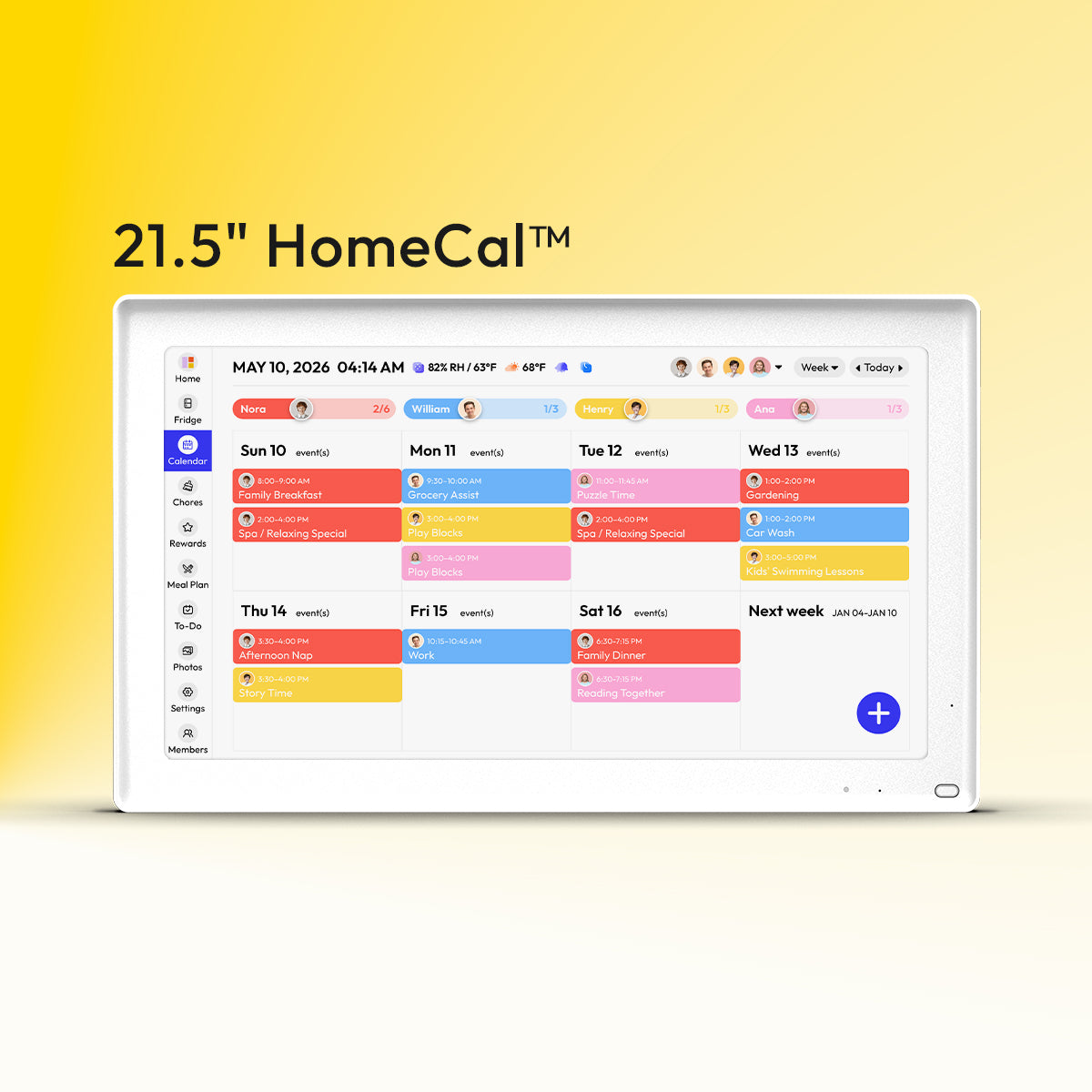
- A Shared, Color-Coded Calendar: See everyone’s schedule at a glance—from soccer games to dentist visits—and stop double-booking for good.
- An Integrated Chore Manager: Assign tasks, see who’s done what in real-time, and even set up a simple rewards system to keep the kids motivated.
- A Smart Meal Planner: Map out your dinners for the week and watch as it automatically creates a shopping list that anyone in the family can add to.
- A Centralized Message Board: Leave important reminders or just a sweet note where it’s guaranteed to be seen, not buried in a group chat.
This all-in-one approach means you spend less time trying to manage all your different tools and more time just living. To see just how much a shared schedule can change things, take a look at our essential guide to a digital family calendar. It’s all about turning scattered bits of information into coordinated family action.
The Power of a Single Source of Truth
Ultimately, the goal of an electronic daily planner is to create one reliable place for everyone to get information. When your son asks, "What's for dinner?" he can just look at the planner. When you and your partner want to schedule a date night, you can spot any conflicts instantly.
It cuts out the constant nagging and follow-ups that add so much to the mental load parents carry. Research shows the average person makes around 35,000 decisions a day, and for parents, a huge chunk of those are purely logistical.
By centralizing and automating this information, you get so much of that mental energy back. Your family can finally shift from being reactive and chaotic to proactive and coordinated.
It’s the features that turn a cool gadget into the command center of your home. These aren’t just flashy add-ons; they’re tools designed to solve the real logistical headaches that every busy parent knows all too well. This is about more than just another app—it’s about finding an all-in-one system where every part works together to bring a little sanity back to your day.
When you have the right features, you’re not just getting convenience. You’re changing how your family communicates and works together. Suddenly, everyone can see what’s going on, kids can take on more responsibility, and you get to reclaim the mental energy you used to spend juggling a dozen different things at once. Let's look at the features that really move the needle.
The Power of a Shared Calendar
The heart of any great family planner is a shared, color-coded calendar. This isn’t just for tracking dates; it's about creating one central, undisputed source of truth for your family's life.
Think about a typical Tuesday: your partner adds a last-minute work dinner, your daughter’s soccer practice moves to a new time, and you have a dentist appointment. Instead of a chaotic string of text messages, everyone sees those updates pop up in real-time, with each person’s events in their own distinct color.
That immediate clarity puts an end to double-bookings and the frantic "but nobody told me!" moments. It’s the difference between reacting to chaos and getting ahead of it. The ability to sync with other calendars is also a game-changer. For instance, you can easily pull in work or school schedules by following our guide on how to sync Everblog with your Google Calendar.
A Chore Manager That Actually Motivates
Let’s be honest: getting kids to do chores is an age-old battle. Paper charts get ignored, and constant verbal reminders just sound like nagging after a while. A digital chore and reward manager completely flips the script.
With a tool like this, you can:
- Assign tasks digitally so there’s never any confusion about who’s supposed to do what.
- Track progress in real-time when kids mark their chores as "done" from a phone or tablet.
- Build real motivation with a rewards system, where finishing tasks earns points toward a goal they actually care about, like more screen time or a trip for ice cream.
This approach makes chores feel less like a drag and more like a game. It’s a fantastic way to teach kids about accountability and teamwork without the daily power struggle.
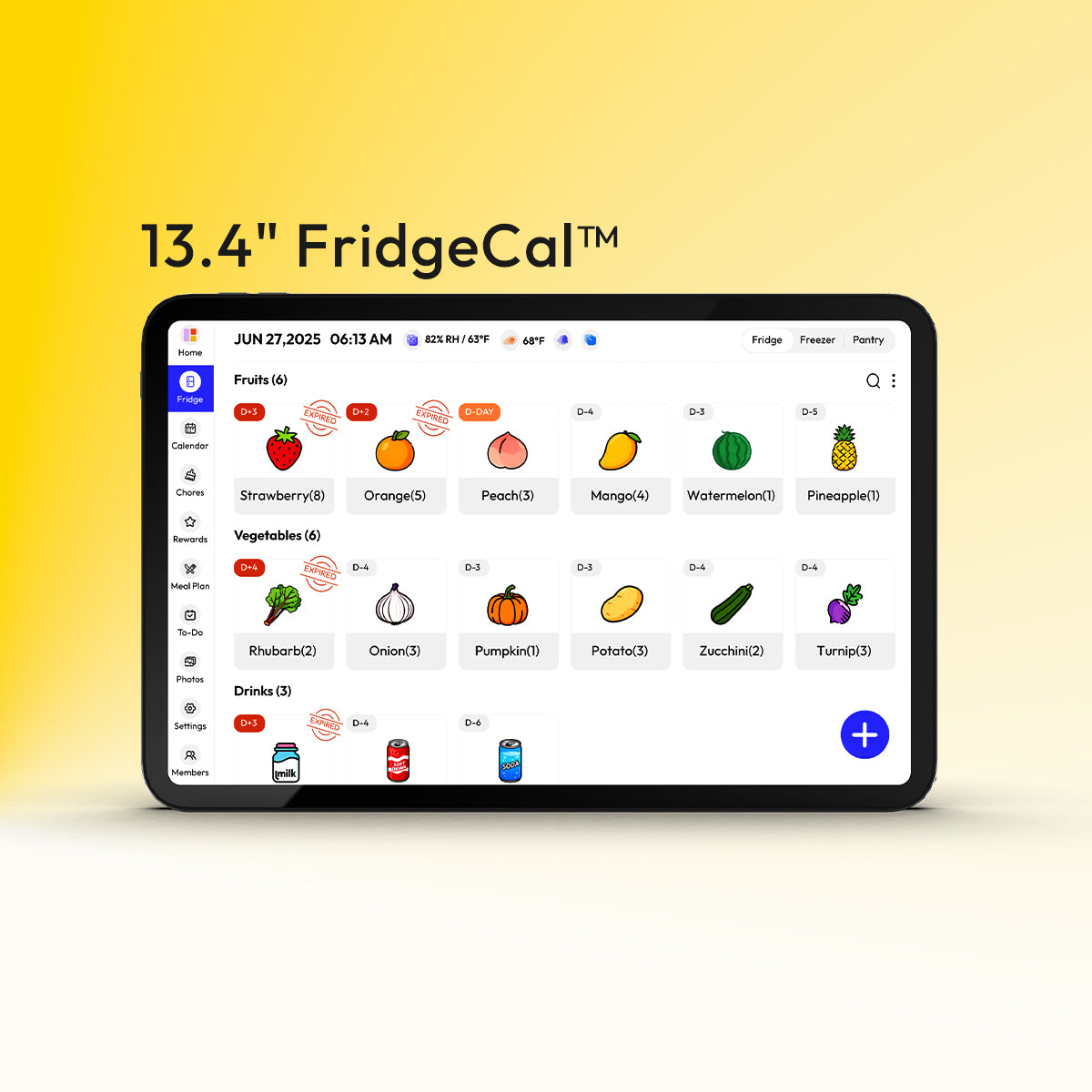
This is where you can see how an electronic planner brings everything together, connecting your family’s schedules, tasks, and meals into a single, cohesive system.

It’s this seamless integration that makes a tool like this so powerful—it’s not just a collection of separate apps, but a true command center for your home.
Streamlined Meal Planning and Shopping
That daily "what's for dinner?" question can be surprisingly draining. A planner with a built-in meal planner and grocery list offers a simple, powerful solution.
You can map out your meals for the entire week right on the calendar. As you add recipes or meal ideas, the ingredients automatically transfer to a shared shopping list. Then, anyone in the family can add milk, eggs, or snacks to the list from their own phone, making sure nothing gets missed during the next grocery run.
This one feature saves a ton of time, helps cut down on food waste, and puts an end to those expensive, last-minute takeout nights. It smooths out one of the most repetitive and demanding parts of running a household.
Voice Entry for Hands-Free Management
As a parent, you rarely have two free hands. That’s what makes voice entry an absolute must-have. While you're wrestling with groceries or helping with homework, you can just say, "Add 'buy milk' to the grocery list" or "Remind us about the bake sale on Friday."
Voice entry closes the gap between thinking of something and actually writing it down. It ensures those important reminders and to-dos get captured on the spot, without interrupting the flow of your life.
This hands-free capability might seem like a small thing, but it has a huge impact on how usable the planner is day-to-day, making it feel like a natural part of your home.
Building Your Family's Daily Routines

An electronic daily planner is more than just a fancy gadget; it’s a tool that truly shines when you weave it into the rhythm of your family’s day. To really get the most out of it, you need to build simple, repeatable routines around it.
Think of it less as another screen to check and more as the silent partner that keeps everyone moving in the same direction. The secret is creating small, consistent habits that make glancing at the planner second nature for the whole family. A few key touchpoints throughout the day turn it into the single source of truth, cutting down on chaos and the endless "what are we doing today?" questions.
The Morning Kickstart Routine
Imagine starting your day with everyone on the same page instead of scrambling in different directions. That's the "Morning Kickstart"—a quick, five-minute huddle by the planner before anyone heads out the door. It’s a chance for the whole family to see the day’s schedule at a glance, from Mom’s afternoon meeting to the kids' soccer practice.
During this quick huddle, you can:
- Confirm the Day's Schedule: Point out key events on the calendar, like dentist appointments or playdates, so there are no surprises later.
- Review Key Tasks: Give a quick heads-up on important to-dos, like "Don't forget your library books!" or "Pack gym clothes for practice."
- Check the Weather: A peek at the forecast helps everyone grab the right coat, preventing that last-minute scramble for a raincoat when you're already late.
This simple ritual sets a proactive, organized tone for the day. It’s this kind of coordination that transforms a simple app into a true digital family command center.
The After-School Chore Check-In
We all know that time after school can quickly turn into a battle over chores versus screen time. The "After-School Chore Check-in" flips this potential conflict zone into a moment of clear accountability.
When the kids get home, their first stop is the planner to see what chores they have for the day. Once they finish a task, they mark it as complete—giving you a real-time update you can see from anywhere. It creates a simple, fair "work before play" system that everyone understands.
This routine gives kids a real sense of ownership over their responsibilities. They can see their own progress and understand that finishing their tasks is what unlocks their free time.
And for parents? It means no more nagging. Instead of asking, "Did you walk the dog yet?" for the fifth time, you can just glance at the planner. That visual check-in builds trust and helps foster independence.
The Weekend Meal Prep Session
Ah, the dreaded "What's for dinner?" question. A "Weekend Meal Prep" routine turns this weekly source of stress into a fun, collaborative family activity. Sometime over the weekend, gather everyone around the planner to map out the upcoming week's meals.
Let the kids have a say in what they'd like to eat—they'll be far more excited about dinner time. As you add meals to the planner, the ingredients automatically show up on the shared grocery list. Throughout the weekend, anyone can add other items they notice are running low, like milk or snacks.
This small planning session has huge payoffs. It makes grocery shopping a breeze, cuts down on food waste, and gets rid of the daily mental gymnastics of figuring out what to cook. For families with little ones, having this kind of structure is a lifesaver, whether it's for meal planning or managing a consistent newborn sleep schedule.
Capturing Life on the Fly with Voice Entry
Family life is messy and unpredictable. The best ideas and most urgent reminders always seem to pop up when your hands are full. This is where voice entry becomes a game-changer.
Juggling groceries? Just say, "Add apples to the grocery list." Stuck in traffic? You can add, "Schedule parent-teacher conference" without taking your eyes off the road.
This hands-free ability makes sure no brilliant thought or critical reminder gets lost in the shuffle. It allows your planner to adapt to the reality of your life, capturing tasks and ideas the moment they happen.
The Real Benefits Beyond Simple Organization
Sure, an electronic daily planner is great for keeping schedules straight and tasks in order. But its real magic isn't just about what's on the calendar—it's about what happens between the appointments and chores. The biggest wins are emotional. It’s about creating a calmer, more connected family, not just a more efficient one.
Think of it as a shift from just managing logistics to actually improving your home’s atmosphere. When a planner becomes a central hub for everyone to see, it does more than just share information. It subtly changes how your family works together, building accountability, teaching life skills, and most importantly, lifting that invisible mental load so many parents carry.
Reducing Parental Mental Load
You know that constant, running list in the back of your mind? The one that tracks toothpaste levels, remembers whose turn it is to take out the trash, and anticipates the next school project deadline? That’s the "mental load," and an electronic planner is the single best way to lighten it.
By getting all those details out of your head and onto a shared display, you free up so much mental energy. The planner becomes the family's shared brain, so you no longer have to be the keeper of all knowledge. It lets you be more present with your kids instead of being distracted by the non-stop hum of household management.
The goal isn't just to get things done; it's to reduce the energy spent remembering to get things done. This is how you reclaim your focus for what truly matters—connecting with your family.
This is especially true for co-parents and blended families. It's no surprise that 55% of co-parents now rely on shared digital calendars to stay in sync, a huge jump from just 30% before 2020. This shift highlights the need for a true family command center. In fact, 62% of users say they’ve given up on apps that require subscriptions, preferring a single, all-in-one solution. You can explore more of these digital planner app market trends and see how family needs are changing.
Teaching Children Life Skills and Accountability
A shared planner is more than a to-do list; it's one of the best hands-on tools for teaching kids the skills they'll need for life. It makes concepts like time management, responsibility, and follow-through real and tangible.
When a child sees their own tasks on the family calendar—and gets to mark them as "done"—they learn a simple but powerful lesson. It’s no longer just a reminder from you; it’s a personal responsibility they can see and own.
Look at the developmental wins here:
- A Sense of Ownership: Seeing their name next to a chore gives them a real feeling of belonging and importance on the family team.
- Building Accomplishment: With a digital rewards tracker, they can see their hard work pay off, which builds self-esteem and a solid work ethic.
- Future-Ready Skills: They're learning how to manage a schedule and balance duties with fun—skills that are invaluable as they grow up.
Fostering Deeper Family Connection
At the end of the day, getting organized is really just the first step toward a better connection. When your family is on the same page, you get rid of so many of those little daily frustrations. Fewer arguments about who forgot what, less panic over a missed appointment, and way less time spent nagging.
That newfound calm opens up space for more positive moments. Instead of spending your evening asking about homework for the third time, you can actually talk about your day. A media hub can even turn the planner into a family scrapbook, displaying your favorite photos.
An electronic daily planner isn't just an investment in technology; it's an investment in a happier, more peaceful home.
How to Choose the Right Family Planner
Picking the right electronic planner for your family isn't about chasing the longest feature list. It’s about finding a tool that actually fits into your home and makes your day-to-day life genuinely easier.
To get it right, you need to cut through the marketing noise. Let’s walk through a few critical questions that will point you toward a solution that truly works for a busy household.
First, let's talk money. Are you signing up for a one-time purchase or a recurring subscription? Many digital services lock you into monthly or annual fees that can really add up. A single-purchase device like Everblog is a much more predictable investment, giving you every feature—now and in the future—without any surprise costs down the road.
A Device or Just Another App
Next, think about where this planner will live. Is it just another app that’s going to get lost on your phone, fighting for your attention with a dozen other notifications? Or is it a dedicated, always-on device that becomes the command center for your home?
The real power of a shared family planner comes from being seen. When everyone can see the day's schedule at a glance in a high-traffic spot like the kitchen, it becomes part of your family's rhythm. An app buried on a phone just can’t offer that same shared, central experience.
Family-First Features
Not all digital planners are built with families in mind. Before you pull the trigger, you have to ask if it was designed for the chaos of parenthood and the needs of kids.
- Does it have a chore and reward manager? A great family planner moves beyond a simple to-do list and gives you tools to motivate your kids and teach responsibility.
- How does it handle meal planning? Look for a system with an integrated meal planner that automatically creates a shared grocery list. It’s a huge time-saver.
- Is it actually fun for the family? Little touches, like a media hub that displays family photos, can turn a simple utility into something that brings everyone together.
The best solution is one that is built from the ground up to solve family problems. It should feel less like a productivity tool and more like a helpful member of the household.
Finally, what happens when you need help? You want to know there’s solid customer support and a real warranty backing up your purchase. Knowing a team is ready to help you get set up or sort out a problem offers incredible peace of mind. Choosing an electronic planner is an investment in a calmer, more organized home—so make sure you pick one that’s truly designed to deliver on that promise.
Frequently Asked Questions
It's totally normal to have a few questions before you bring a new piece of tech into your home. Let's walk through some of the big ones we hear from families just like yours. The answers show why a dedicated family hub is a world apart from just another app.
Is This Hard for Non-Tech-Savvy People to Use?
This is probably the number one worry we hear, especially when grandparents or young kids are part of the daily mix. And here’s the great news: a good electronic planner is designed to be easier than a phone. Think of it less like complicated software and more like a smart, interactive family bulletin board.
The best ones use big, clear text and simple icons. Because it’s an always-on display sitting in a central spot like your kitchen, no one has to hunt for an app, log in, or fiddle with menus. The day's schedule is just there for everyone to see. Adding a new event is as simple as a quick tap on the screen.
A great family planner is built for the least tech-savvy person in the house. If your seven-year-old and your seventy-year-old can both use it without a fuss, it’s a winner.
Why Not Just Use a Free Calendar App on My Phone?
We get it. Free calendar apps are great for one person. But for a family? They just don't work. Your schedule lives on your phone, your partner's is on theirs, and the kids have no idea what’s happening. All that separation is exactly why you get missed appointments and endless "Are you sure we don't have anything on Saturday?" texts.
An electronic daily planner fixes this by creating one central place for everything. Its biggest advantage is constant visibility. The always-on screen makes the family schedule a natural part of your home's background. You don't have to remember to check an app; the information is just there, keeping the entire family in sync without anyone even trying.
How Does This Handle Privacy and Data Security?
Your family's privacy is everything. Any electronic planner worth its salt will treat your data with the highest level of security, using encryption to protect all your schedules, to-do lists, and personal notes. Unlike many free apps that make their money selling your data to advertisers, a dedicated device you buy outright usually comes with a much stricter privacy promise.
Your information should only be used to make the service work for your family, period. It's a closed system, making sure your meal plans, chore lists, and doctor's appointments stay completely private and secure within your own home.
Ready to turn your family’s chaos into coordinated calm? Everblog brings all your schedules, chores, and meal plans into one beautiful, easy-to-use hub.


