






Running a household often feels like a never-ending cycle of tasks. But what if we viewed chores not as a burden, but as a powerful tool for teaching responsibility, building life skills, and fostering family teamwork? This guide moves beyond simple to-do lists to provide strategic examples of chores categorized to fit your family's unique needs. We'll explore how to effectively integrate tasks into your daily life, creating a system that works for everyone.
Inside, you will find detailed lists of chores broken down by room, age appropriateness, and difficulty level. We provide a tactical breakdown of how to assign, track, and even reward tasks, turning household duties into a clear system of shared responsibility. You'll gain practical insights into managing everything from kitchen cleaning and laundry to yard work and pet care.
This resource is designed to be immediately actionable. It includes sample chore chart entries you can copy and paste, helping you build a structured routine. By exploring these categorized examples of chores, you can transform the daily grind into an organized, cooperative effort that makes your home calmer and more connected. We'll analyze ten key areas of household management to help you turn chaos into predictable, cooperative living.
1. Chore Assignment & Rotation
At its core, chore assignment and rotation is a system for distributing household tasks fairly among family members. Instead of one person being permanently stuck with a disliked task, responsibilities cycle on a regular basis. This method is foundational for teaching accountability and ensuring all members contribute to home upkeep. It’s one of the most effective organizational examples of chores management because it builds a broad range of life skills and prevents resentment.
How It Works
The system can be adapted to any family structure. You might use a weekly rotation where one child manages kitchen cleanup for a week, then swaps with a sibling responsible for taking out the trash. Another approach is an age-tiered system where younger children handle simple tasks like sorting their toys, while older teens take on more complex duties like meal prep or deep cleaning bathrooms. For a collaborative twist, you can pair a younger child with an older one on a single chore, promoting teamwork.
Strategic Insight: The primary goal of rotation isn't just getting work done; it's about skill development and shared ownership. By rotating chores, you ensure every child learns how to do everything, from loading a dishwasher correctly to cleaning a toilet.
Actionable Tips for Implementation
- Visualize the System: Use a physical or digital chart to clearly display who is responsible for what and when the next rotation occurs.
- Establish Clear Cycles: Define the rotation period, whether it's weekly, bi-weekly, or monthly, so everyone knows what to expect.
- Set Realistic Expectations: Define what "done" looks like for each chore to avoid arguments. You can learn more about creating a visual guide with our detailed breakdown on how to create a family chore chart.
- Review and Adjust: Check in monthly to see what's working. Is a chore too difficult for one child? Is the rotation schedule causing conflicts? Be flexible.
2. Meal Planning & Grocery Shopping Coordination
This chore system integrates the strategic planning of weekly menus with coordinated grocery shopping. By combining these two tasks, families can reduce food waste, save money, and lessen daily decision fatigue. It transforms mealtime from a daily stressor into a planned, collaborative effort, making it one of the most impactful examples of chores for household efficiency.

How It Works
This system involves the whole family in the process. A typical approach is a Monday planning session where everyone votes on dinners for the week. The resulting menu directly informs a collaborative grocery list; parents might add proteins and pantry staples while kids add approved snacks. Incorporating themed nights like Taco Tuesday or Pasta Wednesday simplifies decision-making even further and gives everyone something to look forward to.
Strategic Insight: The true value of this chore is teaching financial literacy and resource management. By planning meals around sale items and existing pantry stock, children learn firsthand how to budget and minimize waste.
Actionable Tips for Implementation
- Create a Flexible Template: Build a weekly meal template that includes a mix of reliable family favorites and slots for new recipes.
- Shop with a List: Stick to the pre-planned grocery list to avoid impulse buys that inflate your budget and lead to food waste.
- Check Sales Flyers: Before finalizing the menu, review local store circulars and adjust your plan to take advantage of sales on produce or protein.
- Prep Ahead: Assign age-appropriate prep tasks to children over the weekend, such as washing vegetables or measuring ingredients, to streamline weeknight cooking. Explore our guide on meal planning for busy families for more ideas.
3. Kitchen Cleaning & Dish Management
A systematic approach to kitchen cleanliness is one of the most critical daily examples of chores. It covers everything from post-meal dishwashing and counter sanitization to weekly appliance upkeep and floor care. Since the kitchen is a high-traffic area, establishing a consistent routine prevents pest issues, reduces the risk of foodborne illness, and keeps the space functional and pleasant for everyone.

How It Works
Kitchen management can be broken down into small, assignable tasks. For daily maintenance, you can divide post-dinner duties: one child clears the table, another loads the dishwasher, and a third washes pots and pans. Alternatively, a rotating schedule can assign one person to all dish-related tasks for a specific night or week. For deeper cleaning, assign a weekend task like scrubbing the sink and wiping down appliance fronts to a specific family member on a cyclical basis.
Strategic Insight: The key to kitchen chore success is breaking down a large, overwhelming zone into manageable micro-tasks. This prevents burnout and makes it easier for children of all ages to contribute effectively.
Actionable Tips for Implementation
- Establish a 'Clean as You Cook' Rule: Encourage family members to wash prep tools and wipe spills immediately to prevent major buildup.
- Keep Supplies Accessible: Store cleaning sprays, sponges, and towels under the sink in clearly labeled containers so no one has an excuse.
- Teach Proper Technique: Show kids how to load a dishwasher for maximum efficiency and how to safely clean different surfaces.
- Make it Engaging: Allow kids to listen to music, a podcast, or an audiobook while washing dishes to make the task more enjoyable.
4. Laundry Management & Clothing Care
Laundry management covers the complete cycle of handling clothes and linens, from sorting and washing to folding and putting them away. This ongoing household duty demands organization to prevent overwhelming piles and ensure everyone has clean items when needed. Treating it as a complete system is one of the most practical examples of chores because it teaches a multi-step life skill that every individual will use throughout their adult life.
How It Works
This system can be structured in several ways to fit a family's needs. A "distributed model" might require each person over age 12 to be responsible for their own laundry from start to finish. Alternatively, an "assembly line" approach works well for younger families, where one person washes, another folds, and a third puts clothes away. For teens, a daily rotation can be effective, with one person running a load before school and finishing the task in the afternoon.
Strategic Insight: The goal extends beyond just clean clothes; it's about teaching responsibility for personal belongings and understanding the process of care. When children manage their own laundry, they become more mindful of how many clothes they use.
Actionable Tips for Implementation
- Establish a Schedule: Decide on a consistent routine, such as daily light loads or a designated weekend "laundry day," to create predictability.
- Color-Code Hampers: Use different colored or labeled hampers for whites, darks, and towels to make sorting simple and fast for everyone.
- Teach Stain Treatment: Show everyone how to treat stains immediately. Keep supplies in an accessible spot near the hampers or washing machine.
- Create a Folding Standard: Teach one simple, standard method for folding common items like t-shirts and pants to keep drawers and closets tidy.
5. Bathroom Cleaning & Sanitation
Bathroom cleaning and sanitation is a non-negotiable routine for maintaining a healthy home environment. This chore involves regularly cleaning toilets, sinks, showers, floors, and mirrors to prevent the buildup of germs, mold, and mildew. Given that bathrooms are high-traffic, shared spaces, establishing a consistent cleaning system is one of the most important examples of chores for teaching hygiene and household responsibility.
How It Works
The approach can be tailored to your family's size and children's ages. A common method is assigning a full bathroom deep-clean to one teen on a weekly basis, making it their sole responsibility for that weekend. Alternatively, you can split duties: one person handles a daily wipe-down of sinks and counters, while the deeper scrubbing of toilets and tubs rotates among family members weekly. In a multi-bathroom home, assigning one bathroom to each child to maintain can also be very effective.
Strategic Insight: The core objective is to frame bathroom sanitation not just as a cleaning task, but as a crucial health practice. It teaches children that cleanliness is a form of respect for oneself and the family members who share the space.
Actionable Tips for Implementation
- Create a Checklist: Define what "clean" means by creating a checklist for the bathroom. Include tasks like "scrub toilet bowl," "wipe mirror," and "empty trash can."
- Keep Supplies Accessible: Store all necessary cleaning products (ideally child-safe ones) in a caddy directly within the bathroom to remove any excuses for not starting the chore.
- Teach Proper Technique: Show children how to clean safely and effectively. This includes using proper ventilation, like running an exhaust fan during and after cleaning, and which products to use on which surfaces.
- Set a Clear Schedule: Designate a specific day and time for the deep clean, such as every Saturday morning, so it becomes a predictable part of the family routine.
6. Bedroom Tidying & Personal Space Organization
This chore involves the regular maintenance of individual bedrooms, including making beds, organizing personal items, and removing clutter. Teaching children to care for their own space instills a sense of pride and establishes foundational organization habits. Unlike shared areas, bedroom management empowers children to customize their environment while still meeting basic cleanliness standards. It's one of the most personal examples of chores, linking responsibility directly to a child's own domain.
How It Works
This system centers on individual accountability rather than a shared rotation. Daily tasks might include making the bed and clearing the floor, while weekly duties could involve a more thorough tidy-up. You can implement a simple system where the child is fully responsible for their room, with a parent conducting a brief check-in once a week. For a more structured approach, you can schedule seasonal decluttering sessions where parents support children in sorting through clothes, toys, and belongings.
Strategic Insight: The main goal is to cultivate ownership and autonomy. By allowing children to decide how to organize their drawers or arrange their shelves, you teach them problem-solving and decision-making within a controlled environment.
Actionable Tips for Implementation
- Define the Baseline: Set clear, non-negotiable standards, like a made bed and a clear floor, but allow flexibility on other aspects.
- Teach a Method: Introduce a simple organizing system, like the KonMari method's "keep what sparks joy" or "a home for everything."
- Use Vertical Space: Incorporate shelves and under-bed containers to maximize storage and make it easier for kids to put things away.
- Establish a "One In, One Out" Rule: To prevent clutter from accumulating, teach children that for every new item that comes in, one must go out.
7. Living Room & Common Area Maintenance
The ongoing care of shared living spaces, like family rooms and dens, is a crucial household responsibility. This category of chores includes tidying, vacuuming, dusting, and managing the inevitable clutter from daily life. Maintaining these common areas is critical because they often form the first impression for guests and significantly influence the family's daily mood and stress levels. It's one of the most visible examples of chores that showcases a family’s collective effort.
How It Works
This system focuses on consistent, manageable efforts rather than infrequent, overwhelming cleaning marathons. One effective method is assigning a daily 15-minute "family reset" after dinner, where everyone pitches in to put away items, fluff cushions, and straighten up. Another approach is rotating responsibility, where one person is in charge of the living room's upkeep for the week. For bigger tasks, a family can dedicate a specific time, like Sunday evening, for a full "reset" to prepare for the week ahead.
Strategic Insight: The goal is to maintain a baseline of order that prevents shared spaces from becoming chaotic. This approach shifts the mindset from reactive cleaning to proactive maintenance, making the home feel consistently more peaceful and organized.
Actionable Tips for Implementation
- Implement a Daily Reset: Use a timer to make a 15-minute tidy-up feel like a quick, focused game for the whole family.
- Create "Elsewhere Baskets": Place a basket in the common area for items that belong in other rooms. Family members can then easily grab the basket and return things to their proper homes.
- Define Specific Roles: To avoid confusion, assign micro-tasks during clean-up time. One person can be on remote control and electronics duty, another on magazines and books.
- Schedule Deeper Cleans: Use a calendar or app to schedule weekly tasks like vacuuming high-traffic areas or dusting surfaces, ensuring they don't get overlooked.
8. Yard Work & Outdoor Maintenance
Yard work and outdoor maintenance involve the ongoing care of a home’s exterior spaces, from mowing the lawn to seasonal projects like raking leaves. These tasks are essential for maintaining property value, preventing pest issues, and keeping your home’s curb appeal high. They also represent fantastic examples of chores that teach practical skills and physical responsibility, often providing an opportunity for family bonding in an outdoor setting.
How It Works
This category of chores can be organized by season, skill level, or project type. For instance, you could assign weekly lawn mowing to a capable teen while younger children are tasked with weeding a garden bed or raking clippings. Seasonal projects offer another approach; one person might be responsible for spring cleanup and planting, while another handles fall leaf removal. A family project model, where everyone dedicates a Saturday morning to yard work with assigned roles, can be highly effective for big tasks.
Strategic Insight: The key to success with outdoor chores is matching the task to the person's ability and teaching safety first. This isn't just about getting the lawn mowed; it's about building competence with tools, understanding seasonal cycles, and taking pride in one's home environment.
Actionable Tips for Implementation
- Assign Age-Appropriate Tasks: Younger children can handle raking, watering plants, or pulling weeds, while older teens can be taught to safely use equipment like lawnmowers and trimmers.
- Create a Seasonal Plan: Outdoor chores vary by season. To manage this effectively, consider using a lawn care schedule template to map out tasks for spring, summer, and fall.
- Prioritize Safety: Before assigning any task involving tools, provide clear instructions and establish safety rules. Supervise until you are confident in their ability to work independently.
- Combine Work and Fun: Frame yard work as productive family time. Put on some music, plan a fun activity for afterward, and work together to make the experience more enjoyable.
9. Pet Care & Animal Responsibilities
Beyond simple tasks, pet care instills profound lessons in compassion, consistency, and accountability. Assigning responsibilities for a family pet transforms daily duties into valuable life lessons about caring for another living being. These tasks, from feeding and walking to grooming and cleanup, are excellent examples of chores that teach children the real-world consequences of their actions and the importance of routine.

How It Works
The system is highly adaptable to a child's age and the pet's needs. For younger children, tasks might include refilling a water bowl or giving a daily treat. Older children and teens can graduate to more involved duties like daily walks, cleaning a litter box or cage, or even coordinating vet appointments. You can assign tasks on a rotating basis, such as one child handling morning feeding and another the evening meal, or give a teen complete ownership of one pet’s daily care to build independence.
Strategic Insight: The core objective is teaching empathy and reliability. Unlike a forgotten toy, a pet’s needs are immediate and non-negotiable. This direct feedback loop reinforces the importance of consistent care and responsibility for another's well-being.
Actionable Tips for Implementation
- Assign by Ability: Match tasks to a child's age, maturity, and physical strength. Never assign a task they cannot safely or effectively complete.
- Create Clear Checklists: Post a detailed checklist for each pet, outlining feeding amounts, walk times, and grooming needs to prevent confusion.
- Provide Proper Training: Before assigning duties, teach children proper animal handling and task execution. For comprehensive guidance on canine hygiene, learn how to groom your dog at home.
- Establish Non-Negotiable Rules: Make it clear that pet care is a mandatory responsibility, not an optional one. Set clear consequences for neglect that reinforce the chore's importance.
10. Family Schedule Coordination & Calendar Management
In modern families, managing schedules is a significant administrative task that often goes unrecognized as a chore. Family schedule coordination involves the centralized management of all commitments, from school and work to appointments and social events. Treating this as a formal chore ensures that one person isn't silently carrying the mental load of organizing everyone's lives. It's one of the most important administrative examples of chores because it prevents conflicts, reduces stress, and fosters collective awareness.
How It Works
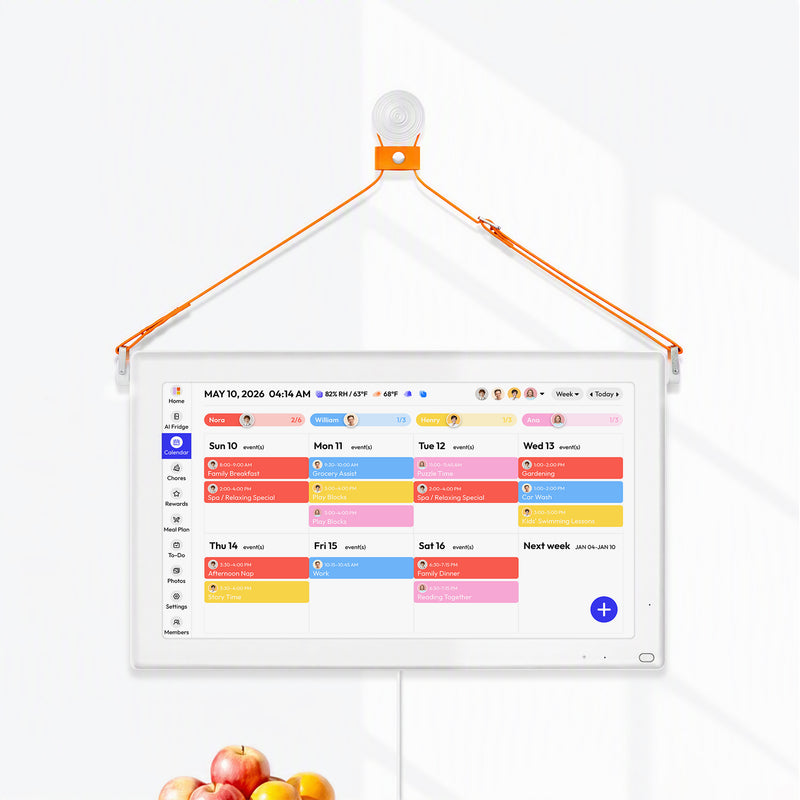
This system centers on a single, shared source of truth for all family activities. A common method is a centralized digital calendar that all members can access and update. The process can be supported by a weekly sync meeting, perhaps on Sunday evening, to review the upcoming week’s appointments and plan transportation. Some families assign a specific person, like a teen, to manage a subset of the schedule, such as extracurricular activities, teaching them valuable planning skills.
Strategic Insight: The goal is to distribute the mental labor of planning, not just to list events. When schedule management is a shared responsibility, it teaches foresight, time management, and consideration for how one person's commitments affect the whole family.
Actionable Tips for Implementation
- Create a Central Hub: Use a shared digital calendar as the definitive source for all events. No activity is official until it's on the calendar.
- Color-Code for Clarity: Assign a different color to each family member or activity type (e.g., green for school, blue for sports) for quick visual scanning.
- Establish Weekly Reviews: Hold a brief meeting each week to identify potential conflicts, confirm transportation, and ensure everyone is prepared.
- Define Responsibilities: Assign a primary calendar manager or rotate the duty to share the load. To see how this works in practice, you can get more details on setting up a digital family calendar.
10 Household Chores Comparison
| Chore | Implementation Complexity 🔄 | Resource & Time ⚡ | Expected Outcomes ⭐📊 | Ideal Use Cases 💡 | Key Advantages ⭐ |
|---|---|---|---|---|---|
| Chore Assignment & Rotation | Medium — set rules, enforce rotations 🔄 | Low ongoing — scheduling time weekly ⚡ | Fair workload; skill progression; fewer disputes ⭐📊 | Families with multiple members; teaching responsibility | Equitable distribution; accountability; predictable rotations ⭐ |
| Meal Planning & Grocery Shopping Coordination | Medium–High — menu planning + coordination 🔄 | Moderate — planning time + grocery budget ⚡ | Reduced waste & cost; consistent nutrition; less daily decision fatigue ⭐⭐📊 | Busy households; budget-focused families; special diets | Saves time/money; improves nutrition; collaborative input ⭐ |
| Kitchen Cleaning & Dish Management | Low–Medium — routine tasks, enforcement 🔄 | Moderate daily time; cleaning supplies ⚡ | Cleaner, safer cooking space; pest/contamination prevention ⭐📊 | High-use kitchens; families with young children | Visible cleanliness; teaches hygiene; easy task division ⭐ |
| Laundry Management & Clothing Care | Medium — multi-step process & staging 🔄 | High — repeated time, space, equipment needs ⚡ | Reliable clean clothing supply; life-skill development ⭐📊 | Large families; teens learning independence | Distributable steps; teaches self-sufficiency; reduces chaos ⭐ |
| Bathroom Cleaning & Sanitation | Low–Medium — routine + periodic deep clean 🔄 | Moderate — cleaning supplies and weekly effort ⚡ | Improved hygiene; mold/odor prevention; clear completion points ⭐⭐⭐📊 | Shared bathrooms; health-conscious homes | Critical for health; obvious results; easy checklisting ⭐ |
| Bedroom Tidying & Personal Space Organization | Low — individualized, habit-based 🔄 | Low — short daily tasks; occasional deep cleans ⚡ | Better sleep environment; autonomy; reduced clutter ⭐📊 | Teaching child independence; personal habit formation | Promotes ownership; low supervision once established ⭐ |
| Living Room & Common Area Maintenance | Low — daily quick resets and weekly upkeep 🔄 | Low–Moderate — frequent short efforts ⚡ | Welcoming shared spaces; lower household stress ⭐📊 | High-traffic homes; entertaining families | Immediate visible impact; shared responsibility ⭐ |
| Yard Work & Outdoor Maintenance | Medium — seasonal planning and physical tasks 🔄 | High — equipment, seasonal time commitment ⚡ | Improved curb appeal; property maintenance; outdoor skills ⭐⭐📊 | Homes with lawns/gardens; seasonal projects | Teaches practical skills; clear task completion; teamwork ⭐ |
| Pet Care & Animal Responsibilities | Low–Medium — daily non-negotiable routines 🔄 | Moderate — daily care + supplies and vet costs ⚡ | Consistent pet health; empathy & responsibility development ⭐📊 | Families with pets; teaching daily accountability | Clear routines with visible consequences; bonding opportunities ⭐ |
| Family Schedule Coordination & Calendar Management | High — continuous updates and integrations 🔄 | Low–Moderate — ongoing maintenance; device access ⚡ | Fewer conflicts; punctuality; reduced stress ⭐⭐⭐📊 | Busy, multi-activity families; carpool-heavy schedules | Centralized visibility; prevents double-booking; improves planning ⭐ |
Putting the Plan in Motion: From Chore Lists to Family Systems
We've explored a vast catalog of chore examples, from the daily upkeep of kitchen counters to the seasonal demands of yard work. But a list of tasks, no matter how comprehensive, is only the starting point. The real work lies in transforming these individual examples of chores into a living, breathing system that supports your family's unique rhythm. The goal isn't just a cleaner house; it's a more cooperative and functional home where responsibility is a shared value, not a constant source of friction.
By moving beyond simple lists, you begin to build a framework for family contribution. This framework turns the abstract idea of "helping out" into concrete, predictable actions. A child who knows that Tuesday is their day to take out the recycling and Saturday morning is for cleaning their room no longer needs constant reminders. They have a role, a purpose, and a clear understanding of how their efforts contribute to the well-being of the entire household.
From Ideas to Actionable Systems
The key to success is gradual implementation. Attempting to overhaul every aspect of your household management at once is a recipe for burnout and resistance. Instead, focus on creating small, sustainable wins that build momentum over time.
- Start with a Single Pain Point: Is the kitchen a constant disaster zone? Begin by implementing a rotating dish-washing or counter-wiping schedule. Are mornings chaotic? Focus on establishing a simple, repeatable routine for making beds and putting away pajamas.
- Prioritize Clarity and Visibility: The most common point of failure in any chore system is ambiguity. Vague instructions like "clean your room" lead to frustration. Instead, use the detailed examples from this article to define exactly what "clean" means for each task. A visual chore chart, a shared digital calendar, or a simple whiteboard in a common area makes assignments and deadlines visible to everyone, removing you from the role of sole project manager.
- Establish a Feedback Loop: Your family system is not static. It must adapt as children grow, schedules change, and new challenges arise. Schedule brief, regular check-ins, perhaps weekly or bi-weekly, to discuss what’s working and what isn’t. This gives everyone a voice and fosters a sense of shared ownership over the system itself.
The Long-Term Value of Shared Responsibility
Building a functional chore system is one of the most practical and impactful lessons you can offer your children. It teaches them essential life skills, from laundry management to basic sanitation, that they will carry into adulthood. More importantly, it instills a powerful sense of competence, accountability, and teamwork. When every family member understands their role and sees the direct impact of their contributions, you cultivate a home environment built on mutual respect and cooperation. The clean floors and organized closets are just a welcome bonus.
Ready to turn these lists and strategies into a clear, visible plan for your family? Everblog provides the perfect digital hub to assign tasks, track progress, and keep everyone on the same page. Create your family's central command center today at Everblog.


