






Becoming a mother for the first time is a monumental shift. It's a journey filled with incredible love, profound joy, and moments of feeling completely overwhelmed. While the constant stream of advice can be dizzying, the most valuable insights are the ones that are practical, empathetic, and actually work.
This guide cuts through the noise to provide actionable first time mom tips designed to bring more calm, confidence, and connection to your new life. Preparing for a baby's arrival involves more than just gathering supplies. To help you feel prepared and minimize last-minute stress, compiling an ultimate newborn essentials list can be incredibly beneficial. However, once your baby is here, the focus shifts to daily management and well-being.
We'll move beyond generic platitudes to focus on specific strategies for everything from postpartum self-care to building simple, sustainable routines that benefit the entire family. By focusing on smart organization and clear communication, you can reduce the mental load, reclaim precious time, and create a supportive home environment. This list offers concrete steps to help you thrive, not just survive, during this incredible chapter.
1. Create a Centralized Family Command Center
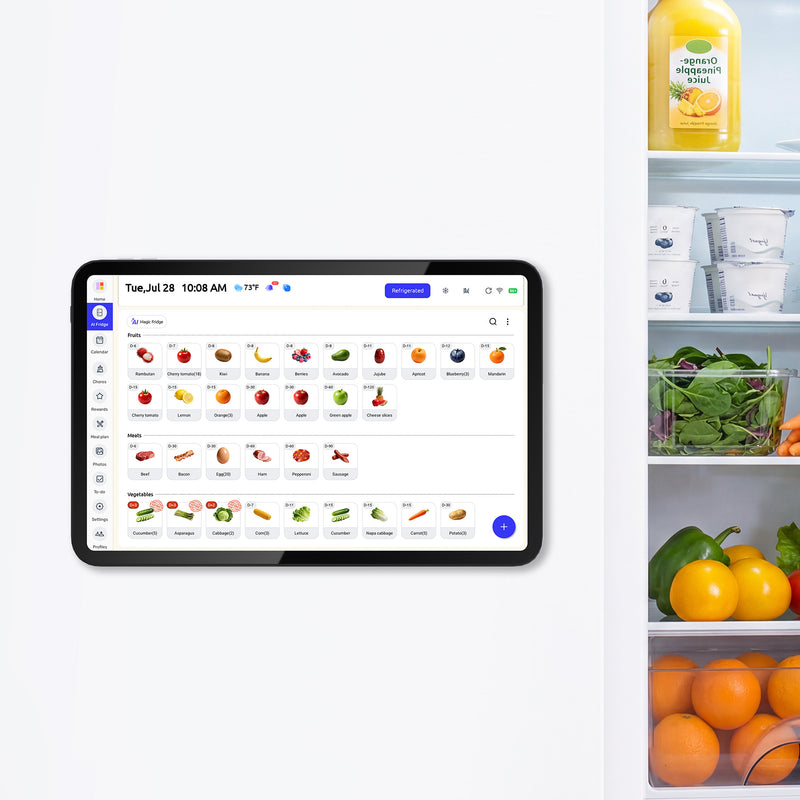
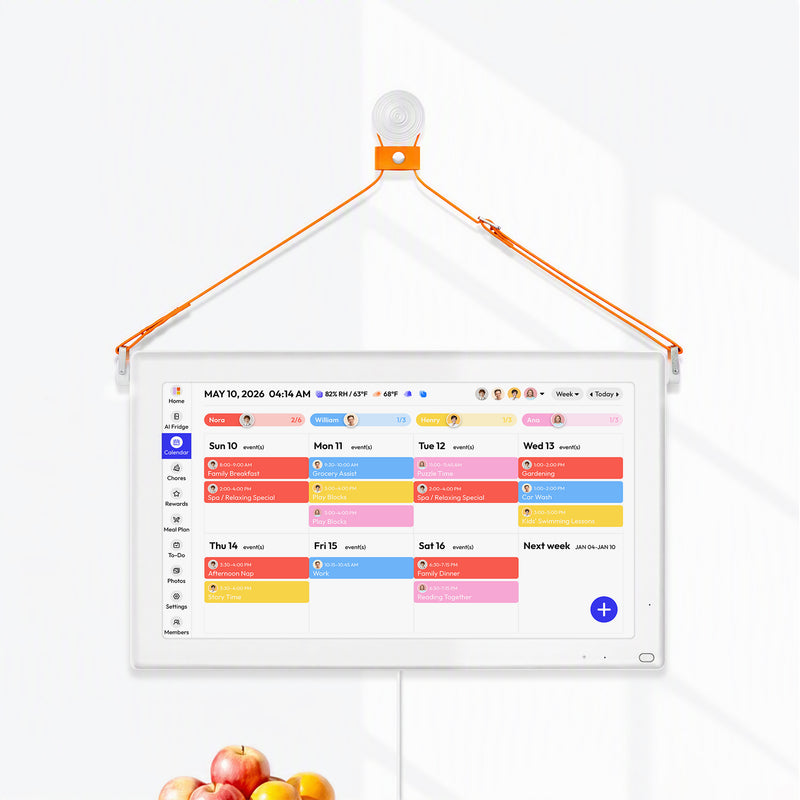
The constant juggle of appointments, feeding schedules, and household tasks can quickly become overwhelming for any new parent. One of the most effective first time mom tips is to establish a central command center. This is a single, visible hub where all family information, from schedules and meals to chores and shopping lists, is displayed and accessible to everyone. It eliminates the chaos of scattered notes, conflicting phone reminders, and miscommunications that can add stress to your day.

Whether you choose a large whiteboard, a smart display, or a dedicated app, the goal is to get everyone on the same page. This system brings clarity to your routine, ensuring your partner knows about the pediatrician appointment and you remember to pick up diapers. For example, busy households can coordinate work schedules and baby’s sleep times, while co-parents can easily manage shared responsibilities without constant back-and-forth texts.
How to Get Started
- Choose a High-Traffic Spot: Place your command center in the kitchen or entryway where it will be seen multiple times a day.
- Start Simple: Begin by tracking just the core essentials: feeding times, appointments, and work schedules. You can add more complex details like meal plans and chore charts later.
- Color-Code Everything: Assign a different color to each family member or type of activity (e.g., blue for appointments, green for meals) for quick visual recognition.
- Establish a Daily Check-in: Make it a habit to review the command center with your partner each morning or evening, even if just for a minute.
A well-organized hub makes delegation easier and gives you a clear picture of your day, which is an invaluable tool for a first-time mom. Building a digital family command center can further simplify this process.
2. Master the Art of Meal Planning to Save Time and Stress
The daily question of “What’s for dinner?” can feel exhausting, especially with a newborn. One of the most practical first time mom tips is to master the art of meal planning. Instead of making daily decisions, you plan meals weekly or bi-weekly. This strategic approach reduces decision fatigue, minimizes food waste, simplifies grocery shopping, and ensures you have nourishing meals ready to go.

A simple meal plan brings predictability to your week, freeing up mental energy for more important things, like your baby. For instance, families that adopt theme nights like Taco Tuesday or Pasta Friday find it significantly cuts down on meal-related decisions. It also allows you to prep ingredients on a single day, which is a huge help for busy weeknights.
How to Get Started
- Start with Core Recipes: Begin with just 5-7 simple, reliable recipes you can make confidently. You can expand your rotation as you get more comfortable.
- Plan Around Sales: Check grocery flyers and plan your meals around seasonal produce and sale items to save money.
- Build in Flexibility: Don't overschedule. Plan for one “leftover night” to use up extra food and one flexible night for takeout or a spontaneous meal.
- Involve Your Partner: Use a shared app or a physical calendar to plan meals together. This ensures everyone knows the plan and can help with shopping or cooking.
By dedicating a small amount of time to planning, you reclaim hours during the week and reduce stress. A solid plan is a foundational tool for any new mom looking to simplify her routine, and effective meal planning for busy families can make all the difference.
3. Establish Clear Chore Routines and Age-Appropriate Responsibilities
To avoid burnout and cultivate a supportive family dynamic, one of the most practical first time mom tips is to establish clear chore routines. This isn't about offloading all your work; it's about teaching accountability, building life skills, and creating a sense of shared contribution from an early age. Assigning specific, manageable tasks to family members reduces your workload and fosters a spirit of teamwork.

This system empowers everyone to take ownership of the household. For instance, a toddler can learn to put their toys in a bin, while a partner can be responsible for nightly kitchen cleanup. The key is consistency and clarity, which prevents confusion and resentment. As noted by parenting experts like Dr. Laura Markham, when children see their contributions as valuable, it boosts their confidence and sense of belonging.
How to Get Started
- Start Small and Simple: Begin with just one or two age-appropriate chores per person, such as putting away shoes or helping to set the table.
- Be Explicit with Expectations: Clearly define what "clean" looks like and when the task needs to be completed. Visual checklists are excellent tools for younger children.
- Use Anchors: Tie chores to existing daily events. For example, tidying up toys happens right before bath time, or loading the dishwasher happens right after dinner.
- Focus on Progress, Not Perfection: Celebrate the effort and completion of a task. The goal is to build a habit, and a little encouragement goes a long way.
A well-defined chore system helps distribute the mental and physical load of running a home, which is vital for a first-time mom. You can find inspiration and templates by exploring different chore chart ideas for kids.
4. Synchronize Family Schedules to Prevent Chaos and Missed Commitments
One of the most effective first time mom tips is to move beyond tracking your own appointments and create a single, unified family calendar. With a new baby, your household schedule instantly becomes more complex, adding pediatrician visits, feeding times, and sleep schedules on top of existing work meetings and personal commitments. A synchronized calendar acts as your family's single source of truth, preventing double bookings, missed appointments, and the mental load of trying to remember everything.
This system brings order to the natural chaos of family life. By making everyone’s schedule visible, you can proactively manage conflicts and coordinate responsibilities. For instance, working couples can see each other’s availability to better balance childcare duties, while blended families report significant reductions in scheduling conflicts by sharing a central calendar. It ensures everyone from your partner to a babysitter knows about the 2:00 PM doctor’s visit, eliminating last-minute confusion.
How to Get Started
- Establish a Weekly Review: Set aside a few minutes each Sunday to review the upcoming week's schedule with your partner. This helps align expectations and catch potential conflicts early.
- Use Consistent Color-Coding: Assign a specific color to each family member or category of event (e.g., yellow for baby, blue for work, red for appointments). This allows for quick visual scanning.
- Set Smart Alerts: Create automated reminders for 24 hours and 1 hour before any important event to keep things from slipping through the cracks.
- Share Access Widely: Grant calendar access to essential caregivers, such as grandparents or a nanny, so they are always informed of the family’s plans.
- Build in Buffer Time: Schedule buffer time between appointments and activities to account for travel, diaper changes, or unexpected delays.
5. Build a Sustainable Daily Routine That Reduces Morning and Evening Stress
The unpredictable nature of life with a newborn can leave you feeling drained and constantly reacting to the next demand. A key piece of advice among first time mom tips is to build a sustainable daily routine. Establishing predictable, consistent patterns for key parts of the day, such as mornings and bedtime, creates security for your baby and significantly reduces your own decision fatigue. Routines help you anticipate and manage your days more effectively, transforming chaos into calm.
This concept, championed by parenting educators and integrated into methods like Montessori, is about creating a gentle rhythm, not a rigid schedule. For example, a simple bedtime routine of a bath, a feeding, and a story can signal to your baby that it’s time to sleep, often improving sleep quality. As your child grows, a visual morning checklist can make getting out the door faster and with fewer conflicts. This structure provides a comforting and predictable framework for both you and your little one.
How to Get Started
- Start with One Routine: Focus on establishing a single routine first, like bedtime, before adding others. Master that one, then move on to mornings or feeding times.
- Prepare the Night Before: Set out clothes, prep bottles, or pack the diaper bag the evening prior to make mornings smoother.
- Build in Buffer Time: Add an extra 15 minutes into your routines to prevent feeling rushed when unexpected delays happen.
- Keep It Consistent: Try to maintain the core elements of your routines, even on weekends, to reinforce the pattern for your baby.
6. Practice Strategic Delegation and Ask for Help Without Guilt
The pressure to "do it all" is immense for new mothers, but attempting to manage every single task yourself is an unsustainable path toward burnout. One of the most important first time mom tips is to actively practice delegation and learn to accept help without feeling guilty. This means recognizing that you are not a superhero and that relying on your support system is a sign of strength, not weakness.
Sharing the load is essential for your mental health and the overall harmony of your household. Studies show that couples who equitably share household responsibilities report significantly higher marital satisfaction. Furthermore, mothers who delegate tasks report experiencing up to 40% less stress. It's not just about getting things done; it's about preserving your energy, modeling teamwork for your family, and creating a more balanced home environment.
How to Get Started
- Identify Your Drains: Pinpoint the top three tasks that drain your energy the most. Is it cooking dinner, doing laundry, or running errands? Start by asking for help with these specific items.
- Practice Your "Ask": It can feel awkward at first. Keep it simple with direct phrases like, "Could you please handle the baby's bath tonight?" or "Yes, thank you, I would love it if you could pick up groceries."
- Give Clear Instructions (But Accept Imperfection): Be specific about what you need done but let go of the need for it to be done exactly your way. The goal is completion, not perfection.
- Schedule Partner Check-ins: Set aside time each week to discuss the division of labor with your partner. This prevents resentment from building and keeps you both aligned on household needs.
7. Develop a System for Managing Important Documents and Medical Information
From birth certificates and social security cards to vaccination records and insurance policies, a new baby brings a surprising amount of paperwork. An essential first time mom tip is to create an organized system for these critical documents from day one. This proactive step prevents frantic searches before pediatrician appointments, during tax season, or in an emergency. A dedicated system ensures you can quickly access vital information when you need it most.
Having everything in one place saves significant time and reduces stress. For example, families with organized medical records can save hours annually on administrative tasks, and school enrollment is far faster when all necessary documents are readily available. This simple habit of organization gives you peace of mind, knowing you are prepared for both planned events and unexpected situations.
How to Get Started
- Go Hybrid: For maximum security, use both physical and digital storage. Keep original hard copies in a fireproof safe or folder, and scan digital copies to a secure, password-protected cloud service.
- Create a Medical Cheat Sheet: For each child, compile a one-page document with their full name, date of birth, blood type, allergies, current medications, and insurance details. This is invaluable for babysitters or in an emergency.
- Update Immediately: Make it a rule to update vaccination records right after an appointment. Scan and file the new record before you forget.
- Organize by Category: Use a binder with dividers or separate digital folders for categories like "Medical," "Legal," and "Financial" for each family member.
- Schedule an Annual Review: Set a yearly calendar reminder to review all documents, update any outdated information, and purge anything you no longer need.
8. Create a Communication System Between Co-Parents and Caregivers
Effective communication is the foundation of successful co-parenting and caregiving, yet it's often the first thing to break down under the stress of a new baby. One of the most important first time mom tips is to build a clear system for sharing information between yourself, your spouse, and any other caregivers like grandparents or a nanny. This system prevents dangerous miscommunications about feeding or medication and ensures your child receives consistent care and guidance from everyone involved.
Establishing this framework reduces parental stress by creating a unified front. For example, parents who maintain consistent discipline strategies often see improved child behavior, and coordinated healthcare decisions prevent confusion. The goal is to create a single source of truth for all of your child’s needs, which is especially critical for blended families or those with multiple caregivers. A shared system ensures everyone is on the same page regarding your parenting philosophy, discipline, and daily routines.
How to Get Started
- Schedule Weekly "Business Meetings": Set aside a specific time each week, without children present, to discuss schedules, upcoming needs, and any challenges with your co-parent.
- Use Shared Documents: Create a shared digital document or use an app for caregiving notes, listing preferences for feeding, sleep, and discipline so all caregivers have access to the same instructions.
- Discuss Core Values Early: Have an open conversation about your parenting philosophy, discipline approaches, and core values before disagreements arise.
- Divide Responsibilities: Clearly define who is responsible for what, such as scheduling appointments or managing daycare communications, to avoid overlap and confusion.
9. Protect Your Mental Health and Build Self-Care Into Your Schedule
The transition into motherhood is a massive emotional and physical shift, and it’s easy to put your own needs last. Protecting your mental health isn’t a luxury; it’s an essential part of being a present and patient parent. Maternal burnout is a serious risk, but intentionally scheduling time for self-care, stress management, and activities that recharge you is a powerful preventative measure. It’s the maintenance required to keep you healthy for yourself and your family.

Think of self-care as a non-negotiable appointment. Studies show that mothers who practice regular self-care report significantly less depression and anxiety. For instance, incorporating weekly exercise, even just a brisk walk, can noticeably reduce parenting stress. Caring for yourself directly enables you to better care for your baby, making these small breaks one of the most effective first time mom tips you can implement.
How to Get Started
- Schedule It Like a Meeting: Block out small pockets of time in your calendar for self-care, even if it's just 15 minutes. Treat this time as untouchable.
- Start Small and Realistic: Don’t wait for an entire free afternoon. A 10-minute solo walk, listening to a podcast during a feed, or a quick yoga session can make a huge difference.
- Connect with Other Moms: Find a support system of other new mothers. Sharing experiences provides validation, reduces feelings of isolation, and offers practical accountability.
- Consider Professional Support: When navigating the challenges of new motherhood, remember that professional support is available; exploring Penticton counselling can be a brave first step towards prioritizing your well-being.
10. Document Memories and Create Systems for Sharing Family Moments
In the whirlwind of newborn life, days can blur together, making it easy to forget the tiny, precious moments. A crucial tip for first time moms is to intentionally document memories and create a simple system for organizing and sharing them. Instead of having thousands of photos scattered across your phone, an organized approach ensures you preserve your baby’s milestones and can easily share them with loved ones, strengthening family bonds.
This isn't about staging perfect photoshoots; it's about capturing the authentic, everyday magic. A system helps you avoid the stress of a cluttered camera roll and the regret of forgotten moments. For example, creating a private shared album allows grandparents to see daily updates without you having to text photos individually. Similarly, organizing photos by date with brief captions makes creating a first-year photo book a simple, joyful task instead of a monumental chore.
How to Get Started
- Aim for Quality, Not Quantity: Focus on taking just two or three meaningful photos or a short video clip each day, rather than dozens of similar shots.
- Organize as You Go: Create monthly folders on your phone or computer (e.g., "October 2024") and move photos into them at the end of each week. Add tags like "first smile" or "tummy time" for easy searching later.
- Create a Shared Album: Use a service like Google Photos or a dedicated family app to create a private album. Invite close family and friends so they can feel connected and see your baby grow.
- Schedule a Monthly Review: Set aside a small amount of time each month to look through your photos, delete duplicates, and back up the keepers to cloud storage for safekeeping. This also serves as a sweet moment to reflect on the month's progress.
First-Time Mom Tips: 10-Point Comparison
| Item | 🔄 Implementation complexity | ⚡ Resource requirements | 📊 Expected outcomes | 💡 Ideal use cases | ⭐ Key advantages |
|---|---|---|---|---|---|
| Create a Centralized Family Command Center | Medium — initial setup and buy-in | Display/device + app + setup time | Fewer morning conflicts; centralized info | Busy households, blended families, multiple schedules | Real-time visibility; accountability; consolidated planning |
| Master the Art of Meal Planning to Save Time and Stress | Low–Medium — upfront planning time | Time for planning; pantry management; optional app | Saves hours weekly; lower grocery costs; less waste | Families seeking efficiency or budget control | Predictable meals; cost and time savings; nutrition consistency |
| Establish Clear Chore Routines and Age-Appropriate Responsibilities | Medium — behavior change & training | Time to teach; charts/apps; small rewards | Reduced parent workload; kids gain life skills | Families wanting shared responsibility; kids learning independence | Builds responsibility; frees parent time; consistent completion |
| Synchronize Family Schedules to Prevent Chaos and Missed Commitments | Low–Medium — requires consistent updates | Shared calendar tool; devices for all members | Fewer missed appointments; improved planning | Multiple activities, co-parenting, working parents | Single source of truth; color-coding; automated reminders |
| Build a Sustainable Daily Routine That Reduces Morning and Evening Stress | Medium — weeks to establish consistency | Time to design routines; visual aids | Faster mornings; smoother transitions; better sleep | Families with young children or chaotic days | Predictability; reduced stress; supports child self-regulation |
| Practice Strategic Delegation and Ask for Help Without Guilt | Low–Medium — requires communication & boundary work | People support (partners/family/helpers); possible budget | Lower burnout; better partner relationships | Overwhelmed parents; dual-income households | Prevents burnout; shares load; models healthy boundaries |
| Develop a System for Managing Important Documents and Medical Information | Medium — initial setup + ongoing updates | Cloud or physical storage; scanning time; security measures | Faster access in emergencies; streamlined paperwork | Frequent medical visits, school enrollments, multi-provider care | Preparedness; quick information access; reduced admin time |
| Create a Communication System Between Co-Parents and Caregivers | Medium — needs regular commitment and trust | Shared docs/apps; scheduled sync time | Fewer conflicts; consistent caregiving | Co-parenting, multiple caregivers, blended families | Clear expectations; coordinated responses; consistent child experience |
| Protect Your Mental Health and Build Self-Care Into Your Schedule | Low — habit and boundary formation | Time blocks; possible therapy/coaching; support network | Reduced burnout; improved patience and wellbeing | New parents, high-stress caregivers, at-risk individuals | Sustains caregiving capacity; improves mood and relationships |
| Document Memories and Create Systems for Sharing Family Moments | Low–Medium — recurring maintenance | Cloud storage; time to curate; sharing tools | Preserved memories; stronger family connection | Families wanting legacy, long-distance relatives | Memory preservation; easy sharing; strengthened bonds |
Embracing Your Unique Motherhood Journey, One Tip at a Time
Stepping into motherhood for the first time is a profound shift, one filled with incredible joy, deep love, and a steep learning curve. The tips we’ve explored are not meant to be a rigid set of rules you must follow perfectly. Instead, think of them as a flexible toolkit designed to support you as you build a family life that feels more manageable, intentional, and joyful. The goal is not to achieve an imaginary standard of a "perfect mom," but to become a present, content, and confident one.
The core theme weaving through these strategies is the reduction of the "mental load" - that invisible, endless to-do list that so often falls on mothers. By creating visible, shared systems for everything from household chores to medical appointments, you reclaim precious mental energy. You move from being the sole keeper of all information to a conductor of a well-organized team.
Your Path Forward: Small Steps, Big Impact
The most important takeaway is that you don't have to implement everything at once. The journey of motherhood is a marathon, not a sprint. Trying to overhaul your entire life overnight is a recipe for burnout. A more sustainable approach is to focus on one or two areas that feel most chaotic right now.
- Feeling overwhelmed by daily logistics? Start with tip #4 and synchronize your family schedules. Creating a central calendar is one of the most effective first time mom tips because it immediately provides clarity and prevents double-bookings.
- Stressed about dinner every night? Focus on tip #2 and master the art of meal planning. Even planning just three meals a week can make a significant difference.
- Feeling isolated and overworked? Prioritize tip #6 and practice strategic delegation. Learning to ask for and accept help is a strength, not a weakness.
The true value in mastering these approaches lies in the space they create. When your home runs on clear, simple systems, you spend less time managing chaos and more time connecting with your baby, your partner, and yourself. You build a foundation of predictability and teamwork that will serve your family for years to come. Remember to give yourself grace. Some days will be smooth, and others will feel like you’re starting from scratch. That’s okay. You are doing an incredible job, and with the right support systems in place, you can navigate this beautiful journey with confidence and calm.
Ready to build your family’s central command center and put these tips into action? Everblog offers a shared family calendar, meal planner, and task organizer all in one simple app, designed to help you coordinate schedules and reduce stress. Get started for free and see how a unified system can bring more peace to your home by visiting Everblog.


