




A fridge calendar works because it puts shared information exactly where everyone already looks, several times a day. No app to open, no group chat to check. This article breaks down why college roommates fail at staying organized, what a fridge calendar actually tracks, and how to set one up from the first week.
What Makes Shared Apartment Life So Hard to Organize?
Many college apartments stop working organizationally within the first month, and it has nothing to do with effort. The systems people rely on ask too much from too many people at once.
Everyone Has a Different Schedule
Classes, part-time jobs, gym routines, and social plans rarely overlap between roommates. When four people operate on four different rhythms, no single person ever has a complete picture of what the household needs. Decisions get made in isolation, and things get missed.
Grocery Shopping Becomes a Guessing Game
Without a shared system, each roommate shops based on memory and assumption. Duplicate items pile up while actual needs go unnoticed. Food waste in shared college apartments often comes from invisible inventory, not careless spending.
Chores and Shared Responsibilities Fall Through the Cracks
Verbal agreements about cleaning schedules rarely last past the first month. Without a visible, fixed reference point, no one knows whose turn it is, and no one wants to be the person who brings it up again. The task disappears not because people are irresponsible, but because nothing is reinforcing it.
How a Fridge Calendar Solves the Most Common Roommate Problems

The reason a fridge calendar works where other systems fail comes down to one thing: passive visibility. Information placed at a high-traffic location gets read without anyone deciding to look at it.
A Shared View Everyone Can See Without Asking
Most people open the fridge several times a day. A calendar on the fridge door gets seen that many times, passively, by every roommate. There is no notification to dismiss, no app to remember to check. The information is simply there.
This matters most in a college household where schedules rarely sync. A roommate coming home late still sees the same display as the one who left early in the morning.
Splitting Grocery Shopping with a Shared List
A dedicated grocery zone on the fridge calendar gives everyone one place to add items as they run out. When someone uses the last of the olive oil, they add it to the list on the spot. By the time anyone heads to the store, the list reflects the actual household inventory, not a best guess.
This keeps the list current and the shopping trip predictable.
Assigning Chores Without the Awkward Conversation
A rotating chore schedule on the fridge calendar removes the social friction of reminding someone it is their turn. The calendar holds that information instead of a person. No one is nagging, and no one can claim they forgot.
How to Set Up a Fridge Calendar System That Everyone Actually Uses

Setting this up in the first week of move-in takes about 20 minutes and prevents months of friction. Keep each zone focused on one purpose, and every roommate can contribute without feeling like they are being managed. The same four zones apply regardless of what format your fridge calendar takes.
The Four Zones Every College Fridge Calendar Needs
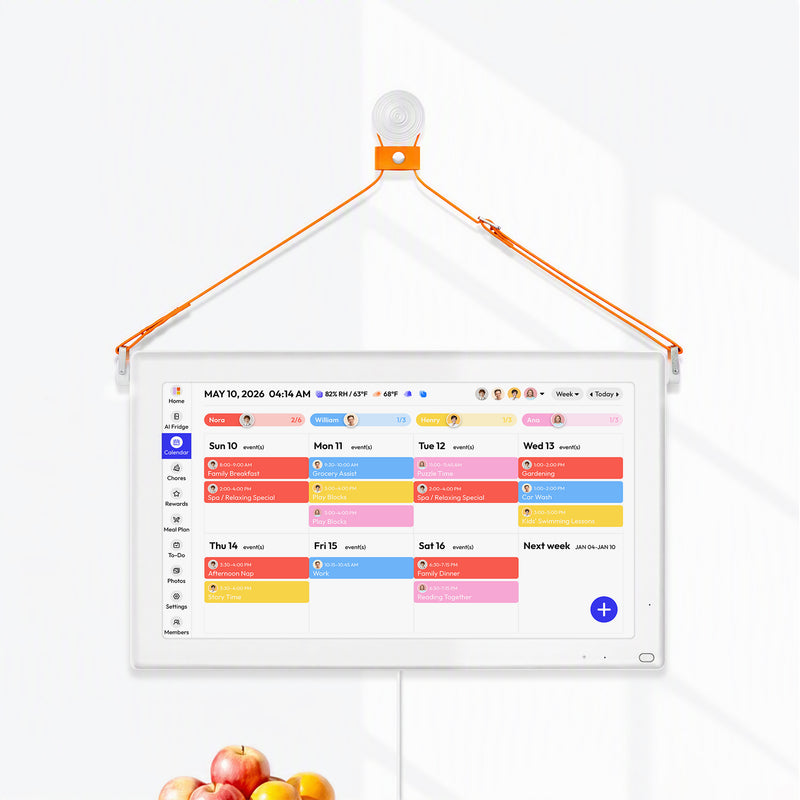
Divide the calendar surface into four functional areas from the start:
- Weekly schedule zone: Each roommate marks which nights they are home for dinner. This single piece of information prevents wasted cooking, unnecessary grocery runs, and helps coordinate shared meals.
- Chore rotation zone: List tasks with assigned names and due dates, and rotate weekly or monthly depending on the task. This zone requires zero verbal follow-up.
- Shared grocery list zone: A running list that anyone can add to at any time. Review it before every shopping trip rather than rebuilding from scratch each time.
- Notes and reminders zone: Rent due dates, building maintenance windows, a package arriving, a quiet-hours request during finals. This gives roommates with different sleep schedules a way to communicate without needing to be in the same room.
How to Get Every Roommate to Actually Use It
Start the conversation at move-in, not after the first conflict. Frame the system as a shared convenience, not a rulebook.
Three things that help participation stick:
- Keep each zone small and low-maintenance. A system that takes five minutes to update each week gets used. One that requires daily entries gets abandoned.
- Assign ownership. One person owns the chore zone, another owns the grocery list. Spreading the maintenance load prevents any one roommate from feeling like the household manager.
- Make the first week a test run. Tell everyone it is not permanent. Most people find it easier to try something when it does not feel like a long-term commitment.
Practical Ways College Students Use a Fridge Calendar Every Day
The value builds once the system becomes routine.
Tracking Shared Grocery Items and Expiration Dates
Write purchase dates next to perishable items on the grocery list zone. When someone adds an item to the fridge, they note when it expires. This takes ten seconds and eliminates the mystery smell that plagues most shared fridges.
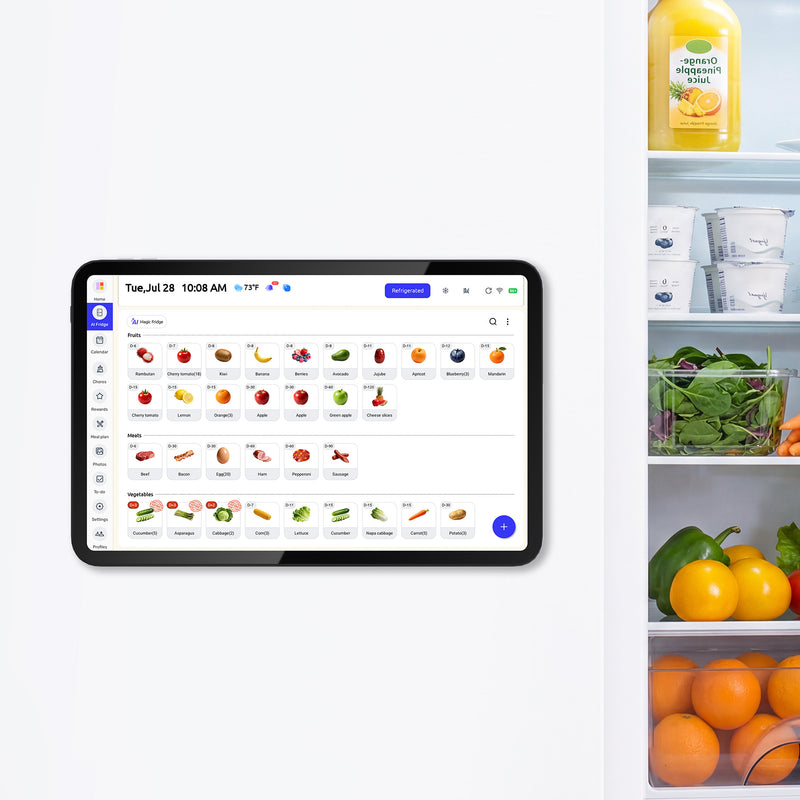
For households that want this handled with less manual effort, the Everblog FridgeCal Calendar includes a Smart Fridge Manager that logs inventory and sends expiration alerts via the companion app, so nothing gets forgotten at the back of a shelf.
Coordinating Meal Prep on Busy Weekdays
Mark which evenings each roommate plans to cook. This lets people coordinate grocery runs, share ingredients, and avoid four separate small meals being prepared simultaneously in a narrow kitchen. On weeks when everyone is buried in coursework, the schedule makes it clear who has time to cook a larger batch for the house.
Marking Bill Due Dates and Shared Expenses
Use the monthly calendar zone to list rent, utilities, and any shared costs with their due dates and each person's share. Financial friction is one of the fastest ways to damage a roommate relationship. A visible, agreed-upon record removes ambiguity before it becomes resentment.
Keeping Track of Who's Home for Dinner
When roommates mark their away nights in advance, whoever is shopping that week knows exactly how much food to buy. A college household that does this consistently wastes less food and spends less at the store each week.
Fridge Calendar vs. Group Chat: Which Actually Works for Roommates?
Most roommate groups start with a group chat for household coordination. Most group chats stop being used for that purpose within a few weeks.
| Feature | Group Chat | Fridge Calendar |
| Visibility | Requires opening an app | Passive, always in view |
| Notification fatigue | High | None |
| Historical reference | Scrolling required | Fixed, always current |
| Participation barrier | Drops off quickly | Stays consistent once set up |
| Works across different schedules | Only if everyone checks | Yes, independent of timing |
| Accountability | Easy to ignore | Visible to all roommates |
For day-to-day household coordination, a fridge calendar wins on consistency. Group chats work best for urgent, one-off communication.
A shared physical display does something a group chat cannot: it creates a reference that exists in the room. Everyone sees the same information, which closes the gap between what was communicated and what was actually understood.
Is a Fridge Calendar Worth It for College Students?
The more relevant question is not what a fridge calendar costs upfront, but what a well-used system saves over time.
Less Duplicate Spending, Less Wasted Food
Grocery coordination alone tends to offset the cost within the first month. Fewer duplicate purchases, fewer last-minute convenience store runs, and less food thrown away each week reduce spending across a full semester. Expiration tracking in particular helps: food that gets used before it goes bad is money that does not get thrown in the trash.
Fewer Last-Minute Takeout Orders
When the weekly dinner schedule is visible on the fridge, there is a concrete plan to work from. That makes it easier to prep or cook rather than defaulting to takeout when everyone is tired and no one has thought about dinner. Over a semester, fewer unplanned orders add up to noticeable savings.
Habits Built Now Are Hard to Break Later
The habits built around a fridge calendar stay useful long after college. Managing a shared apartment in a new city or splitting responsibilities with a partner uses the same underlying logic: visible information in a fixed, shared location. Starting in college means less friction when the same system carries into a new apartment or shared household later.
Put a Fridge Calendar to Work in Your Shared Apartment
A fridge calendar works because it puts the right information where everyone already looks, without requiring anyone to do anything extra. College roommates do not fail at organization because they are disorganized. They fail because the systems available ask too much to maintain.
Set up the four zones on move-in day, do a five-minute review each Sunday, and let the visible system handle what group chats and good intentions never quite managed.
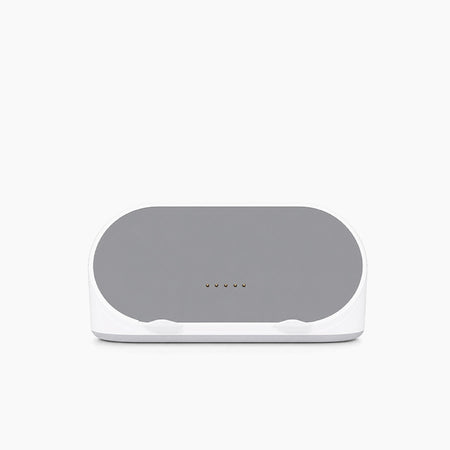
When a basic fridge calendar system is not enough and you want inventory tracking, expiration alerts, and a synced shared calendar in one place, the Everblog FridgeCal Calendar runs on a 13.4-inch magnetic display with no subscription fees. The Smart Fridge Manager tracks inventory and sends expiration alerts via the companion app (currently available on iOS, with Android support coming soon).
FAQs About Fridge Calendars for College Apartments
Q1. Can a Fridge Calendar Replace a Shared Digital Planner for Roommates?
Not entirely. A fridge calendar handles household-level coordination that everyone sees passively. A digital planner works better for individual scheduling and mobile access. Many households use both: the fridge calendar for shared tasks and a synced smart calendar for personal schedules.
Q2. Can a Fridge Calendar Work in a Short-Term College Sublet or Semester Lease?
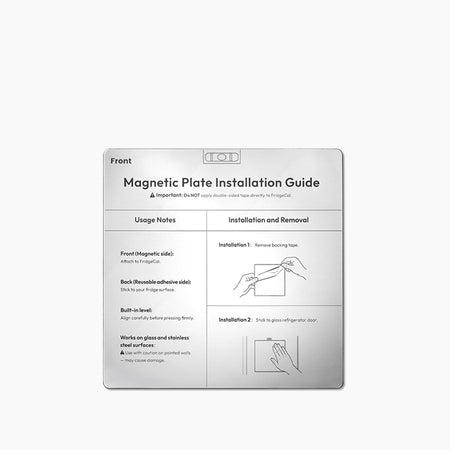
Yes. A basic fridge calendar requires no installation and moves out with you. The Everblog FridgeCal Calendar attaches directly to magnetic fridge surfaces, or uses the included residue-free magnetic stickers for glass-door or non-magnetic fridges. Either way, no tools or wall damage needed.
Q3. What Happens When One Roommate Stops Using the Fridge Calendar?
Assign ownership of each zone from the start so no single person carries the whole system. When one zone falls behind, only that section breaks down. A brief reset at the weekly review is enough to keep the rest of the system running without confrontation.
Q4. How Do You Handle Shared and Personal Groceries on a Fridge Calendar?
Use the shared grocery list zone only for communal items like eggs, milk, and condiments. Personal items stay off the list entirely. Agreeing on which items are shared before move-in removes most of the ambiguity that causes fridge conflicts later.
Q5. Is a Fridge Calendar Useful If Roommates Are Rarely Home at the Same Time?
Yes, and that is exactly when it works best. Because the information is visible passively, roommates with different schedules never need to be in the same room to stay coordinated. The notes zone handles asynchronous communication for households that almost never overlap.


