






What does a useful goal for a child look like when the core problem is not ambition, but the 5 p.m. pileup of homework, practice, sibling tension, and unfinished chores?
In family coaching, I see the same pattern over and over. Parents use good words like “be responsible” or “try your best,” but kids respond better to goals they can see, measure, and repeat. A child is far more likely to follow through with “read for 15 minutes after dinner on school nights” than with “care more about books.” The difference is not motivation. The difference is clarity.
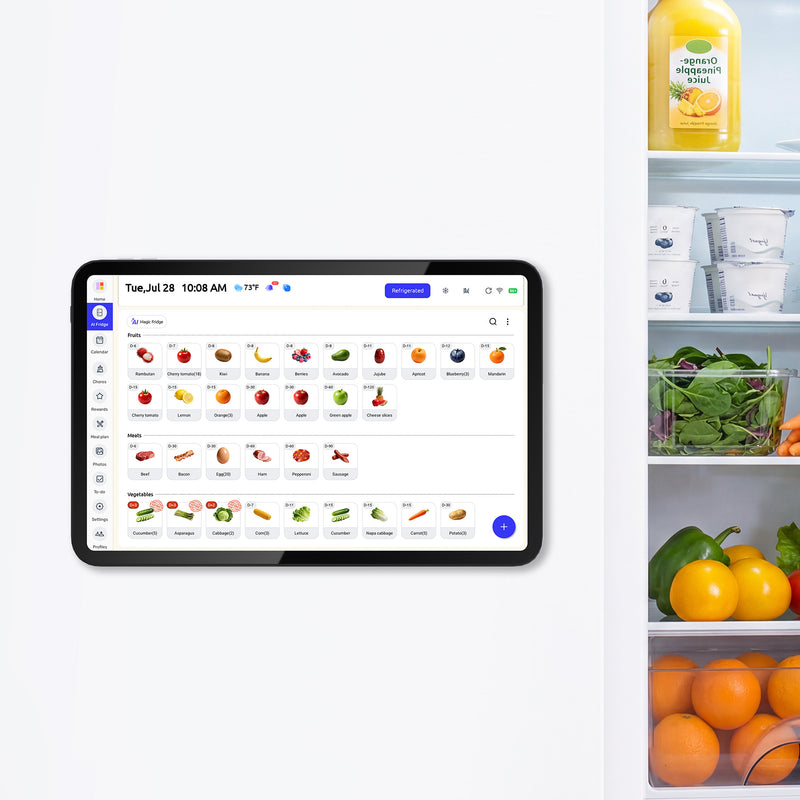
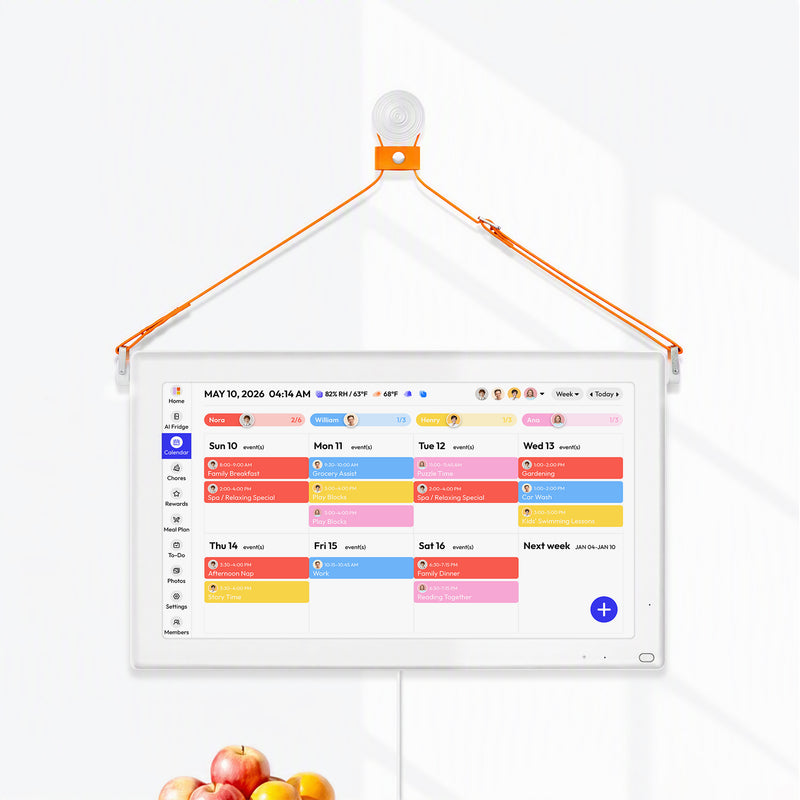
That is the lens for this guide. These 10 goals are grouped by life domain and adjusted for age-appropriateness, from early-childhood routines to skills that fit older kids and teens. Each one works better when it is rewritten as a SMART goal, then tracked in a place the whole family can use, whether that is a fridge chart, a shared note, or a digital family tool like Everblog.
The trade-off is simple. Broad goals feel inspiring, but they are hard to act on. Specific goals feel smaller, but they give kids a fair chance to succeed. That matters because children build confidence from proof. They start to trust themselves when they can say, “I did what I planned,” not when adults keep repeating the value of discipline.
Tracking also changes the parent's job. Instead of constant reminding, you can check a routine, review progress once a week, and adjust what is not working. That is one reason many families use shared systems for chores, reading, meals, and schedules. If home responsibilities are one of your sticking points, this practical guide on how to get kids to do chores gives a solid starting point.
Some goals fit naturally by age. A preschooler can learn clean-up routines and bedtime consistency. An elementary-age child can build reading, social, and school habits. Older kids can handle money basics, fitness goals, and longer-term projects with more independence. Sports can support that process too, and resources like top sports quotes for student-athletes can reinforce effort and resilience when practice gets hard.
The goal is not to pack a child's week with self-improvement projects. It is to choose the right goal, at the right time, in the right format, so progress becomes visible and repeatable.
1. Mastering Daily Chore Responsibilities
A child who can manage chores without constant reminders is learning more than cleanliness. They're learning follow-through, contribution, and how family life works.
This goal should match age and maturity, not just birthdays. A preschooler can put toys in bins. An elementary-age child can clear the table and sort laundry. A teen can handle dishes, basic meal prep, or their own room start to finish. What doesn't work is assigning five new jobs at once and then acting surprised when nothing sticks.
SMART rewrite that works
Weak version: “Help more at home.”
Better version: “Put toys away before dinner every weekday for the next two weeks.”
For older kids, try: “Complete dishes, take out trash on pickup night, and fold laundry by 7 p.m. on assigned days this month.”
A practical way to support this is a visible system like Everblog's chore tools or a dedicated chart. Families also use apps like OurHome when they want task check-offs and rewards in one place. The key isn't the app itself. The key is that the child can see what's expected and when it's done. If you need a simpler on-ramp, Everblog's guide on how to get kids to do chores gives parents a clear starting point.
Practical rule: Start with two or three chores that happen on a predictable schedule. Consistency beats variety.
A few trade-offs matter here:
- Tie chores to belonging: Some chores should happen because a child is part of the household, not because money is attached.
- Use rewards carefully: Privileges can reinforce effort, but paying for every basic task can backfire.
- Correct discreetly: If you turn every missed chore into a lecture, kids start avoiding the whole system.
For goals for kids, chores are one of the best places to begin because the feedback is immediate. The room is cleaner. The table is set. The child sees that their actions changed the environment.
2. Building a Consistent Reading Habit
Reading goals fail when adults make them feel like punishment. Kids read more when the routine is predictable and the material is appealing.
The fix is simple. Stop treating reading as only an academic task. For many children, a graphic novel, a joke book, a sports biography, or a high-interest nonfiction title is the bridge to stronger reading stamina. The right goal isn't “read harder books.” It's “read regularly enough that the habit takes root.”
SMART rewrite by age
For ages 5 to 8: “Read with a parent for 15 minutes after bath time on school nights for the next three weeks.”
For ages 9 to 12: “Read independently for 20 minutes before screen time on weekdays and log the book title each day.”
For teens: “Finish one self-selected book this month and write down three ideas or favorite passages.”
A shared family calendar helps because reading competes with louder activities. Block it in the same way you would practice or tutoring. Goodreads can help older kids track titles, and Libby can remove the friction of getting books by letting families borrow ebooks and audiobooks from the library without another errand.
Reading gets easier for kids when nobody turns every page into a quiz.
That means parents should resist over-monitoring. Ask what was interesting, surprising, or funny. Don't interrogate every detail. Also, don't insist that every child love the same kind of book. One child may devour fantasy. Another may prefer manuals, comics, or animal facts.
A reading habit also pairs well with visible goals. If your child writes down a specific target and sees it in the family routine, they're more likely to follow through than if the goal lives only in a conversation that happened once in the car.
3. Developing Healthy Eating Habits and Nutrition Awareness
Food goals go wrong when parents try to overhaul everything in one week. That usually leads to power struggles, skipped meals, and kids digging in harder.
The better move is to connect healthy eating to participation. Kids are more invested when they help choose meals, wash produce, stir batter, or add items to the grocery list. The goal isn't perfection. It's familiarity, repetition, and a little ownership.
What a useful food goal looks like
Weak version: “Eat healthier.”
Better version: “Help choose one family dinner each week and try one bite of every item on the plate at dinner four nights a week.”
For older kids: “Pack school lunch with one protein, one fruit or vegetable, and a water bottle on school days this month.”
Meal planning tools can reduce friction here. Everblog's meal planner and grocery list are useful when parents want kids involved in the weekly plan instead of hearing complaints at 5:30 p.m. If picky eating is the primary issue, Everblog's article on meal planning for picky eaters is a practical companion.
Three habits work better than food lectures:
- Let kids choose one meal: Choice increases buy-in.
- Repeat exposure: A child may need multiple low-pressure encounters with a food before accepting it.
- Give a job: Washing berries, tearing lettuce, or setting toppings out often matters more than another speech about nutrition.
Later in the week, a short family cooking session can reinforce the routine.
The trade-off is time. Involving kids in meals is slower in the short term. But it pays off because children who participate usually fight the process less. And that's what sustainable goals for kids are supposed to do. Reduce resistance, not increase it.
4. Establishing a Consistent Sleep and Bedtime Routine
What happens in your house 45 minutes before lights out? That window usually decides whether bedtime feels calm or turns into a nightly argument.
Sleep goals work best when they match a child's age and the part of life you are trying to improve. In this framework of 10 kids' goals by life domain, bedtime sits in the health-and-routine category. The job involves more than getting a child into bed. The job is building a repeatable evening pattern that supports mood, attention, and morning readiness.
“Go to bed earlier” gives a child nothing to follow. A better goal names the sequence and the timing.
SMART rewrite for bedtime
For younger kids: “Start bedtime routine at 7:30 p.m. every school night. Finish bath, pajamas, brushing teeth, and one book by 8:00 p.m., then lights out.”
For older kids: “Charge devices outside the bedroom by 9:00 p.m. and get in bed by 9:30 p.m. on school nights for the next four weeks.”
The trade-off is real. A consistent routine can feel rigid, especially for older kids who want more independence or for families juggling late practices, split custody, or parents with shift work. Still, loose evenings usually cost more than they save. The next morning gets harder, tempers get shorter, and school preparation starts rushed.
I tell parents to focus on three anchors instead of trying to control every detail. Pick a routine start time, a screen cutoff, and a lights-out target. Once those are steady, the rest gets easier to maintain.
A visible checklist helps. Younger kids can follow pictures. Older kids usually respond better to a short written routine they helped set up. If your family already uses shared digital tools, Everblog's guide to a kids bedtime routine gives a practical template you can adapt and track without repeating the plan every night.
One more point matters here. Bedtime goals should support the next day, not just the evening. If your child is heading into kindergarten, morning independence and sleep routines often rise together. InchBug's kindergarten guide is a useful reference for that bigger picture.
Bedtime routines become normal through repetition, especially on the nights nobody is in the mood to do them.
Avoid nightly bargaining. If snacks, screens, and “five more minutes” are always open for debate, the routine never settles long enough to become a habit.
5. Setting Academic Goals and Improving School Performance
What would your child do differently tonight if the goal were clear?
That question usually exposes the problem. “Get better grades” sounds responsible, but it gives a child nothing usable after school. Academic goals work when they name one subject, one routine, and one checkpoint. If a goal cannot be explained in one sentence and acted on the same day, it is still too vague.
A good school goal also has to fit the child's age and the family's real schedule. A 6-year-old may need a homework start routine and a parent nearby. A middle schooler can usually handle a short study block with a timer and a check-in. A teen often needs less reminding and more accountability around deadlines, missing work, and test prep.
SMART rewrites by age
For ages 5 to 7: “Read the teacher's take-home folder with a parent after school and finish assigned work before dinner on Monday through Thursday.”
For ages 8 to 12: “Raise my next math quiz score by practicing multiplication or reviewing notes for 15 minutes three times a week for the next month.”
For teens: “Check the school portal by 7 p.m. each Sunday, Tuesday, and Thursday, list missing assignments, and submit all current work by Friday this term.”
Those goals cover different domains inside the same category. Younger kids are building routine and follow-through. Older kids are working on planning, self-monitoring, and subject-specific improvement. That distinction matters. Families often push for better grades before the child has the systems that make better grades possible.
Here is the trade-off I see in real homes. Parents want to help, but too much hovering turns schoolwork into a parent-managed project. Too little structure leaves kids guessing, delaying, or avoiding hard tasks. The middle ground is simple. Set the study time, define the task, and let the child do the work they can reasonably own.
A few tactics usually improve follow-through fast:
- Pick one academic priority per grading period: math accuracy, reading stamina, homework completion, or planner use.
- Tie the goal to a visible routine: after snack, after practice, or right after dinner works better than “later.”
- Track the process, not only the grade: completed assignments, study sessions, and questions asked in class are early signs the plan is working.
- Review once a week: short check-ins catch missing work before it turns into a bigger problem.
Digital family tools help here because school goals create moving parts. Assignment due dates, tutoring, test days, and teacher messages are easier to manage when the family can see them in one place. If you already use Everblog or a shared family planning tool, keep the setup plain: one weekly academic goal, one deadline list, and one review time. More detail usually means nobody checks it.
Motivation also improves when school effort connects to a child's interests outside the classroom. A child who loves sports may care more about reading instructions, managing time, or keeping grades high enough to stay eligible for a team. Articles on the advantages of youth football can help parents connect discipline and school habits without turning every conversation into a lecture.
For parents getting a younger child ready for school routines, InchBug's kindergarten guide can help connect academic expectations to daily structure at home.
The test is simple. If your child can say the goal, show the plan, and tell you when they will do it, the goal is probably usable. If not, rewrite it until it is.
6. Cultivating Physical Activity and Sports Participation
A sports goal shouldn't be “be more active.” Kids need something concrete enough to do after school without a debate.
That could mean organized soccer, skateboarding at the park, bike rides, dance, martial arts, or family walks built into the week. The format matters less than fit. Children stick with movement when they have some say in the activity.
SMART rewrite for movement
For ages 4 to 7: “Play outside or do active indoor movement for 20 minutes after school on weekdays.”
For ages 8 to 12: “Attend soccer practice twice a week and spend one weekend hour riding a bike, walking, or playing at the park.”
For teens: “Train for my sport or chosen activity on scheduled days and add one self-directed conditioning session each week.”
This category also fits real family logistics. If the rides, equipment, and timing don't work, the goal won't last. Everblog-style shared scheduling is especially helpful here because practices, games, and transportation affect everyone in the house. Community programs and parks also matter when budgets are tight.
If your child loves team sports, motivation often improves when they connect effort to identity and belonging. Resources like the advantages of youth football can help families think through whether a structured team environment fits their child.
The trade-off is worth saying plainly. Not every child needs a competitive team. Some kids thrive in leagues. Others burn out fast and do better with swimming, running, climbing, or free play. Good goals for kids respect temperament. They don't force one version of healthy activity onto every child.
7. Building Social Skills and Emotional Intelligence
How do you teach a child to handle disappointment, read a room, or disagree without blowing up? You teach those skills the same way you teach chores or reading. You pick a clear target, match it to the child's age, and practice it often enough that it becomes usable in real life.
Social and emotional growth works best when families separate the big category into smaller life goals. A preschooler may need help asking for a turn. An older child may need to read facial cues and recover after conflict. A teen may need to manage group pressure, set boundaries, and disagree respectfully. Those are different goals, and they need different wording.
SMART rewrite for emotional growth
For ages 4 to 7: “During playtime, ask for a turn with words instead of grabbing, at least once a day for the next two weeks.”
For ages 8 to 12: “When upset with a sibling or friend, use one calm-down step, then say what happened and what I want within 10 minutes.”
For teens: “In one hard conversation each week, listen without interrupting, repeat back the other person's point, and answer respectfully.”
These goals fit two life domains at once. Relationships and self-management. That overlap matters because plenty of kids are friendly when calm but fall apart under stress. Others can stay composed but struggle to show empathy. Good goal-setting makes the gap visible.
I tell parents to coach social skills before the problem moment, not only after it. Role-play what to say when a game feels unfair. Practice how to join a group conversation. Give your child one sentence stem they can remember, such as “Can I have a turn when you're done?” or “I'm mad, but I want to fix this.”
A shared tracker can help here if it stays simple. Everblog can work as a family check-in tool for weekly goals like “used words instead of yelling three times this week” or “resolved one conflict without parent rescue.” Photos, short notes, and mood check-ins give parents a record of patterns without turning every emotion into a performance review.
The trade-off is real. If you track too much, kids start saying the right words for the chart instead of building the skill. If you track nothing, families often rely on vague impressions and miss progress. The middle ground works better. Pick one social goal and one emotional regulation goal at a time.
“Be nice” is too vague to practice. “Ask before joining the game” is teachable.
Family meetings can help, but they are not magic. Some kids open up around the dinner table. Others do better during a car ride, while drawing, or after everyone has cooled down. Use the format that gets an honest response.
As noted earlier, people usually do better with goals that are specific and challenging enough to matter. That applies here too. “Never get angry” sets a child up to fail. “Use a coping strategy, then come back and talk” gives them a realistic standard and a way to recover when they miss it.
8. Developing Money Management and Financial Literacy Skills
What changes a child's money habits faster. Another lecture about saving, or a clear system they can use this week?
Kids learn money by handling money. The goal is not to turn childhood into bookkeeping. The goal is to teach three skills early: how to wait, how to choose, and how to recover from a bad spending decision.
Age matters here. A six-year-old does better with cash jars, pictures, and short timelines. A ten-year-old can start splitting money into spend, save, and give categories. A teen is ready to track spending, compare prices, and plan for a larger purchase over time. That age-by-age shift matters if you want goals that are hard enough to teach something but realistic enough to stick.
SMART rewrite for money skills
Weak version: “Learn about money.”
For younger kids: “Save $2 from gifts or allowance each week for 6 weeks to buy one toy I picked.”
For school-age kids: “Track all spending for 4 weeks and put 30% of my weekly money into savings for a game, book series, or outing.”
For teens: “Set a $100 savings goal, record every purchase for 8 weeks, and review once a week to cut one impulse expense.”
Parents usually run into the same trade-off. If every household task pays money, kids start treating basic family responsibility like contract work. If nothing is tied to earning, money lessons stay abstract. Keep two lanes. Expected chores happen because everyone contributes. Extra jobs or special projects can earn money toward a personal goal.
Digital tools can help if they stay tied to a real target. Analysts tracking the digital pocket money app market project it will be valued at $4.8 billion in 2025 and reach $14.2 billion by 2034, with a 12.8% CAGR. That does not prove any one app works best. It does show many families want help with tracking, limits, and visible progress.
Greenlight, FamZoo, cash envelopes, and a simple family spreadsheet can all work. Everblog's rewards tracker also fits if your family already uses it to manage several of the 10 life-goal areas in one place. For example, a child might log extra yard work, watch a savings bar move toward a bike, and add a photo when they finally buy it. That turns an abstract lesson into a result they can remember.
A setup that works in real life usually includes:
- One clear goal: Name the item, cost, and deadline.
- One tracking method: Jar, chart, app, or shared family tool.
- One review time: A five-minute weekly check-in is enough.
- One consequence: If they spend the money early, let the plan take longer.
That last part is hard for parents. Covering the gap feels kind in the moment, but it usually cancels the lesson. Letting a child wait one more month for the purchase teaches more than another reminder about “being responsible.”
Money goals work best when kids can see the connection between effort, choice, and outcome. That is the essential skill they will keep.
9. Encouraging Creativity and Artistic Expression

Creative goals matter because not every important skill looks academic. Art, music, writing, building, and design teach persistence, experimentation, and personal voice.
Parents often make the mistake of over-structuring this area. If every creative activity becomes a lesson, class, or performance target, kids can lose the freedom that makes creativity restorative in the first place. Some instruction helps. Constant oversight usually doesn't.
SMART rewrite for creative growth
For younger kids: “Spend 20 minutes making art, building, or pretending three times a week.”
For school-age kids: “Finish one creative project this month, such as a comic, a song, a painting series, or a small coded game.”
For teens: “Practice my chosen art form on scheduled days and share one finished piece with family by the end of the month.”
Tools can support the habit without taking over. Scratch and Tinkercad are good examples for digital creativity. A family display or media hub is useful for photographing artwork, saving videos of performances, and showing children that their efforts matter enough to keep.
A few rules keep this healthy:
- Protect open-ended time: Not every project needs a rubric.
- Display the work: Kids value what adults visibly value.
- Ask about process: “How did you make that?” goes further than “That's pretty.”
This category is especially helpful for children who need another lane to feel competent. A child who struggles in one area may discover confidence through drawing, music, storytelling, or building something with their hands.
10. Fostering Responsibility Through Pet Care or Plant Gardening
What helps a child grasp responsibility faster than caring for something alive that depends on them?
Pets and plants make cause and effect easy to see. A skipped watering shows up in dry soil and drooping leaves. A missed pet task creates an empty bowl, an unfilled water dish, or a cage that still needs cleaning. For children who tune out lectures, this kind of goal gives responsibility a shape they can see, remember, and repeat.
This category also works well across ages, which matters in a framework that groups goals by both life domain and age-appropriateness. Younger kids usually do best with one simple, repeatable task. School-age kids can manage a short routine with supervision. Teens are ready for ownership of a full sequence, especially when the family agrees on what “done” means.
SMART rewrite for living things
For younger kids: “Water my plant every Tuesday, Thursday, and Saturday before dinner for the next four weeks, with a parent checking the soil with me.”
For ages 8 to 12: “Feed the pet every school morning by 7:30 a.m. and refill the water bowl before leaving for school for the next 30 days.”
For teens: “Complete the full weekday morning pet-care routine, feeding, fresh water, litter or cage check, and a 10-minute walk if needed, at least 4 out of 5 school days each week this semester.”
The trade-off is simple. Living things teach follow-through well, but only if the task matches the child. A basil plant, spider plant, or succulent is a better starter goal than a puppy for many families. Fish, hamsters, and dogs add more complexity, more cleanup, and more opportunities for adults to absorb the missed steps.
Tracking matters here because repetition is the point. A paper chart on the fridge works. So does a shared family tool such as Everblog, where parents can assign the routine, check off completed tasks, and upload weekly photos of a plant's growth or a pet-care streak. Children often stay engaged longer when progress is visible, not just expected.
A few guidelines keep this goal realistic:
- Match the responsibility to the child: Preschoolers can water, scoop food, or help refill a watering can. Teens can manage multi-step care.
- Define the standard clearly: “Take care of the dog” is vague. “Feed at 7:30, replace water, and put the scoop back” is teachable.
- Use reminders at the start: Phone alerts, visual checklists, and family dashboards help until the routine becomes automatic.
- Keep adults accountable too: Parents still own safety, veterinary care, and backup when a child is sick, overwhelmed, or away.
- Let small mistakes teach: A wilted herb or one forgotten feeding reminder can start a useful conversation. Unsafe neglect is not a lesson plan.
In busy households, shared visibility prevents the familiar problem where everyone assumes someone else handled it. Kids are more likely to follow through when the routine is visible to the family and checked in one place. That is one reason plant care and pet care hold up so well as long-term goals. They build consistency, ownership, and the habit of noticing what needs to be done before an adult says it again.
10-Point Comparison of Kids Development Goals
| Goal | 🔄 Implementation Complexity | ⚡ Resource Requirements | 📊 Expected Outcomes (⭐) | Ideal Use Cases | 💡 Tips |
|---|---|---|---|---|---|
| Mastering Daily Chore Responsibilities | Medium, requires routine-building and supervision | Low–Medium time investment; minimal cost; tracking tools helpful | Greater independence, time management, household contribution, ⭐⭐⭐⭐ | Families wanting shared responsibility and reduced parental workload | Start with 2–3 chores, use visual charts and gentle nudges |
| Building a Consistent Reading Habit | Low–Medium, scheduling and book selection needed | Low cost; time slotting; library/apps for materials | Improved literacy, vocabulary, attention, ⭐⭐⭐⭐⭐ | Families aiming to boost academic outcomes and reduce screen time | Schedule daily reading, create a cozy space, mix child/parent picks |
| Developing Healthy Eating Habits and Nutrition Awareness | Medium–High, meal planning and behavior change | Medium–High time and food-cost investment; cooking involvement | Better health, focus, reduced waste, long-term benefits, ⭐⭐⭐⭐⭐ | Households focused on health, picky eaters, learning cooking skills | Involve kids in planning, start one new recipe weekly, use grocery lists |
| Establishing a Consistent Sleep and Bedtime Routine | Medium, behavior change over weeks; consistent enforcement | Low cost; requires scheduling and parental consistency | Improved mood, cognition, regulation, faster school performance gains, ⭐⭐⭐⭐⭐ | Families with behavior or concentration issues; all age groups needing stability | Fix bed/wake times, 30–60 min screen-free wind-down, use countdown reminders |
| Setting Academic Goals and Improving School Performance | Medium, monitoring, teacher communication required | Medium time investment; possible tutoring costs | Better grades, planning skills, accountability, ⭐⭐⭐⭐ | Students aiming to improve grades or target specific skills | Set 1–2 SMART goals per term, break into monthly milestones, track progress visually |
| Cultivating Physical Activity and Sports Participation | Medium, scheduling and transport logistics | Medium–High (fees, equipment, time); seasonal variability | Improved fitness, teamwork, mental health, ⭐⭐⭐⭐⭐ | Active children or families seeking routine exercise and social skills | Let children choose activities, coordinate schedules, prioritize mix of play and sport |
| Building Social Skills and Emotional Intelligence | High, consistent modeling and reinforcement over time | Low–Medium time; possible program costs for SEL resources | Stronger relationships, reduced anxiety, long-term social benefits, ⭐⭐⭐⭐ | Children with social challenges or families prioritizing emotional learning | Model emotion expression, schedule family meetings, use books and practice tools |
| Developing Money Management and Financial Literacy Skills | Medium, set systems and consistent reinforcement | Low–Medium (accounts/apps); time to teach and track | Better saving/spending habits, delayed gratification, ⭐⭐⭐⭐ | Families wanting practical life skills and allowance systems | Separate chores from paid tasks, use three-jar system, gamify with rewards tracker |
| Encouraging Creativity and Artistic Expression | Low–Medium, provide materials and unstructured time | Low–Medium cost for supplies; space and scheduling | Enhanced problem-solving, expression, intrinsic motivation, ⭐⭐⭐⭐ | Families wanting reduced screen time and expressive outlets | Create a creativity station, schedule weekly creative time, display work publicly |
| Fostering Responsibility Through Pet Care or Plant Gardening | Medium, daily routines and long-term commitment | Medium cost (pets/garden supplies); ongoing parental backup likely | Teaches empathy, routine, cause-effect; variable academic lift, ⭐⭐⭐ | Homes with ability to commit time and resources | Start with plants or low-maintenance pets, use visual checklists and document growth |
From Goals to Habits: Your Family's Next Steps
The hardest part of goals for kids isn't choosing them. It's living with them long enough for them to become normal.
That's where many families get stuck. They start with energy, set too many targets, and then lose momentum when life gets messy. School gets busy. A parent works late. Somebody gets sick. The routine slips for three days, and the whole system gets abandoned. That isn't proof the goal was bad. It usually means the setup was too ambitious or too dependent on perfect conditions.
Start smaller than you think you need to. One child might begin with making the bed and packing a backpack the night before. Another might focus on reading after dinner and plugging in a phone outside the bedroom. A teen might work on one academic goal and one household responsibility. Two good goals done consistently will teach more than ten goals discussed endlessly.
The most useful framework is simple. Pick one goal tied to daily life and one goal tied to growth. Daily life goals keep the home functioning. Growth goals help a child stretch. For example, chores plus reading. Bedtime plus emotional regulation. Physical activity plus saving money. That pairing keeps the system balanced.
It also helps to rewrite every goal so the child can answer four questions without help:
- What am I doing
- When am I doing it
- How will I know I did it
- Who can see my progress
That last question matters more than many parents realize. In the background research provided for this piece, goal-setting repeatedly improved when goals were written down, visible, and supported by accountability. Families don't need a complicated method to use that well. They need one place where expectations live and one rhythm for checking in.
A goal becomes a habit when the child no longer has to guess what happens next.
For some families, that's a paper chart on the fridge. For others, it's a shared digital hub. Everblog is one option that combines calendar visibility, chores, meals, rewards, and family media in one place, which can make goal tracking easier when multiple kids and schedules are involved. The tool matters less than the visibility. If children can see the target, mark progress, and hear adults acknowledge effort, the system is doing its job.
Stay practical. Review goals weekly. Adjust when they're too easy, too vague, or too parent-driven. Celebrate progress without making every success transactional. And don't wait for January or a new school year to begin. Kids build confidence from ordinary repetition, not ceremonial fresh starts.
The families who do this well aren't aiming for flawless children. They're building homes where responsibility, effort, and progress are visible enough to practice every day.
If you want one shared place to turn goals for kids into visible routines, Everblog brings schedules, chores, meals, rewards, and family updates onto a single family hub so everyone can see what matters and follow through more consistently.


