



If dinner time in your house feels more like a hostage negotiation than a family meal, you're not alone. The constant stress of coaxing, bargaining, and worrying about nutrition can drain the joy right out of your evenings.
But what if you could change the entire dynamic? The secret isn't about winning the battle over that last bite of broccoli. It's about having a smarter strategy that removes the conflict altogether.
End Mealtime Battles With a Smart Plan
Let's reframe the problem. For many kids, picky eating is a completely normal phase driven by a need for control and a natural caution around new things. Instead of meeting this with pressure, a proactive plan shifts the focus to creating a positive and predictable environment.
You’re not trying to force a specific food on a specific night. You’re building a foundation of trust where your child feels safe enough to eventually choose to be brave. It’s a long game, but it’s the one that works.
This all starts with a few core strategies. We’ve broken them down in the table below to give you a quick overview of the "what" and the "why" behind this approach.
Core Strategies for Picky Eater Meal Planning
| Strategy | What It Means in Practice | Why It Works for Kids |
|---|---|---|
| Consistency and Routine | Meals and snacks are served at roughly the same times each day. | It helps regulate their appetite, so they arrive at the table genuinely hungry and ready to eat, not just "snacked out." |
| Exposure Without Pressure | A new or less-liked food is served alongside a familiar "safe" food, with zero expectation to eat it. | It takes the fear away. Research shows it can take 8-15 exposures before a child even tries something new. Familiarity breeds confidence. |
| Kid Involvement | Let them help! They can wash veggies, stir ingredients, pick a side dish, or set the table. | When kids have a hand in making the meal, they feel a sense of ownership and pride, making them far more likely to try it. |
The most powerful shift you can make is from trying to win a fight to simply having a better game plan. When you take the pressure off, you create the space they need to learn to like new foods on their own terms.
A smart plan also means thinking about what happens between meals. A grumbling tummy an hour before dinner is often met with a quick snack, but the wrong choice can sabotage your best efforts at the dinner table. Making informed choices about snacks is a huge part of the puzzle.
For some excellent ideas, check out this ultimate guide to low sugar snacks for kids.
By putting these principles into action, you’re not just planning meals—you’re building a system that fosters peace at the table and sets your kids up for a lifetime of healthier eating habits. This guide will walk you through the exact steps real families use to make it happen.
Map Your 'Safe Foods' Foundation
Before you can build a new mealtime routine, you have to know exactly what you’re working with. This starts with a simple, honest inventory of what your child actually eats. It’s time to create your "safe foods" list—a foundational document of every single food your child will reliably eat without a fuss.
Forget any feelings of guilt or judgment. The goal here isn't to critique the list; it's to gather data. Does your kid eat only three things? Ten? It doesn't matter. Write them all down. This simple act gives you a powerful starting point and immediately lowers mealtime stress because you'll know there's always at least one thing you can put on their plate that they will accept.
Get Specific With Your Inventory
To make this list truly work for you, you need to get granular. "Chicken nuggets" isn't enough information. Is it a specific brand they love? Do they have to be baked, never microwaved? Does "carrots" mean raw baby carrots or cooked carrot coins?
Be as specific as you possibly can. This level of detail is where the magic happens, helping you spot patterns you might have otherwise missed.
-
Food: Macaroni and Cheese
- Details: Only the blue box brand, made exactly like the package says. No extra butter or salt.
-
Food: Yogurt
- Details: Strawberry-flavored tube yogurt, and it has to be cold from the fridge. They absolutely will not eat it from a bowl.
-
Food: Bread
- Details: Soft, white sandwich bread with the crusts cut off. Toasted is a definite no-go.
This little flowchart breaks down the basic strategy, which all starts with locking down that safe foods list.

As you can see, figuring out your "safe foods" is the essential first move. It paves the way for building a routine and, eventually, gently introducing new things.
Organize for Insight
Once your detailed list is ready, try organizing it by food group: Proteins, Carbohydrates, Fruits, and Vegetables. This simple sorting gives you a quick, at-a-glance view of your child's nutritional landscape. You might be surprised to find they eat more fruits than you realized, or that their protein sources are incredibly limited.
This isn't just a list; it's a map. It shows you where you are right now so you can chart a course to where you want to go. Every meal can now be built around a "safe" anchor, making the entire experience less intimidating for everyone.
Keeping this inventory doesn't need to be a huge project. A simple note on your phone or a dedicated page in your planner works perfectly. A well-organized kitchen can also make finding these very specific items much easier when you're in a rush. For some inspiration, check out these clever fridge organization ideas that save time and reduce stress. The main thing is to keep this list handy as you start building your new meal plan.
Design a Flexible Rotating Meal Plan
Once you’ve got that list of "safe foods," you can finally put an end to the daily "What's for dinner?" panic. The answer is a simple, repeatable meal plan that rotates week to week.
This doesn't mean rigid, boring meals. Think of it as creating a predictable rhythm for your week—one that kills decision fatigue and brings a little calm back to your evenings.

The secret to making this work with a picky eater is what I call the deconstructed meal approach. Instead of serving a mixed dish like a casserole or stir-fry where everything touches, you serve all the components separately.
Trust me, this one tactic can completely change the dynamic at your dinner table.
It gives your child the power to build a plate with items they feel good about, all while seeing everyone else enjoy the other components. It’s exposure without the pressure.
Embrace Themed Nights
Theme nights are the parent's secret weapon for meal planning. They give you just enough structure to make decisions easy, without making dinner feel repetitive.
Here are a few popular themes and how you can deconstruct them:
- Taco Tuesday: Set out separate bowls of seasoned ground beef (a safe protein for many kids), shredded cheese, mild salsa, lettuce, and tortillas. If your child only eats a plain tortilla with cheese, that's a win.
- Pasta Wednesday: Offer a bowl of plain pasta alongside a simple red sauce, some meatballs, and maybe steamed broccoli or peas. They can stick with buttered noodles while seeing everyone else add sauce and veggies.
- DIY Pizza Friday: Lay out small pizza crusts or English muffins, tomato sauce, shredded mozzarella, and a few toppings. Letting kids build their own, even if it’s just sauce and cheese, gives them a huge sense of control.
This strategy creates a predictable framework for you, the parent, which is a total lifesaver on busy weeknights.
The goal isn't to whip up a five-star menu every night. It's to build a reliable system that guarantees at least one "safe" item is on the table, which lowers the anxiety for both you and your child.
Create Your 1-Week Rotating Schedule
Start small with a simple one-week rotation. Using your theme nights and your child’s list of safe foods, just pencil in seven dinners. Don't overthink it. The goal here is consistency, not perfection.
Here’s what a sample week might look like:
| Day | Theme | Deconstructed Meal Idea |
|---|---|---|
| Monday | Breakfast for Dinner | Scrambled eggs, toast, sausage links, and cut fruit. |
| Tuesday | Taco Tuesday | Ground beef, soft tortillas, cheese, lettuce, avocado. |
| Wednesday | Pasta Night | Spaghetti, marinara, chicken strips, green beans. |
| Thursday | Leftover Buffet | Re-serve components from the previous nights. |
| Friday | DIY Pizza Night | Pizza crusts, sauce, mozzarella, pepperoni. |
| Saturday | Build-a-Bowl | Cooked rice, roasted sweet potatoes, black beans, shredded chicken. |
| Sunday | Soup & Sandwiches | Mild tomato soup with grilled cheese sandwiches. |
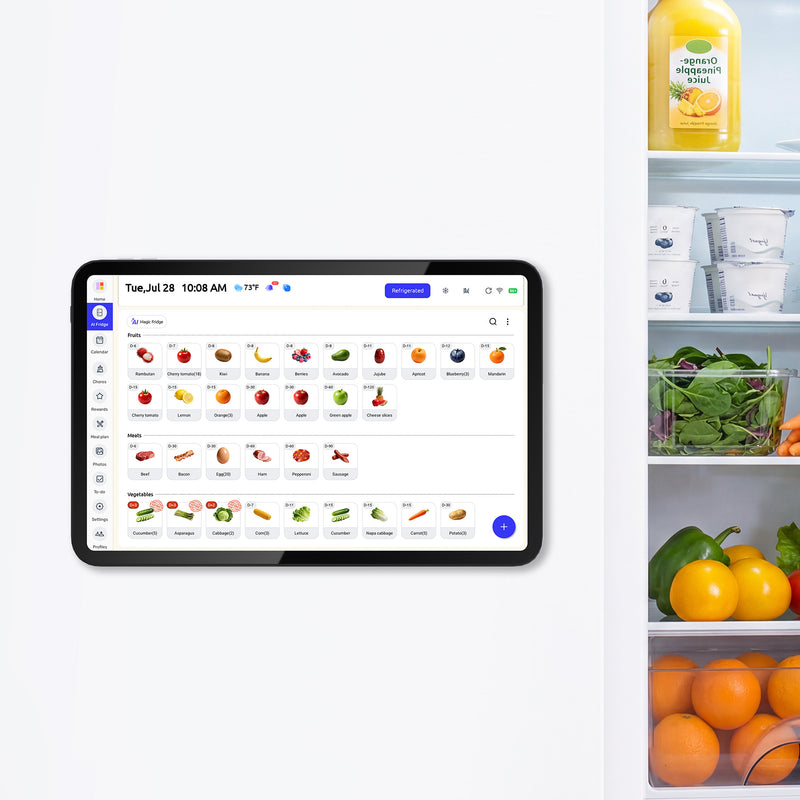
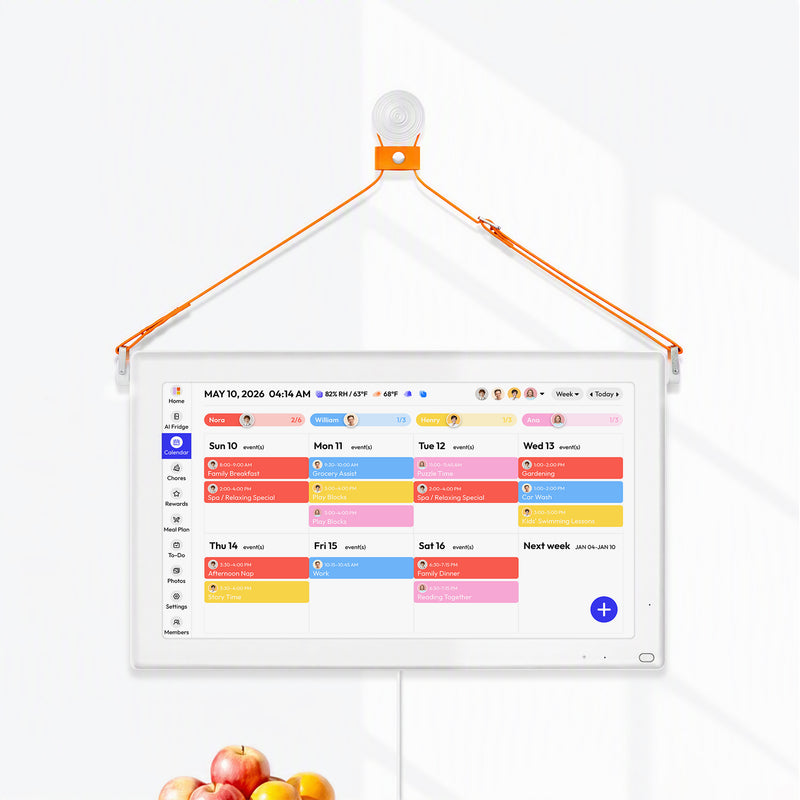
A digital tool like the Everblog Meal Planner makes this whole process incredibly simple. You can create your rotating schedule, drag and drop meals, and easily tweak things based on what works for your family.
As you get into the swing of it, you might find our guide on meal planning for busy families has some extra tips for making things even smoother. Just remember, this is a flexible blueprint, not a strict rulebook.
Alright, you’ve got your theme nights and deconstructed meals down. That’s a huge win. With that stable foundation, we can finally start the real work: gently expanding what your child will eat.
The secret here is to play the long game. This isn't about tricking or forcing a bite. It’s about making new foods feel safe, familiar, and completely pressure-free. We’re working to overcome food neophobia—that very real, very normal fear of new things.
It might shock you, but research has shown it can take a child seeing a new food 15-20 times before they're even willing to touch it, let alone taste it. Your job is to simply provide those moments of exposure, calmly and consistently.
Build a "Food Bridge" with Chaining
One of the best ways I’ve found to do this is a method called food chaining. You’re basically building a bridge from a food they already love to one you want them to try. The trick is to only change one tiny thing at a time, like the shape, texture, or brand.
It feels much less scary for them because each step is so small.
-
From French Fries to Sweet Potatoes: Maybe their absolute favorite is a specific brand of frozen french fry. First, you could switch to a different brand of the same fry. Next, try making your own homemade fries from a regular potato. Then, cut them into wedges instead of sticks. Finally, you can try making those same wedges with a sweet potato. See the bridge?
-
From Nuggets to Grilled Chicken: Start with their go-to dinosaur chicken nuggets. The first step might be introducing regular-shaped nuggets from the same company. Then, you can try a different brand. From there, maybe you offer small, homemade pieces of breaded chicken breast. The last link in the chain could be small pieces of plain, grilled chicken.
Each step feels familiar, which is what builds confidence.
The Art of the "No-Pressure" Plate
Another must-have tool in your arsenal is no-pressure plating. It’s exactly what it sounds like: placing a teeny-tiny, almost laughable portion of a new food on their plate right next to their safe foods. I’m talking a single pea, one sliver of carrot, or a literal crumb of ground beef.
The goal isn't to get them to eat it. The goal is exposure. When you serve a tiny amount with zero expectation, you completely remove the power struggle. The food is just… there. It becomes part of the scenery.
Over time, this tiny, consistent act makes new foods feel normal. You can even serve these "tastes" with a favorite dip like ketchup or ranch. That familiar flavor can act as a safety net, making them more willing to interact with the new food, even if it's just to dip it and lick the sauce off.
Don't forget that exposure happens outside the dinner table, too. Getting kids involved in the kitchen is a fantastic, no-stakes way to build familiarity. Let them wash the lettuce, snap the ends off green beans, or stir a sauce. When they can touch and interact with ingredients in a fun way, those foods become a lot less mysterious and a lot more interesting.
Master Your Prep and Shopping Workflow
Let's be real: a great meal plan is useless if you don't actually follow through. This is where the real magic happens—turning your plan into easy, stress-free weeknight dinners. And the key to that is smart preparation.
This is where batch prepping becomes your secret weapon. The idea is simple: spend an hour or two on the weekend doing all the tedious chopping and cooking. You’re essentially giving your future, frazzled self a massive gift.

When the components are prepped and ready to go, throwing together a deconstructed meal is literally just grabbing a few containers from the fridge. No more decision fatigue at 5 PM.
Build Your Prep-Ahead Checklist
What you prep is going to be driven entirely by your rotating menu. Take a hard look at your plan for the week and pinpoint all those little time-sucking tasks you can get out of the way now.
Your weekend prep list might look something like this:
- Chop Veggies: Dice onions, slice bell peppers, and cut up broccoli florets. Store them in airtight containers so they're ready to grab.
- Cook Grains: Make a big batch of rice or quinoa that you can easily reheat for different meals.
- Prep Proteins: Grill some chicken strips, brown a pound of ground beef, or hard-boil a half-dozen eggs.
- Wash and Dry Greens: Get all your lettuce and spinach washed, dried, and ready for quick salads or sides.
For busy parents, keeping all those containers straight is a challenge in itself. Seriously, consider investing in the best name labels for meal prep and snacks to keep your fridge organized. It’s a simple trick that saves you from playing "what's in this container?" roulette every night.
Turn Your Plan Into a Smarter Grocery List
Once your meal plan and prep list are set, creating your grocery list is the final piece of the puzzle. A good list is your best defense against impulse buys and those awful, last-minute trips to the store.
A well-crafted grocery list isn't just for shopping—it's the bridge that connects your plan to your plate. It completely eliminates that dreaded "Oh no, what are we missing?" moment.
This is exactly where a digital, shared tool makes a world of difference. When you use something like the Everblog Grocery List, anyone in the family can add items from their phone or the main hub the second they notice something is running low.
You get a live, up-to-the-minute list that reflects what your family actually needs. No more discovering you're out of the one brand of yogurt your picky eater will touch.
By connecting your meal plan directly to your shopping and prep, you create a system that just works. You’ll reduce waste, save money, and, most importantly, reclaim your sanity during those hectic weeknights. If you’re looking for more ways to make this process even more budget-friendly, you can find great tips in our detailed article on https://everblog.com/blogs/life-with-everblog/family-meal-planning-on-a-budget.
Use Positive Reinforcement to Encourage Trying
It’s so tempting to offer a cookie just to get them to take one bite of broccoli. We've all been there. But this kind of bribery can seriously backfire, creating a mindset where veggies are the "bad" food you have to suffer through to get to the "good" stuff.
The real secret is flipping the script. Instead of rewarding a clean plate, you reward the bravery of trying. That’s it. You’re celebrating the courage it takes to taste something new, not how much they actually ate. This tiny shift changes everything.
Focus on Non-Food Rewards
Using dessert as a prize just reinforces that some foods are better than others. A much healthier approach is to get creative with non-food incentives that build genuine excitement around the act of trying.
Your reward system doesn't need to be complicated. Just think about what really gets your kid excited:
- Extra Time with You: Earning 15 minutes of uninterrupted one-on-one playtime.
- Being the Boss: Getting to pick the family movie or control the music in the car.
- Visual Wins: A simple sticker chart where they earn a sticker for every new food they taste.
These rewards put the focus back on the positive experience and the praise they get for being brave. It validates their effort, no matter how small.
The goal is to celebrate every single victory. Even a lick of a new food is a huge win. When you acknowledge that with genuine enthusiasm, you're telling your child, "I see you being brave, and I am so proud of you."
Gamify the Journey
If your kid loves a good challenge, turning this whole process into a game is a game-changer. This is where a digital tool like the Everblog Rewards Tracker can become your secret weapon. You can create custom, fun goals that make trying new foods feel less like a chore and more like a fun mission.
Imagine setting up goals like "Try 3 New Green Foods" or "Taste a Food from Every Color of the Rainbow." Each time they hit a milestone, they earn points they can cash in for one of the rewards you’ve agreed on together.
This approach gives your child a sense of control. They can see their progress in real-time, which is a massive motivator. It transforms a stressful experience into a fun challenge and gives them a feeling of accomplishment as they become a more adventurous eater.
Common Roadblocks and How to Navigate Them
Even with the best meal plan in hand, you're going to hit a few bumps. That's just part of the picky eating journey. Let's tackle some of the most common questions that pop up when you're in the thick of it.
What if They Won't Even Touch the New Food?
First, take a deep breath. This is not just okay—it's completely normal. The goal of those no-pressure exposures isn't to get them to eat it on day one. It's about letting them get used to the sight and smell of it on their own terms.
It can take 15-20 exposures before a child is brave enough to even poke a new food, let alone taste it. Your only job is to stay cool. Don't praise them for touching it, and don't get frustrated when they don't. Just calmly clear the plate when the meal is over. Your neutral reaction is everything.
My Kid Is Never Hungry Because They Graze on Snacks All Day
Ah, the classic snack monster. Structure is your secret weapon here. Set a predictable snack schedule—one mid-morning, one mid-afternoon—and have them sit at the table to eat it. No more drive-by snacking from the pantry.
Make those snacks count. Instead of empty carbs, offer things with protein and fat to keep them full longer, like apple slices with peanut butter or a small bowl of yogurt.
The real game-changer? Establish a firm "kitchen is closed" rule for at least 90 minutes before lunch and dinner. This is non-negotiable. It ensures they actually feel hungry when they sit down for a real meal.
When Should I Worry That It's More Than Just a Phase?
Most picky eating is a totally normal, if frustrating, part of growing up. But sometimes, there are red flags that might point to something more. It's probably time to chat with your pediatrician or a feeding specialist if you notice:
- Their list of "safe" foods has dropped below 20 items.
- They’re cutting out entire food groups, like refusing all proteins or every single vegetable.
- They frequently gag, choke, or vomit at the sight or smell of non-preferred foods.
- You're seeing weight loss or their growth is starting to falter.
A professional can help rule out any underlying sensory processing or medical issues and give you a more targeted plan for your family's unique situation.
Ready to put all this into practice without juggling a dozen different apps and notebooks? The Everblog Meal Planner and Grocery List are built right into the smart calendar, alongside the chore and rewards tracker. It's the all-in-one command center your family needs. See how you can simplify your planning and win back your evenings by checking out Everblog today.


