

Let's be real—the daily chaos of a disorganized home is just plain exhausting. If you're constantly searching for lost keys, tripping over toys, or feeling overwhelmed by clutter, you're not alone. The good news is that getting organized isn't about achieving some impossible, magazine-perfect ideal. It's about creating a functional home that actually works for your family.
I’ve found that the most reliable path from chaos to calm is a simple three-pillar framework: Declutter to create space, Systemize to create order, and Centralize to maintain it.
From Chaos to Calm: A Realistic Path to an Organized Home
Imagine coming home and knowing exactly where everything is. No more frantic morning searches for that one permission slip or a missing shoe. This isn't just a fantasy; it's what happens when you have solid systems in place.
The stress of a cluttered home is a real time-waster. Some studies even suggest we lose up to 30 minutes a day just looking for things. It's a problem so many people face that the home organization market has ballooned into a massive industry, valued at USD 46 billion in 2023 and expected to hit USD 76.1 billion by 2033.
This isn't surprising when you consider how our lives have changed. With trends like minimalism on the rise and more people working from home—now 12.7% of full-time employees—our homes have to work harder than ever. This guide is your roadmap to making that happen.
The Three-Pillar System for Home Organization
Everything we're going to cover is built on a simple but powerful foundation. Think of it as a sequence: each pillar supports the next, moving you from a quick tidy-up to lasting order.
The entire process is summarized in the table below. It gives you a bird's-eye view of our framework before we dive into the nitty-gritty of each step.
| Pillar | Objective | Key Action |
|---|---|---|
| Declutter | Remove excess and create physical space. | Sort items into Keep, Donate, and Toss piles. |
| Systemize | Create logical homes for everything. | Design zones and storage solutions. |
| Centralize | Make your systems easy for everyone to use. | Build a shared digital hub for the family. |
This framework provides a clear path forward, ensuring you're building on a solid foundation instead of just shuffling clutter from one room to another.
The visual below shows you exactly how these pieces fit together. You can't build a system on top of clutter—you have to clear the decks first.

This method is flexible enough for any home, from a small apartment to a sprawling house. It's especially powerful for tackling those "disaster zones" that every family has, like a playroom that seems to explode daily.
My biggest piece of advice? Aim for progress, not perfection. A home that functions smoothly for your real life is far more valuable than one that just looks good in pictures.
Kids' rooms are a perfect example of where this system shines. They present a unique challenge, but applying these principles can bring order to even the most chaotic spaces. For more targeted tips on that front, these kids bedroom organization ideas are a fantastic resource. By focusing on these core pillars, you’re not just cleaning up; you’re creating lasting change.
Conquering Clutter Without the Guilt
The idea of decluttering your whole house is enough to make anyone want to just close the door and walk away. It’s completely overwhelming. So, let’s agree not to do that. The secret I’ve learned over years of helping families get organized is that real, lasting change comes from small wins, not a chaotic weekend marathon.
The most effective tool I've found for this is what I call the Four-Box Method. It's incredibly simple. Just grab four boxes or bins and give them a job:
- Keep: For things you genuinely love, use regularly, and know exactly where they belong.
- Donate/Sell: Good-condition items that are just collecting dust. Let someone else put them to use.
- Trash/Recycle: Anything that's broken, expired, or just plain junk. No second-guessing.
- Relocate: This is the magic box. It’s for all the things that have wandered into the wrong room. It stops you from getting sidetracked running all over the house putting individual items away.
Seeing the Four-Box Method in Action
Let's imagine you're tackling an overflowing playroom. It's a disaster zone. First, set a timer for just 20 or 30 minutes. That's it. Pick one small category, like board games or stuffed animals, and ignore everything else.
If you have kids, get them involved. Turn it into a game. Frame the "Donate" box as a way to give toys to other kids who might not have as many. Suddenly, it’s not about losing something; it’s about generosity. As you go, every single item goes into one of the four boxes.
When that timer dings, you’re done for the day. But here's the crucial part: immediately take the "Trash" box out, put the "Relocate" items where they belong, and put the "Donate" box in your car for its next trip. Closing the loop like this gives you that satisfying feeling of being truly done.
My best advice? Make quick decisions. If you're agonizing over something for more than a minute, it's a clear signal to let it go. Trust your first instinct—it’s almost always right.
How to Silence the "Just in Case" Voice
Ah, the "just in case" trap. It's the biggest roadblock for almost everyone. We hold onto things picturing some far-off, imaginary scenario where we might desperately need that bread maker we haven't touched in five years.
Here’s the thing: if you haven't used an item in the past year, there's an over 80% chance you won't use it in the next one. It’s just taking up valuable space.
When you feel that "just in case" anxiety creeping in, ask yourself these questions:
- Do I already own something else that does the same job?
- If I really needed this down the road, could I borrow, rent, or replace it for under $20?
- Is this thing helping me live the life I want right now, or is it tying me to a past I've outgrown?
The guilt can be even worse with sentimental items. But you don't have to throw away your memories. I always recommend creating a single, beautiful "memory box." It gives your most cherished items a place of honor instead of letting them get lost in the clutter. For piles of your kids' artwork, snap photos to create a digital album and then physically keep just a few absolute favorites. It's a way to honor the memory without letting it take over your home.
Creating Smart Zones That Work for Your Family
Alright, now for the fun part. With the clutter gone, you can start building a home that actually supports your family’s daily rhythm instead of fighting against it. This is where we get into what I call smart zones.
Think of it this way: a zone is just a designated home for everything related to a specific activity. When you group items based on how they’re used, putting things away becomes second nature. Why? Because the "home" for an item is right where you need it most.

It’s no secret that people are craving this kind of functional order. The home organization market hit a staggering USD 12.0 billion in 2022 and is expected to climb to USD 15.9 billion by 2030, with closet systems leading the pack. We’re all trying to rein in the chaos in our most-used spaces.
And there's a real psychological payoff. Studies have shown that living in a disorganized space can spike our stress levels by 20-30%. Creating these dedicated zones isn't just about being tidy; it’s a proven way to bring a sense of calm back into your home.
High-Impact Zones to Create First
If you want to see a big difference fast, start with the busiest areas of your home. These zones are all about stopping clutter before it even has a chance to take over.
-
The Launch Pad: Every home needs one of these by the main door. A few hooks for backpacks and coats, a tray for muddy shoes, and a small bowl for keys can completely eliminate that frantic "Where are my keys?!" scramble in the morning.
-
The Homework Hub: Carve out a quiet corner and stock it with a caddy full of pens, pencils, scissors, and paper. When homework time rolls around, everything is right there. No more hunting for a sharpener while multiplication facts are waiting.
-
The Snack Station: This is a game-changer. Set up an area in the pantry or a low kitchen cabinet with kid-approved snacks and drinks. It gives them a little independence and lets you see what needs restocking with a quick glance.
A well-designed zone feels effortless. The right solution is the one your family actually uses without thinking about it. If a system isn't working, it’s not a failure on your part—it just means the zone needs a small adjustment.
For those of us balancing work and family under one roof, a dedicated workspace is another non-negotiable zone. Learning how to organize a home office for better focus can make a huge difference in your productivity and peace of mind.
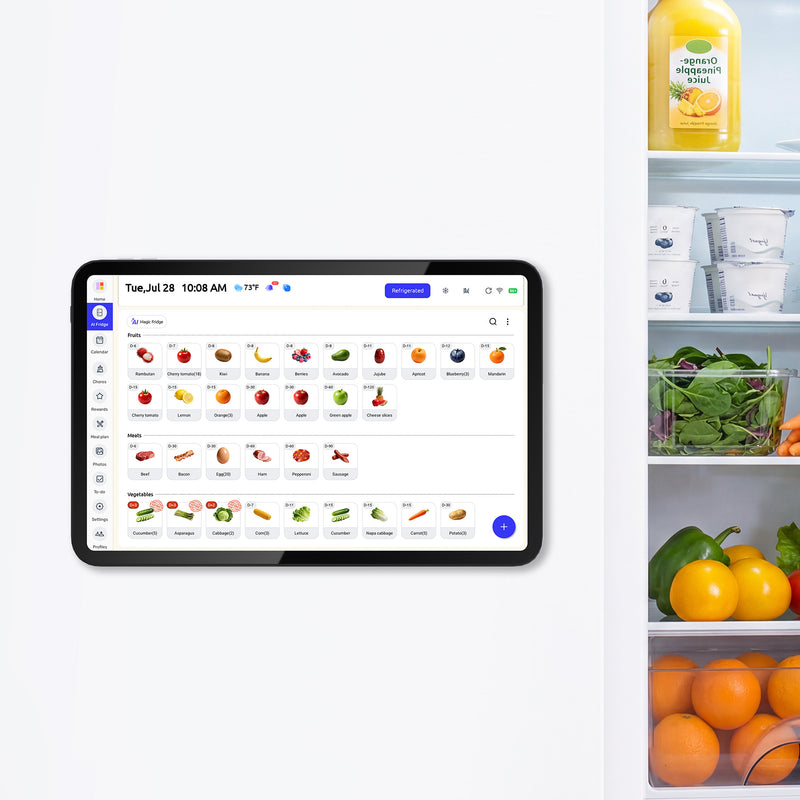
Ultimately, these zones are the foundation of a home that practically organizes itself. To take it one step further, you can tie all your physical systems together with a central planning hub. Our guide on how to set up a https://everblog.com/blogs/life-with-everblog/home-command-center-ideas shows you exactly how to do it.
Building Family Routines That Actually Stick

Let's be honest: a truly organized home isn't about one massive weekend clean-out. That's a temporary fix. Lasting order comes from small, daily habits that the whole family is a part of. This is how you finally stop the frustrating cycle of cleaning up, only to find everything in chaos again a few days later.
The secret I’ve found most effective is what I call the "15-Minute Family Reset." Every evening, before everyone scatters to their rooms or settles onto the couch, we set a timer for just 15 minutes. It’s an all-hands-on-deck effort to put the main living areas back in order.
You’d be amazed at what a difference this short burst of activity makes. It keeps the daily clutter from piling up and gives you a fresh start every morning.
The 15-Minute Family Reset in Action
Just put on some good music, set that timer, and get to it. Everyone grabs a task.
- Wipe down kitchen counters and the dining table.
- Round up stray shoes, books, and toys and return them to their designated zones.
- Fluff the couch cushions and fold any blankets.
- Put backpacks and coats on their hooks.
The point isn't a deep clean. It's simply a quick tidy-up to maintain the organization you worked so hard to create.
The real magic here is the shift in mindset. It’s not "Mom's job" or "Dad's job" to clean up—it's our job. It turns a potential chore into a quick, collaborative win for the whole family.
Creating a Chore System That Works
Of course, for routines to stick, everyone needs to know what they're responsible for. This is where a solid chore system comes into play, one that doesn't rely on you constantly nagging everyone. The key is to assign age-appropriate jobs and make them impossible to ignore.
A 5-year-old, for example, is perfectly capable of feeding the dog or putting their own toys in the bin. A 10-year-old can take on emptying the dishwasher or taking out the recycling. The best way I've found to manage this is with a visual chart. If you need help getting started, we have a complete guide on how to create a family chore chart that your kids will actually use.
And it's not just us—families everywhere are realizing how much these systems help. The global market for home organization is expected to reach USD 15.4 billion by 2025, driven by this exact need to make our homes more functional. When you consider the hours the average family wastes looking for lost items, it's clear these routines are about more than just being neat; they're about reclaiming your time. You can learn more about the growing trends in home organization on Accio.com.
Another game-changing routine? Meal planning. Taking just 30 minutes on a Sunday to map out the week’s dinners and write a grocery list completely eliminates that 5 PM "what's for dinner?" panic. It's a small time investment that pays off every single night.
Bring It All Together: Your Digital Family Hub
You’ve decluttered, you’ve set up your zones, and you’ve started building new routines. So what’s the secret to making it all stick? It's time to ditch the scattered paper calendars, the chore chart on the fridge that everyone ignores, and the endless "who's picking up whom?" text threads.
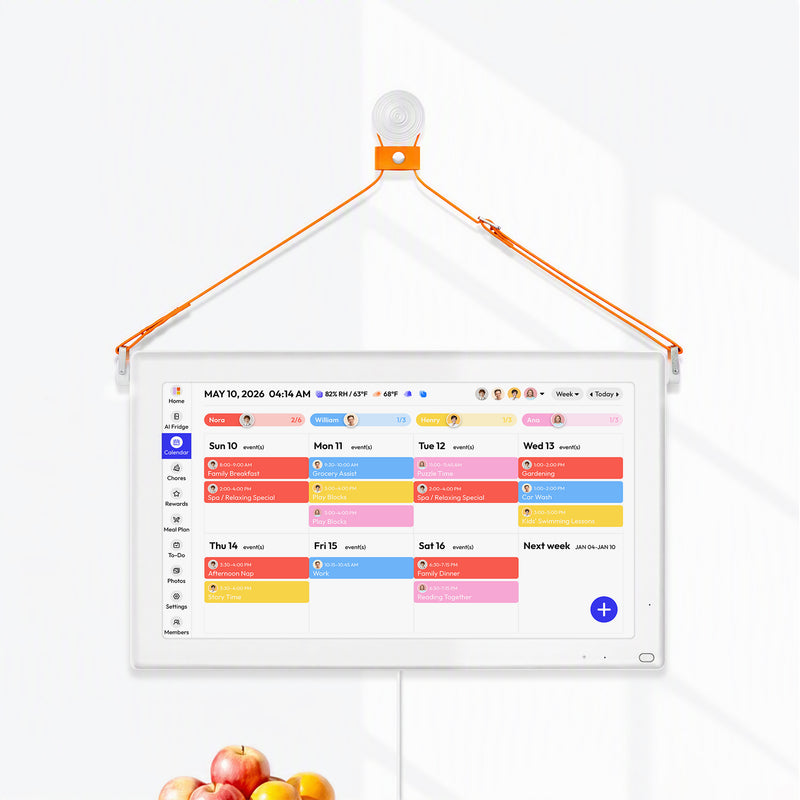
The final piece of the puzzle is creating a single command center for your entire family. Think of it as a digital home base that simplifies schedules, chores, and communication, all in one place.
This isn't about just swapping paper for an app. It's about lightening that mental load—that constant, nagging feeling that you're the only one keeping track of everything. When the whole family can see the plan for the week, from soccer practice to dentist appointments, you'll find that communication improves dramatically and far fewer things fall through the cracks. This is how you shift from simply getting organized to truly staying organized.

Your Calendar: The Heart of the Hub
A shared digital calendar is the foundation of this system. It's so much more than a log of appointments; it’s the tool that orchestrates the rhythm of your entire household.
Here’s what that looks like in real life: Your daughter’s basketball game, your son’s school field trip, and your own project deadline can all live in the same shared calendar, maybe color-coded by person so you can see who needs to be where at a glance.
No more double-bookings. No more "Oops, I forgot!" because the information is right there on everyone's phone or tablet.
By pulling every schedule into one view, you instantly eliminate confusion and create a single source of truth for the family. In my experience, this one change has the biggest impact on helping a family feel in control of their time.
For many, going fully digital feels incredibly freeing. It gets rid of the paper piles and gives you secure access to everything you need, whether you’re at home or waiting in the carpool line. The goal is a central hub that captures it all.
More Than Just a Calendar: Connecting Chores and Meals
A truly effective digital hub doesn't stop at scheduling. It weaves together all the different threads of running a home, which is essential for staying organized long-term.
It works by connecting different functions that used to be separate:
- Smarter Chore Management: Instead of a paper chart that’s easy to ignore, imagine your son getting a phone reminder that it's his turn to take out the recycling. You can even tie chores to allowances within the same app, which is a huge motivator for kids.
- Streamlined Meal Planning: Your weekly meal plan can automatically create a shared grocery list. When your partner uses the last of the milk or your teenager finishes the cereal, they can add it to the list from their own device. No more forgotten items.
This interconnected system just makes life smoother. When your tools can "talk" to each other, you spend way less time managing the tiny details and more time actually enjoying your home and family. It’s about creating an environment where organization happens almost on its own.
If you’re ready to build this for your own family, our guide on creating a digital family command center breaks down the best apps and strategies. This is the final step to a home that not only looks organized but runs with a sense of calm and order.
Your Common Home Organization Questions Answered
Getting your home in order is an exciting goal, but let's be honest—it’s never a straight line from chaos to calm. Even with the best systems, real-life challenges pop up. This is the point where so many people get stuck and give up, but it doesn’t have to be you.
Think of this as your field guide for troubleshooting the common issues that arise after that first big push to declutter and organize. We'll tackle the hurdles I see families face time and time again.
How Do I Stay Motivated When I Feel Overwhelmed?
That feeling of being completely overwhelmed is real. It's the moment you look around and the finish line seems impossibly far away. The secret is to stop thinking about organizing the entire house and start thinking about one tiny, achievable win.
Forget about clearing a whole weekend. Instead, just pick one small, manageable spot. It could be that one kitchen drawer that’s a tangled mess of rubber bands, a single shelf in the pantry, or that nagging pile of mail on the counter. Set a timer for 15-20 minutes and focus only on that.
Here's a little trick that works wonders: take "before" and "after" photos, even if it's just a drawer. Seeing that immediate visual proof of progress gives you a huge motivational kick and shows that your effort is paying off.
This tiny accomplishment creates momentum. The satisfaction you get from conquering one small zone makes it so much easier to tackle the next. It’s all about stringing together a series of small wins instead of staring down one massive, intimidating project.
What Is the Best Way to Handle Sentimental Items?
Ah, the sentimental stuff. This is almost always the hardest part of decluttering because you’re dealing with memories, not just things. The goal isn't to purge everything you care about; it’s to give those special items the honor and space they truly deserve.
A fantastic solution is to create a dedicated "memory box" for each person in the family. This isn't just another box for junk. It’s a curated home for truly cherished things—a baby's first pair of shoes, old love letters, meaningful travel souvenirs. By giving these items a special place, you get them out of the day-to-day clutter while still keeping the memories safe.
And for the constant influx of children's artwork? That can feel like a tidal wave. Try this approach:
- Go Digital: Take good photos of their creations and compile them into a digital album or a printed photo book at the end of the school year.
- Keep a Few Treasures: Let your child help pick a few absolute favorites from the year to go into their physical memory box.
This way, you celebrate their creativity without letting endless stacks of paper take over your newly organized space.
How Can I Get My Family on Board Without Nagging?
If you want your partner and kids to participate, the golden rule is this: involve them from the start. People naturally resist systems that are forced on them. But when they help create the system, they feel a sense of ownership and are far more likely to stick with it.
When you're creating zones, ask for their opinions. Let your kids have a say in where their toys should live or how their homework station is arranged. Frame the entire process as a team effort to make your home better for everyone. For younger kids, a simple reward system can turn chores into a fun game rather than a nightly battle. This is how you stop being the "chore police" and start building a team that works together.
Ready to pull all your family’s schedules, chores, and lists together in one place? The Everblog digital family calendar was built for exactly this. It brings order to the daily chaos, helps everyone stay in sync, and keeps your newly organized home running like a well-oiled machine. Discover how Everblog can transform your family's daily routine.


