




Every parent has tried the chore chart that lasted two weeks. Every parent has fought the homework battle at 9:00 PM. The problem usually isn't the kids — it's the system. Building a successful homework and chore routine for kids school year relies on a clear, central system rather than daily nagging. When expectations sit right where the family naturally gathers, children willingly take charge of their own days. Transitioning from summer freedom to autumn structure becomes a seamless team effort.
Why Do Kids Resist Routines at Home?
Children rarely rebel just to be difficult. They usually react to how parents present tasks.
The Psychology Behind Why Nagging Fails
- Verbal reminders sound like background noise to a tired child. When parents repeat instructions five times, kids learn they can ignore the first four. This cycle leaves parents exhausted and children feeling criticized.
- Micro-managing also strips away a child's control over their free time. Kids want independence as they grow older. A clear, visual roadmap works much better than constant verbal commands throughout the evening.
- Constant reminders also reinforce the idea that parents are responsible for remembering tasks. The child simply waits for the next verbal cue instead of taking action. Breaking this loop requires moving the schedule onto a neutral, shared surface.
What Kids Actually Respond To
Clear expectations and visual progress motivate children much more than abstract verbal schedules. Kids need to see what a finished task looks like and when it must happen. Fairness also affects how kids view their responsibilities.
- Visual tracking lets children see their personal success build up over the week.
- Predictable timelines show kids exactly when their work will end.
- Balanced workloads ensure every family member contributes an equal share of effort.
Seeing progress creates a physical marker of success that keeps kids moving forward. When the system feels fair, resistance drops away.
How Can You Setup a Successful Homework Habit?

Establishing a reliable flow for schoolwork requires matching assignments with your child's natural energy levels.
The Best Time of Day for Homework by Age Group
- Elementary students do best with a 30-minute snack and play break right after school to reset their focus. Avoid pushing homework past 6:00 PM, as younger children get too tired to concentrate.
- Middle schoolers need flexibility but require a firm, unchanging start time from Monday through Thursday. Letting them unwind for one hour before starting gives them a helpful sense of control.
- High school students must balance heavy workloads with sports or jobs. They benefit from mapping out their own weekend study blocks to prevent stressful, late-night cramming.
How to Create a Frictionless Study Environment
The ideal study spot is rarely an isolated bedroom desk. Most children work better near household activity, such as at the kitchen island or dining room table, where parents can help easily.
Keep pencils, rulers, and chargers in one portable basket. Eliminating a ten-minute search for a missing glue stick keeps the momentum strong and lets children work without delay.
Bright workspace lighting prevents eye strain during winter afternoons. A comfortable chair that allows kids to sit upright keeps them alert and engaged with their textbooks.
Managing Homework Around After-School Activities
Sports practices and music lessons easily disrupt afternoon routines. Parents must map out the weekly calendar ahead of time, shifting the homework window to the morning or right before dinner on busy nights.
- Weekly previews give children an early heads-up about packed sports nights.
- Portable study kits let kids finish reading assignments while waiting in carpool lines.
- Buffer zones provide 15 minutes of breathing room between arriving home and starting work.
Visual balance ensures no one feels caught off guard by sudden practice sessions. If a child sees that a busy Tuesday means a lighter Wednesday, they rarely complain.
Which Back to School Chore Chart Ideas for Kids Work Best?

Introducing responsibilities during the autumn transition builds practical life skills. Using organized charts keeps the household running smoothly.
|
Age Group |
Daily Responsibility |
Weekly Responsibility |
Estimated Time |
|
Kindergarten to 1st Grade |
Put shoes away in closet |
Wipe down the kitchen baseboards |
5 to 10 minutes |
|
2nd Grade to 4th Grade |
Clear personal dinner dishes |
Sort laundry into color piles |
15 minutes |
|
5th Grade to 8th Grade |
Take out household trash bins |
Empty and load the dishwasher |
20 to 30 minutes |
This breakdown keeps tasks manageable after a long day of classroom learning. Matching jobs to the right age keeps motivation high.
Age-Appropriate Chores From Kindergarten Through Middle School
- Younger children need simple, physical tasks with a clear end point. Asking a first grader to tidy the playroom is too vague. Instead, ask them to place all plastic blocks into the red bin.
- Older children can handle multi-step responsibilities that require independent judgment. Middle school students can manage their own laundry or clean a bathroom over the weekend. These tasks build confidence because they show you trust their growing abilities.
- High schoolers should handle tasks that prepare them for living on their own. Cooking one family meal a week or managing the grocery list builds excellent real-world skills. These bigger responsibilities help them see themselves as valuable partners in the household.
Managing a Chore Chart for Multiple Kids of Different Ages
Running a busy household requires a balanced chart so no sibling feels singled out. If the oldest child always gets the hardest jobs, resentment grows quickly. Rotate the popular and unpopular tasks weekly to keep the system fair.
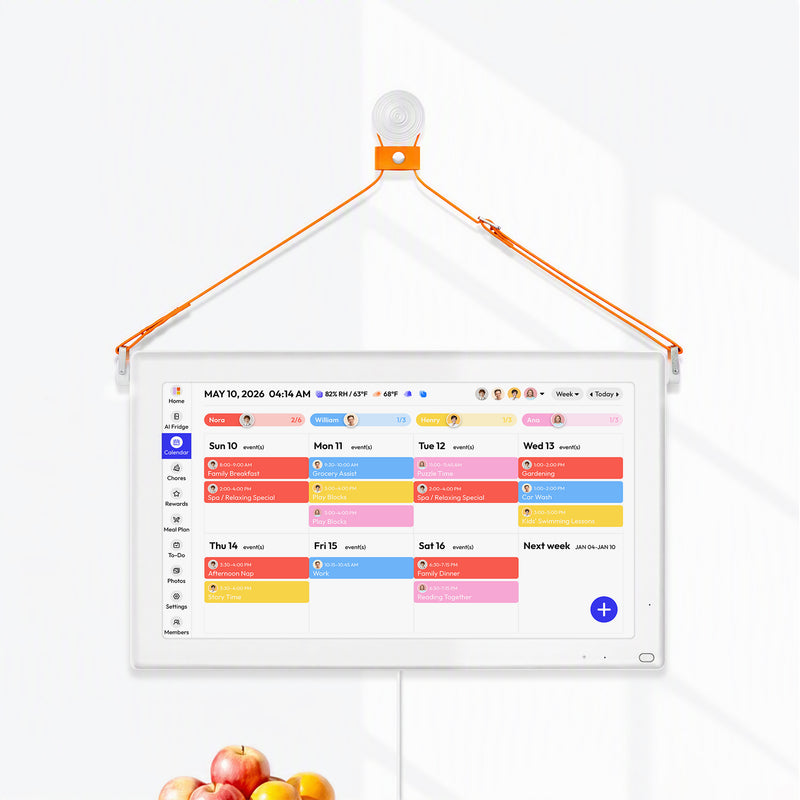
Color-coded assignments let each sibling instantly spot their personal duties across the kitchen.
Shared family goals encourage brothers and sisters to help each other finish.
Age-matched expectations ensure younger siblings handle simpler tasks while older kids take on bigger roles.
When children see the system treat everyone fairly, they stop arguing about who does more work. You can rotate tasks every Sunday afternoon to keep the routine fresh.
Making Daily Tasks Interactive Instead of Boring
Paper checklists often end up buried under school papers or lost behind counters. Transforming chores into an interactive experience keeps children engaged. When kids physically interact with their daily schedule, the tasks feel like a game.
- Try turning on a high-energy playlist for a quick ten-minute family cleanup blitz before dinner begins. Competing against a timer creates a fun challenge that distracts from the actual work. Making progress highly visible ensures that completing a job feels satisfying.
- You can also introduce a mystery chore element where one hidden task comes with a special bonus reward. This small twist adds excitement to the weekend cleaning routine. Keeping the atmosphere light makes household maintenance feel less like a punishment.
How Do You Design a Reward System for Kids' Chores and Homework?
A well-structured incentive program encourages long-term cooperation and reduces daily power struggles. Creating a balanced system transforms mandatory tasks into rewarding milestones.
Why Rewards Work and Where Parents Stumble
- Rewards work beautifully when they celebrate consistency instead of acting as a last-minute bribe to stop a tantrum. Bribing teaches children that resistance leads to a prize, which breaks the routine. True rewards are agreed upon in advance and earned through steady, predictable effort.
- Keep the system simple so you can actually maintain it through busy winter months. If tracking points requires a complex spreadsheet, you will likely abandon it within three weeks. Focus on rewarding effort and attitude rather than perfection.
- Another common mistake is tying basic human needs to the reward system. Fun weekend activities or screen time can be earned, but family time must always remain unconditional. Keep the stakes low and positive so the system builds connection instead of stress.
Balancing Short-Term Wins With Long-Term Goals
Younger children need immediate reinforcement to connect hard work with a positive outcome. A small daily privilege works perfectly for a seven-year-old, while older kids can accumulate points over a month for a larger reward.
- Daily check-ins provide instant validation for younger children who need immediate feedback.
- Weekly bonuses keep middle school students focused on mid-range goals like weekend friend hangouts.
- Long-term milestones teach children how to save up points for major items like video games.
Mixing these timelines keeps kids of all ages engaged in the same system. A child can celebrate a small daily win while keeping their eyes on a bigger monthly prize. This structure teaches valuable lessons about delayed gratification.
Using Visible Progress to Change Kid Behavior
Children love watching their progress stack up where the whole family can celebrate it together. Seeing a streak of completed tasks creates a psychological drive to keep that streak alive. This visible momentum replaces the need for parents to constantly offer verbal praise.
When a child walks past the kitchen and sees five green checkmarks in a row, they feel proud. That visual confirmation tells them they are succeeding without a parent saying a word. It changes the daily conversation from what they forgot to what they accomplished.
How Does Making Schedules Visible Help Kids Own Them?
Bringing your family schedule out into the open changes the entire dynamic of your home. When everyone can see the plan, children stop relying on you to manage their time.
Why the Kitchen Fridge Beats a Phone Reminder
- Hidden digital calendars on a phone do nothing to help a child develop independence. Kids cannot track what they cannot see, which leads straight back to constant parental nagging. Discovering how to get kids to do chores without reminders starts with putting the schedule in the center of the home.
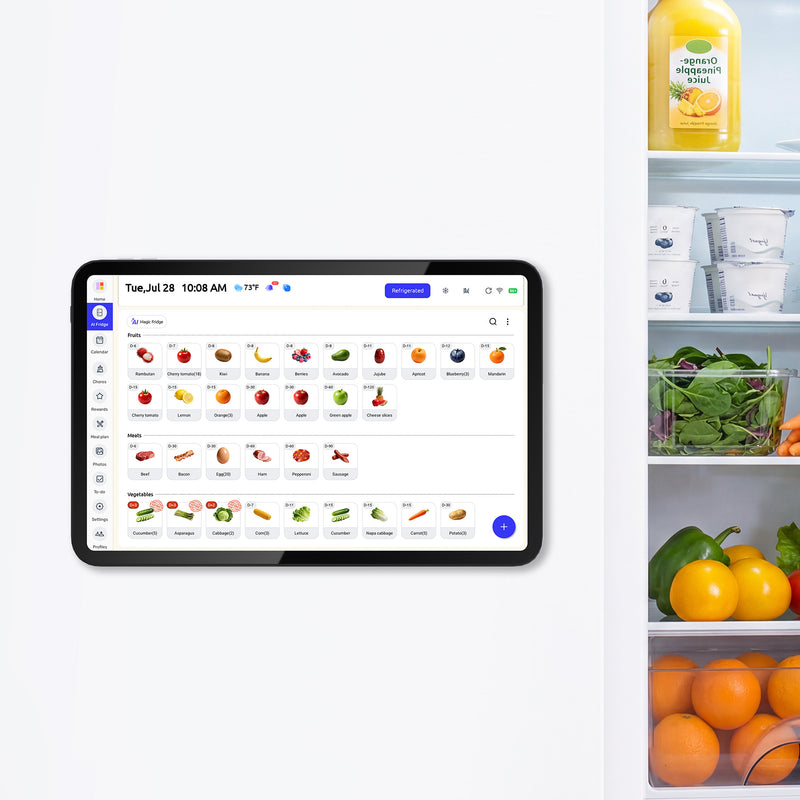
- The kitchen refrigerator is the natural crossroads where everyone stops multiple times each day. Placing a clear, bright schedule right there ensures that tasks remain top of mind. It becomes a silent assistant that guides your children through their afternoon steps.
- A phone alert is easy to dismiss with a single tap, but a central kitchen display cannot be ignored. It stands as a physical reminder for the whole family, creating a shared understanding of the day's goals. This public placement naturally encourages children to check their own progress.
The Power of Checking Off Completed Tasks Jointly
There is an immense sense of pride when a child physically checks off a completed math assignment. Doing this in a shared family space allows parents to notice the achievement without micromanaging. It shifts the conversation from a strict interrogation to a casual moment of shared success.
- Shared tracking builds an open culture of accountability where every family member participates.
- Physical interaction with a display panel gives children a tactile sense of completion.
- Public celebration of small daily wins boosts a child's confidence before they head to bed.
When a parent walks into the kitchen and sees that the trash has already been emptied, no words are needed. The checked-off box speaks for itself, allowing for a quick high-five instead of a lecture. This shared clarity brings a lighter, more peaceful energy to the entire household.
Shifting From Daily Nagging to Shared Screens
Moving away from verbal reminders helps restore peace to the kitchen during the hectic dinner rush. Instead of asking your children if they finished their reading, you can simply glance at the central hub. The kids know exactly where to look to see what remains on their plate for the evening.
This simple shift takes the pressure off mom to be the sole manager of every single household task. Dad, grandparents, and the kids can all look at the exact same screen to see what needs doing. It builds a quiet family agreement where everyone contributes without being pushed.
Build Your Ultimate Homework and Chore Routine for Kids School Year
Establishing a peaceful home flow does not require endless shouting or complicated paper charts. You can effortlessly streamline your family's daily habits by putting your schedule right on the refrigerator. Ready to bring harmony back to your kitchen hub this season? Check out the Everblog FridgeCal™?Calendar to give your kids a clear, interactive way to track their own success every single day.
FAQs About Your Homework and Chore Routine for Kids' School Year
Q1: How Do I Get My Kids to Do Chores Without Constant Reminders?
Put the schedule in a highly visible central location like the kitchen fridge using a digital display like the Everblog FridgeCal™?Calendar. When kids can see their tasks clearly on a bright screen, you can point to the display instead of repeating yourself. This builds personal ownership and cuts out verbal nagging entirely.
Q2: What Is a Good Homework Routine for Elementary School Kids?
Give them a 30-minute snack and movement break right after they get home from school. Tackle the hardest assignments around 4:30 PM at the kitchen table while you prepare dinner. Keep the session under 30 minutes to prevent evening fatigue.
Q3: How Do I Create a Chore Chart That Works for Different Ages?
Assign simple, single-step tasks to younger children and multi-step projects to older siblings. Displaying these on the Everblog FridgeCal™?Calendar allows you to use a clear, color-coded system so the distribution of work looks completely fair to everyone. Rotate the jobs weekly on the screen to avoid complaints.
Q4: Do Reward Systems Actually Work for Kids?
Yes, reward systems work incredibly well when you establish the rules ahead of time. Focus on rewarding steady daily consistency rather than using prizes as a last-minute bribe during a meltdown. Keep the rewards simple and easy to track.
Q5: How Do I Make Chores and Homework Part of the Daily Routine?
Tie these responsibilities to existing daily habits like eating breakfast or coming home from school. Make the schedule a permanent fixture in your kitchen so it becomes a natural part of the environment. Consistency every single afternoon is the ultimate key.


