
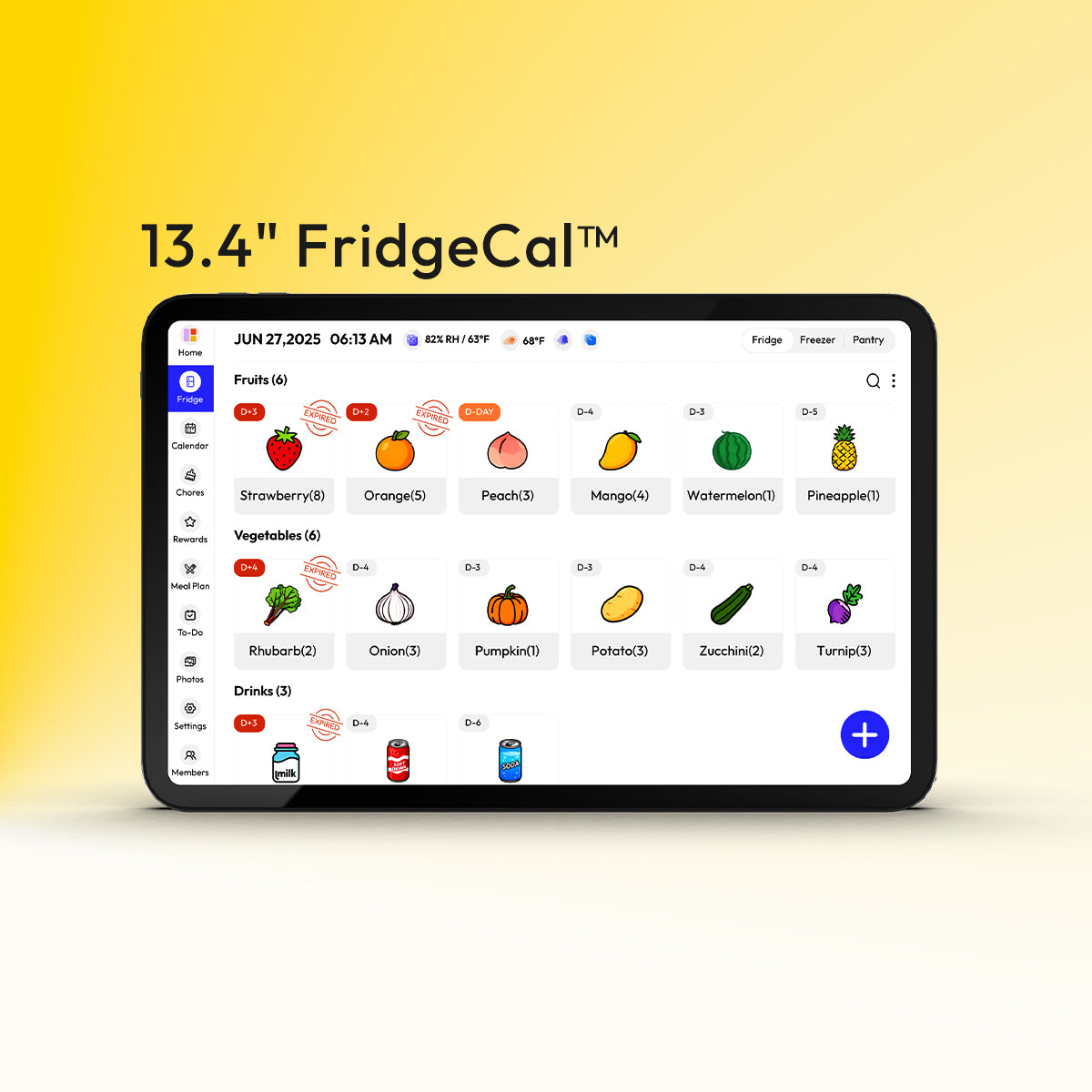
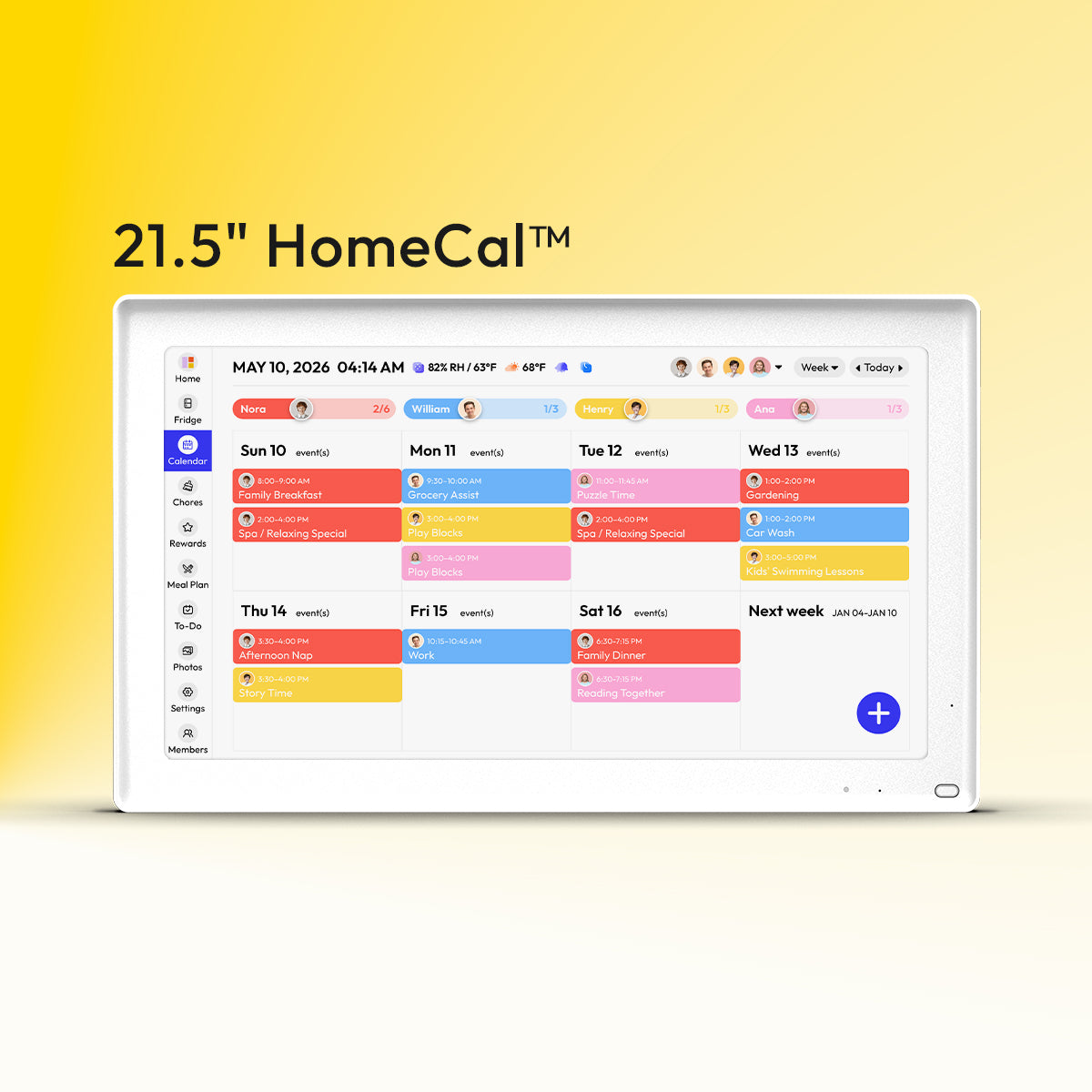

Meal prepping when you're feeding a small army isn't just about cooking ahead. It's about creating a rock-solid system to reclaim your evenings, stop the daily "what's for dinner?" panic, and get healthy, budget-friendly food on the table without losing your mind.
It’s less about a single Sunday cook-a-thon and more about building a reliable routine that tames the kitchen chaos for good.
Why Is This Even Worth the Effort?
Let's be real—feeding a big family often feels like you're running a 24/7 restaurant. Between school drop-offs, soccer practice, and homework battles, dinner time can feel more like a sprint than a time to connect. This is exactly where a meal prep system becomes your secret weapon.
The time crunch is a genuine struggle. Juggling schedules for a family of six, eight, or more is a logistical nightmare. It’s no surprise that a major 2018 study found that only 49.12% of teenagers across 43 countries ate daily meals with their families. That number really hits home—it shows just how much busy schedules are chipping away at family connection around the dinner table.
The Four Pillars of a System That Actually Works
A meal prep system that you’ll actually stick with isn't built on complicated recipes or picture-perfect containers. It’s a simple, repeatable process that rests on four core pillars. Get these right, and you'll save time, money, and a whole lot of sanity.
This is the entire process in a nutshell. It's a simple flow that takes you from idea to a fully stocked fridge.
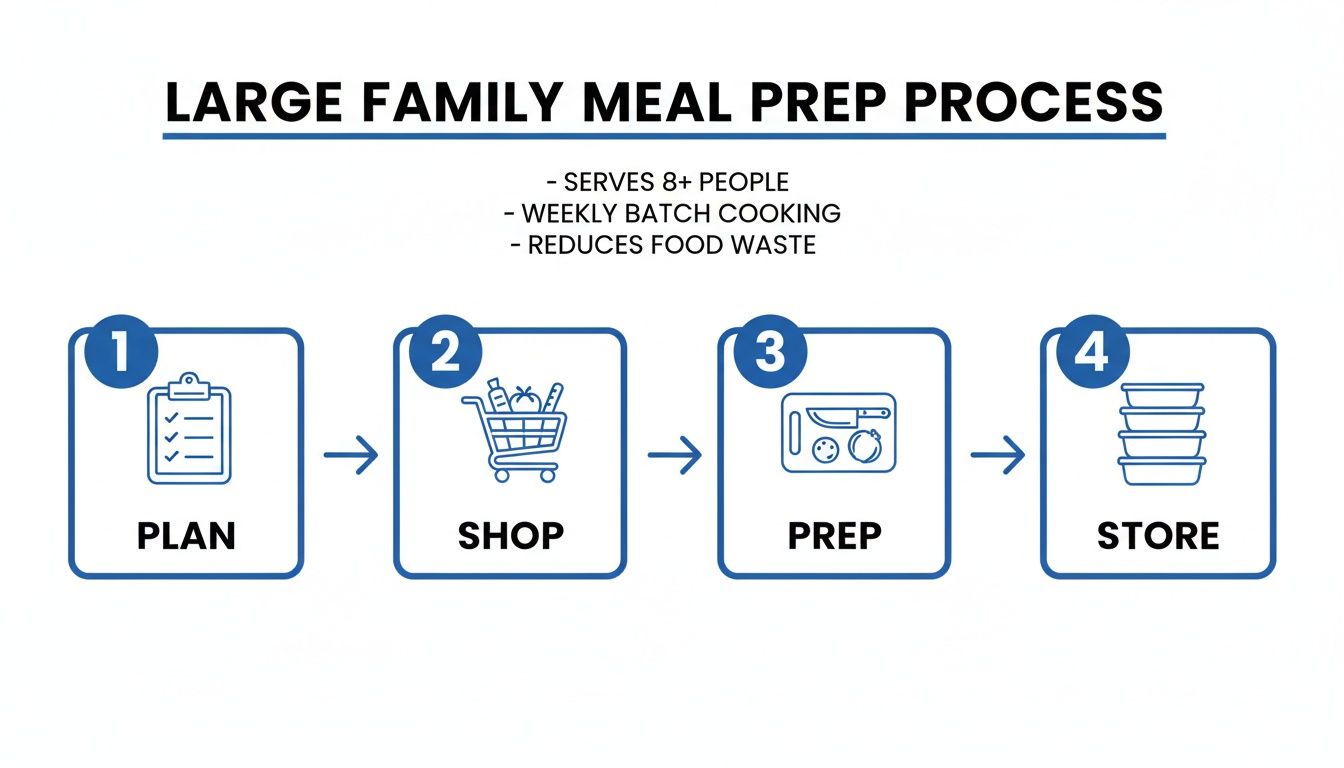
Mastering this four-part cycle—Plan, Shop, Prep, and Store—is what creates a kitchen that truly serves your family instead of stressing you out.
This table breaks down the entire philosophy into four simple, actionable parts.
The Four Pillars of Large Family Meal Prep
| Pillar | Objective | Key Action | Everblog Tool |
|---|---|---|---|
| Plan | Decide what to eat for the week. | Create a menu with scalable, family-friendly recipes. | Meal Planner |
| Shop | Get all ingredients efficiently. | Generate a categorized grocery list from your menu. | Auto Grocery List |
| Prep | Do the cooking and assembly work upfront. | Batch cook proteins, chop veggies, and assemble meals. | Recipe Finder |
| Store | Keep food fresh and easy to access. | Use proper containers and label everything clearly. | Family Calendar Notes |
Each pillar supports the next, creating a streamlined workflow that makes weeknight dinners feel effortless.
The goal is progress, not perfection. Every bit of prep you do is a win that gives you back precious time with your family.
When you put this system into practice, the benefits are immediate and go way beyond just getting dinner on the table.
- No More Decision Fatigue. Forget that 5 PM stare-down with the fridge. You'll always know what’s for dinner because the plan is already made.
- Serious Budget Savings. When you shop with a list, you kill impulse buys and slash food waste. That can easily add up to hundreds of dollars back in your pocket each month.
- Healthier Habits Stick. With delicious, home-cooked food ready to go, you're way less likely to cave and order expensive, not-so-healthy takeout.
- You Get Your Time Back. All those hours saved from daily chopping and cooking? That's time you can pour back into what really matters—hanging out with your kids. Using a shared kitchen calendar for your meal plan is a great first step to get everyone on the same page.
Building Your Family's Meal Prep Blueprint
If you want to stick with meal prepping long-term, you need more than just a pile of recipes. You need a solid plan. This is your family’s unique blueprint, the system that keeps you from feeling overwhelmed and helps you stay consistent. Before you even think about what to cook, you have to know what you already have.
It all starts with a quick but powerful pantry and freezer audit. It sounds official, but it’s really just a 15-minute sweep of your shelves, freezer, and fridge to see what needs to be used up. This one small habit can slash your food waste and trim down your grocery bill before you even step foot in a store.
Create Your Master Meal List
Once you know what’s on hand, it’s time to build your core menu. Forget about finding new, complicated recipes every single week. Instead, you're going to create a Master Meal List—a curated list of 15-20 family-approved meals that will become your go-to rotation.
Think of it as your family’s private restaurant menu. These are the tried-and-true dinners you know everyone will actually eat without a fuss. To get the basics down, it helps to explore how to master meal planning for busy families, as this is the foundation of your entire blueprint.
Your list should have a good mix of themes to keep dinner from getting boring. A balanced list might look something like this:
- Pasta Night: Baked Ziti, Million Dollar Spaghetti
- Taco/Mexican Night: Shredded Beef Tacos, Chicken Fajitas, Taco Soup
- Casserole Night: Chicken and Broccoli Bake, No-Peek Chicken
- Slow Cooker Night: Pulled Pork Sandwiches, Pot Roast
- Quick & Easy Night: Breakfast for Dinner, Homemade Pizza
This list completely ends the daily "what's for dinner?" struggle. When it’s time to plan, you just pull from your master list. No guesswork, just guaranteed wins.
Discover Your Ideal Prep Style
Let's be real: not everyone wants to spend eight hours in the kitchen on a Sunday, and that’s okay. Effective meal prep for a big family isn't a one-size-fits-all deal. You have to find a rhythm that actually fits your schedule and energy levels.
Most people fall into one of two camps, though you can definitely mix and match.
- The Sunday Batch-Cooker: This is the classic approach. You block out a chunk of time (usually 3-4 hours on a weekend) to cook and pack up complete meals for the week. This style is perfect if you want your weeknights to be totally free from cooking duties.
- The Component Prepper: Instead of making full meals, you just prep the ingredients. Think dicing all your onions, browning all the ground beef, cooking a huge batch of rice, or chopping up veggies for the next few days. This is a game-changer if you like freshly assembled meals but hate the daily prep work.
A hybrid approach often works best. You could cook two full meals on Sunday, then just prep the components for three others. It’s the perfect blend of being prepared without sacrificing flexibility.
Centralize Your System with a Digital Hub
So you’ve taken inventory, built your master list, and picked a prep style. The final piece is bringing it all together. Juggling sticky notes, random texts, and a mental grocery list is a recipe for chaos when you have a big family. A central command center is non-negotiable.
This is where a tool like Everblog’s Meal Planner becomes your mission control. It lets you:
- Store your Master Meal List so it’s always right there.
- Drag and drop meals onto your weekly calendar.
- Automatically generate a shopping list from your meal plan.
- Share the plan and list with your partner or older kids.
By centralizing everything, you create a clear, accessible blueprint the whole family can see and contribute to. It turns a messy, stressful process into a smooth, manageable routine—which is really the whole point of meal prepping in the first place.
Scaling Recipes and Mastering the Grocery Run
Turning a recipe built for four into a meal for seven or more is part art, part science. Just doubling or tripling everything is a recipe for disaster—think watery stews or casseroles that are somehow both burnt and raw. You have to get a feel for it.
The good news is that some meals are incredibly forgiving. Soups, chilis, and most pasta sauces are your best friends here. Their liquid base helps all the flavors meld beautifully in bigger batches. Casseroles like baked ziti or chicken and broccoli bakes are also fantastic candidates for scaling up.
The Art of Smart Recipe Scaling
So, how do you scale a recipe without ruining it? It’s not a one-to-one conversion. While you can usually double the meat and veggies without issue, other ingredients need a lighter touch.
- Spices and Seasonings: Whatever you do, don't just triple the salt or cayenne pepper. Start by adding 1.5 times the original amount. You can always add more, but you can’t take it out. Taste as you go—flavors concentrate differently in larger pots.
- Liquids: Be careful with broth, water, or milk. A bigger pot often means more surface area for evaporation, but a deeper pot can mean less. I usually start with about 75% of the scaled liquid amount and add more if the dish looks dry.
- Cookware and Time: A double batch won't fit in the same pan. You’ll need a bigger Dutch oven, a wider skillet, or multiple baking dishes. This changes everything. A deeper casserole, for example, will need more time to cook through.
Here’s a little trick I’ve learned for big casseroles: lower the oven temperature by about 25°F and plan on increasing the bake time by 25-50%. Always trust your eyes and a thermometer, not just the timer.
Transforming the Grocery Run into a Science
For a big family, an unplanned grocery trip is chaos. It wastes time, blows the budget, and almost guarantees you'll forget something critical. The goal is to turn that frantic chore into a streamlined, strategic mission. It all starts with a hyper-organized grocery list.
Stop writing a random list of items. Instead, organize it by the store's layout: produce, meat, dairy, pantry staples, frozen foods. This simple shift puts an end to the endless backtracking and cuts down on those impulse buys that always seem to happen in the snack aisle.
The pressure to get healthy meals on the table is real. Studies show that families globally only manage to eat together on 25%-50% of the week. That number feels even more challenging when you’re feeding a crowd. And while public programs invested over $67.2 billion into school meals in 2022, mastering the routine at home is what truly moves the needle. You can read more about these global family meal trends to see just how vital these home-based strategies are.
Mastering Budget-Friendly Shopping Strategies
Your grocery list is your best defense against overspending. To really make an impact on your food budget, you need a few go-to strategies for buying in bulk.
- Calculate Price-Per-Unit: The biggest package isn't always the cheapest. Get in the habit of checking the price per ounce or per item. You'd be surprised how often two smaller, on-sale items beat the jumbo-sized version.
- Embrace Bulk Bins: For staples like rice, oats, beans, and spices, the bulk bins are a goldmine. You can buy the exact amount you need for your giant recipes, which cuts down on both cost and packaging waste.
- Use a Collaborative List: A shared digital list is a game-changer for big families. Using a grocery list app designed for families means anyone can add milk or bread the second they realize it's running low. No more forgotten items, and no more "quick" trips to the store that cost you an extra $50.
By pairing smart recipe math with a scientific approach to shopping, you build a powerful system. You’ll not only make delicious meals that are actually the right size for your family, but you’ll finally get a handle on your grocery budget and your time.
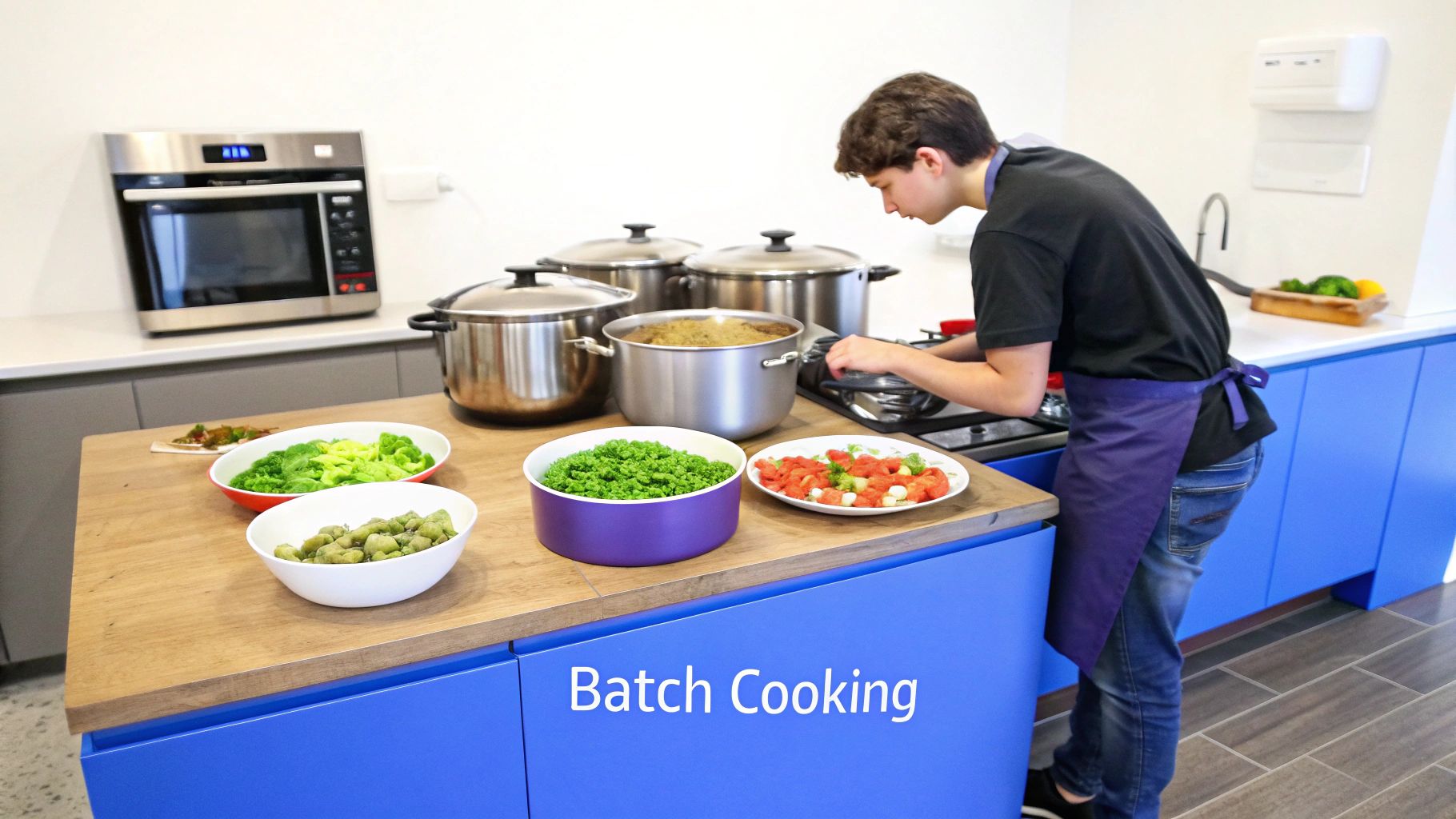
Executing a Flawless Batch Cooking Session
Alright, you’ve got your scaled-up recipes and a grocery list that looks like a military supply manifest. Now it’s time for the main event: turning your kitchen into an efficient command center. This isn't about frantic, chaotic cooking. This is a strategic operation designed to buy you back hours during the week.
The real secret weapon, borrowed from professional chefs, is something called 'Mise en Place.' It’s a fancy French term that just means "everything in its place." Before a single burner is lit, every onion is diced, every spice is measured out, and every can is opened. For a huge family, this isn't just a neat trick—it’s a survival tactic.
Just picture it: you're trying to dice six onions while simultaneously browning five pounds of ground beef. That's a one-way ticket to burnt food and a stress-induced headache. Instead, block out the first 30-45 minutes of your prep session just for getting ingredients ready. Wash the produce, chop all the veggies, and group them by recipe. Trust me, this upfront time investment makes the rest of the process feel like a smooth-running assembly line.
Creating a Logical Cooking Flow
Once your ingredients are prepped and ready to go, the key to not losing your mind is sequencing your tasks logically. Think like a project manager. You have to prioritize based on what takes the longest to cook so you’re never just standing around waiting.
Start with the things that require the most hands-off cooking time. This sets the foundation for your whole session, freeing you up to tackle the quicker stuff while the heavy hitters do their thing in the background.
A smart cooking sequence usually looks something like this:
- Long-Cook Items First: Get that pot roast into the slow cooker, slide the whole chickens into the oven, or get a massive pot of chili simmering on a back burner. These things can take hours, so they absolutely have to go first.
- Grains and Starches Next: While your main proteins are cooking away, start the rice, quinoa, or pasta. These typically take 20-40 minutes and don’t need much babysitting once they're going.
- Quick-Cook Components: Now's the time for the fast jobs. Sauté ground beef for tacos, grill up chicken breasts, or roast a few sheet pans of chopped vegetables.
- Final Assembly: Once everything is cooked, the last part is just putting it all together. Portion out meals into containers, pack up individual components, and get everything set for the fridge or freezer.
By working from the longest cook time to the shortest, you create overlapping timelines that squeeze every last bit of productivity out of your time. It’s the difference between a three-hour session and an all-day ordeal.
Leverage Your Appliances and Your Team
Your kitchen appliances are your assistant chefs, so put them to work. A truly efficient batch cooking session means using them all at once. Don’t be afraid to have the oven, stovetop, slow cooker, and Instant Pot all running at the same time. Having the right tools makes a huge difference, especially with big quantities. It might be worth checking out guides on the best air fryer for large family cooking to really speed things up.
But your most valuable resource? It’s not an appliance—it’s your family.
Delegating tasks is a game-changer. It speeds up the process and teaches your kids skills they’ll actually use. Suddenly, meal prep becomes a team sport instead of a chore only you have to do.
Assign jobs based on age and ability to keep it fun and collaborative.
A Real-World Delegation Example
- Ages 5-7: Can handle simple, safe tasks. Think washing produce in the sink, tearing lettuce for salads, or stirring cold ingredients.
- Ages 8-11: Ready for more complex jobs like measuring out ingredients, cracking eggs, or using a butter knife to slice soft things like mushrooms.
- Ages 12+: Teenagers can take on real responsibility. With supervision, they can chop vegetables, brown ground meat on the stove, or manage timers.
When you turn meal prep into a shared family activity, you're doing more than just getting dinner ready. You're building teamwork, teaching responsibility, and creating good memories around food. And best of all, you’re making the whole process faster and way more enjoyable for everyone.
Smart Storage and Reheating for Delicious Results
Okay, your marathon batch-cooking session is done. High five! But that's only half the battle. How you store and reheat those amazing meals determines whether Thursday’s dinner is a win or a soggy, sad disappointment.
Getting storage right isn't just about cramming things into the fridge. It’s about preserving the flavor, texture, and all that good nutrition you just worked so hard to lock in. Think of your containers as an investment—the right ones save you time and prevent food from ending up in the trash.
Choosing Your Food Storage Arsenal
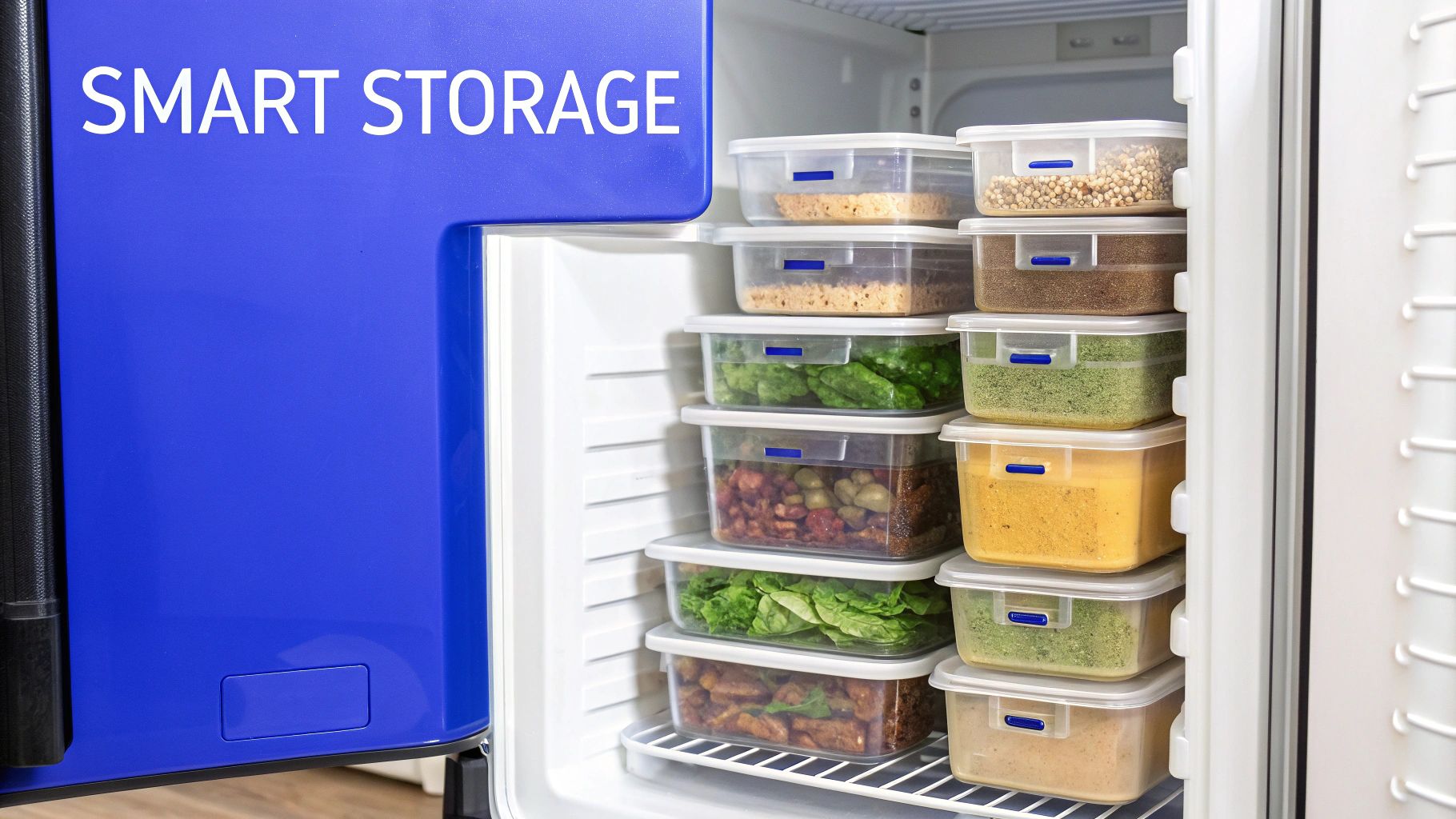
When you're feeding a small army, you need containers that can handle the volume. We’re talking durable, stackable, and big enough to actually hold a family-sized portion. The two big players are glass and plastic, and honestly, you'll probably want a mix of both.
- Glass Containers: I love these for reheating. They go straight from the fridge to the oven or microwave, which means fewer dishes. Plus, they don’t get stained by tomato sauce or hold onto that leftover chili smell. The downside? They’re heavy and can be a bigger upfront cost.
- Plastic Containers: These are the lightweight, budget-friendly workhorses. They stack beautifully and are great for sending leftovers to school or work. Just make sure you're grabbing BPA-free options that are safe for the freezer and microwave. They do tend to warp or stain over time, but they get the job done.
My system is a hybrid one: glass for big meals like casseroles and pasta bakes that will be reheated for dinner, and plastic for components like chopped veggies, snacks, and single-serving lunch portions.
Mastering Your Fridge and Freezer Space
An organized fridge and freezer are non-negotiable when you’re dealing with this much food. It’s the only way to avoid that science experiment hiding in the back. For a deep dive, you might want to check out our guide on ultimate fridge organization for families.
A Pro Tip for Freezing: This is a big one. Never put hot food directly into the freezer. Let big batches of chili, soup, or shredded chicken cool on the counter for an hour or so, then pop them in the fridge to chill completely. Once cold, move them to the freezer. This prevents the ice crystals that cause nasty freezer burn.
And please, label everything. It takes two seconds and saves so much guesswork later. A roll of masking tape and a Sharpie are your best friends.
On every label, write three things:
- What it is: (e.g., "Taco Meat")
- How many servings: (e.g., "6 servings")
- The date you made it: (e.g., "10/26")
No more mystery meals!
The Art of Reheating for Perfect Results
The microwave is fast, but it’s the enemy of texture. Nobody wants soggy, rubbery food. Reheating your meals the right way makes them taste like you just cooked them from scratch.
Here’s my go-to guide for reheating:
- Oven/Toaster Oven: This is your best bet for anything that needs to be crispy. Think roasted veggies, casseroles, or baked chicken. A lower temp, around 325°F, heats everything through without drying it out.
- Stovetop: Perfect for soups, stews, and sauces. You can control the heat, give it a good stir, and add a splash of broth or water if things have thickened up too much in the fridge.
- Air Fryer: A total game-changer for reheating leftovers like chicken nuggets, pizza, or anything breaded. That circulating hot air brings the crisp back in minutes. If you’re cooking for a crowd, it’s worth finding the best air fryer for large family needs.
At the end of the day, meal prep is the bridge that gets a home-cooked dinner on the table even on the most chaotic nights. With 46% of people in the US relying on advance meal planning, it's a proven strategy for bringing families together more often. Batch cooking makes it happen.
Common Meal Prep Questions Answered
Even with the best system in place, meal prepping for a big family can throw you a few curveballs. When you're juggling different tastes, tight budgets, and even tighter schedules, questions are bound to pop up.
Let's tackle some of the most common challenges I hear from parents, with real-world solutions that actually work. These are the quick fixes that will get you unstuck and keep your meal prep train running smoothly.
How Do I Handle Picky Eaters Without Cooking Multiple Meals?
This is the big one, isn't it? The secret is to stop thinking about prepping "finished meals" and start prepping "meal components." Instead of making a fully assembled casserole that one kid will inevitably turn their nose up at, you deconstruct it.
Think of it as setting up a "build-your-own" bar. This gives everyone, especially kids, a sense of control over what goes on their plate.
A taco bar is the classic example. You prep the seasoned ground beef, shred the lettuce, dice tomatoes, and grate some cheese. Everyone grabs a tortilla and builds their own masterpiece. No complaints.
This strategy is a game-changer for so many meals:
- Pasta Night: Offer a couple of noodle shapes, a red sauce, maybe an Alfredo, and toppings like meatballs or sautéed veggies.
- Baked Potato Bar: A big batch of baked potatoes is the perfect canvas for chili, cheese, broccoli, sour cream, and bacon bits.
- DIY Pizza: Use pre-made crusts and let everyone go wild with their favorite toppings you've already prepped.
By empowering your family to build their own plates, you basically eliminate mealtime arguments. You cook once, but everyone gets a meal they're happy to eat. It’s such a simple shift, but it makes a world of difference.
What Are Some Budget-Friendly Meals That Scale Easily?
To keep that grocery bill from spiraling, you need to lean on inexpensive, filling staples that are easy to make in huge quantities. These are the workhorse meals that stretch your dollar without anyone feeling like they're missing out.
Build your menu around things like beans, lentils, pasta, and potatoes. A massive pot of black bean chili, a hearty lentil soup, or a simple spaghetti with tomato sauce can feed a crowd for just a few dollars. And never underestimate the power of "breakfast for dinner"—pancakes and scrambled eggs are cheap, cheerful, and always a hit.
One of my favorite strategies is the "cook once, eat twice" method.
- Roast a big chicken on Sunday. Serve it that night with roasted potatoes and vegetables.
- Shred the leftover chicken. The next day, it becomes chicken salad sandwiches, a comforting chicken pot pie, or a quick chicken noodle soup.
This approach squeezes every bit of value out of a single protein, saving you serious time and money.
I Don't Have a Full Day for Meal Prep. How Can I Make It Work?
Forget the eight-hour Sunday marathon in the kitchen. You absolutely don't need it. The key is to break your prep down into smaller, more manageable chunks throughout the week. Some people call it "micro-prepping," and it's a lifesaver.
Instead of one giant session, find small pockets of time to get ahead. While your coffee is brewing in the morning, spend 15 minutes chopping onions for the next two nights' dinners. While Tuesday's meal is simmering on the stove, wash and tear lettuce for salads.
These little 20-30 minute efforts add up in a huge way and drastically cut down your active cooking time on busy weeknights. My advice? Schedule these micro-sessions into your family calendar just like any other appointment. It helps build the habit.
How Do I Prevent Getting Bored with the Same Meals?
Variety isn't about making ten totally different, complicated dishes each week. It's about how you use your prepped components. The trick is to prep versatile "building blocks" instead of complete, unchangeable meals.
For instance, cook a large batch of shredded chicken at the start of the week.
- Tuesday: It goes into chicken tacos.
- Thursday: Mix it with BBQ sauce for pulled chicken sandwiches on buns.
- Saturday: Toss it on top of a big salad for a light lunch.
Same goes for vegetables. A big container of roasted bell peppers and onions can be a side dish one night, mixed into a pasta sauce the next, and folded into omelets over the weekend. When you focus on flexible ingredients, you can create dozens of unique combinations from a single prep session. That's how you keep things fresh and interesting for the long haul.
Ready to bring all your family’s schedules, chores, and meal plans into one central hub? The Everblog digital family calendar is designed to end household chaos. With a shared display, everyone stays in sync, from soccer practice to what’s for dinner. Learn more and see how it can calm your days.


