
The start of a new year often brings a desire for change, but vague resolutions like "be more organized" rarely stick. For families, the secret to creating lasting harmony and connection lies in setting clear, actionable goals together. This isn't about adding more to an already packed schedule; it's about defining shared priorities and creating systems that reduce daily friction. Moving beyond abstract wishes and into concrete plans is the key to building a more organized, collaborative, and joyful home environment.
In this guide, we'll explore 10 specific sample family goals designed to address common household challenges, from chaotic schedules and mealtime stress to inconsistent chores. You won't find generic advice here. Instead, each goal is broken down into a SMART framework (Specific, Measurable, Achievable, Relevant, Time-bound), complete with age-appropriate versions and practical steps to get started immediately. These goals focus on building robust systems for communication, financial planning, and daily routines that work for everyone.
By setting intentional goals, you create a shared purpose that reinforces your family's values. For practical strategies on fostering deeper connections, consider exploring ways of strengthening family relationships through simple bonding activities that complement these structured objectives. Let’s dive into the tangible goals that can help your family thrive.
1. Establish a Unified Family Calendar System
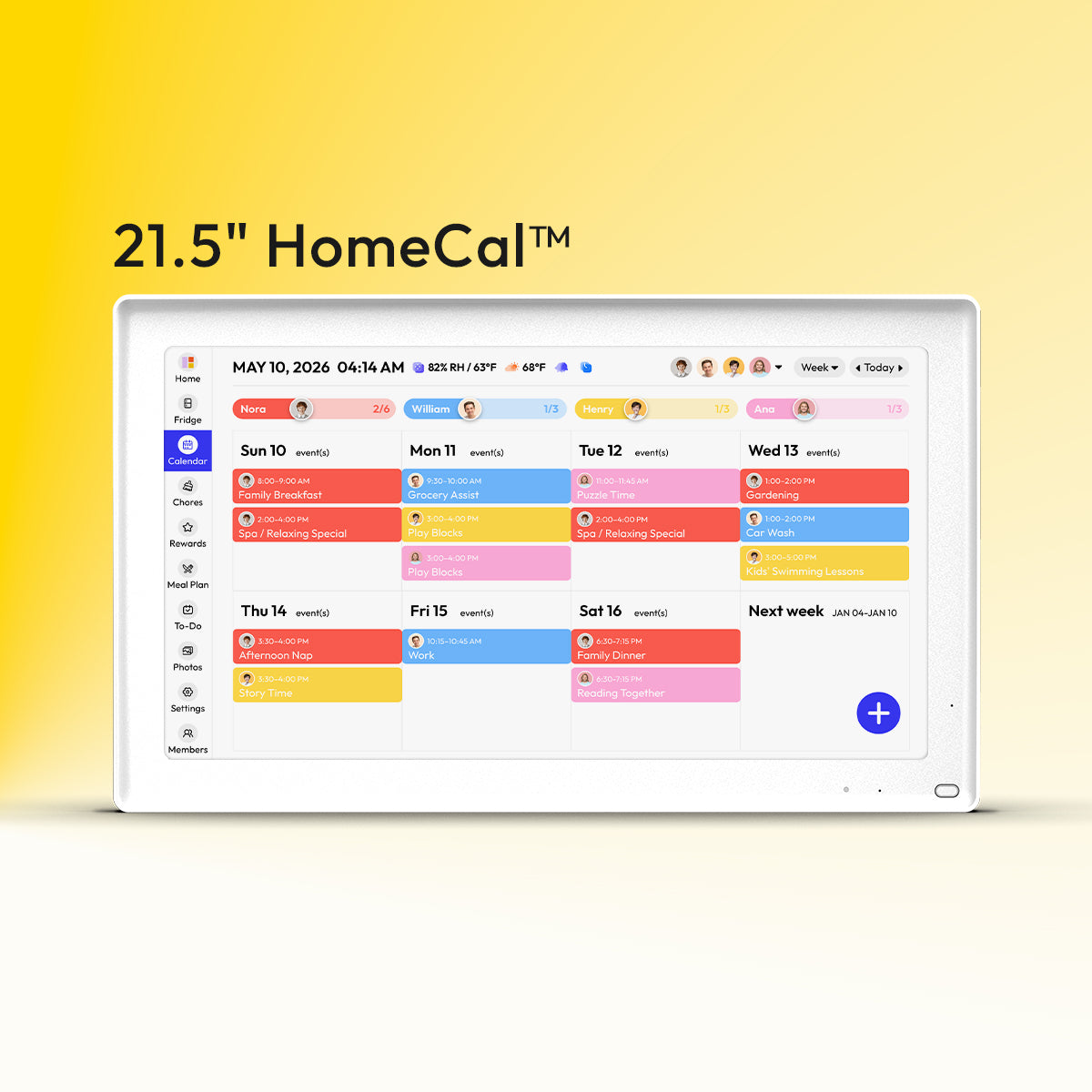
Creating a centralized location for all schedules is one of the most effective sample family goals for reducing daily chaos. A unified calendar system acts as the single source of truth for school events, work meetings, medical appointments, and extracurricular activities. This ensures everyone, from parents to older children, knows what's happening and when, preventing double-bookings and last-minute scrambles. It transforms reactive planning into a proactive, shared responsibility.

Many families find success with shared digital tools like Google Calendar, which allows for easy syncing between phones and computers. Others prefer a more visible command center, using large digital wall displays to keep the month's schedule in a high-traffic area like the kitchen. This approach is particularly effective for co-parenting households, where a shared calendar is crucial for coordinating custody, handoffs, and activity schedules without constant back-and-forth communication.
How to Implement This Goal
To get started, assign one person as the primary calendar manager to ensure consistency at first. As the family gets used to the system, teach others how to add their own events.
- Color-Code: Assign a specific color to each family member (e.g., blue for Dad, green for Sofia, purple for soccer practice).
- Weekly Check-in: Schedule a mandatory 5-minute family meeting every Sunday evening to review the upcoming week. This helps catch potential conflicts early.
- Set Reminders: Use the calendar's notification feature to set reminders 24 hours and 1 hour before important events to keep everyone on track.
Choosing the right platform is key; you can explore options to find the best digital calendar for families that fits your specific needs.
2. Implement a Transparent Chore System with Accountability
Establishing a structured chore management system is one of the most practical sample family goals for fostering teamwork and life skills. A transparent system assigns age-appropriate responsibilities to each family member and tracks completion, ensuring household maintenance is distributed fairly. This clarity removes ambiguity about who does what, reduces arguments, and instills a powerful sense of shared ownership in keeping the home running smoothly.

This approach is highly effective in blended households, where a shared chore system can establish equity and fairness from the start. Many families rely on apps that offer visual progress indicators and reminders to keep everyone on task. The key is visibility; when everyone can see the plan and the progress, accountability becomes a natural part of the family culture rather than a source of conflict.
How to Implement This Goal
Start small to build momentum and avoid overwhelming anyone, especially younger children. The goal is to build consistent habits, not to achieve a perfectly clean house overnight.
- Assign 2-3 Chores: Begin by assigning just a few core responsibilities to each child based on their age and ability.
- Pair with Visuals: For younger kids, supplement a digital system with a physical checklist or sticker chart to make tracking more tangible and fun.
- Rotate Tasks: Switch chores monthly or quarterly to expose children to a wider range of household skills, from laundry to yard work.
- Use Natural Consequences: If a task isn't done, link the consequence directly to the chore (e.g., "We can't watch a movie until the toys are put away").
For more ideas, you can explore how to set up an effective chore chart and reward system that motivates your family.
3. Create a Family Meal Planning and Grocery Management Routine
Coordinating weekly meal planning with a collaborative grocery list is one of the most practical sample family goals for saving time, reducing food waste, and ensuring healthier eating. A shared routine transforms the daily "what's for dinner?" scramble into an organized, predictable process. By planning meals together and maintaining a real-time grocery list, families can manage dietary needs, stick to a budget, and simplify shopping trips.

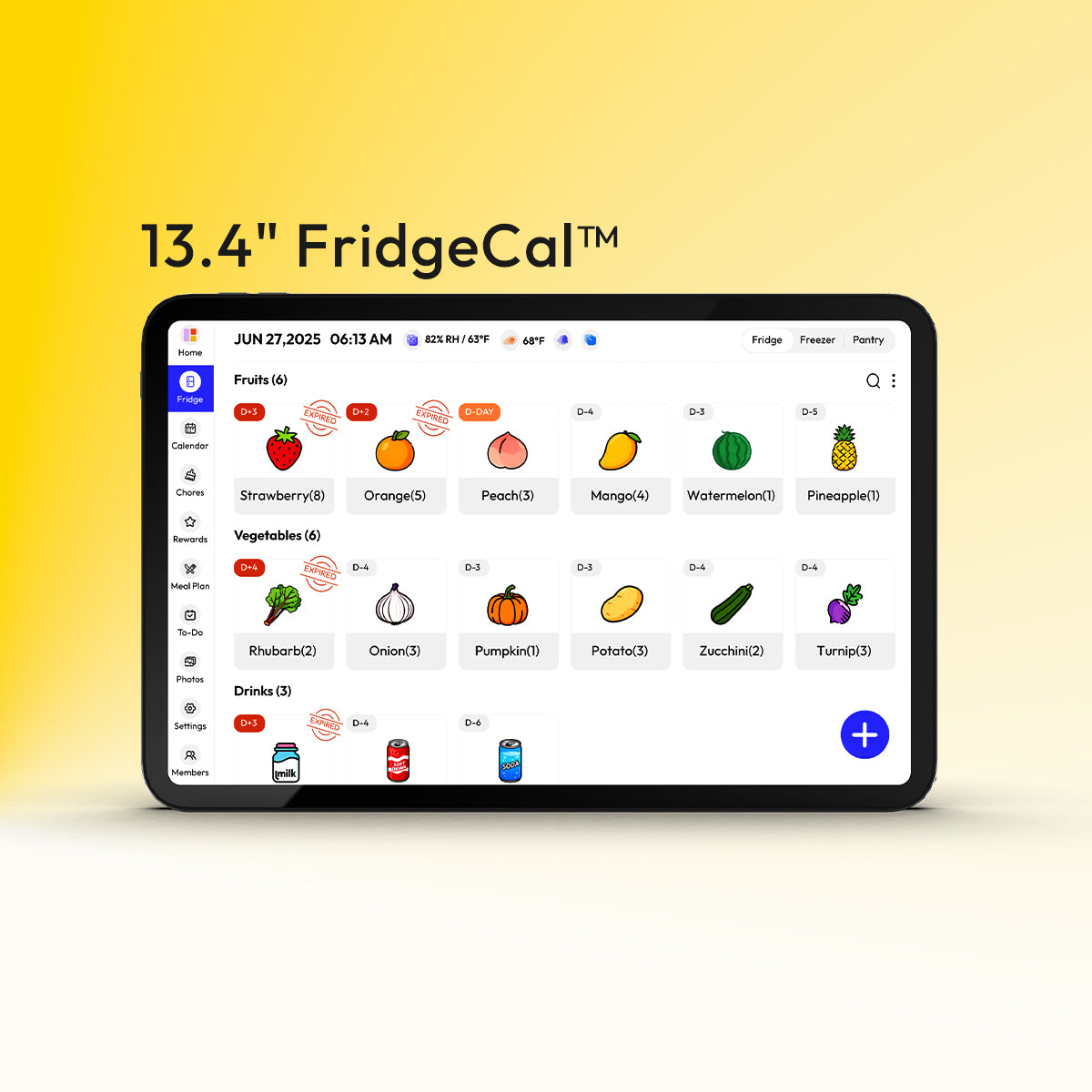
This approach is especially effective for blended families accommodating multiple preferences or for anyone looking to cut down on impulse buys at the store. Many families use apps like Mealime or integrated digital hubs with meal planning and grocery list features to keep everyone on the same page. This allows any caregiver to see the week's menu and access the updated shopping list from their phone, preventing duplicate purchases and forgotten items.
How to Implement This Goal
The key is to make meal planning a collaborative and consistent family activity rather than a chore for one person. Start by setting aside a specific time each week to plan.
- Involve Everyone: Let children choose one or two meals per week to increase their buy-in and reduce mealtime complaints.
- Plan Around Sales: Build your weekly menu around what's in season or on sale at your local grocery store to maximize savings.
- Check Your Pantry First: Before finalizing the grocery list, do a quick inventory of your pantry, fridge, and freezer to avoid buying what you already have.
- Batch and Theme: Simplify planning by creating theme nights like "Taco Tuesday" or "Pasta Night." This makes it easier to stock up on staple ingredients.
4. Establish a Family Reward and Motivation System
Creating a structured reward system is one of the most effective sample family goals for encouraging positive behavior and accountability. A gamified system transforms routine tasks, like chores or homework, into engaging challenges with clear incentives. By using points, stars, or milestones, you can motivate children to build good habits while celebrating their progress in a fun and transparent way. This approach shifts the focus from nagging to positive reinforcement, making responsibilities feel like achievements.
Many families find success using chore apps like ChoreMonster or OurHome, which use points and badges to motivate kids. The key is to connect effort with rewards that align with family values, such as experiences over material items. For instance, earning points could lead to choosing the family movie night film or getting an extra 30 minutes of outdoor play. This system helps children understand the direct relationship between their contributions and positive outcomes.
How to Implement This Goal
Involve your children in creating the system to ensure their buy-in and excitement. Let them help choose the rewards and decide how points are earned.
- Define Clear Tasks: List specific, age-appropriate responsibilities and assign a point value to each.
- Offer Tiered Rewards: Create a mix of small, daily rewards (e.g., picking a song in the car) and larger, weekly or monthly milestone rewards (e.g., a special family outing).
- Focus on Experiences: Prioritize non-material rewards like a one-on-one "date night" with a parent or choosing the menu for a special dinner. Understanding What Is Meal Prepping and How to Start Without the Stress can make fulfilling this reward even easier.
- Celebrate Publicly: Acknowledge and celebrate when a child reaches a goal. A simple high-five or a shout-out at the dinner table makes their achievement feel significant.
5. Build a Central Family Communication Hub
Establishing one primary location for family announcements, messages, and important information is a powerful sample family goals strategy for reducing miscommunication. A central hub ensures that critical details, from school notices to appointment confirmations, don’t get lost in scattered texts, emails, or sticky notes. This single point of reference centralizes everything in a space that all family members can check regularly, making information accessible and predictable.
Blended families, for instance, can use shared digital boards to communicate custody changes and important dates seamlessly. Likewise, homeschooling families find these hubs invaluable for posting weekly lesson plans and assignment deadlines where everyone can see them. The goal is to create a reliable system that ends the constant “Did you see my text?” and “Where is that permission slip?” questions, fostering a more organized and less stressful home environment.
How to Implement This Goal
Start by choosing your hub's format, whether it's a physical whiteboard in the kitchen or a dedicated digital platform. Consistency is more important than the specific tool.
- Establish a Routine: Encourage everyone to check the hub at a specific time each day, like during breakfast or before leaving the house.
- Color-Code Urgency: Use different colors for different types of information (e.g., red for urgent, yellow for reminders, green for fun events).
- Archive Old News: To prevent clutter, make it a habit to clear out old announcements and completed tasks at the end of each week.
- Use Voice Entry: For busy parents, look for digital tools that allow quick voice-to-text entries for adding announcements on the go.
6. Develop a Family Media and Photo Sharing System
Creating a centralized space for family photos, videos, and memories strengthens emotional connections and preserves family history. This is one of the more sentimental sample family goals, as it involves establishing a system for what gets shared, how frequently, and with whom. The outcome is a living visual archive that family members can enjoy together, reinforcing a shared sense of identity and history.

This system can be as simple as a shared Google Photos library accessible to extended family or a dedicated app like FamilyAlbum, which allows private sharing. For families seeking a more integrated approach, a digital command center can display photo memories alongside schedules and to-do lists, making cherished moments a part of daily life. The key is to move from scattered phone galleries and old hard drives to a purposeful, organized collection.
How to Implement This Goal
Start by choosing a single platform and assigning someone to be the initial "curator" to get the system established. Over time, all family members can contribute their own photos and videos.
- Assign Roles: Designate a family photographer, an organizer who creates albums, and a curator who adds captions.
- Weekly Routine: Set aside a specific time, like Sunday evening, for everyone to upload their favorite photos from the week.
- Create Collections: Organize media by theme (e.g., "Summer Vacation 2023"), event, or time period to make browsing easier.
- Add Context: Encourage everyone to include captions with dates, locations, and a short note about the memory. This adds invaluable emotional depth for the future.
- Involve Extended Family: Grant controlled access to grandparents, aunts, and uncles so they can contribute their own photos and feel more connected.
7. Establish Consistent Family Routines and Daily Rhythms
Creating predictable daily routines is one of the most impactful sample family goals for fostering a calm and secure home environment. Consistent rhythms for key parts of the day, like mornings and evenings, reduce decision fatigue for parents and provide children with a comforting sense of predictability. This structure empowers kids to become more independent by knowing what to expect next, minimizing power struggles and morning chaos.
This approach is highly endorsed by child development experts who emphasize the importance of structure for emotional regulation and executive function. Families can display these routines on a central hub or a visual chart in a high-traffic area. By making the sequence of events visible, you turn an abstract concept into a concrete, easy-to-follow guide that supports everyone from toddlers to teens.
How to Implement This Goal
Start by focusing on one or two key times of day, such as the after-school transition or the bedtime wind-down, before adding more complex routines.
- Co-Create the Routine: Involve children in designing their routines. Ask them what should come first: brushing teeth or putting on pajamas? This builds ownership.
- Use Visual Aids: For younger children, use charts with pictures. For older kids, a simple checklist works well. You can use a dedicated morning checklist for kids to get started.
- Build in Buffer Time: Add 10-15 minute buffers around transitions to avoid feeling rushed. Things rarely go exactly as planned, and this flexibility prevents stress.
- Review and Adjust: Revisit your family routines every few months. As children grow and schedules change, your daily rhythms will need to evolve with them.
8. Create a Shared Family Budget and Financial Transparency Goal
Introducing financial transparency is one of the most empowering sample family goals for building long-term responsibility and unity. A shared family budget involves everyone in understanding income, expenses, and savings priorities, transforming money from a taboo topic into a tool for achieving collective dreams. This practice teaches children valuable money management skills and ensures the entire family is aligned on financial decisions.
Many families achieve this by using digital tools like YNAB or EveryDollar, which can be reviewed together during regular meetings. The goal isn't to burden children with financial stress but to give them age-appropriate context for why the family makes certain spending choices. For instance, explaining that skipping takeout helps fund the vacation jar makes the concept of trade-offs tangible and meaningful.
How to Implement This Goal
Start by focusing on one shared savings target, like a new game console or a weekend trip, to generate enthusiasm and buy-in from everyone.
- Hold Monthly "Money Meetings": Schedule a brief, positive meeting each month to review progress, discuss upcoming expenses, and celebrate wins.
- Use Age-Appropriate Language: For young kids, use visual aids like a clear jar for the vacation fund. For teens, discuss concepts like budgeting for their own expenses or saving for a car.
- Give Kids a Voice: Allow children to propose spending ideas or ways to save money. This gives them a sense of ownership over the family's financial health.
9. Develop a Coordination System for School and Activity Schedules
For families juggling multiple children, managing school calendars, sports practices, and music lessons can quickly become a logistical puzzle. Establishing a clear coordination system is one of the most practical sample family goals for ensuring everyone knows who needs to be where and when. This approach goes beyond a simple calendar by creating a dedicated process for managing pickups, carpools, and activity conflicts, preventing missed appointments and last-minute stress.
This goal is especially valuable for larger families or co-parenting households where shared visibility is essential for smooth transitions. A central hub, whether a physical whiteboard or a shared digital app, becomes the single point of reference for all kid-related activities. It clarifies responsibilities, maps out the week's transportation needs, and gives children a sense of routine and predictability. The system transforms daily logistics from a source of friction into a well-oiled machine.
How to Implement This Goal
Start by consolidating all known schedules into one place. This initial setup is the most time-consuming step but pays off immediately by revealing potential scheduling conflicts and transportation gaps.
- Color-Code by Child: Assign a unique color to each child's activities to make the schedule instantly scannable.
- Build in Buffers: Add 15-minute buffers for all travel times to account for traffic or unexpected delays.
- Plan a Carpool Rotation: If other families are involved, create and post a clear carpool schedule so everyone knows their turn.
- Weekly Logistics Meeting: Use your Sunday check-in to confirm the week's transportation plan, assign pickup duties, and verify event times.
10. Implement a Family Values and Goal-Setting System
Defining a shared family mission and core values is one of the most powerful sample family goals for building a strong, unified culture. This system creates a guiding framework for decisions, behaviors, and collective achievements. It moves beyond day-to-day tasks to answer a bigger question: "What do we stand for as a family?" This gives every member a sense of purpose and belonging.
This concept, popularized by Stephen Covey’s The 7 Habits of Highly Effective Families, encourages families to operate with intention. Instead of reacting to circumstances, a family with clear values (like kindness, integrity, or curiosity) can proactively shape its environment. For instance, when a conflict arises, a parent can ask, "How can we handle this in a way that reflects our value of kindness?" This turns discipline into a teaching moment rooted in shared principles.
How to Implement This Goal
Start by dedicating a special family meeting to this discussion. Make it fun with snacks and a relaxed atmosphere to encourage open sharing from everyone, including younger children.
- Brainstorm Core Values: Ask everyone to share words that describe what is most important to them in a family. Cluster similar ideas to finalize 3-5 core values.
- Draft a Mission Statement: Collaboratively write a short, memorable sentence that captures your family's purpose. Keep it visible in a central location like the kitchen.
- Set Quarterly Goals: Based on your mission, set 3-5 measurable family goals each quarter. Examples could be "Volunteer twice this quarter" or "Read one book together each month."
- Regularly Reference Values: Intentionally connect daily actions and decisions back to your family’s core values during conversations to reinforce them.
10-Point Family Goals Comparison
| Item | 🔄 Implementation Complexity | ⚡ Resource Requirements | 📊 Expected Outcomes | 💡 Ideal Use Cases | ⭐ Key Advantages |
|---|---|---|---|---|---|
| Establish a Unified Family Calendar System | Medium — initial setup and family buy-in | Low–Medium — calendar app or shared device, internet | Fewer missed appointments; improved punctuality | Busy families, co-parents, school/work sync | Single source of truth; real-time updates; color-coded clarity |
| Implement a Transparent Chore System with Accountability | Medium — define tasks, enforcement, periodic updates | Low — charts/apps and time for oversight | Increased responsibility; cleaner home; reduced parental workload | Families with children learning responsibility; blended homes | Fair task distribution; visual progress; skill-building |
| Create a Family Meal Planning and Grocery Management Routine | Medium — weekly planning and coordination | Medium — recipe database, shopping integration, planning time | Reduced food waste and costs; better nutrition; less dinner stress | Budget-conscious families; dietary restrictions; busy schedules | Collaborative grocery lists; recipe suggestions; budget tracking |
| Establish a Family Reward and Motivation System | Medium — design points/milestone system and monitor | Low–Medium — app/tracker and ongoing updates | Higher motivation; improved task completion rates | Young children; behavior change initiatives | Positive reinforcement; customizable incentives; engagement |
| Build a Central Family Communication Hub | Low–Medium — centralize messages/docs and routines | Low — display or app, occasional maintenance | Fewer missed notices; faster response to urgent info | Families with frequent announcements; co-parenting | Centralized announcements; document storage; urgent alerts |
| Develop a Family Media and Photo Sharing System | Low — set permissions and organization rules | Medium — storage space, backups, device access | Preserved memories; strengthened emotional bonds | Families who value shared archives; extended-family sharing | Central archive; privacy controls; chronological stories |
| Establish Consistent Family Routines and Daily Rhythms | Medium — takes weeks to establish and requires consistency | Low — templates, timers, initial coaching time | Reduced chaos; improved sleep and time management | Households with young children or unpredictable mornings | Predictability; reduced decision fatigue; smoother transitions |
| Create a Shared Family Budget and Financial Transparency Goal | Medium–High — tracking, meetings, and sensitive conversations | Low–Medium — budgeting tools, time for reviews | Improved financial literacy; reduced money-related stress | Families teaching money skills; saving for big goals | Transparency; aligned priorities; visualized savings goals |
| Develop a Coordination System for School and Activity Schedules | High — multiple integrations and frequent updates needed | Medium — calendar integrations, carpool logistics, coordination time | Fewer missed pickups; better transportation planning | Families with multiple children and overlapping activities | At-a-glance schedules; conflict detection; carpool coordination |
| Implement a Family Values and Goal-Setting System | Medium — requires collaborative conversations and follow-up | Low — meeting time and display for values/goals | Stronger family identity; guided decision-making; shared motivation | Families seeking purpose, alignment, or behavior change | Unified mission; values-driven choices; tracked progress |
Integrating Your Goals into a Unified Family Hub
The journey of setting meaningful family goals is more than just making a list; it's about building a framework for your family's future. Throughout this guide, we've explored a wide range of sample family goals, from establishing a shared calendar and chore system to creating a family mission statement. The true power of these goals, however, is unlocked when they are integrated into the rhythm of your daily life.
An isolated goal, whether it's saving for a vacation or committing to weekly family dinners, can easily be forgotten amidst the chaos of school pickups, work deadlines, and after-school activities. The key to lasting success is creating a system that keeps these objectives visible, accessible, and actionable for every member of the family. This is where a central command center becomes indispensable.
From Individual Goals to a Cohesive Family System
Think of each goal we've discussed as a single instrument. A chore chart is a drum, a meal plan is a guitar, and a shared budget is a keyboard. Played alone, they are useful. But when brought together in a coordinated way, they create a beautiful and functional harmony. A unified family hub acts as the conductor, ensuring every part works in concert.
By bringing your:
- Shared Calendars
- Chore and Responsibility Charts
- Meal Plans and Grocery Lists
- Family Budgets and Savings Trackers
- Core Values and Mission Statement
...into one central, visible location, you transform abstract ideas into a concrete, interactive part of your home environment. This visual reinforcement constantly reminds everyone of your shared purpose and individual responsibilities, building accountability without constant nagging. It shifts the dynamic from parents managing tasks to the entire family participating in a shared mission.
Making Your Goals a Living Part of Your Home
Mastering this integrated approach is what separates families who simply talk about their goals from those who actively achieve them. It fosters a culture of transparency, collaboration, and shared ownership. Children learn vital life skills in planning and responsibility, co-parents stay aligned on logistics and values, and the entire family unit operates with greater intention and less friction.
The objective is not to add another layer of complexity to your life. Instead, it is to simplify and consolidate, creating one reliable source of truth that everyone can turn to. This system becomes the backbone of your family's organizational efforts, turning your collective aspirations into daily habits and, ultimately, into deeply ingrained family traditions. Your home becomes a place where goals are not just set but are actively lived out, day after day.
Ready to stop juggling multiple apps and create a single source of truth for your family? Everblog brings your calendar, chores, meal plans, and goals into one beautiful, easy-to-use digital hub. See how a unified system can simplify your life and help you achieve your family goals by visiting Everblog today.



Leave a comment
This site is protected by hCaptcha and the hCaptcha Privacy Policy and Terms of Service apply.