
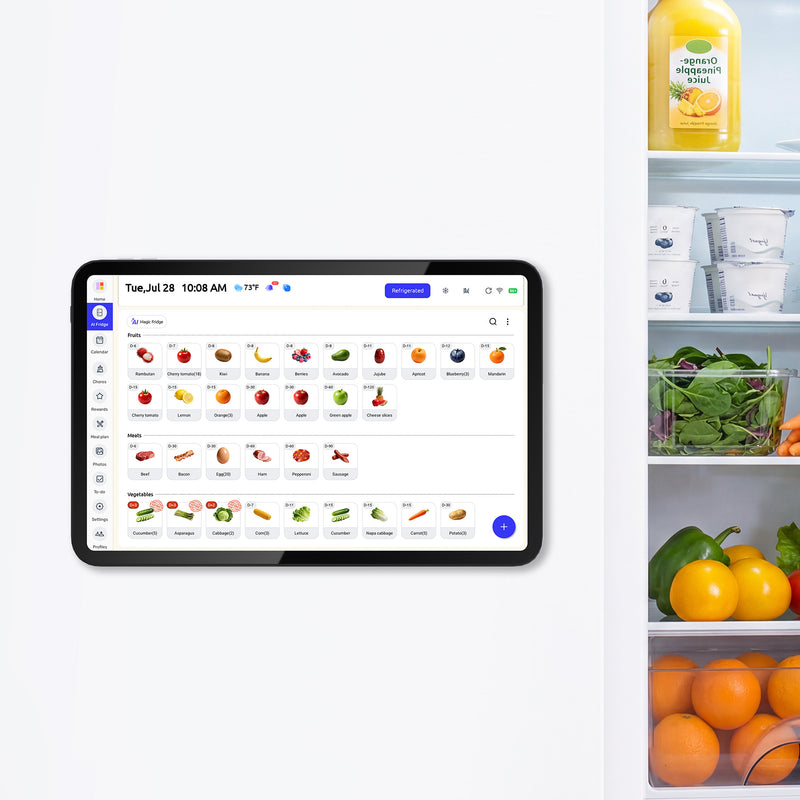





The frantic search for a missing shoe, the forgotten permission slip, the breakfast skipped in a rush-these are the hallmarks of a stressful family morning. What if you could replace the chaos with calm, predictability, and independence? The solution is a well-structured morning checklist for kids. This isn't just about ticking boxes; it's a powerful tool for teaching responsibility, building essential life skills, and giving your children the confidence to start their day on their own terms. By creating a clear, visual guide, you empower them to take ownership of their tasks, reducing your need to micromanage and freeing up mental space for everyone.
In this comprehensive guide, we'll break down the 8 essential components of a successful morning routine, complete with age-specific templates and troubleshooting tips for common hurdles. We’ll provide actionable strategies for making these habits stick, from preschooler picture charts to tween-approved digital apps. We will also explore how integrating a central family hub, like the Everblog digital wall calendar, can supercharge your checklist. This approach makes accountability visual, motivating, and seamless for the entire family. Prepare to reclaim your mornings and empower your children for years to come.
1. Wake-Up and Getting Out of Bed
The first step in any successful morning checklist for kids is the most foundational one: getting out of bed on time and without a battle. A consistent wake-up time anchors the entire routine, regulating your child's internal clock and setting a predictable, calm tone for the day. Without this crucial first step, every subsequent task is delayed, leading to a rushed and stressful morning for everyone.
Establishing this habit goes beyond just setting an alarm. It involves creating a structured wake-up environment that minimizes grogginess and encourages immediate action. This is the cornerstone upon which a smooth, independent morning is built.
How to Implement a Consistent Wake-Up Routine
A successful wake-up routine is less about a jarring alarm and more about a gentle transition from sleep to wakefulness. The goal is to make getting out of bed a non-negotiable but positive start to the day.
- Set a Fixed Time: Choose a wake-up time that allows ample room for the entire morning routine without rushing. This time should remain the same on all school days to align with their circadian rhythm.
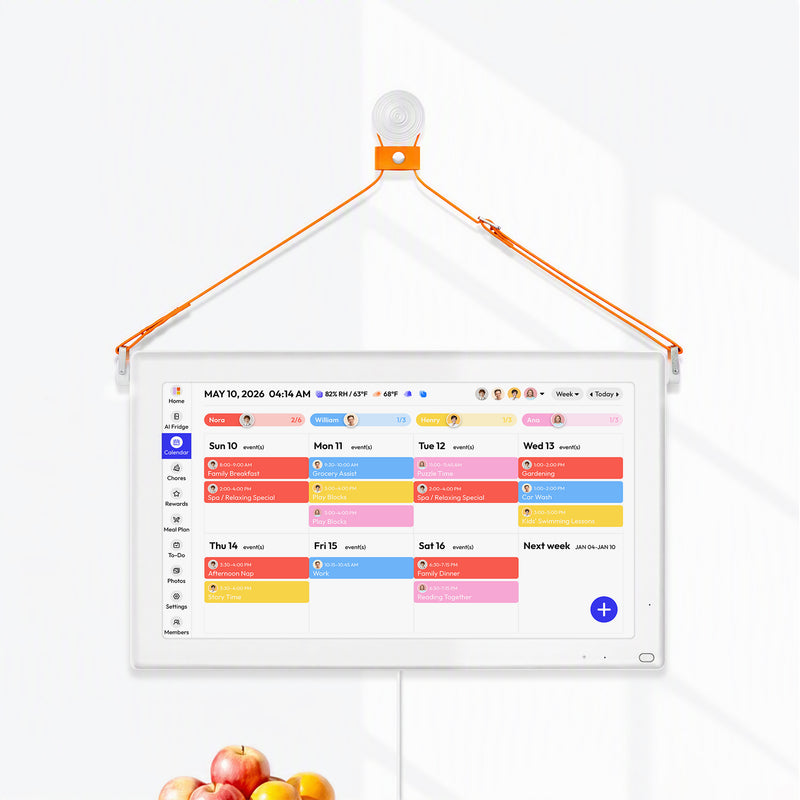
- Use a Smart Calendar Display: A family wall calendar like Everblog can be a powerful tool. Display the daily schedule with the "Wake-Up Time" clearly visible as the first event. This visual cue reinforces the schedule and gives kids a sense of ownership.
- Coordinate Multiple Alarms: For families with multiple children, use a shared calendar to coordinate different wake-up times. This prevents one child’s early alarm from waking everyone else and ensures each child gets the right amount of sleep.
Actionable Tips for a Smoother Wake-Up
Pro-Tip: The key is to remove the option to linger in bed. Make the path from bed to the first morning task as frictionless as possible.
- Place Alarms Strategically: Move the alarm clock or device across the room. This simple trick forces your child to physically get out of bed to turn it off, preventing the dreaded snooze button cycle.
- Leverage Gradual Light: A sunrise alarm clock that slowly brightens the room before the alarm sounds can gently ease a child out of deep sleep, making the wake-up process feel more natural and less abrupt.
- Connect Waking Up to a Reward: Pair getting out of bed on time with an immediate, positive consequence. This could be earning a few minutes of screen time after the routine is complete or getting their favorite breakfast. Displaying a visual checklist on Everblog that shows "Wake-Up" followed by "Favorite Cereal" can be highly motivating.
2. Personal Hygiene (Bathroom Routine)
Once your child is out of bed, the next critical step in a successful morning checklist for kids is the bathroom routine. This sequence of personal hygiene tasks, including using the toilet, brushing teeth, and washing hands, is a non-negotiable part of a healthy start. A structured approach here prevents morning bottlenecks, especially in households with multiple children, and instills lifelong habits of self-care and responsibility.
Establishing a consistent and efficient bathroom routine ensures that these essential steps are never skipped in the morning rush. It transforms a potential chaos zone into a streamlined, predictable part of the day, building independence and good hygiene.

How to Implement a Structured Bathroom Routine
The key to a smooth bathroom routine is clarity and time management. Children thrive when they know exactly what to do and in what order, which minimizes dawdling and ensures all hygiene steps are completed efficiently.
- Create a Visual Sequence: Use a family wall calendar like Everblog to display a visual checklist for the bathroom routine. List the steps clearly: 1. Use Toilet, 2. Brush Teeth, 3. Wash Face & Hands. This visual aid empowers kids to follow the sequence independently.
- Assign Time-Boxed Slots: To prevent conflicts, assign each child a specific 10-minute bathroom slot using a shared calendar or chore manager. For example, "Leo: Bathroom Time 7:10 AM - 7:20 AM" and "Mia: Bathroom Time 7:20 AM - 7:30 AM."
- Track Completion with Rewards: Link hygiene tasks to a positive outcome. Use a rewards tracker to award points for brushing teeth every morning. These points can accumulate toward a weekly reward, making the habit more engaging.
Actionable Tips for a Smoother Bathroom Routine
Pro-Tip: The goal is to make the bathroom routine an automatic habit. Reduce decision-making and friction by having all necessary supplies easily accessible and the steps clearly defined.
- Laminate a Checklist: Post a simple, laminated checklist with pictures inside the bathroom. This physical reminder is perfect for younger children who are still learning the routine.
- Use a Visible Timer: Place a simple sand timer or digital timer on the counter. Setting a 2-minute timer for brushing teeth or a 5-minute timer for the entire routine adds a fun, game-like element and keeps things moving.
- Make Hygiene Fun: Use character-themed toothbrushes, colorful foaming hand soap, or let them choose their own supplies. For optimal dental health, consider a good toothpaste with xylitol and fluoride which can help prevent cavities and make brushing more effective.
3. Getting Dressed and Grooming
The third step in a successful morning checklist for kids is getting dressed and groomed, a task that blends decision-making, fine motor skills, and self-care. This step is about more than just putting on clothes; it’s an opportunity for children to practice independence, learn about appropriate attire for different situations, and build confidence through self-presentation. A streamlined process prevents clothing-related standoffs and keeps the morning moving forward.
By turning dressing into a structured yet empowering part of the routine, you help your child develop essential life skills. This transforms a potential point of conflict into a moment of personal accomplishment.
How to Implement a Structured Dressing Routine
The goal is to eliminate morning indecision and simplify the physical act of getting ready. Preparing ahead and providing clear visual cues are essential for helping kids manage this task on their own.
- Plan the Night Before: The most effective strategy is to select the entire outfit, including socks and underwear, the evening before. Lay it out where your child can see it and access it easily.
- Use a Smart Calendar for Context: Display the day's weather forecast and key events (like "PE Day" or "School Picture Day") on a family wall calendar like Everblog. This visual context helps children understand why a certain outfit was chosen, reducing arguments.
- Organize for Independence: Arrange closets and drawers so children can reach everything themselves. Use picture labels for younger kids to help them identify where shirts, pants, and socks belong, empowering them to put clothes away and find them without help.
Actionable Tips for Smoother Dressing
Pro-Tip: Offer limited, controlled choices to give your child a sense of autonomy without overwhelming them. The choice should be between two pre-approved options, not an open-ended question.
- Offer A/B Choices: Instead of asking, "What do you want to wear?" ask, "Do you want the blue shirt or the red shirt?" This simple framing gives them ownership over the final decision while ensuring the outcome is practical.
- Create a Visual Outfit Library: For kids who enjoy variety, use Everblog’s Media Hub to store photos of pre-approved outfit combinations. They can scroll through their "lookbook" the night before and pick a favorite, making the process fun and interactive.
- Set a Timer: Use a visual timer to gamify the process. Challenge your child to get fully dressed and have their hair combed before the timer goes off. This adds a sense of urgency and fun, keeping them focused and on schedule.
4. Eating a Nutritious Breakfast
A balanced breakfast is the fuel that powers a child's brain and body, making it a non-negotiable part of any effective morning checklist for kids. Skipping this meal or opting for sugary, low-nutrient foods can lead to poor concentration, irritability, and a mid-morning energy crash. A nutritious breakfast, rich in protein, whole grains, and fruit, directly supports cognitive function and sets a positive tone for academic success.
Prioritizing this meal ensures your child has the sustained energy and focus needed to thrive at school. It transforms the morning from a race against the clock into a moment of intentional nourishment.

How to Implement a Consistent Breakfast Routine
The key to a consistent breakfast routine is planning and preparation, removing the morning-of decision-making that often leads to skipped meals. Using a central family hub makes this process seamless and collaborative.
- Plan Meals in Advance: Use a digital calendar's meal planning feature to schedule breakfasts for the entire week. This visual guide eliminates the daily "what's for breakfast?" debate and lets kids know what to expect.
- Visualize the Menu: Display the breakfast plan for the day on a shared family calendar like Everblog. A simple entry like "Monday: Oatmeal with Berries" provides clarity and builds anticipation.
- Assign Breakfast Tasks: For older kids, delegate age-appropriate breakfast responsibilities through a chore manager. Assigning tasks like "make toast" or "pour cereal" fosters independence and lightens the load for parents.
Actionable Tips for a Smoother Breakfast
Pro-Tip: Involve kids in the planning process. When they help choose the meals for the week, they are far more likely to eat them without protest.
- Prep on the Weekend: Dedicate an hour on Sunday to prep grab-and-go options. Make a batch of breakfast burritos, muffins, or overnight oats that can be quickly heated or served during the busy week.
- Stock Healthy Staples: Keep a variety of easy, no-prep breakfast foods on hand. Stock up on items like yogurt, granola bars, hard-boiled eggs, and fresh fruit for mornings when time is especially tight.
- Eat Together When Possible: Even just ten minutes of shared breakfast time can model healthy eating habits and provide a moment of connection before the day's activities begin. It reinforces breakfast as an important, enjoyable family ritual.
5. Checking the Day's Schedule and Activities
A crucial element of a proactive morning checklist for kids is taking a few minutes to review the day's agenda. This brief huddle prepares your child mentally for what lies ahead, from school classes to after-school commitments. It transforms their day from a series of surprises into a predictable sequence, which significantly reduces anxiety and prevents forgotten items like sports gear or homework projects.
This daily preview empowers children with a sense of control and responsibility. By understanding the flow of their day, they become active participants in their own schedule rather than passive passengers, building essential executive functioning skills like planning and time management.
How to Implement a Daily Schedule Review
Integrating a schedule review should be a quick, engaging, and visual part of the morning. The goal is to make this check-in a central, non-negotiable step that provides clarity for the entire family before everyone heads out the door.
- Establish a Central Information Hub: A family wall calendar is the perfect single source of truth for the day's events. Displaying a digital family calendar like Everblog in a high-traffic area like the kitchen ensures everyone sees the schedule first thing.
- Color-Code for Clarity: Assign a specific color to each family member. This allows kids to quickly scan the calendar and identify their own activities, such as "Emma's soccer practice in blue" or "Liam's piano lesson in green."
- Display "Don't Forget" Reminders: Use the calendar to post prominent visual reminders for non-routine items. A note like "Bring Art Project!" or "Wear Spirit Day Shirt!" next to the day's events can be a lifesaver.
Actionable Tips for a Smoother Schedule Check
Pro-Tip: The key is to make the schedule review an interactive conversation, not a lecture. Ask questions to ensure your child has processed the information.
- Review During Breakfast: Use the captive audience time during breakfast to verbally walk through the day's schedule displayed on the Everblog screen.
- Sync External Calendars: To ensure accuracy and reduce manual entry, sync school, sports, and work calendars directly to your family's central hub. This automates updates and keeps everyone on the same page.
- Have Kids Repeat Key Information: After reviewing the schedule, ask your child to repeat back key details like, "Who is picking you up today?" or "What do you need for soccer after school?" This confirms their understanding and reinforces memory.
6. Packing Backpack and Final Exit Preparation
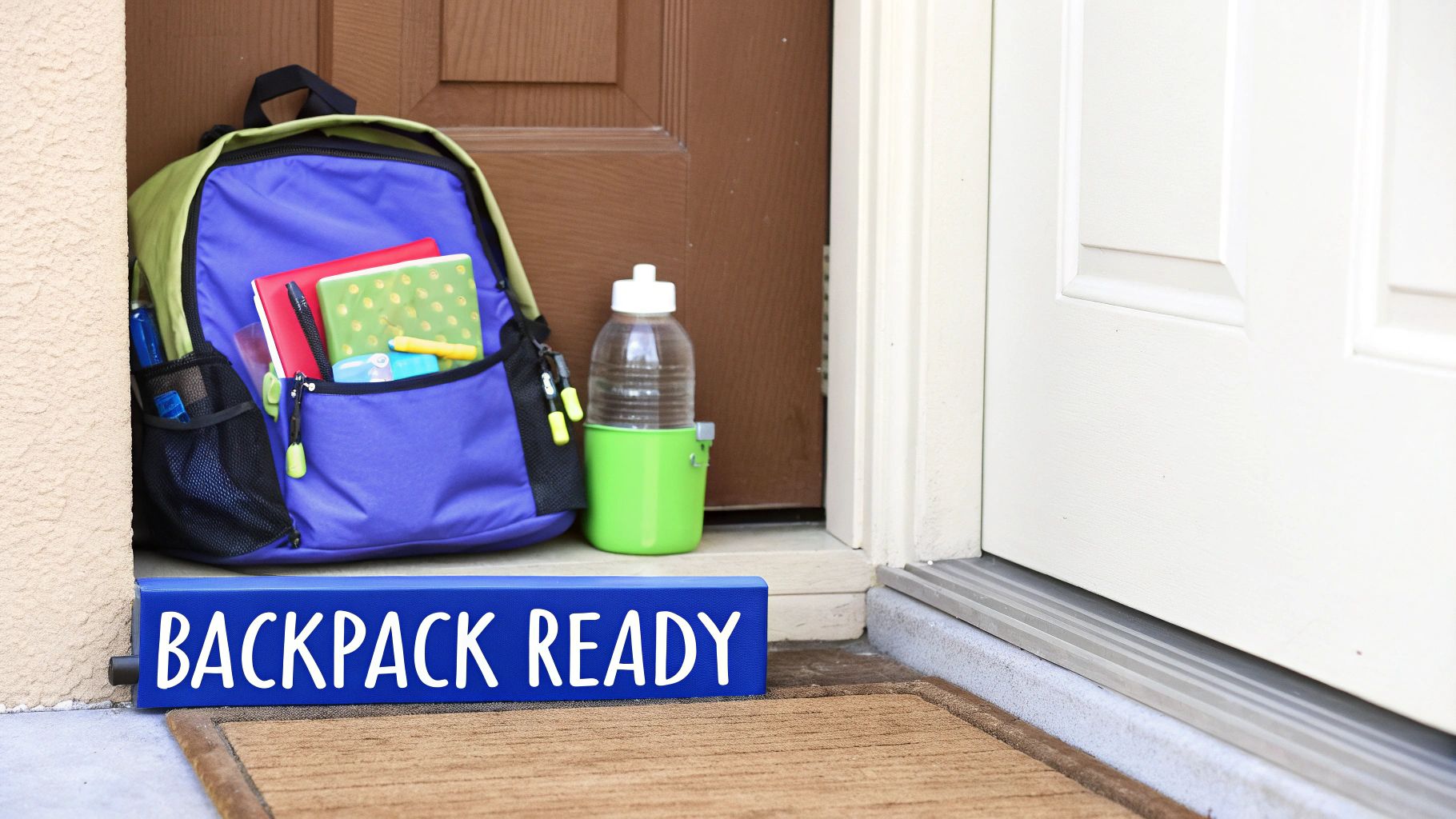
The final hurdle in any morning checklist for kids is the exit itself: gathering everything needed for the day and getting out the door on time. This crucial step prevents the classic "I forgot my..." moment that can derail a schedule. A structured approach to packing bags and performing a final readiness check transforms a potentially chaotic departure into a smooth, predictable transition.
By systemizing this last phase, you eliminate last-minute scrambles for homework, gym clothes, or permission slips. This ensures children leave the house feeling prepared and confident, setting a positive tone for their day at school.
How to Implement a Structured Exit Routine
An effective exit routine is about proactive preparation, not reactive searching. The goal is to create a clear, final checkpoint that everyone follows before leaving the house.
- Create Daily Checklists: Use a family wall calendar like Everblog to create a specific list for each day. For example, Monday’s checklist might include 'Math folder, library book, PE gear', while Tuesday's has 'Art smock, show-and-tell item'.
- Assign Packing as a Task: Turn 'Pack Backpack' into a formal, trackable task in the morning sequence. This gives your child ownership and a clear sense of completion.
- Set a Packing Deadline: Add a timed event to your family calendar, such as "Backpacks Ready by 7:50 AM." This visual deadline creates a sense of urgency and helps keep the morning on schedule.
Actionable Tips for a Flawless Departure
Pro-Tip: Designate an 'exit station' near the door. This is where backpacks, shoes, coats, and any other final items live, ready to be grabbed on the way out.
- Use Visual Reminders: For younger children, use Everblog’s Media Hub to upload photos of required items (e.g., a picture of their lunchbox, water bottle, and homework folder). This visual cue is often more effective than a written list.
- Automate Final Warnings: Set an automated 5- or 10-minute warning on your shared family calendar. This alert signals that it's time to stop other activities, put on shoes and coats, and head to the exit station.
- Establish a Master Checklist: Create a master list categorized by day of the week to account for rotating schedules like music lessons or sports practice. Flagging special items on the calendar prevents them from being forgotten.
7. Completing Morning Chores and Responsibilities
Integrating chores into the morning checklist for kids transforms it from a personal to-do list into a lesson in household contribution. Tasks like making the bed, clearing breakfast dishes, or feeding a pet teach responsibility, build essential life skills, and lighten the load for the entire family. By assigning age-appropriate chores with clear expectations, you foster a sense of competence and teamwork from the moment the day begins.
This step establishes that everyone plays a part in maintaining an organized and functional home. It moves children from being passive recipients of care to active participants in the family unit, which is a crucial developmental milestone.
How to Implement Morning Chores
Success with morning chores hinges on clarity, consistency, and accountability. The goal is to make these responsibilities a predictable and non-negotiable part of the routine, just like brushing teeth or getting dressed.
- Assign Age-Appropriate Tasks: Start small with 1-2 simple chores, such as putting pajamas in the hamper or making the bed. As children master these, you can gradually add more complex responsibilities.
- Use a Digital Chore Manager: A family calendar like Everblog can display a dedicated "Morning Chore Checklist" for all to see. You can assign specific tasks like 'Make Bed' or 'Feed the Dog' to each child with checkboxes they can mark upon completion.
- Rotate and Color-Code: Keep things fair and engaging by rotating chores weekly. Using color-coding on a shared calendar helps each child quickly identify their assigned tasks for the day, which is especially helpful in households with multiple children. For more creative ways to manage tasks, explore these chore chart ideas for kids.
Actionable Tips for Smoother Chore Completion
Pro-Tip: Define exactly what "done" looks like. Vague instructions lead to incomplete work, so be specific: "Making your bed" means the sheets are tucked, pillows are fluffed, and the blanket is smooth.
- Set Clear Deadlines: Tie chore completion to a specific time. For example, use your Everblog schedule to note, "All morning chores must be checked off by 7:50 AM" before any free time or screen time is allowed.
- Offer Limited Choices: Empower kids by giving them a say in their responsibilities. Ask, "This week, would you rather be in charge of clearing the breakfast dishes or packing your own lunch?"
- Pair Up for Success: For younger children, assign a chore that they can complete alongside an older sibling. This creates a natural mentorship opportunity and builds a sense of shared responsibility and teamwork.
8. Building Routine Consistency and Motivation
A checklist is only effective if it's used consistently, and the secret to long-term success is building motivation directly into the system. Implementing a new morning checklist for kids requires a dedicated period of practice, usually 2-4 weeks, supported by positive reinforcement. This step transforms the routine from a parent-driven chore into a child-owned habit.
By creating a clear system of accountability and rewards, you shift the dynamic from nagging to empowering. Establishing clear routines is crucial, not just for structure but also for children's emotional well-being, as highlighted in this article on the importance of building effective routines for kids.
How to Implement a Motivation System
A successful motivation system is visual, immediate, and aligned with your child's interests. The goal is to make the benefits of completing the routine tangible and exciting, fostering intrinsic drive over time.
- Create a Rewards Tracker: Use a tool like Everblog’s Rewards Tracker to award points for each completed morning task. This gamifies the process, as kids can visually track their progress and see their points accumulate toward a larger goal.
- Establish Clear Incentives: Work with your kids to create a "menu" of rewards. These can be categorized by interest, such as screen time, a new toy, a special family outing, or choosing the Friday night movie.
- Celebrate Milestones Visibly: Use a family calendar to display consistency milestones. A public note like, "Leo completed his morning routine 10 days in a row!" creates a sense of pride and encourages friendly competition among siblings. You can learn more about creating these shared displays with a digital wall planner.
Actionable Tips for Lasting Motivation
Pro-Tip: Involve your children in creating the reward system. When they have a say in the incentives, their buy-in and motivation increase dramatically.
- Hold a Family Kick-Off Meeting: Before launching the routine, explain the new system and its benefits. Brainstorm reward ideas together to ensure they are genuinely motivating for each child.
- Start Simple, Then Build: Begin with a few core tasks. As your child masters them, you can gradually add more complexity. This prevents overwhelm and builds confidence.
- Provide Specific Praise: Instead of a generic "good job," say, "I noticed you got dressed and brushed your teeth without any reminders. That's fantastic!" Specific praise reinforces the desired behavior.
- Review and Adapt Regularly: What motivates a six-year-old may not work for a ten-year-old. Schedule a brief weekly check-in to celebrate successes and adjust rewards as their interests evolve.
8-Step Morning Routine Comparison for Kids
| Item | Implementation Complexity 🔄 | Resource Requirements ⚡ | Expected Outcomes ⭐ | Ideal Use Cases 💡 | Key Advantages 📊 |
|---|---|---|---|---|---|
| Wake-Up and Getting Out of Bed | Moderate — requires consistent enforcement and habit formation | Low — alarm or sunrise clock, shared display | ⭐⭐⭐ High — better circadian rhythm, mood, less rushing | School mornings; children with irregular sleep | Predictability, reduced morning stress, improved focus |
| Personal Hygiene (Bathroom Routine) | Moderate — multi-step sequencing and shared-bathroom timing | Low–Medium — timers, checklists, supervision for young kids | ⭐⭐⭐ High — fewer illnesses, better dental hygiene, independence | Homes with multiple children or tight morning windows | Prevents bottlenecks, builds self-care skills, habit reinforcement |
| Getting Dressed and Grooming | Low–Moderate — decision-making and prep (night-before helps) | Low — organized clothing, weather cues, picture labels for young kids | ⭐⭐–⭐⭐⭐ Medium–High — increased confidence, fewer conflicts | Days with variable weather or special dress requirements | Reduces morning conflict, teaches planning and autonomy |
| Eating a Nutritious Breakfast | Moderate — planning and prep needed for consistent intake | Medium — groceries, Meal Planner, some prep time (batch cook) | ⭐⭐⭐ High — better concentration, stabilized mood, academic benefits | Busy school mornings; children who skip meals otherwise | Improves focus, establishes healthy habits, family connection time |
| Checking the Day's Schedule and Activities | Low — brief 2–5 minute review if calendar is maintained | Low — shared calendar display, synced activity feeds | ⭐⭐⭐ High — reduces anxiety, prevents forgotten items | Families with multiple activities or co-parenting schedules | Predictability, fewer reminders, better time-management skills |
| Packing Backpack and Final Exit Preparation | Moderate — checklist-based, requires consistent checking | Low–Medium — visual checklists, exit station, spare supplies | ⭐⭐⭐ High — fewer forgotten items, more punctual departures | Field-trip days, multi-child departures, variable daily needs | Builds responsibility, minimizes last-minute scrambling |
| Completing Morning Chores and Responsibilities | Moderate — rotating assignments and accountability tracking | Low — chore manager, simple supplies; supervision initially | ⭐⭐–⭐⭐⭐ Medium–High — responsibility, reduced parental load | Homes aiming to distribute household tasks and teach skills | Teaches work ethic, keeps home functional, gamified motivation |
| Building Routine Consistency and Motivation | Moderate–High — behavior change over 2–4 weeks with follow-through | Medium — rewards tracker, visual progress tools, parental consistency | ⭐⭐⭐ High (long-term) — sustained independence, fewer conflicts | Introducing new routines or improving chronic morning issues | Long-term habit formation, family alignment, measurable progress |
Your Blueprint for a Happier, More Organized Morning
Transforming your morning from a frantic scramble into a streamlined, positive experience is not just a dream; it's an achievable goal. The key lies in implementing a consistent and empowering morning checklist for kids. Throughout this guide, we've explored the essential building blocks of a successful routine, from the initial wake-up call to the final backpack check before heading out the door. You now have a comprehensive toolkit filled with age-appropriate templates, habit-building strategies, and practical solutions for common morning hurdles.
Remember, the goal isn't perfection from day one. It's about progress. The initial investment of time and patience in establishing this new system will pay dividends in the form of reduced stress, increased family harmony, and, most importantly, children who are learning invaluable life skills.
Key Takeaways for Lasting Success
As you move forward, keep these core principles at the forefront of your strategy:
- Empowerment Over Dictation: The most effective checklists are co-created. Involving your children in the process gives them ownership and makes them more likely to follow through. This shifts the dynamic from you nagging them to them managing their own responsibilities.
- Consistency is Your Superpower: Repetition builds routine. Stick with the checklist consistently, even on weekends (with some flexibility, of course), to help the sequence of tasks become second nature. This predictability creates a sense of security and reduces morning anxiety for everyone.
- Visibility and Accessibility are Crucial: A checklist that's out of sight is out of mind. Whether you use a printable chart on the fridge, a whiteboard in the mudroom, or a digital tool, make sure it’s a central and visible part of your morning environment.
Your Actionable Next Steps
To put these ideas into practice, start small and build momentum. Don't try to implement every single tip at once. Instead, choose one or two key areas to focus on this week.
- Select and Customize a Checklist: Pick a template from this article that best fits your child's age and your family's needs. Sit down together and customize it, adding or removing steps to make it feel like your own.
- Introduce a Visual Aid: Print your new checklist and post it somewhere prominent. For a more dynamic and integrated approach, consider setting up a digital family calendar like Everblog, which can turn static tasks into an interactive and motivating system.
- Celebrate Small Wins: The first time your child completes their checklist without a single reminder is a huge victory. Acknowledge and celebrate it! Positive reinforcement is far more effective than focusing on what went wrong.
Ultimately, a well-crafted morning checklist for kids does more than just get you out the door on time. It is a foundational tool for teaching responsibility, independence, and time management. You are not just organizing your mornings; you are equipping your children with the executive functioning skills they will carry with them for the rest of their lives, building a bedrock of confidence and competence one organized morning at a time.
Ready to ditch the paper charts and bring your family's morning routine into the digital age? See how Everblog's shared calendars, task lists, and reward systems can make implementing a morning checklist for kids seamless and even fun. Get your family on the same page by starting your free trial at Everblog today.


