


By the time dinner is on the table, backpacks are dumped, shoes are missing, and the same three reminders are already echoing through the house. Put your lunchbox away. Feed the dog. Pick up the towels. Most parents don't need a complicated behavior system. They need something visible, simple, and hard to argue with.
That's why the sticker chart for chores still has staying power. It gives kids a concrete target, gives parents a neutral reference point, and turns a fuzzy expectation into a clear routine. It's not magic. It also isn't outdated. Used well, it's one of the easiest ways to get early buy-in around responsibility.
What matters is knowing what a sticker chart can do, what it can't do, and when to move past it. The families who get the best results usually treat stickers as a starting tool, not a forever system.
Why a Sticker Chart for Chores Still Works in 2026
A paper chart on the fridge still works because kids respond to what they can see. Chores are abstract until you make them concrete. A sticker says, "You did the task. It counts." That matters a lot when you're teaching a young child that family responsibilities don't just live in a parent's memory.

The method also has real staying power. A 2012 Journal of Applied Behavior Analysis summary reports that among 250 families, 72% of children ages 4 to 8 showed a 40 to 60% increase in task completion within the first month of using a visual reward chart, and 68% of U.S. parents use visual reward charts like these.
Why the simple version often wins
Parents sometimes assume they need a color-coded command center from day one. Usually they don't. A basic chart works because it does three things well:
- It reduces negotiation. The chart becomes the reminder, not your voice repeating itself.
- It makes progress visible. Kids can see how close they are to finishing a streak or earning a reward.
- It lowers the emotional temperature. Instead of arguing about whether you asked, you can point to the agreed task.
This is one reason sticker charts overlap so neatly with gamification in education. The principle is similar. Break a bigger goal into visible actions, give fast feedback, and let small wins build momentum.
A good chore chart doesn't just track behavior. It externalizes expectations so the whole family can stop carrying them in their heads.
What sticker charts are best at
Sticker charts are strongest at the beginning of a habit. They're especially useful when your child is still learning what "done" means, when a routine is brand new, or when your home feels stuck in reminder mode.
They're less useful when tasks are vague, rewards go on forever, or siblings start comparing totals instead of focusing on their own work. That's where parents get frustrated and decide the whole idea failed, when the issue is usually how the chart was set up.
Used as a foundation, though, a sticker chart gives you something many families are missing. A clean first step toward accountability.
Choosing the Right Chores and Rewards
The fastest way to make a sticker chart flop is to load it with chores your child can't do alone. The second fastest way is to offer rewards that are either too random or too expensive to keep up. Keep the first version lean.
Start with chores that are visible, repeatable, and easy to verify. "Be helpful" doesn't belong on a chart. "Put dirty clothes in the hamper" does.
Pick chores your child can complete without a debate
A child should be able to hear the task, do it, and know when it's finished. That's the standard. If a chore requires constant correction, it isn't chart-ready yet.
Here are solid starting points.
| Age Group | Example Chores |
|---|---|
| Ages 4 to 5 | Put toys in bins, place dirty clothes in hamper, carry napkins to table, brush teeth, make bed with help |
| Ages 6 to 7 | Clear plate after meals, feed pets, put shoes in place, wipe bathroom counter, sort laundry |
| Ages 8 and up | Pack school bag, unload simple items from dishwasher, fold laundry, sweep small area, take out bathroom trash |
A few practical rules make this easier:
- Choose daily wins first. Repeating chores build rhythm faster than occasional big jobs.
- Define the finish line. If the task is "pick up toys," say where the toys go.
- Limit the chart. A crowded chart overwhelms kids and creates more follow-up for you.
For families building a simple reward system around responsibilities, this guide to a chore chart reward system is useful because it keeps the focus on clear expectations rather than overcomplicating the setup.
Build rewards that motivate without taking over
The reward should support the habit, not become the entire point of the habit. That's where many parents drift into trouble. If every single sticker must cash out into something big, the chart becomes a vending machine.
A better structure is to use two layers of rewards:
-
Small, frequent recognition for early momentum
Think choosing the bedtime story, picking the family music playlist, or getting first choice of dessert. -
Milestone rewards for sustained follow-through
These can be a weekend privilege, a one-on-one outing, or a special activity the child helps choose.
Practical rule: Save bigger rewards for completed streaks or full-chart milestones, not every sticker.
Let your child help, but keep the guardrails
Children are more likely to buy into a system they helped shape. That doesn't mean they set every term. It means they get a voice inside a parent-led structure.
Ask:
- Which chores feel easiest to remember?
- Which reward feels exciting enough to work toward?
- Where should the chart live?
Don't ask open-ended questions if you're already stretched thin. Offer narrow choices. "Would you rather earn a family movie pick or extra craft time?" works better than "What reward do you want?"
Avoid reward traps
Some rewards sound motivating but backfire fast.
- Unlimited screen time usually creates new conflict later.
- Candy for every task turns an everyday routine into constant bargaining.
- Large toy rewards raise the stakes too high for basic household responsibilities.
The best rewards feel special but sustainable. They also fit your family life. If a reward adds more work for you than the chore saves, it's not a good reward.
Designing a Chart That Motivates Your Child
A workable chart doesn't need to be pretty, but it does need to fit your child's age. A preschooler usually wants to see a page filling up. An older child often responds better to a system that feels less babyish and more like progress tracking.
The design should answer one question fast. "What do I need to do today?"
Match the format to your child's stage
According to guidance from CK Family Services on sticker chart design, children ages 4 to 7 do best with visual completion, and a chart with 20 to 25 sticker spots leading to a reward is highly effective. For ages 8 and up, more abstract systems like points often work better. The same guidance notes that involving the child in the design process can increase compliance by up to 50%.
That tells you a lot about format choice:
- Younger kids usually do well with a simple paper chart, printable sheet, or poster board with clear boxes.
- Older kids often prefer a point tracker, dry-erase checklist, or a less decorative layout that feels more grown up.
If you're setting up a more visual chart for younger children, this picture chore chart approach can help you think through icons, labels, and placement.
Co-design matters more than perfect aesthetics
Children don't need a Pinterest chart. They need ownership. Let them pick the sticker style, marker color, or title of the chart. Even small choices help.
A few things work especially well:
- Use pictures for non-readers. A toothbrush icon beats a written prompt they can't decode.
- Keep the layout uncluttered. One row per chore or one box per day is enough.
- Post it where life happens. Kitchen walls, bedroom doors, or near the backpack drop zone usually beat obscure corners.
If you have to remind your child where the chart is, the chart is in the wrong place.
Make the chart easy to maintain
Parents abandon charts when the system creates too much friction. If the stickers are in a drawer upstairs and the chart is downstairs, you won't keep up. If the chart is so customized that it can't adapt, you'll restart it instead of revising it.
Try one of these low-friction setups:
- Clipboard on the fridge with stickers taped to the back
- Laminated page with reusable marks for recurring chores
- Magnetic board if your child likes physically moving pieces
You don't need to commit to one forever. Many families start with a handmade chart and then discover they need something easier to update once routines get more complex.
The best design isn't the cutest one. It's the one you can still use on a rushed Wednesday.
The Secrets to Consistency and Motivation
A sticker chart helps because it creates a loop. Task, feedback, reward, repeat. The loop breaks when parents wait too long to acknowledge the chore, change the rules halfway through, or leave the chart hanging after the habit has already formed.

The timing piece matters more than most parents expect. Guidance from Raising Children on reward charts says stickers must be awarded right after task completion to be effective, and it recommends a phased withdrawal over 4 to 12 weeks, gradually replacing stickers with verbal praise so kids don't become dependent on the reward itself.
Use immediate feedback, not delayed promises
If your child makes the bed at 7:15 and gets the sticker "later," you weaken the connection. The sticker should land as close to the completed task as possible.
That doesn't mean every morning has to feel ceremonial. It just means the sequence should stay tight:
- Child completes the chore.
- Parent checks the agreed standard.
- Sticker goes on the chart.
- Parent adds a short verbal acknowledgment.
The verbal piece matters. "You remembered without a reminder" or "You put every shoe back where it belongs" teaches the child what success looked like.
Keep the rules boring and consistent
Children usually do better when the chart doesn't change with adult mood. If you skipped a sticker yesterday because you were busy, don't overcompensate with two today unless that was the pre-agreed rule. Predictability builds trust.
These habits keep the system steady:
- Review the chart at the same time each day.
- Use the same completion standard each time.
- Correct calmly. If the chore isn't finished, explain what still needs doing.
- Avoid turning every sticker into a speech. Brief praise is enough.
Parents who struggle with follow-through often benefit from thinking about personal systems too. This guide on how to stay consistent with goals and achieve success is useful because the same principle applies at home. Visible habits beat good intentions.
Daily cue: Keep the chart review attached to something that already happens, like breakfast cleanup or the after-school snack.
Fade the chart before it gets stale
The goal isn't lifelong sticker collection. The goal is internalized routine. Once a chore becomes familiar, start reducing how often a sticker appears.
A practical fade might look like this:
- Daily stickers at the beginning
- Then stickers every few days
- Then stickers for a full week of consistency
- Then no stickers, but the chore remains expected
Replace the sticker gradually with recognition, routine, and family standards. "This is just what we do after dinner" is where you're headed.
If you never fade the system, kids can start asking, "What do I get if I do it?" instead of doing the task as expected. That's your sign to move the reward structure forward.
What to Do When Your Sticker Chart Stops Working
Most sticker charts don't fail all at once. They get mushy around the edges. A child starts delaying. You start forgetting. The reward gets negotiated. Then one day the chart is still on the wall, but nobody is really using it.
That doesn't mean the idea was bad. It usually means the system needs repair.
Spot the actual problem before changing everything
Parents often assume "my child isn't motivated anymore," but that can mean several different things:
- The chores are now too easy and no longer interesting
- The chores are too vague, so every sticker turns into an argument
- The reward has lost its pull
- The child has outgrown stickers as a format
- Siblings are turning the chart into a competition
Each problem needs a different fix. If the chart worked for a few weeks and then slid, don't scrap it before checking whether the setup still fits the child you have now.
Sometimes the chart isn't broken. It's just asking a six-year-old system to work for an eight-year-old child.
Fix common breakdowns fast
If novelty has worn off, refresh one element, not the whole structure. Change the reward menu. Swap the sticker style. Tighten the chore list. Move from daily chores plus reward to weekly milestones.
If you're arguing over quality, redefine the task in more concrete language. "Clean your room" becomes "put books on shelf, toys in bin, clothes in hamper." Children handle clear finish lines much better than broad commands.
If your child keeps asking for bigger rewards, that's usually a sign that the chart has shifted too far toward payment. Pull back. Return to small privileges, family routines, and verbal acknowledgment.
Be careful in multi-child and blended households
Paper systems often become tricky in multi-child homes, where one child's success can quickly become another child's grievance. According to a 2024 Child Development Journal summary on sibling-group sticker rewards, extrinsic sticker rewards can reduce intrinsic motivation by 25% in sibling groups due to competition, and the same source notes that 16% of U.S. children live in blended families, where fairness and shared visibility can be especially sensitive.
That doesn't mean you can't use a chart with multiple children. It means you need stronger guardrails.
Try these adjustments:
- Use separate goals, not identical ones. Children don't need the same chores or reward pace.
- Avoid public comparison language. "Your sister already finished" poisons the system.
- Create household jobs and personal jobs. Shared contribution lowers the feeling of winner and loser.
- Make expectations visible to all adults. Co-parents and caregivers need the same rules.
In some homes, the fix isn't better stickers. It's moving to a shared tracker that shows responsibilities clearly without turning progress into a sibling scoreboard.
Graduating from Stickers to a Smart Chore System
A sticker chart is excellent training wheels. It helps young kids connect action with follow-through. It helps parents stop carrying every reminder alone. But paper systems have limits. They rely on someone finding the stickers, updating the chart, and keeping the rules in everyone's head.

The long-term challenge is motivation fatigue. A 2026 article discussing sticker chart transitions states that sticker charts can boost chore completion by 40% initially, but their efficacy can drop by 60% after six months if rewards aren't faded. The same source says 2026 APA guidelines point to gamified digital milestones with 80% better long-term adherence by automating progression and keeping engagement going after novelty fades.
Signs your family has outgrown paper
You don't need to wait for a full system crash. Most families are ready to graduate when a few patterns show up:
- Kids want more autonomy than a wall chart allows
- Multiple children need separate tasks tracked in one place
- Co-parents need the same visibility
- Rewards need to evolve beyond single stickers
- Parents are forgetting to update the chart consistently
At that stage, the next step isn't abandoning accountability. It's upgrading how the accountability is managed.
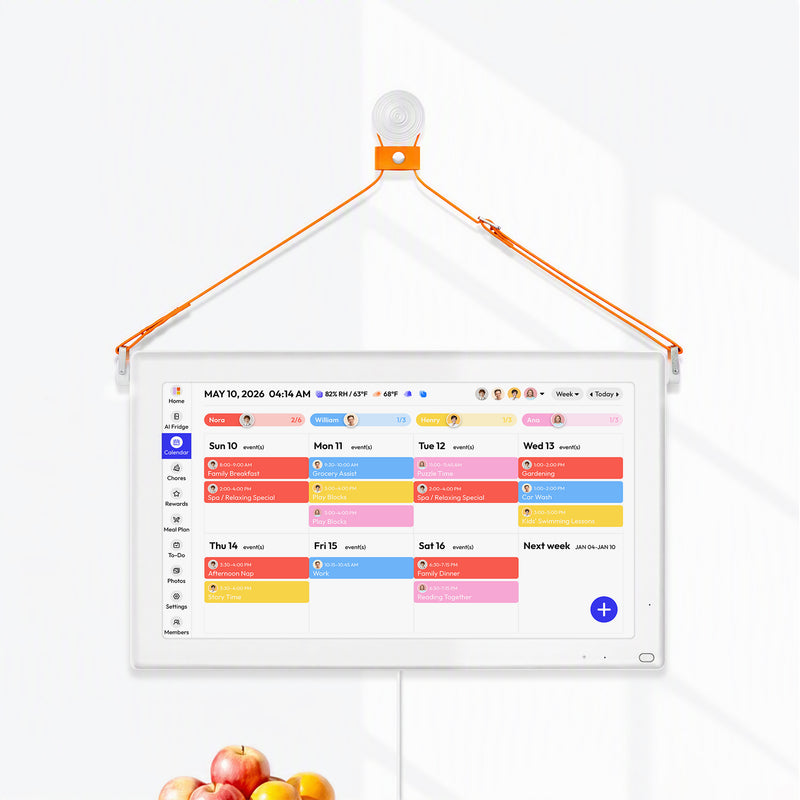
A digital setup can do what paper can't do easily. It can keep chores visible, track completion without clutter, and support older kids who no longer want a cartoon chart on the fridge. If you're comparing formats, this overview of an electronic chore chart is a practical place to start.
What a smarter system changes
A better system doesn't remove the parent. It removes unnecessary friction.
Instead of asking:
- Who already did what?
- Did anyone check the chart?
- Are we using the same reward rules this week?
- Why is one sibling insisting they never got credit?
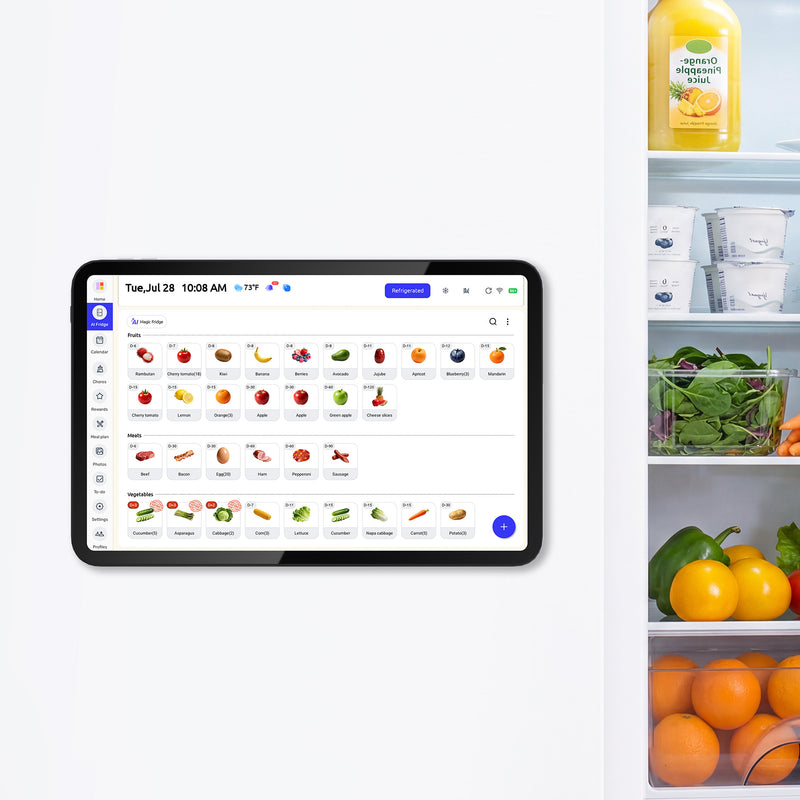
You want a single shared place where the family can see tasks, progress, and expectations. That's where digital family hubs start to make sense. Tools such as Everblog shift the chore chart from a piece of paper into a shared household system with chore tracking, visual completion, and reward milestones in one place. That's especially helpful for families juggling school schedules, multiple caregivers, and sibling fairness at the same time.
Here's a quick look at what that transition can feel like in practice:
Think evolution, not replacement
The strongest families don't treat paper and digital as opposing camps. They use the right tool for the stage they're in.
A younger child may begin with physical stickers because the tactile act matters. Then the family may move into a digital tracker once chores become more numerous, kids get older, or shared visibility becomes the bigger need. That's not giving up on the sticker chart. That's finishing what the sticker chart started.
What matters most is this. The system should make responsibility easier to practice, not harder to manage. If a sticker chart still gives you that, keep using it. If your family has hit sticker burnout, move forward without guilt. The goal was never the sticker itself. The goal was a child who knows what to do, does it with less prompting, and sees themselves as a capable contributor at home.
If your family is ready to move from paper reminders to a shared household system, Everblog is one option to consider. It brings chores, rewards, schedules, meals, and family visibility into one place, which can make the jump from starter chart to long-term routine much smoother.


