

Monday at 7:10 a.m., the hamper is full, there is a cereal bowl in the sink, the bathroom needs toilet paper, and one person is already keeping the whole house in their head. That is usually the core problem. The house is not just untidy. The system is weak, so one adult becomes the reminder, tracker, scheduler, and backup cleaner.
A weekly chores list works better when it matches how your family lives. Busy households do not need a generic printable that treats every home the same. They need clear ownership, realistic rotations, and a plan that still works during school weeks, late shifts, sports nights, and custody transitions.
That is the approach here. These eight core task categories cover the jobs that repeatedly create friction in family homes: laundry, kitchen cleanup, bathrooms, floors, meals, surfaces, trash, and bedrooms. Each section focuses on how to assign the work, how to rotate it fairly, and how to use digital tools without turning chore management into another job. If you are splitting responsibilities across adults, older kids, or two households, this structure makes the handoffs easier to see and harder to dodge.
For families trying to divide work more clearly, this guide on sharing household responsibilities without constant reminders is a useful companion. Small setup choices matter too. Even product decisions, like choosing detergent with fewer irritants, can reduce pushback and rewash cycles. The benefits of dye-free laundry soap are worth considering if skin sensitivity or heavy fragrance is already causing complaints.
If you want another example of a room-by-room cleaning rhythm, this Madison home cleaning schedule gives a useful reference point. Use it as a starting frame, then adjust for your traffic patterns, your children's ages, and the tasks that reliably get skipped in your home.
1. Laundry Management
Monday night, someone needs a soccer uniform, two kids are digging through a clean basket for socks, and a full load is still sitting in the dryer. That is what a weak laundry system looks like in real life. The problem usually is not washing clothes. The problem is that nobody owns the job from start to finish.

Laundry works better when you assign full cycles, not scattered steps. One teen handles towels from hamper to linen closet. One adult takes work clothes. A younger child can match socks, carry folded stacks, or return pajamas to the right room. In homes with two parents, split by category or by day. In single-parent homes, batch similar loads together and give kids the finishing steps they can manage. In co-parenting setups, keep the system simple enough that each house can run its own version without confusion.
This is one of the eight core chore categories that needs a visible rotation, because laundry creates bottlenecks fast. Bedding, school clothes, sports gear, and towels all move on different timelines. A weekly chores list should reflect that instead of dumping "laundry" into one vague box.
Build a repeatable laundry rotation
Predictable beats ambitious here. Pick set days, keep load types consistent, and make the finish line obvious: washed, dried, folded, put away.
- Use person-based baskets: Give each family member a basket, bin, or color so clean clothes go straight to the right room.
- Split by category: Towels, bedding, uniforms, delicates, and everyday clothes are easier to assign than one giant pile.
- Match jobs to age: Younger kids can sort lights and darks or deliver folded clothes. Older kids can run a full load and reset the machine area.
- Track the last step: A digital board or shared family app should mark a load complete only after it is put away.
- Rotate the high-friction loads: Sheets and towels are good shared jobs because they are easy to identify and less likely to trigger arguments over personal items.
For families trying to divide work without constant reminders, a clear system for sharing household responsibilities without constant reminders helps each person see what they own and what is still unfinished.
One rule saves a lot of grief. Wet clothes in the washer are not done.
I also recommend reducing laundry friction at the supply level. If one detergent causes complaints, rewashes, or skin irritation, standardizing products can cut down on arguments and extra work. This short guide on the benefits of dye-free laundry soap is useful if you are simplifying the laundry area. If your laundry space also connects to the kitchen or mudroom, washable floor protection helps contain drips and lint. The Sofa Cover Crafter for kitchen mats has practical ideas that work well in high-traffic family spaces.
A quick walk-through helps if kids are learning the process:
2. Kitchen Cleaning and Dishwashing
Dinner ends, everyone drifts off, and the kitchen keeps the score. A pan is soaking, lunch containers are still on the counter, and the dishwasher is half full because nobody knew whether to run it or wait. That is how a manageable job turns into tomorrow morning's mess.
Kitchen work needs a daily rhythm inside your weekly chores list. It happens too often, and it affects too many parts of family life, to leave it as a once-a-week cleaning block. In the families I've seen handle this well, the weekly plan covers ownership, rotation, and one deeper clean. The daily plan keeps the room usable.

One rule solves a lot of resentment. The person who cooks should not automatically inherit the entire cleanup. Split the reset by function so each person can finish a clear job fast. In a two-adult home, that may be cook and closer. In a larger family, assign four short jobs. Clear the table. Load or hand-wash dishes. Wipe counters and stove. Sweep or spot-check the floor.
The nightly kitchen reset
Your weekly chores list should include one deeper kitchen clean, but the main advantage is a short reset every night. Keep it under 15 minutes and do it in the same order so nobody has to decide what comes next.
- Clear the sink: Leave nothing overnight except items that need soaking.
- Run the dishwasher or finish hand-washing: Half-done dish piles create the next day's backup.
- Wipe the stove and counters: A quick pass prevents grease and crumbs from building up.
- Empty food scraps and check the trash: This keeps odors down and makes the kitchen easier to walk into in the morning.
- Prep the next use: Set out lunch containers, refill water bottles, and make sure breakfast basics are easy to grab.
Rotation matters here. If one child always unloads and one adult always scrubs pans, people stop seeing the whole system. Rotate by day or by week so everyone learns every category of kitchen work. That matters even more in single-parent homes, co-parenting setups, and households where kids move between homes. A shared digital checklist helps because the task list stays consistent even when the people in the room change.
I also like separating daily reset tasks from weekly kitchen maintenance. Daily jobs keep the room functional. Weekly jobs handle the microwave, fridge shelf check, cabinet fronts, and a more thorough floor clean. That division keeps the list realistic, which is the difference between a plan people follow and one they ignore by Wednesday.
A kitchen reset done every night rarely turns into a weekend rescue.
If you're replacing a worn floor mat in a high-traffic kitchen, these ideas for The Sofa Cover Crafter for kitchen mats can help keep that area easier to maintain.
3. Bathroom Cleaning and Sanitization
Bathrooms need one thing most families skip. A kit that's already stocked and already in the room. If supplies live in three different closets, bathroom cleaning turns into a scavenger hunt and gets pushed off.
A practical bathroom routine works best when it's broken into visible steps. Toilet, sink, mirror, tub or shower, floor, then supply check. Put those steps in the same order every week and the job gets faster because nobody has to decide what comes next.

For shared bathrooms, I like a monthly rotation even if the room gets cleaned weekly. That keeps one child or one adult from being permanently assigned the least popular job. In homes with younger kids, make one older person responsible for the sanitizing and give younger children the restocking and towel straightening jobs.
Split the task if people resist it
Bathroom cleaning is easier to complete when two people divide the room by function instead of “helping” vaguely.
- One person handles fixtures: Toilet, sink, faucet, and mirror.
- One person handles surfaces: Tub, shower walls, floor, and trash.
- One person restocks: Toilet paper, soap, hand towels, and tissues.
- One person checks ventilation: Run the fan or open airflow after cleaning so the room dries.
The image above is a reminder of something useful. Bathrooms don't fail only because they're dirty. They fail because supplies run out at the wrong time. Add refill items to your running shopping list the moment they're low, not at the end of the week.
I've found that bathroom resistance drops when the supplies bucket is simple and the timer is short. Nobody wants to “clean the bathroom.” People will usually do a contained routine with a clear finish line.
4. Vacuuming and Floor Care
Floors tell the truth about how your house is functioning. If the entry, kitchen path, and living room edges are full of crumbs, dirt, and pet hair, it usually means your schedule is too ambitious in the wrong places.

A good weekly chores list separates high-traffic maintenance from full-house floor care. That means a quick sweep or vacuum during the week for the rooms that collect mess fastest, then a more thorough pass on the weekend or another predictable block of time. If you try to deep-clean every floor every time, people skip the job entirely.
Prioritize the path, not the whole house
Start where people walk. Entryways, kitchen floors, hallways, bathroom floors, and the area under the dining table matter more than the guest room nobody used all week.
- Hit traffic zones first: If time runs short, clean the areas everyone sees and steps on.
- Pair tasks: Dust first, then vacuum. Mop after crumbs and hair are gone.
- Assign tools by age: A lightweight stick vacuum or small broom lets younger kids participate without wrecking the routine.
- Schedule machine care separately: Emptying the vacuum, cleaning filters, and checking rollers should be its own recurring task.
A family with pets may need more frequent floor resets near bowls, litter, and doors. A family with toddlers may care more about hard floors where kids crawl and play. That's why one universal weekly chores list never works as written. The room count matters less than how the home gets used.
If your house is overloaded, clean the floor people live on first. Nobody wins a perfect-upstairs, gritty-kitchen week.
5. Meal Planning and Grocery List Management
Dinner problems are usually planning problems wearing a food costume. When the week has no menu, the kitchen gets messy faster, grocery runs become reactive, and everyone feels like the house is disorganized even if the counters are clean.
I'd put meal planning on every weekly chores list because it prevents a lot of other chores from becoming harder. Fewer last-minute decisions means fewer extra dishes, fewer duplicate store trips, and less food getting shoved into the back of the fridge.
Build the week around real life
Pick one day and one time for meal planning. Keep it short. Look at the calendar, note the busy nights, and assign the easiest meals there.
- Use theme nights: Taco night, pasta night, leftover night, breakfast-for-dinner. Repetition lowers planning fatigue.
- Add flexible meals: Leave space for takeout, leftovers, or the night practice runs late.
- Plan from inventory first: Check the fridge, freezer, and pantry before adding items.
- Keep one shared list: Family members should be able to add milk, fruit, or lunch items as soon as they notice the need.
For families who want a shared digital system, this guide to the best meal planner and grocery list app shows how a meal plan and running list work better when they live in the same place.
One practical habit matters more than fancy planning templates. Post the weekly menu where everyone can see it. If people know what's for dinner, they stop asking, stop improvising snack meals, and are more likely to help at the right time.
In homes with multiple adults, the grocery list should never live in one person's head. If a child finishes cereal or the last onion gets used, that item needs to go onto the shared list immediately. That single habit cuts a lot of midweek frustration.
6. Dusting and Surface Sanitization
Dusting gets skipped because it doesn't scream. The sink screams. The overflowing trash screams. Dust sits inconspicuously on shelves until sunlight hits it and suddenly the whole room looks neglected.
This job works better when you split it into two parts. First remove dust from furniture, shelves, electronics, and ledges. Then do a separate pass on high-touch surfaces like switches, handles, remotes, and frequently used tabletops. If people combine those jobs mentally, they tend to rush both.
Keep the route simple
Go room by room in the same direction every week. Start high, finish low, and save the floor for the end.
- Use microfiber cloths: They hold dust better than dry paper towels that just push it around.
- Follow a repeatable order: Furniture, shelves, electronics, baseboards, then touchpoints.
- Limit the zone: Main living areas first. Decorative rooms can wait if the week is packed.
- Pair it with floor care: Dust that falls has to be picked up somewhere.
A lot of families overbuild this task. They think dusting means moving every framed photo, emptying every shelf, and cleaning every corner every week. It doesn't. Weekly maintenance should keep surfaces under control. Deep detail work belongs on a monthly or seasonal rotation, not in the core weekly list.
That tiered approach works better for real households because not every cleaning task belongs in the same weekly bucket. Some tasks are maintenance. Others are deeper resets. Mixing them together makes the list look thorough but behave like a setup for failure.
7. Trash and Recycling Management
Wednesday night at 8:45 is when this task usually blows up. The kitchen bag is full, the cardboard from two deliveries is still by the door, and someone realizes pickup is early the next morning.
Trash works best as a weekly reset with a deadline, not a vague reminder floating around in everyone's head. Put the full sequence on the list: empty indoor bins, sort recycling, break down boxes, and get the carts out. That level of detail matters in single-parent homes, busy two-parent households, and co-parenting setups where missed handoffs create extra work fast.
One missed step causes the pileup. A full bathroom bin gets ignored. Cardboard blocks half the recycling cart. The outside cans never make it to the curb. Then next week starts with overflow.
Build a repeatable trash route
Use the same route every week so nobody has to decide what counts.
- Empty all indoor cans: Kitchen, bathrooms, bedrooms, office, and laundry area.
- Check recycling rules: Keep food-soiled containers and loose trash out of the recycling bin.
- Break down cardboard right away: Flat boxes save space and keep the area around the bins from turning into a holding zone.
- Assign one final check: One person confirms the bins are outside and lids can close.
If kids are helping, start them on indoor collection and cardboard. Those jobs are clear, contained, and easy to verify. Older kids can handle curb duty once they can manage the weight and remember the schedule without being chased.
Digital reminders help here because pickup is tied to a fixed day, not to how messy the house looks. Add it to the same shared calendar or family task app you use for meals, school, and appointments. A simple home organization system that keeps recurring tasks visible cuts down on the classic problem of everybody assuming someone else handled it.
This category also needs rotation. One adult should not become the permanent bin manager by default just because they notice overflow first. Rotate the final check weekly, or assign indoor collection, breakdown, and curb placement as separate roles. That setup holds up better across different family structures and keeps one of the easiest chores from becoming one more source of resentment.
8. Weekly Bedroom Organization and Tidying
By Thursday, the bedroom is usually where the week shows up. School clothes land on a chair, half-read books collect on the nightstand, and clean laundry waits in a basket because nobody had ten extra minutes on Tuesday. Left alone, that clutter turns bedtime into one more friction point.
A weekly chores list works better when bedroom tidying is treated as a reset with a clear finish line. For most families, that finish line is simple: the bed is usable, the floor is clear, dirty clothes are contained, clean clothes are put away, and the top surfaces are back under control. That standard works in a child's room, a teen's room, and the primary bedroom. It also holds up across different setups, whether one parent is managing the whole house, two adults are splitting tasks, or kids move between homes.
Use one reset order in every bedroom
The order matters because it cuts wasted motion. Start with bedding, then clothing, then the floor, then surfaces. In practice, that looks like this:
- Make the bed first: It clears the biggest visual mess and creates a place to sort anything that does not belong on the floor.
- Collect dirty laundry: Hampers need to be easy to reach, or clothes will keep landing in corners.
- Put away clean clothes: If drawers are overstuffed or closets are too crowded, fix that system instead of blaming the person using it.
- Clear the floor: Shoes, bags, toys, and random papers need a designated home.
- Reset nightstands and dressers: Return books, cups, chargers, and hair items to their spots.
I have found that bedrooms stay manageable when families stop treating this as a vague “clean your room” job. Give each person a short sequence they can finish and check off. Younger kids can handle the bed, the floor, and the hamper. Older kids and teens can add drawer straightening, closet resets, and sheet changes.
Rotation matters here too. Shared kids' rooms need divided roles so one child is not always the one picking up while the other claims not to notice the mess. In co-parenting homes, a bedroom checklist also helps keep expectations consistent between houses. In single-parent homes, the same reset order reduces supervision because the task is already defined.
Digital tools help if they support the system instead of replacing it. A shared checklist with recurring reminders works well for sheet changes, laundry handoff, or a Sunday bedroom reset. If you want a broader structure for recurring family routines, use a home organization system for recurring tasks so bedroom resets stay visible alongside meals, school prep, and laundry.
The room does not need to look styled. It needs to function well on a busy weeknight. That is the standard that keeps this chore realistic, repeatable, and worth doing.
Weekly Chores: 8-Task Comparison
| Task | Implementation Complexity 🔄 | Resources & Time ⚡ | Expected Outcomes 📊 | Ideal Use Cases 💡 | Key Advantages ⭐ |
|---|---|---|---|---|---|
| Laundry Management | Medium–High, multiple steps (sort, wash, dry, fold) | 2–4 hrs/week; washer/dryer, detergents, baskets | Prevents clothing shortages; extends garment life; reduces last‑minute stress | Multi‑person households, teaching teens, weekly routines | Prevents emergencies; distributes workload; builds responsibility |
| Kitchen Cleaning & Dishwashing | Medium, daily tasks + weekly deep clean | 30–60 min/day; dishwasher or sink, cleaners, gloves | Maintains food safety; prevents pests/odors; keeps kitchen usable | Families who cook frequently; shared kitchens; meal planning homes | Preserves hygiene; encourages home cooking; limits buildup |
| Bathroom Cleaning & Sanitization | Medium, chemical handling; multiple fixtures | 45–60 min/bath weekly; cleaners, brushes, ventilation | Prevents mold/bacteria; improves household health; avoids repairs | Homes with shared bathrooms; health‑focused households | Reduces illness risk; visible results; prevents costly damage |
| Vacuuming & Floor Care | Low–Medium, routine but physical | 45–90 min/week (varies); vacuum/mop, HEPA filters | Lowers allergens; extends floor/carpet life; improves air quality | Homes with carpets, pets, or allergy sufferers | Quick visible improvement; can be delegated; boosts air quality |
| Meal Planning & Grocery Management | Medium, planning + coordination | 1–2 hrs/week; apps/meal planner, shopping time | Cuts food waste; saves money; reduces dinner‑time stress | Busy families, budget‑conscious homes, dietary needs | Saves time/money; supports nutrition; reduces takeout |
| Dusting & Surface Sanitization | Low–Medium, detailed, easily missed spots | 45–60 min/week; microfiber cloths, disinfectant | Reduces allergens; protects electronics; improves hygiene | Homes with sensitive occupants; visible living spaces | Improves air quality; prevents dust damage; quick when routine |
| Trash & Recycling Management | Low, schedule‑dependent but simple | 15–30 min/week; bags, bins, curb pickup prep | Prevents odors/pests; reduces contamination; ensures collection | Any household with curb service; eco‑minded families | Fast task; teaches responsibility; environmental benefit |
| Weekly Bedroom Organization & Tidying | Low–Medium, individualized tasks | 30–45 min/room weekly; storage, laundry hampers | Calmer sleep space; fewer lost items; builds independence | Families with children; anyone seeking tidy personal spaces | Promotes rest; teaches self‑management; reduces morning stress |
Putting Your Weekly Chore Plan into Action
Monday night, the sink is full, one child needs a clean uniform, the bathroom still has not been touched, and everyone assumes someone else is handling it. That kind of friction usually comes from a weak system, not a lazy family. A weekly chores list works better when every task has an owner, a time, and a clear finish line.
Start with a version your household can maintain. Pick one daily reset, such as dishes or a laundry closeout, and one weekly reset, such as bathroom cleaning or bedroom tidying. Run that plan for two weeks before adding more. Families keep using systems that feel manageable on a busy Wednesday, not just on a calm Sunday.
Fairness needs to be visible. If one adult is carrying the planning, reminding, checking, and finishing, the list will break down even if everyone says they are helping. Write down the full workload across all 8 task categories, then assign by time, effort, and schedule realities. In single-parent homes, that often means simplifying standards and batching tasks. In co-parenting setups, it usually means splitting ownership by home, handoff day, or child routine so the same jobs do not get missed every transition.
Three rules keep the plan usable. Everyone can see it. Everyone knows what they own. Everyone knows what "done" means.
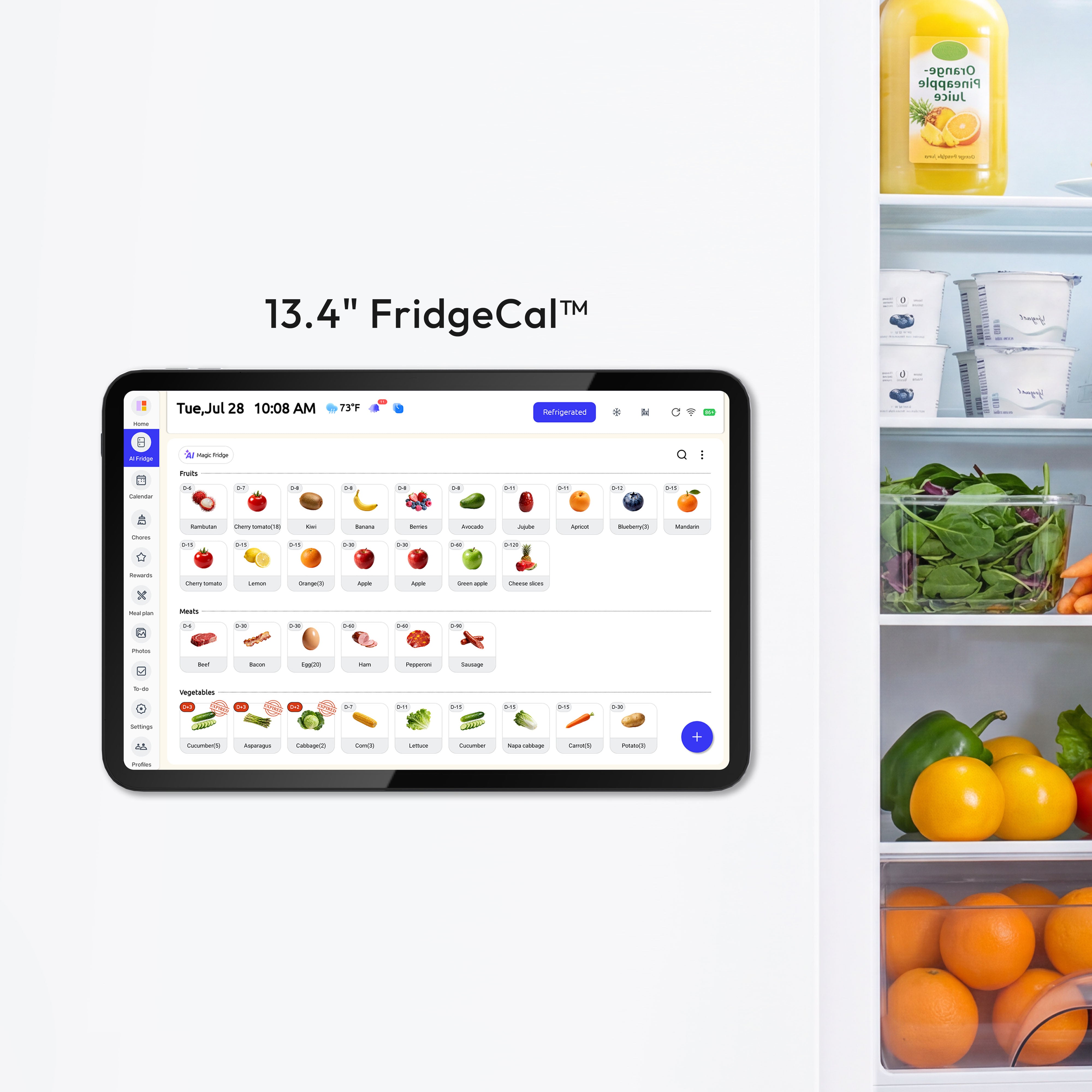
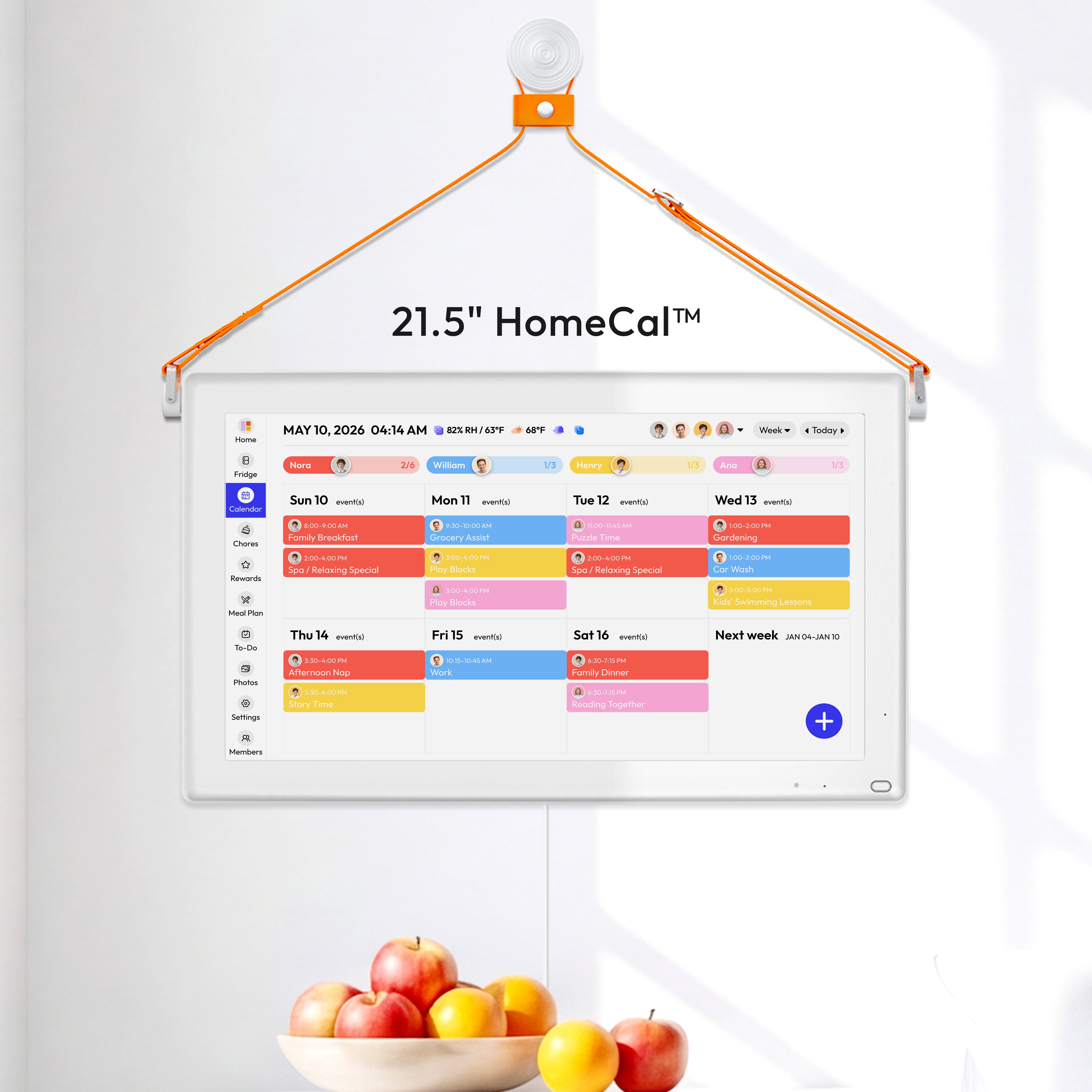
A central hub helps because it cuts down on memory-based management. Instead of a fridge note, scattered texts, and one parent keeping the whole plan in their head, the household works from one shared system. Everblog fits that setup in a practical way because it combines chores, meals, schedules, and rewards in one shared display. Its Chore Manager and Rewards Tracker are useful for families that need clearer assignments, recurring rotations, and follow-through, especially when kids are old enough to take on regular jobs.
The best chore plans are customized, not copied. A family with toddlers needs a different rotation than a house with teens. A parent who works nights needs different task timing than a couple with standard office hours. Build around your actual week, then adjust when the plan starts slipping.
Aim for a house that resets predictably. That lowers arguments, makes mornings smoother, and keeps small messes from turning into a weekend catch-up session.
If you want a shared place to manage chores, meals, schedules, and rewards without juggling paper charts and scattered apps, take a look at Everblog. It's designed as a family wall calendar and command center, which makes it a practical fit for households trying to turn a weekly chores list into a routine everyone can see and follow.


