
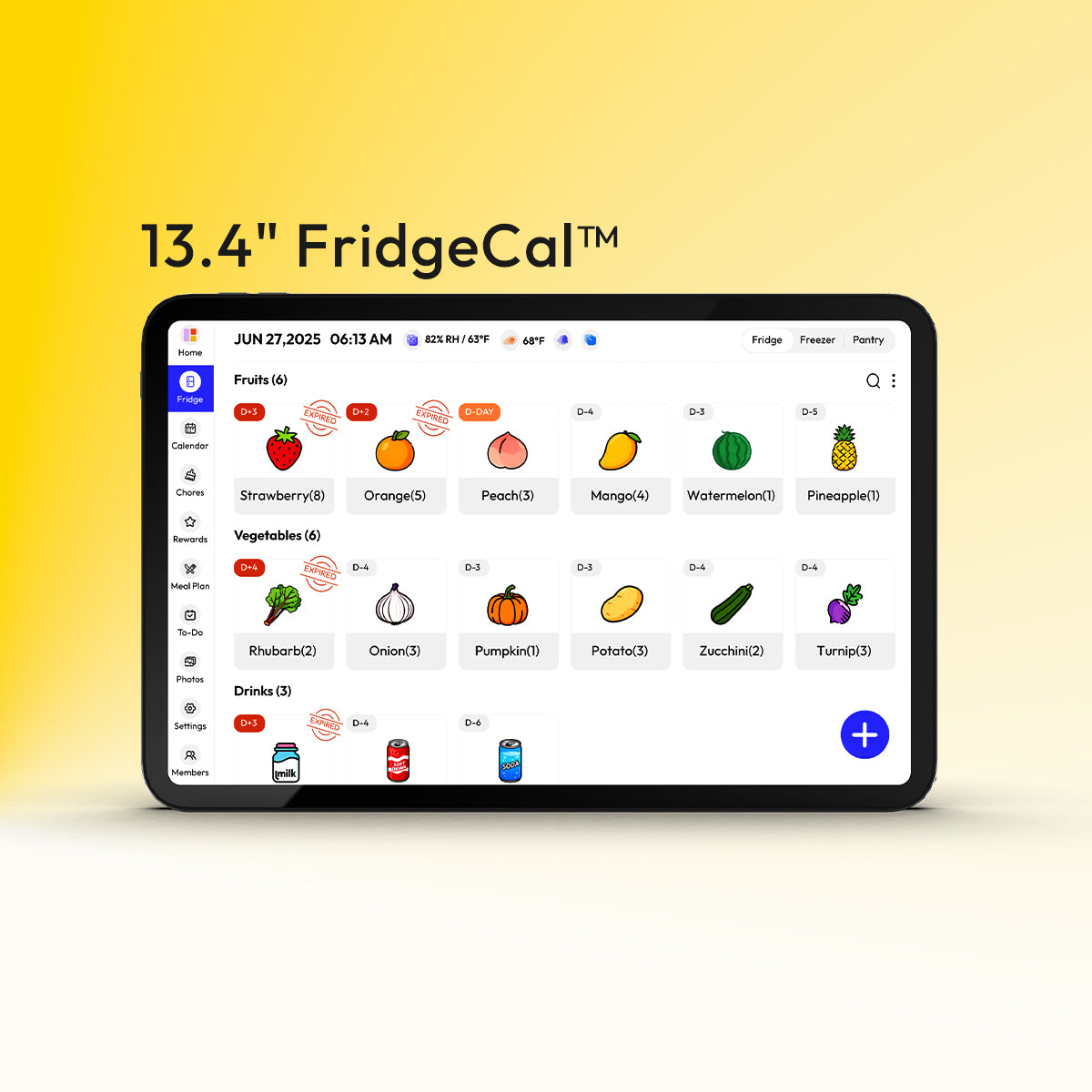
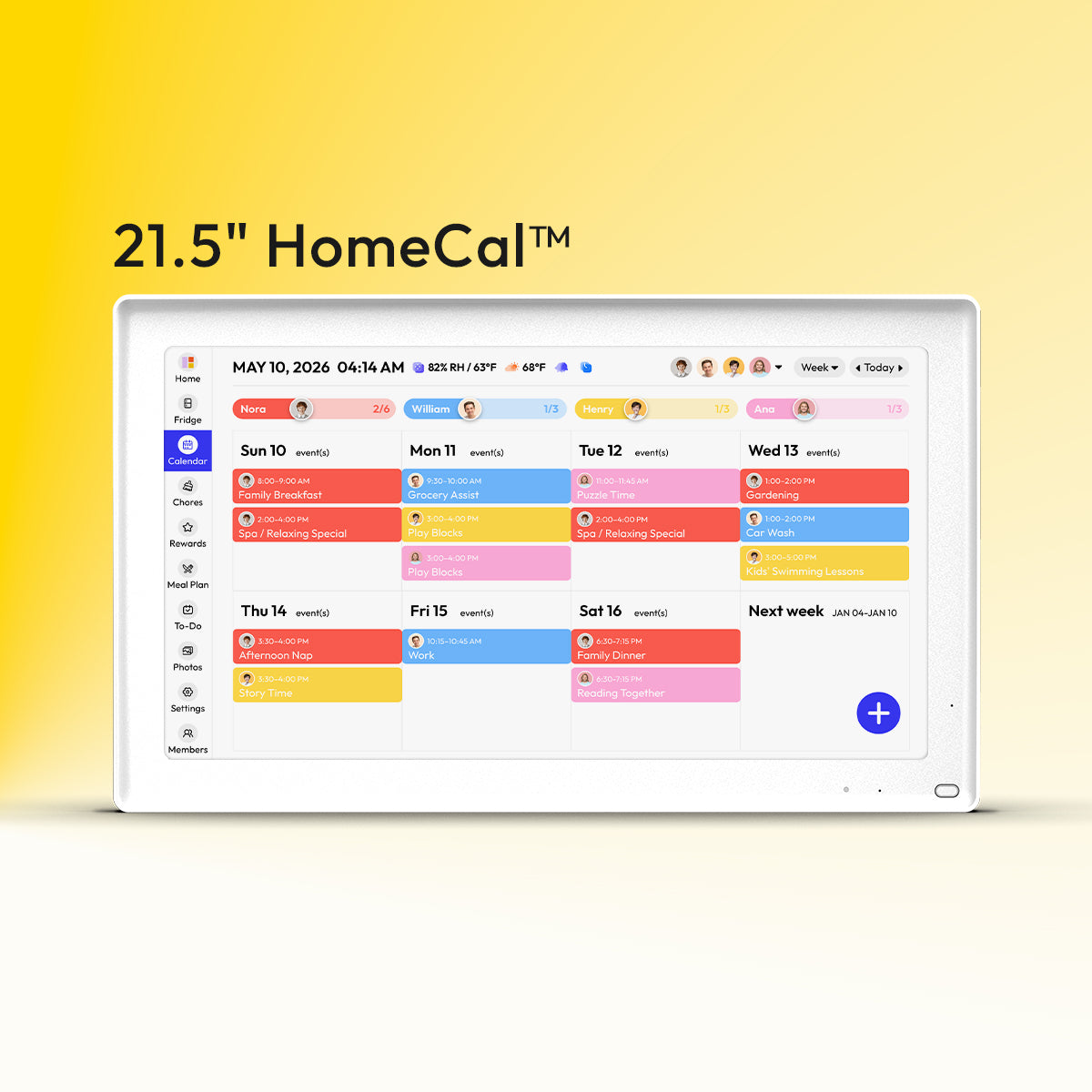


For money-motivated kids, allowance apps usually beat paper chore charts because they reduce parent follow-up work and make rewards visible in real time. The best results come from pairing an app with a visible family command center in the home.
If you have ever repeated “Did you finish that?” three times before dinner, your system is not failing because your child is lazy; it is failing because the workflow is fuzzy. Families that switch to a clearer setup often move from daily reminders to a predictable weekly review rhythm. You will get a practical framework to choose tools, set rewards, and roll out a system that holds up after the first week.

Start With the Friction Test, Not the Tool
The 3-question clarity model
Most systems break because paper charts often fail after about two weeks when updates depend on parent memory and manual rewrites. For busy households, that creates invisible work at exactly the worst times: school pickup, dinner prep, and bedtime transitions.
A stable system should answer three questions at any moment: what needs doing, whose turn it is, and whether it is complete. In practice, this means real-time sync, child-friendly access on shared household devices, and visible completion history so disagreements can be resolved quickly.
Voice helpers are useful, but Alexa alone cannot run a persistent multi-user chore chart. The reliable pattern is hybrid: voice for quick updates and reminders, plus a persistent chore system for assignment logic and status tracking.
Evidence Snapshot: Peer-reviewed token-economy evidence finds better child task completion when target behaviors are clearly defined and reinforcement rules are applied consistently token economy procedural descriptions.
Meta-analytic evidence on parent training similarly links stronger child behavior outcomes to clear, consistent parent implementation parent training program effectiveness. In this article, consumer blog links are used for feature and pricing comparison, not as clinical-effect evidence.
Design a Home Command Center Kids Will Actually Check
Put the system in the traffic path
A a company works because it makes schedules, chores, and routines part of daily movement through the home. That matters in households balancing work shifts, school events, and meal prep windows.

Use a simple placement filter before mounting anything: low glare across morning-to-evening light, screen height both adults and kids can read, and power access without messy cable runs. Keep setup lean: connect Wi-Fi, create profiles, color-code calendars, sync existing calendars, and add recurring events in one focused block.
Combine chores, meals, and lists in one view
A unified app that includes Family Calendar, Family Tasks, Meal Plan, and Shopping List reduces app-hopping and “where did we put that?” friction. When chore completion, dinner plans, and shopping needs live together, kids see why tasks matter, not just that they were assigned.
Match the Reward Engine to a Money-Motivated Child
Choose by behavior target and monthly cost
For families prioritizing financial learning, Greenlight starts at $5.99/month for up to 5 kids and supports recurring allowance schedules with parent review. Compare that to free options and lower-cost alternatives by asking one question first: are you mainly teaching task consistency, money management, or both?
For younger kids or mixed-motivation siblings, points, streaks, badges, and visible progress can outperform pure cash incentives. Money can still be part of the system, but progress mechanics help maintain momentum between allowance days.

Features with the highest day-to-day value are points/rewards, task rotation, and workload visibility. Skip social-sharing and overcomplicated scheduling layers unless your family already runs a highly structured routine.
A practical scoring template
Use this starter template to keep rewards clear and fast to administer:
Chore Type |
Frequency |
Points |
Cash Conversion |
Daily reset (bed, backpack, dishes) |
Daily |
1 each |
10 points = $1.00 |
Meal support (set table, clear table) |
4x/week |
2 each |
Weekly payout |
Weekly zone clean (bedroom/bathroom) |
Weekly |
5 |
Bonus if on-time streak |
Family help task (grocery unload, pet care) |
2x/week |
3 |
Optional non-cash reward |
Tie Chores to Meal Planning and Home Organization
Use the kitchen as operations hub
A weekly meal-planning cadence with reminders is easier to sustain than ad hoc planning, especially when done near the pantry and fridge where inventory decisions happen. Check the family calendar first, then assign “busy-night meals” and prep chores accordingly.
At this age range, 10-year-olds can handle meaningful kitchen and household responsibilities, including simple food prep, laundry sorting, and room resets. Linking these tasks to allowance makes effort visible while still building life skills.
Example weekly flow for a money-motivated 10-year-old
A free app like OurHome with parent-assigned points and redemptions can run this structure: Monday grocery-list draft from meal plan, Tuesday dishwasher unload, Wednesday laundry sort/fold, Thursday lunch prep assist, Friday room deep reset, Sunday weekly review with payout. Keep instructions step-by-step for each task to reduce “I didn’t know what done means” arguments.
Practical Next Steps
14-day rollout plan
A four-step setup that can be done in under five minutes gets the system live quickly, then you spend the next two weeks refining task clarity and reward thresholds. Pair that with one 30-minute command-center setup block so chores and schedule are visible in the same place.
The most common failure point is parent inconsistency, not app quality. Protect one recurring weekly review time (for example, Sundays at 4:00 PM) and treat it as non-negotiable.
In this 14-day pilot, track each child’s completion rate across the week-one setup (3 daily and 2 weekly tasks) and the weekly reminder count per child, then compare week 2 against week 1 as your primary outcome window treatment maintenance strategies in token economies.
Expect household-to-household variability and short novelty effects in the first week, so early gains should be treated as local signals rather than universal effect sizes key parenting program components.
Action checklist
- Pick one app based on your primary goal: consistency, money skills, or both.
- Install only core chores for week one: 3 daily and 2 weekly tasks per child.
- Set a visible points-to-cash rule and keep it unchanged for 14 days.
- Add chore blocks to your family calendar around real meal-planning and activity windows.
- Run one weekly review: approve completions, pay allowance, rotate one task.
- After two weeks, adjust only one variable at a time (points, frequency, or reward type).
Use this weekly review template to self-monitor implementation fidelity and maintenance over the same 14-day window treatment maintenance strategies in token economies.
Metric |
How to Calculate |
Review Cadence |
2-week chore completion % |
Completed assigned chores ÷ total assigned chores × 100 |
End of week 1 and end of week 2 |
Weekly reminders per child |
Count all parent reminders logged per child |
Weekly review |
On-time streak count |
Count consecutive days chores are marked complete on time |
Weekly review |
Payout accuracy |
Correct payouts delivered ÷ total payouts due |
Weekly review |
If you want a durable system, keep the tool stack simple and the review rhythm strict: app for logic, display for visibility, and calendar-linked routines for follow-through.
Important Note
The planning templates and organizational systems provided here are intended as adaptable blueprints. Every family’s needs, dietary requirements, and physical capabilities are different. We recommend tailoring these schedules to your specific health needs and household dynamics. Results from productivity or meal-planning systems may vary, and consistency remains the responsibility of the individual user.
Disclosure & Safety
No paid sponsorships or affiliate relationships are declared in this article. Pricing and feature information is informational only and was checked as of March 27, 2026; product terms can change without notice.
If a child has persistent inattention, impulsivity, emotional/behavioral dysregulation, or developmental concerns that impair home or school functioning, consult a pediatrician and request referrals to appropriate specialists such as a licensed child psychologist, behavior specialist, or occupational therapist for individualized planning parent mediated intervention programmes. School-home coordination can also use structured daily behavior report systems with the education team daily report card intervention trial manuscript.
References
- Best Family Chore Chart App 2026 [Consumer comparison; accessed March 27, 2026; purpose: app feature roundup and setup workflow examples; not clinical evidence.]
- 8 Best Allowance and Chore Apps for Kids [Consumer comparison; accessed March 27, 2026; purpose: pricing and feature comparison; not clinical evidence.]
- Nori [Vendor/product page; accessed March 27, 2026; purpose: product feature reference.]
- Family Calendar Display [Consumer/productivity blog; accessed March 27, 2026; purpose: home setup example; not clinical evidence.]
- Meal Planning Step 2 [Personal blog post; accessed March 27, 2026; purpose: workflow example; not clinical evidence.]
- Best Chore Chart Apps for Kids [Consumer comparison; accessed March 27, 2026; purpose: app feature examples; not clinical evidence.]
- Create a Family Chore Chart on Alexa [Consumer how-to article; accessed March 27, 2026; purpose: voice-assistant workflow limitations.]
- Age-Appropriate Chores for 10-Year-Olds [Consumer/education blog; accessed March 27, 2026; purpose: age-based chore examples.]
- Token Economy: A Systematic Review of Procedural Descriptions [Peer-reviewed study; accessed March 27, 2026; purpose: token-economy implementation evidence.]
- A Systematic Review of Treatment Maintenance Strategies in Token Economies [Peer-reviewed systematic review; accessed March 27, 2026; purpose: maintenance and follow-through evidence.]
- Parent mediated intervention programmes for children and adolescents with neurodevelopmental disorders in South Asia: A systematic review [Peer-reviewed systematic review; accessed March 27, 2026; purpose: caregiver-mediated intervention evidence and limits.]
- A meta-analytic review of components associated with parent training program effectiveness [Evidence review summary; accessed March 27, 2026; purpose: parent consistency and behavior-change components.]
- Meta-Analyses: Key Parenting Program Components for Disruptive Child Behavior [Peer-reviewed meta-analytic review; accessed March 27, 2026; purpose: heterogeneity and component-level effects in parenting programs.]
- Why Paper Chore Charts Fail, and Why Digital Tracking Is Stickier [Consumer blog; accessed March 27, 2026; purpose: implementation-friction examples; not clinical evidence.]


