
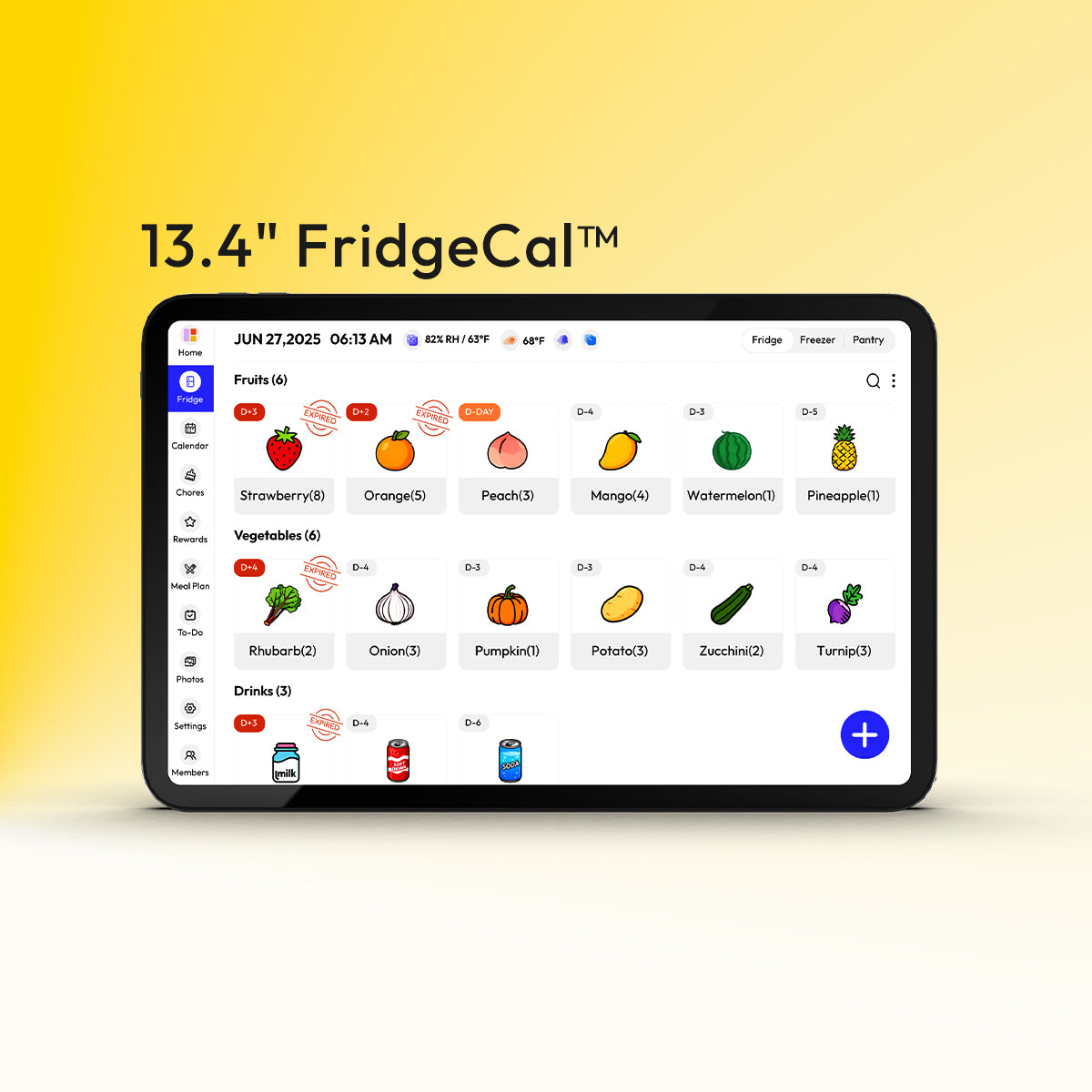
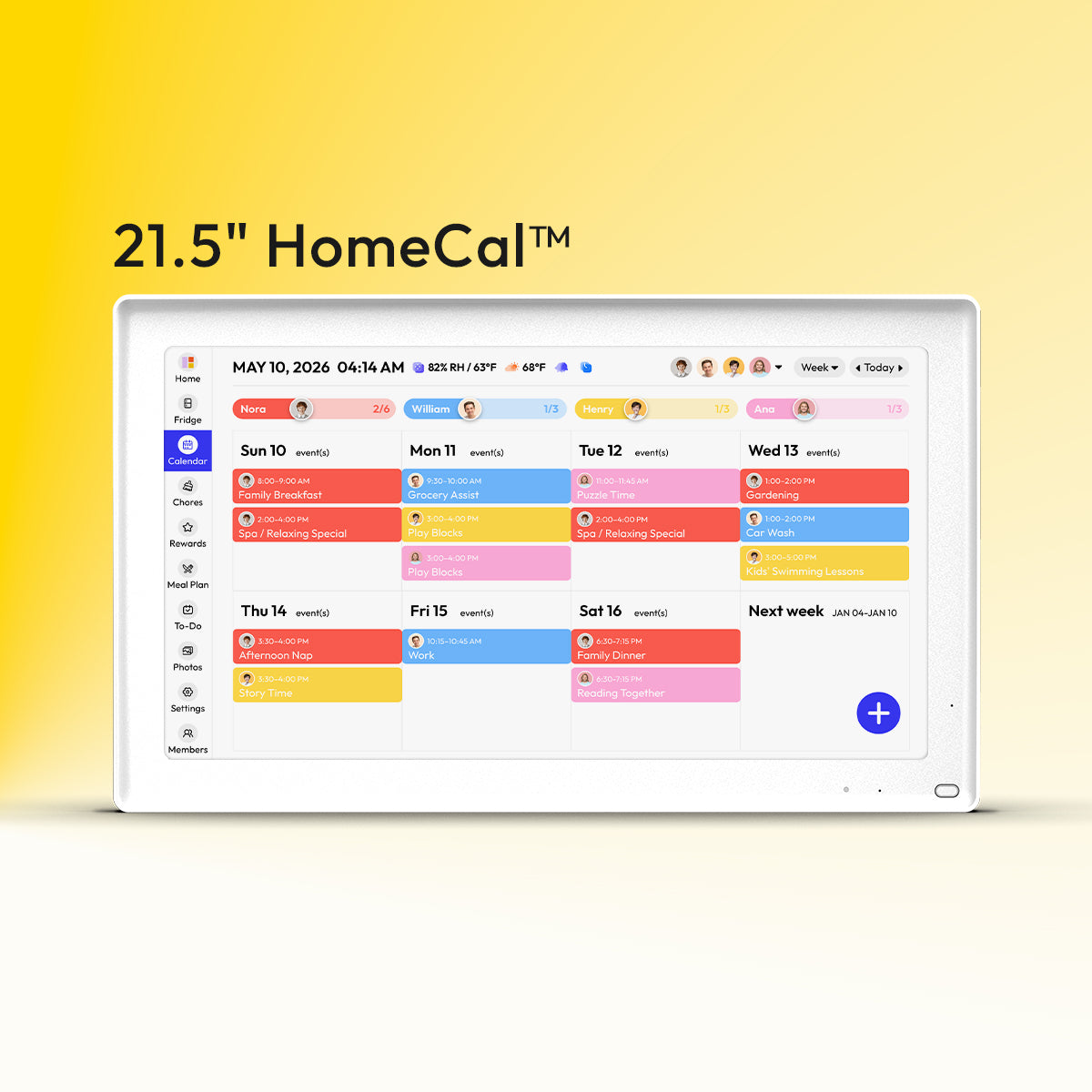


One shared planning hub keeps camp schedules, seasonal activities, meals, chores, and pickup changes in one place. It gives the family one version of the week instead of a trail of texts, emails, and half-remembered notes.
Did the camp bag get packed, the lunch note get signed, and the pickup time change after school? A digital calendar plus a visible home planning spot helps families keep those moving parts in sync. The goal is a simple system you can keep using through the next seven days, not a whole new way of living.
Why Camp Weeks Feel Harder Than School Weeks
Camp weeks are not just busy. They are full of small handoffs that happen at different times and in different places. One child may need sunscreen and a lunch. Another may need a swimsuit, a waiver, and a pickup at 4:30 PM. The problem is not any one task. It is the number of places each task lives.

When the plan is spread across texts, email threads, paper forms, and memory, the family keeps re-deciding the same things. Who is driving? What time? Which bag? Which snack? A digital calendar works better here because a change made once can show up on the devices and displays everyone actually checks.
The hidden work is what drains people
The hardest part is often not the camp itself. It is the invisible work around it: remembering to pack, checking traffic, matching food to the schedule, and telling the other adult what changed. That is why visible systems help. They reduce the need to re-explain the week every day.
A camp week also exposes uneven follow-through. One parent may remember the reminder in a cell phone. Another may only notice the note on the counter. A child may hear the plan at breakfast and forget it by afternoon. The more the week depends on oral reminders, the more likely something gets missed.
Build One Hub, Not Four Separate Systems
A useful hub does not try to do everything in one app or on one board. It connects the pieces that matter most: the schedule, the daily prep, the home jobs, and the quick glance point where everyone can see it.

Start with one shared calendar
Use one primary calendar for all camp weeks and seasonal programs. Put every drop-off, pickup, rehearsal, swim lesson, practice, and special event there. Keep the event names plain. “Camp pickup - Maya” is easier to use than a vague note that only one adult understands.
If your household uses different calendar systems, sync them so the same update appears in both places. That matters on weeks when a pickup moves from 3:00 PM to 4:00 PM or a camp sends a last-minute reminder. The fewer places a change has to be entered, the less likely it is to be lost.
A wall-mounted family calendar like the Everblog 21.5" Digital Calendar can keep camp times, pickup changes, and chores on one visible screen.
Add a visible surface at home
A phone is useful for alerts. A wall display, fridge sheet, or family command center is useful for quick checks before the door opens. Families often do best with both. The phone catches the update. The wall catches the person who is already walking past the kitchen.
A family command center does not need to be fancy. A simple board with the week’s schedule, a packing list, and a spot for papers is enough. What matters is that the family can see it at the same time without opening three different apps.
What Belongs in the Hub
A good hub answers three questions fast: Where does everyone need to be? What needs to leave the house? What needs to happen at home so the schedule still works?
Put these items in the calendar
Keep the calendar for anything tied to time or location. That includes camp hours, pickup windows, appointment times, carpool days, swim days, and activity changes. If a child needs to be at two places in one day, both places should be visible at the same time.
Use color coding if it helps, but keep the meaning simple. One color per child or one color per activity type is enough. The goal is fast recognition, not a design project.
Put these items on the visible board
The visible board should hold the details people forget when they are rushing. That usually means packing lists, lunch notes, forms that need signing, and reminders about gear. If the child needs water shoes, a towel, and a refillable bottle, those items should be listed where the bag gets packed.

This is also the right place for household carryover work. Dinner may need to be early on camp pickup days. Laundry may need to happen the night before a field trip. Pets may need feeding or walking at a different time. When the home jobs are visible, they are less likely to get dumped on one tired adult at 8:00 PM.
Keep one place for “tomorrow”
A small basket, folder, or tray near the door helps keep the next day together. Put signed papers, camp forms, sunscreen, snacks, and any item that must leave the house in that one spot. The rule is simple: if it is for tomorrow, it goes in the tomorrow spot.
That one habit lowers the chance of a morning scramble. It also makes it easier for kids to help. They do not need to know the whole household system. They only need to check the spot that says, “This is what leaves with us.”
Set Roles and Timing So the System Holds
A hub only works if someone owns it. Otherwise, the information sits in the right place but never gets updated.
Assign one person to each job
One person should enter new events. Another can check packing and papers. A third can keep an eye on meal changes or transport. In a two-adult home, that may just mean one parent handles the calendar while the other handles the physical board and the door tray.
This does not mean one adult does all the work forever. It means each task has a clear home. When everyone owns everything, nobody owns anything. That is when a missed email becomes a missed pickup.
Use a weekly rhythm
A short Sunday review is usually enough to catch most problems before they happen. Look at the whole week, confirm pickups, check late days, and note anything that needs packing. Then do a quick evening check before bed on the busiest nights. That is when you verify the next day’s bag, shoes, and lunch.

The best timing is the timing your household can repeat. For many families, five minutes on Sunday and two minutes at night are enough. If the plan changes during the day, update the hub first and then tell the next driver. The board should not lag behind the texts.
Keep the System Simple When the Season Changes
Seasonal schedules change shape. Summer camp looks different from back-to-school sports, and both looks different from holiday break. A useful hub needs to flex without being rebuilt from scratch.
Adjust the plan to the season, not the other way around
A seasonal planning tool treats the year as a set of changing seasons and reminds planners to start small, set reasonable timelines, collaborate, and adapt to local conditions. That same approach works at home. You do not need a perfect year plan in June. You need a stable way to handle the next season.
When camp ends and school sports begin, keep the structure and swap the details. The calendar still holds the schedule. The board still holds the packing list. The door tray still holds papers and gear. Only the labels and routines change.
Trim what nobody uses
Every season reveals what is extra. If a paper list never gets checked, remove it. If a separate app is making the same job harder, drop it. If the family keeps missing one kind of reminder, move that reminder to a more visible spot.
The goal is not more organization for its own sake. The goal is fewer handoffs getting lost between school, camp, the car, and the kitchen table.
FAQ
Q: Do we need both a digital calendar and a wall board?
A: In most homes, yes. The calendar is best for updates, reminders, and shared access on phones. The wall board is better for quick glances, packing, and the kind of details people notice while walking past the kitchen.
Q: What if one parent never opens the app?
A: Put the core plan in the place that gets checked most often, then keep the calendar and the wall board aligned. If one person still prefers paper, the visible board can carry the daily details while one adult updates the shared calendar.
Q: How often should we update the hub?
A: Do a short weekly reset and a brief nightly check during busy camp weeks. If something changes during the day, update the hub right away so the next person in line is not guessing.
Practical Next Steps
- Pick one shared calendar for the whole family and put every camp or seasonal event there.
- Set up one visible spot in the house for the weekly schedule, packing list, and papers.
- Assign one person to enter updates and one person to check the next day’s bag or gear.
- Add a Sunday review and a short evening check to the family routine.
- Keep a small door tray or basket for items that must leave the house the next day.
- Remove any list, app, or reminder that nobody in the house is actually using.
The best hub is the one your family can still read when the week gets messy. If it helps you leave on time with the right bag, the right ride, and fewer repeat questions, it is doing its job.


