






The Chief Remembering Officer is the person who keeps the family from dropping the invisible details. The job gets lighter when memory moves out of one person’s head and into a shared calendar, a visible command center, and clear household routines.
If you are the one who remembers picture day, the empty toothpaste, the school form, and which child needs to be across town by 5:30 PM, you are probably doing this role already. Families usually feel less friction when schedules, chores, and meals are visible in one place instead of carried by one tired adult. What follows will help you decide what to make visible, where to put it, and what kind of shared system may actually hold up in real life.
What the Chief Remembering Officer Actually Does
It is the follow-through job
The household mental load is the invisible work of tracking schedules, meals, child care, pet care, and home logistics before they become problems. The Chief Remembering Officer is the person quietly holding those threads together.
In plain English, this role often means knowing who needs clean gym clothes, which bill is due, whether the library book is still in the car, and what is for dinner when everyone gets home late. A good family command center exists for exactly this reason: to keep calendars, grocery lists, bills, chore charts, and important papers at your fingertips instead of scattered across counters and text messages.

This role is often unrecognized because remembering does not look like “doing” until something gets missed. That does not mean one parent is better at running the house. It usually means the household system is relying on one person’s memory more than it should.
Why This Role Creates Friction Fast
Memory is a weak place to store family logistics
A lot of household tension starts when shared expectations stay invisible. Families tend to stay more coordinated when a visible calendar and drop zone make schedules, papers, and responsibilities easy to check in passing, especially near a kitchen, entry, or garage door.
What often breaks is not effort. It is handoff clarity. If one person says, “Can you handle camp forms?” but the form is still in a backpack, the deadline is only in one person’s head, and no one can see whether it is done, the task is not really shared yet.
This matters even more when someone in the home struggles with executive function, which simply means the brain has a harder time starting, sequencing, or remembering tasks under stress. A visible next-step list may help because it lowers the amount any one person has to hold in mind. That is support, not treatment, and it can help many kinds of households.

What Shared Digital Calendars Do Better Than Memory
A good calendar makes timing public
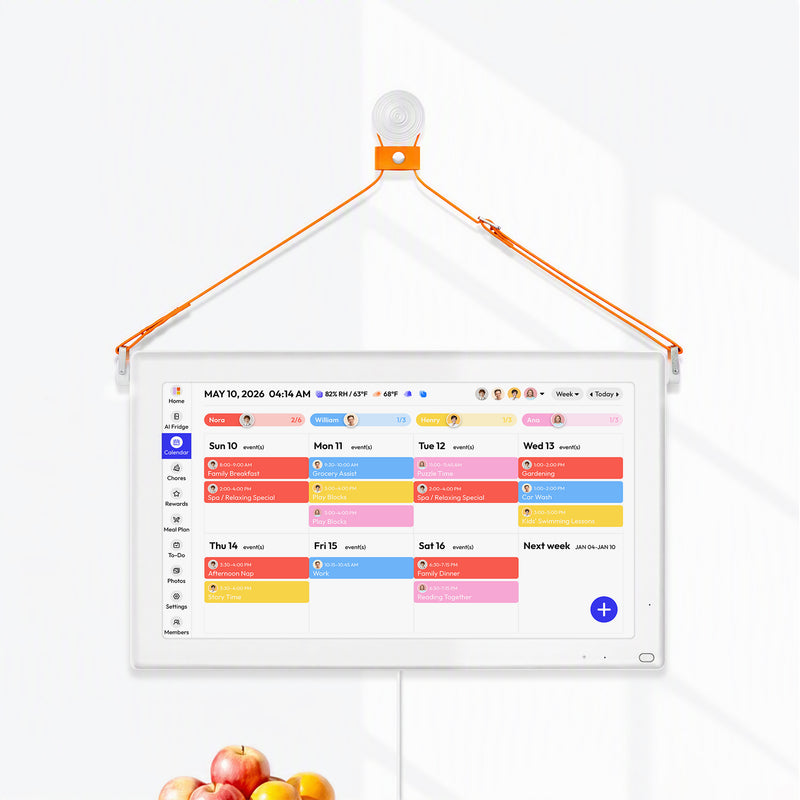
A digital family calendar helps because it turns “I thought you knew” into a shared source of truth. The options are different, but the useful features are usually the same: color-coded people, one shared family view, and enough structure for appointments, school events, and recurring routines.
Phone-first tools work well when everyone already checks a device. The calendar and planning apps in common use often combine events with to-do lists, shopping lists, recipe storage, and weekly dinner planning. That is useful because family life usually breaks at the overlap points, not inside one category.
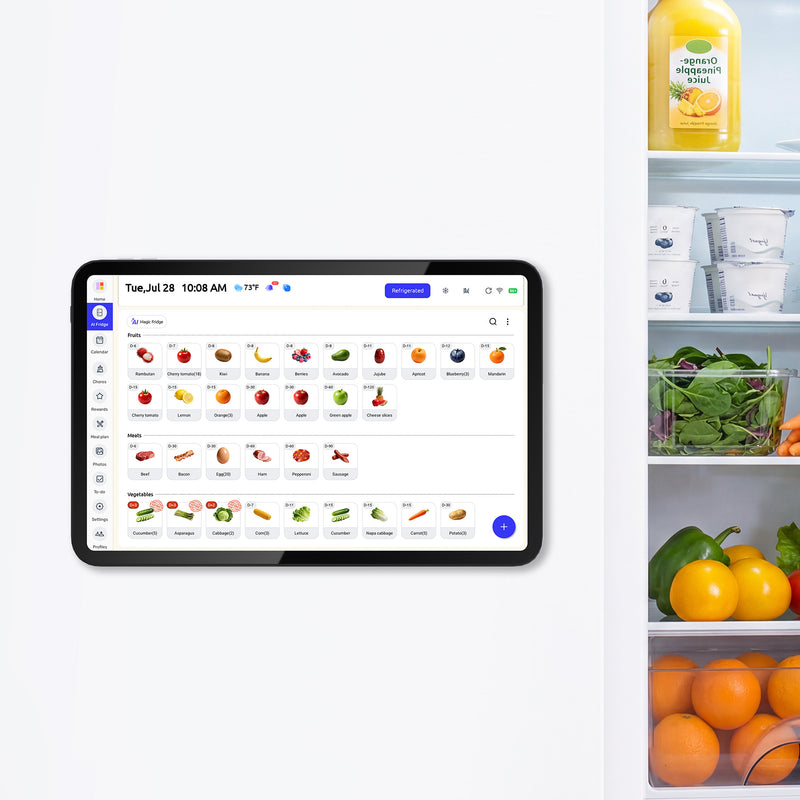
Wall displays are different. They work less like a private planner and more like a shared bulletin board that updates itself. A wall-mounted option like the Everblog digital calendar fits that model by giving families one large touch display designed for wall mounting, so plans, tasks, chores, and events stay visible on one screen. In one comparison, a brand’s hardware ranged from a 10-inch model at $169.99 to a 27-inch model around $569 to $599, while a platform stayed cheaper with a free plan and a paid plan at $39/year. The trade-off is simple: wall displays are easier for everyone to see, but phone-first apps cost less and travel with you.

One dashboard can work if your family will use it
A shared digital dashboard only helps if it becomes the first place people check. The family command center template from a platform is one example of an all-in-one setup, with 13 templates for schedules, meals, chores, appointments, projects, and recurring lists for $19.00. That can be useful for households that want one system, but it may be too much for people who do better with a simple wall calendar and a few lists.
Build a Command Center People Will Actually Use
Put it where people already stop
A command center works best in a high-traffic home space, not in the prettiest empty corner. Kitchen walls, mudrooms, back hallways, laundry areas, and garage entries tend to work because people pass them every day without having to remember to go check.
The must-have pieces are usually modest: a family calendar, a place for incoming paper, a short note area, a shopping or meal list, and hooks or bins for the things that leave the house with you. The strongest command center examples also emphasize high visibility, simple maintenance, and storage for the papers that matter right now.
You do not need a visual-inspiration wall to make this useful. A narrow wall, a desk station, a closet nook, or even two smaller zones can work. One roundup included a budget-friendly setup around $75, which is a good reminder that the win is not the decor. The win is fewer missed handoffs.
Decide what deserves wall space
The easiest mistake is trying to organize the entire household at once. A better approach is to choose the few things that repeatedly create stress: school papers, dinner planning, chore rotation, keys, or a weekly schedule. If an item does not help the family leave the house, feed the house, or run the house, it probably does not need prime space.
Paper needs rules. Near-term papers stay visible. Old flyers, completed worksheets, and random mail do not. A command center should reduce visual noise, not become a shrine to unfinished errands.
Make Chores, Meals, and Handoffs Visible
Assign the task and the finish line
Shared chores work better when the task system is visible and the owner is clear. Useful features are recurring tasks, custom repeat patterns, reminders, rollover for unfinished jobs, and some way to confirm completion. Photo check-ins are not for policing; they can reduce the “Did that actually get done?” loop that keeps one person in supervisor mode.
The point is not to build a perfect chart. It is to define what counts. “Clean the kitchen” is vague. “Unload dishwasher, wipe counters, and take out trash by 7:30 PM” is shared language.
A real-world rotating chore system from a family of 12 makes the practical point well. Morning and evening jobs were simple, chores rotated weekly so children could practice different skills, and new assignments usually needed reminders for a few days before the routine settled in. That is a better expectation for most homes than instant compliance.
Meals and crisis support need the same visibility
Meal planning is one of the first places the remembering burden shows up. The same home organization apps that handle shared calendars often help with dinner planning, recipe storage, shopping lists, and room-based chores. That matters because grocery planning and evening cleanup usually live in the same real-life time window.
When a family hits a hard stretch, outside help also needs structure. A platform has organized more than 280,000 pages, 6 million meals, 2 million visits, and 650,000 rides by turning help into visible sign-ups instead of scattered texts. That is a useful model even for smaller needs: list the task, name the date, and let people claim it clearly.
Practical Next Steps
A two-week test is enough
The best household system is the one tired people will still use. A start-small command center plan usually holds up better than a big reset because it focuses on space, priority, and what is actually maintainable.
Try this for two weeks:
- Pick one shared home base: a wall calendar, a shared app, or a simple digital dashboard.
- Put it in a place people already pass, such as the kitchen, mudroom, or garage entry.
- Track only four categories at first: events, meals, chores, and incoming papers.
- Give each recurring task an owner, a due time, and a visible definition of done.
- Add one weekly reset, such as Sunday at 7:00 PM, to review the next seven days.
- Notice what still lives in one person’s head, then move that item into the shared system.
If the system is helping, you should hear fewer “I didn’t know,” see fewer duplicate reminders, and spend less time translating household life for everyone else. That is what progress looks like.
FAQ
Q: Do we need a digital wall calendar to fix this?
A: No. A paper planner, whiteboard, or small command center can work well. A digital wall display helps most when schedules change often and multiple people need the same live view.
Q: What if my partner or kids do not check the system?
A: Start by putting the system where people already stop, not where you wish they would stop. Then keep it small, update it at the same time each week, and use it during real handoffs like school pickup, dinner, or bedtime prep.
Q: Will this help if someone in the family has ADHD or struggles with follow-through?
A: It may help by making the next step visible and reducing how much must be remembered in the moment. It is not treatment, but it can be a practical support for households that do better with clear cues and fewer hidden expectations.
Disclaimer
This article is for household planning education only. It is not a substitute for mental health care, medical advice, legal advice, or crisis support. If safety, custody orders, or a diagnosed condition are involved, work with the appropriate licensed professional.
References
- The 10 Easiest Family Command Centers to Get Organized
- Chore System for our Family of 12
- 7 Apps to Make Your Life Easier in the New Year
- App for Family: Shared Chores & Tasks
- Revolutionizing Work-Life Balance: The First Digital Calendar to Lighten the Mental Load for Working Moms
- Family & Household Command Center Template
- A platform
- Best Digital Family Calendar for Planning & Chores in 2026
- 25+ Functional (& Pretty!) Family Command Centers
- The Ultimate DIY Family Command Center Guide


