





A flexible meal plan gives your family enough structure to eat well while you are away without forcing the at-home parent into a rigid dinner script. The strongest system is a visible weekly plan, a few prepped ingredients, emergency meals, and shared grocery notes everyone can update.
Is dinner falling apart the night your flight gets delayed, the soccer carpool runs late, and no one knows whether the chicken was supposed to thaw? Families do better when the plan leaves room for real life: one hour of strategic prep, a visible kitchen calendar, and a short list of ready meals can turn travel weeks from frantic to manageable. Here is a practical way to feed your household while protecting connection, budget, and everyone’s patience.
What Flexible Meal Planning Means for Traveling Parents
Flexible meal planning is not assigning seven perfect dinners to seven fixed nights. It is keeping a short, visible menu of meals your household can make with the food already available, then choosing based on time, energy, and the day’s schedule. That distinction matters when one parent is traveling, because the remaining caregiver is often managing school forms, bedtime, pets, homework, and transportation at the same time.
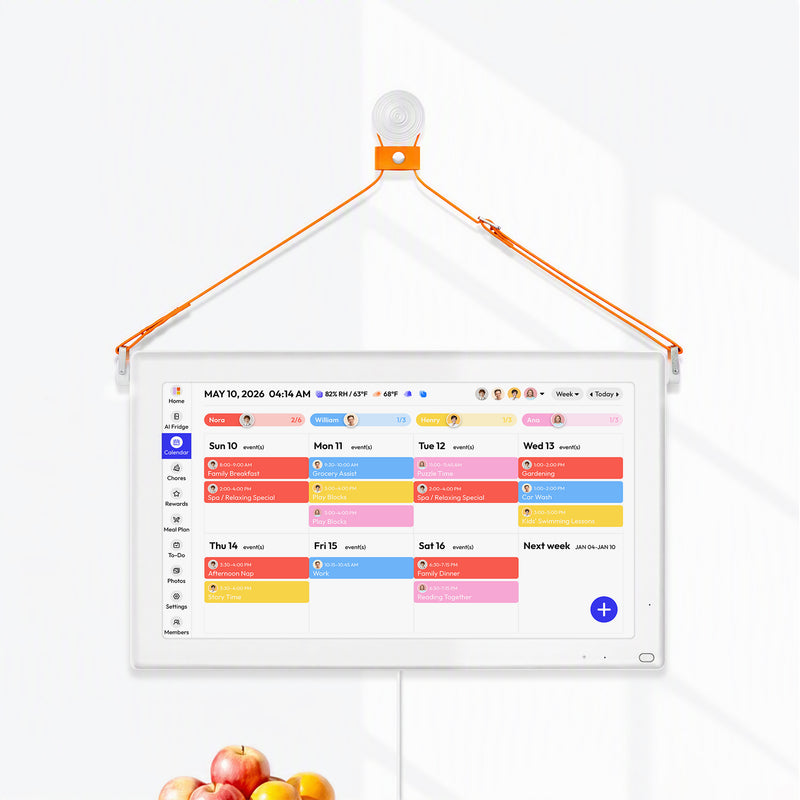
A useful plan starts with the family calendar. If Tuesday has a 6:30 PM practice and Thursday has a late work call, those nights need reheatable food, breakfast for dinner, or a freezer meal. If Saturday is calmer, that can be the night for a family favorite that needs chopping or oven time. This matches the practical idea that a meal plan should fit your real household schedule, not someone else’s routine; a meal plan should fit reduces stress instead of becoming another standard to fail.
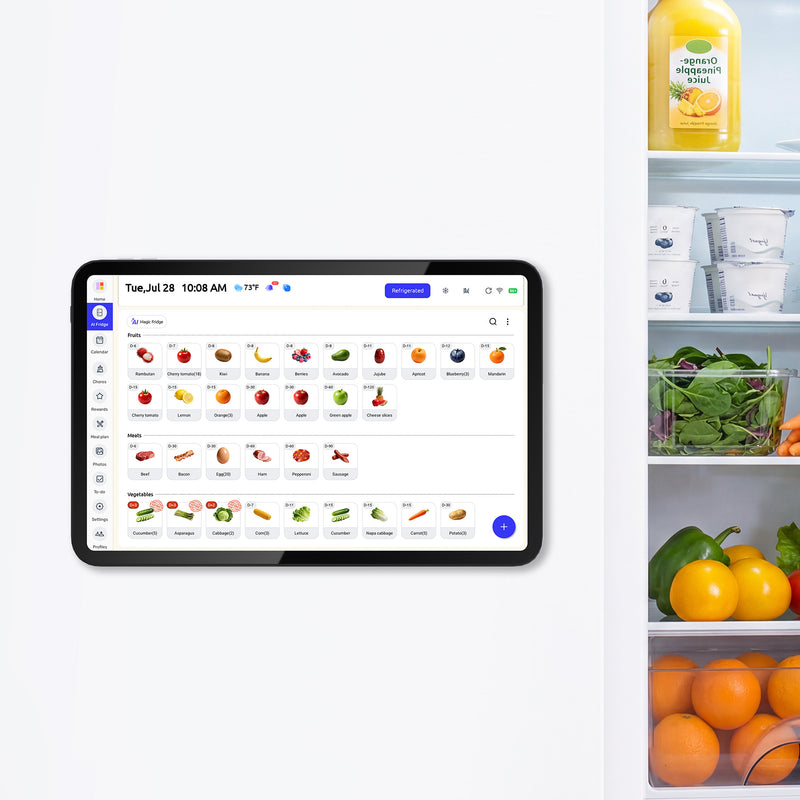
In homes I’ve helped organize, the turning point is usually not a better recipe. It is moving dinner decisions out of the 5:30 PM panic window. A smart fridge calendar, shared app, or simple whiteboard works because everyone can see the same plan: what is available, what needs to be eaten first, and which meals are backup options.
Build the Plan Around the Travel Week, Not the Food
Before choosing meals, look at the actual travel pattern. A two-night trip needs a different plan than a five-day conference. Mark departure time, arrival time, school events, activity nights, grocery pickup windows, and the at-home parent’s hardest workday. Then choose meals that match those pressure points.
For example, if you leave Monday morning and return Thursday night, Sunday prep might include baked pasta for Monday, taco meat for Tuesday, chopped vegetables and tortillas for Wednesday, and a frozen pizza or soup for Thursday if your flight runs late. That is not a failure meal; it is part of the design. Travel meal advice emphasizes planning ahead because travel environments make convenience foods more tempting, and the same principle applies to the family left at home: planning ahead creates better options before stress takes over.

A simple calculation helps. Count the dinners you will miss, subtract any nights when the family already eats out or has leftovers, then prep only what remains. For four nights away, many families need only two cooked dinners, one component-based meal, and one backup meal.
Prep Components, Not Just Complete Meals
Complete freezer meals are helpful, especially for the first night away. But flexible components often serve a family better across a messy week. Cooked rice, shredded chicken, washed berries, sliced peppers, hard-boiled eggs, roasted vegetables, and a container of pasta can become bowls, wraps, fried rice, salads, quesadillas, or quick lunches.
Flexible meal prep can focus on ingredients rather than fully portioned meals, with planning limited to a few days at a time so leftovers, schedule changes, and changing appetites can fit naturally; this ingredient-focused planning approach is especially helpful when the traveling parent is usually the main cook.
A one-hour prep model is a useful benchmark for travel weeks. A parent can spend about an hour on Sunday making overnight oats, cooking a grain, washing produce, and prepping one dinner base, then rearrange meals as the week changes. The point is not perfection; it is reducing weekday friction.
Use a Visible Kitchen System Everyone Can Follow
When one adult travels, the plan must be obvious without explanation. Put the week’s food plan where the household already looks: a smart fridge calendar, a shared family organizer, or a printed page taped near the pantry. Label meals by effort level, not just name. “Heat and eat,” “10-minute assembly,” and “cook when calm” are more useful than “chicken.”

Shared lists also prevent the classic travel-week text thread: “Are we out of milk?” A family organizer with shared shopping lists, to-do lists, meal planning, recipes, and grocery updates lets a shared shopping list be updated from the kitchen or the store. For families with older kids, this also creates a gentle handoff. A child can add yogurt, check off lunch supplies, or choose between two approved dinners without needing to ask the traveling parent.
A practical smart fridge calendar setup might show dinner options in one column, lunch-packing items in another, and “eat first” foods at the top. If strawberries, salad greens, and cooked chicken need attention, they should be visible before the freezer meals.
Choose the Right Backup: Freezer, Meal Kit, or Delivery
Backups should be chosen before the trip, not during the hardest evening. Freezer meals are usually cheapest and most familiar. Meal kits reduce shopping and decision-making, but still require cooking. Prepared meal delivery can be a relief during intense travel seasons, though nutrition labels and cost deserve a closer look.
Backup option |
Best for |
Tradeoff |
Freezer meals |
Familiar dinners, lower cost, fast reheating |
Requires prep before travel |
Meal kits |
Families who can cook but hate deciding and shopping |
Less economical than scratch cooking |
Prepared meals |
Solo-parent nights with no cooking bandwidth |
May cost more and need nutrition review |
Emergency grocery meal |
Frozen pizza, soup, rotisserie chicken, bagged salad |
Less customized, but dependable |
Family meal kits can save time by reducing grocery shopping and prep, while usually costing less than takeout for more than two or three people; that costing less than takeout option can be worth it when work travel overlaps with a demanding school week. Delivery styles vary, from heat-and-eat meals to semi-prepared kits, and sodium and packaging can be concerns in prepared options; parents should check sodium and packaging before relying on them every night.

Match Apps to the Family’s Actual Problem
Apps help only when they solve the right friction. If your family already has favorite recipes but loses grocery lists, a recipe-storage app is useful. If the problem is choosing quick dinners, a curated meal app may help. If the household needs shared coordination more than inspiration, a family calendar may beat a recipe app.
Meal-planning apps can support recipe selection, grocery-list creation, weekly planning, and nutrition tracking; meal-planning apps vary widely, so the right choice depends on whether you need recipe storage, quick meals, budget tracking, leftovers, or nutrition support. For traveling parents, the most useful features are shared access, grocery syncing, recipe scaling, and the ability to reuse past plans.
A realistic app rule is simple: if it takes longer to maintain than a fridge note, it is too much for a travel week. Start with one shared calendar, one grocery list, and one place for the meal plan.
Keep Family Connection at the Center
The goal is not a perfect dinner. The goal is a calmer evening where the at-home parent is not carrying every decision alone, kids know what to expect, and the traveling parent can stay connected without micromanaging from an airport gate.
Try recording a short note on the family calendar before you leave: “Mac and cheese is for Wednesday, taco bowls can be any night, and the green beans need to be eaten first.” That small detail can feel like care, not control. It also keeps the family rhythm intact when work pulls one parent away.
Flexible meal planning works because it respects real family life. Plan fewer meals than you think, prep the pieces that remove pressure, make the plan visible, and build in a backup without guilt. A household that can eat together calmly, even over reheated soup and toast, is already organized in the way that matters most.


