
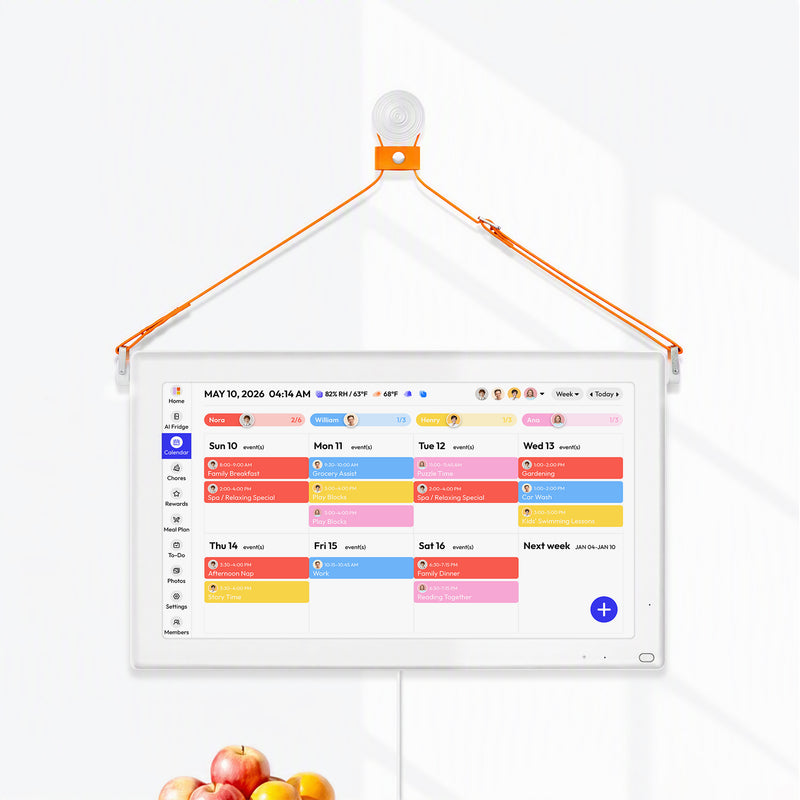



A smart calendar is a shared digital planning system that keeps a family’s schedule, reminders, and often tasks in one place. In a busy home, it works by syncing updates from phones, email calendars, and shared lists to a single view, so school pickups, sports practice, dinner plans, and chores are easier to see and less likely to get missed.
What a smart calendar actually is
In plain English, a smart calendar is not just a calendar on a screen. It is usually a combination of three things:
- A calendar service where events live
- Sharing rules that decide who can view or edit
- A display or app where the family sees everything together
That is why a smart calendar can live on a phone, tablet, laptop, or wall-mounted display. The “smart” part usually comes from syncing, sharing, reminders, recurring routines, and sometimes add-ons like chores, meal plans, or shopping lists.

Most major calendar platforms already support the core idea. You can share calendars and set permissions in Google Calendar, iCloud, and Outlook. So in many homes, a smart calendar is less about replacing those systems and more about making them visible and usable for everyone in the house.
How it works in real family life
A typical setup starts with the calendars your family already uses. One parent may keep work and doctor appointments in Google Calendar. Another may use Outlook. A teen may mostly care about sports, school events, and activity reminders. A smart calendar system pulls those pieces into a shared routine.
Here is the simple version of the workflow:
1. It connects to existing calendars
Instead of making everyone start over, many smart calendar setups connect to the services already in use. In Google’s ecosystem, a Family calendar is created automatically when you create a family group. In Apple households, iCloud keeps calendar changes updated across devices.
2. It applies sharing and editing permissions
This matters more than many families expect. A household calendar only works if the right people can actually update it. Shared calendars usually let one person keep full control while others get view-only or edit access in Google Calendar, iCloud, and Outlook.
That is the difference between “Mom has the schedule on her phone” and “the household has a schedule.”
3. It shows the same information in a shared view
This is where daily life gets easier. Instead of asking who has soccer at 5:30 PM, whether Grandpa is coming for dinner, or when the science project is due, the family can see it on one screen or in one app. Good setups make it obvious whose event belongs to whom, usually with color coding, separate calendars, or both.

4. It adds reminders and routine layers
Many smart calendars go beyond appointments. They also track repeating chores, grocery needs, meal ideas, or school-day routines. That does not make the system magical. It just means the planning tools sit closer together, which reduces the number of places a parent has to check.
What “smart” means in a busy family home
In marketing, “smart” can mean almost anything. In real use, these are the features that actually matter:
Shared visibility
If only one person sees the calendar, it is not solving much. The biggest benefit is that everyone can check the same plan without texting for updates.
Fast updates
A family system has to be quick to edit. If adding “early dismissal,” “bring cupcakes,” or “pickup changed to Dad” takes too long, people stop using it.
Clear ownership
Color coding and separate calendars help families scan the day fast. That matters when you are checking the schedule while packing lunches or walking in the door at 6:00 PM.
Recurring routines
School pickups, trash day, piano lessons, medication reminders, and weekly chores are where smart calendars help most. One-time events matter, but repeating tasks are what usually create household friction.
Personal alerts, not just a shared screen
A wall display is useful, but it does not replace personal reminders. In Google’s family calendar setup, upcoming event notifications can mirror your primary calendar, but you do not automatically get alerts every time another family member creates, edits, or deletes an event by default. In other words, a shared view keeps everyone aligned, but individual alerts still need to be set up well.
Why some families want a wall display
Phones are portable, but they are also private. A wall calendar is public by design. That is useful in the places where family decisions actually happen: the kitchen, hallway, mudroom, or near the door.
A large display works well when your main problem is visibility. If people keep saying they “didn’t know,” the issue may not be the calendar data. It may be that the plan is buried inside one person’s phone.
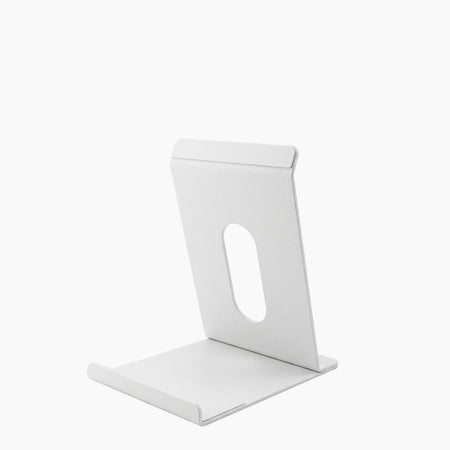
For families who want a big shared schedule hub, the Everblog 21.5" Digital Calendar is an example of a wall-mounted touchscreen built around family schedule management and a visible home command center. The real benefit of that kind of device is not the screen by itself. It is that the schedule becomes part of the room, not just another app someone has to remember to open.

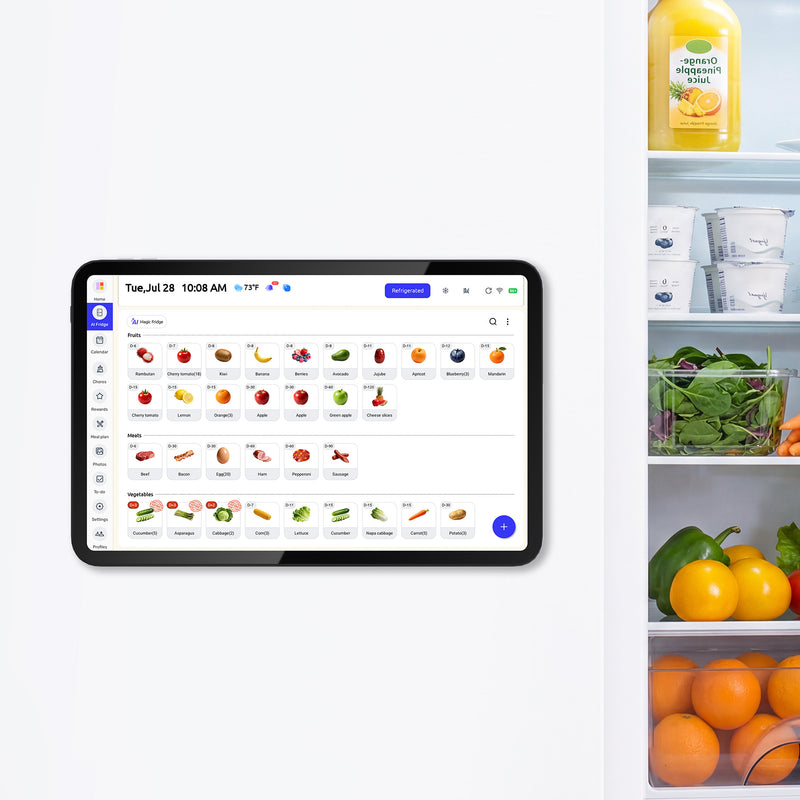
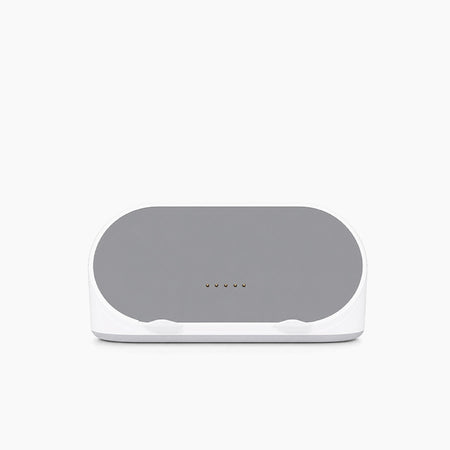
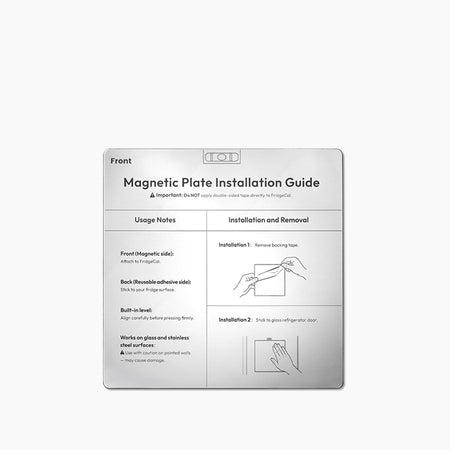
If the kitchen is where planning really happens, a fridge-mounted option can make more sense. A device like the Everblog 13.4" FridgeCal Calendar fits better when meal planning, shopping lists, and freshness reminders belong right next to the food.
What details matter before you buy or set one up
A lot of smart calendar shopping noise comes from hardware specs. For most families, the harder questions are simpler.
Does it work with the calendars you already use?
This is the first filter. If your household is split across Google, Apple, and Microsoft, check integration and sharing rules before anything else. For example, private iCloud calendar sharing works best in Apple-heavy homes because invitees need an Apple Account and must use iCloud.
Is it easy to see from across the room?
For a wall display, readability matters more than raw tech specs. If the screen is too small for your space, people will stop checking it.
Can more than one person update it without friction?
A family calendar fails when only one adult feels confident editing it. The best system is the one other people will actually use.
Does it match your household workflow?
Some families mainly need schedule sync. Others need meal planning and chore visibility just as much as calendar events. Choose for the daily bottleneck you already have, not for the longest feature list.
What a smart calendar is not
It is not a guarantee that everyone will suddenly become organized. It is not a substitute for clear family agreements. And it is not automatically a smart-home system in the voice-assistant sense.
A smart calendar is better understood as a shared planning layer. It helps the family see the same information, at the right time, in a place people will actually look.
That is why the best setup often feels boring in the best way. It quietly answers the questions that usually create stress:
- Who is picking up after school?
- What is for dinner this week?
- Which kid needs to be where tonight?
- What still has to get done before tomorrow?
If it answers those questions quickly, it is doing its job.
FAQ
Q: Is a smart calendar the same thing as a digital wall calendar?
A: Not always. A digital wall calendar is the display. A smart calendar is the full system behind it, including sync, sharing, reminders, and sometimes tasks or meal planning.
Q: Can one smart calendar combine Google, Apple, and Outlook calendars?
A: Often yes, but it depends on the app or device. Some systems connect multiple services directly, while others work better when one platform becomes the main shared layer. Check sharing rules first, especially if your family relies on iCloud, where private sharing requires Apple Account users on iCloud.
Q: Do I still need my phone if I have a smart wall calendar?
A: Usually yes. The wall calendar is the shared household view. Your phone still handles personal alerts, quick edits while you are out, and anything you do not want on the public family screen.
References
- Google Calendar Help: Share your calendar
- Google For Families Help: Use a family calendar on Google
- Apple Support: Keep your calendars up to date and share them with iCloud
- Apple Support: Share a calendar on iCloud.com
- Microsoft Support: Share your calendar in Outlook on the web
- Everblog 21.5" Digital Calendar
- Everblog 13.4" FridgeCal Calendar


