







The easiest way to make holiday planning across households less stressful is to put dates, tasks, and meal duties into shared systems everyone can see. For most busy families, one shared calendar, one visible home planning spot, and one written meal-and-cleanup plan work better than more texting.
If holiday weeks keep turning into missed pickups, duplicate grocery runs, and tense “I thought you had that” moments, you are not failing at family life. In real households, small changes like clearly owning one recurring chore or getting a shared calendar running in under 10 minutes can lower friction fast. What helps most is not more effort, but a plan people can actually see and follow.
Why Holiday Planning Feels Harder Across Households
The problem is usually hidden work
Holiday planning includes invisible work like scheduling, bill paying, and keeping track of who needs what. When that work lives in one person’s head, other people may only see the last-minute scramble, not the dozens of small decisions behind it. That is why families can feel stressed before the first guest arrives or the first meal is cooked.

Unequal household labor often starts with unequal assumptions about whose time is flexible. Holiday planning makes that more obvious because the tasks are so different. Buying gifts, checking school schedules, washing guest sheets, and arranging drop-offs all take different kinds of time and attention. A fair system is usually less about a perfect split and more about making the real work visible.
Wishes are not the same as agreements
The gap between a wish and an expectation is communication plus agreement. One adult may wish everyone arrives Friday night. Another may assume Saturday morning is fine. Until those details are named, people are planning around different versions of the same holiday.
This is also where family history can sneak in. One household may expect a big Thanksgiving dinner, while another wants a smaller, quieter day. Naming what each home wants to keep, skip, or simplify can prevent a lot of conflict that looks personal but is really logistical.
Build One Shared Source of Dates
Pick the calendar that fits your household mix
Shared family calendar apps work best when they match your family’s devices, children’s ages, and whether coordination needs to cross households. For some families, a shared calendar is enough. For others, it helps to have shared lists, chores, or more structured communication because holiday planning also includes meals, travel, and handoffs between homes.
A shared family platform with calendar, reminders, lists, and weekly agenda emails can be useful for families who want one simple account everyone can see. A calendar like that works best when it holds the full holiday picture: school closures, hosting dates, shopping deadlines, travel windows, and who is responsible for each pickup or meal. If a date matters, it should not live only in a text thread.
Keep the calendar small but complete
A shared calendar platform can be built around events, reminders, notes, and event chat. That matters because families usually do better with one clear source of truth than with five half-used tools. A useful holiday calendar needs only a few categories: events, deadlines, meal assignments, and transitions between households.
Simple color rules help. One color can mean whole-family events. One can mean each household. One can mean tasks that still need action. That small structure often helps more than adding another app.
Make the Plan Visible at Home
Put it where people already pass
A family command center works best in a high-traffic spot such as a kitchen, mudroom, or entry area. If the plan is tucked into a bedroom or home office, it tends to disappear from daily life. The point is not to create a beautiful wall. The point is to put the plan where people naturally see it while grabbing keys, backpacks, or shoes.
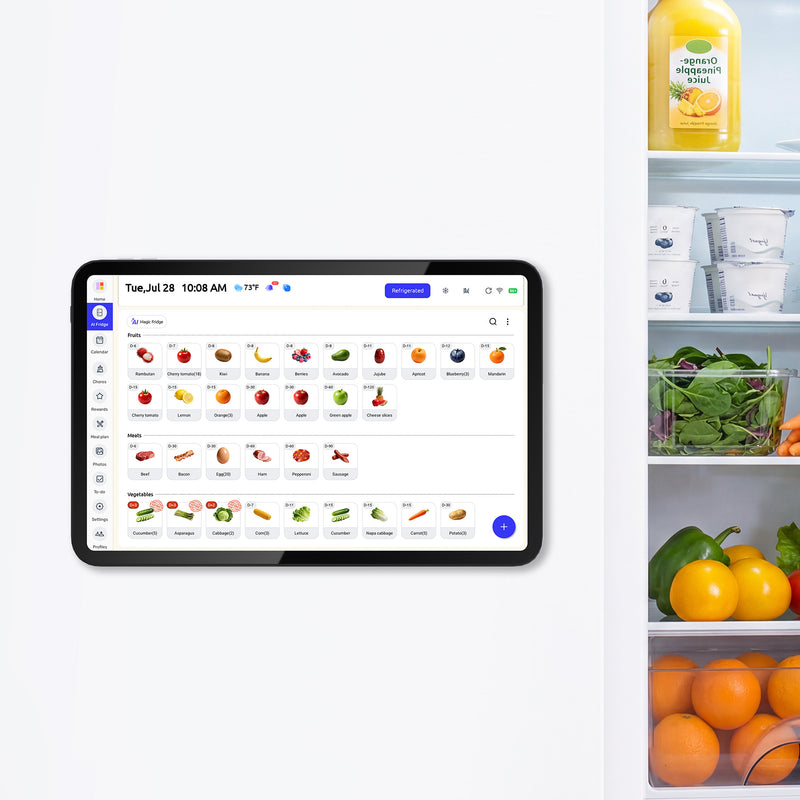
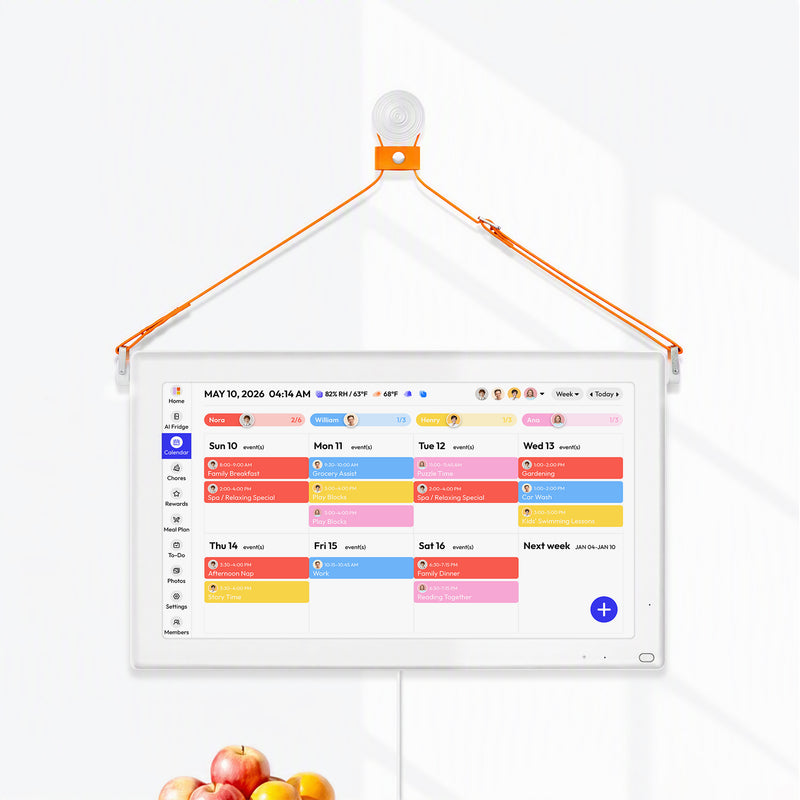
Families tend to use command centers more when they are placed where they already gather and include a visible calendar, paper storage, and a simple drop zone. During holiday weeks, that might mean a monthly calendar, a short meal board, a place for invitations or school papers, and hooks or bins for items that need to leave the house. If space is tight, the system can live across two small spots instead of one large wall. Some families also use a wall-mounted shared display such as the Everblog digital calendar to keep dates, chores, meal duties, and events on one screen in that same pass-through area.

Show the next step, not every possible step
A functional command center should be built around the household’s real needs, not a fixed shopping list of products. For holiday planning, many families only need four visible things: the calendar, this week’s meals, a short task list, and a place for papers that need action. Extra bins and labels help only if someone will actually maintain them.
A visible planning spot also cuts down on repeat questions. Instead of answering “What time are we leaving?” or “Who is bringing dessert?” five times, the answer is already on the wall or counter. That matters for busy parents, teens, grandparents helping with care, and any household where the mental load already feels heavy.
Divide Holiday Meals and Cleanup So Follow-Through Improves
Assign ownership by meal, not by vague goodwill
Written meal and cleanup assignments spread the work and make it easier for people to prepare ahead. One practical model is to assign each dinner, kitchen cleanup shift, and house cleanup slot before the holiday starts. When a person is on duty, they own it. When they are off duty, they can actually rest.
This kind of plan helps with timing too. If Thursday breakfast, Thursday dinner, and Friday cleanup all have owners, people can shop earlier, prep what can be frozen, and avoid six adults trying to cook in the same kitchen at 5:30 PM. It also lowers the chance that one person silently becomes the default cook and cleaner.
Clarity usually matters more than perfect equality
A strict 50/50 split is hard to measure because household tasks are not directly comparable. Holiday work is the same. Driving 40 miles for pickup is not the same as buying extra paper goods, and planning the grocery list is not the same as unloading the dishwasher. What helps more is naming the task, the standard, and the deadline.
Fairer chore systems tend to work when both partners value each other’s time equally and agree on clear task standards. Instead of asking someone to “help with Thanksgiving,” assign the real job: buy the pie ingredients by November 20, handle all post-dinner dishes, or text the final head count by 8:00 PM Wednesday. Specific ownership reduces reminding, and less reminding often means less resentment.
Support Different Planning Styles Without Blame
When reminders bounce off, the problem may be executive function
Chore conflict is common when one partner struggles with ADHD-related organization and follow-through. In plain English, executive function means the brain skills used to start a task, remember it at the right time, and finish the small steps in order. That does not excuse missed responsibilities, but it can explain why verbal reminders and vague plans keep failing.
A holiday system should support the household, not diagnose anyone. If one adult loses track of small tasks, visible checklists, recurring reminders, and fewer handoffs may help more than longer conversations. If a teen gets overwhelmed by a long list, a short “today only” list may work better than a month of instructions.
Build supports that lower friction
Family organizers that combine calendar items, to-do lists, grocery lists, dinner planning, and messaging give households one visible dashboard. That can be useful when families are managing more than one home, multiple caregivers, or a week with constant transitions. The main goal is to reduce the number of places information lives.
Support can be very ordinary. Give one person full ownership of dessert, one person full ownership of gift wrap supplies, and one person full ownership of updating the calendar after schedule changes. In the notes behind this article, even a narrow shift in chore ownership reduced nagging and resentment because the responsibility stopped floating between people.
Practical Next Steps
A simple setup for the next two weeks
Shared calendar tools can reduce missed events and mental load when schedules, lists, and chores are centralized. If your current system is mostly memory plus texting, do not try to redesign your whole household at once. Pick one shared calendar, one visible home planning spot, and one written meal-and-cleanup plan. That is enough to change the feel of a busy holiday week.
Start small and make the work visible before you try to make it elegant. A basic whiteboard, a shared app, and a simple shared document often help more than a complicated setup nobody updates. Busy families usually need fewer moving parts, not more.
Action checklist
- Put every holiday date, handoff, and deadline into one shared calendar by Sunday night.
- Choose one high-traffic wall, counter, or shelf for the family command center.
- Write the next three meals and who owns cooking and cleanup for each one.
- Assign five to seven concrete holiday tasks to named adults, with clear deadlines.
- Do a 15-minute reset twice a week to clear papers, update dates, and confirm changes.
FAQ
Q: What if not everyone will use the same app?
A: Keep one calendar as the source of truth and use the home command center to mirror the next important items. If one household prefers one set of tools and another uses a different platform, choose the option that syncs most reliably for the group and keep the rest of the system simple.
Q: Do we really need both a digital calendar and a command center?
A: Usually yes, if your family is coordinating both out-of-home schedules and in-home logistics. The calendar handles changing dates and reminders. The command center handles paper, meals, and the everyday “what is happening tonight?” questions.
Q: How do we keep one parent from becoming the default holiday manager again?
A: Assign ownership of complete tasks, not reminders. If someone owns holiday breakfast, they also own shopping, prep timing, and cleanup handoff unless the plan says otherwise. Check the workload midweek so invisible work does not quietly slide back onto one person.
Disclaimer
This article is for household planning education only. It is not a substitute for mental health care, medical advice, legal advice, or crisis support. If safety, custody orders, or a diagnosed condition are involved, work with the appropriate licensed professional.
References
- A publication: How to split up chores fairly with your spouse or roommate
- ADHD and Household Chores
- The Best Way to Create a Functional Command Center for Your Family
- The 10 Easiest Family Command Centers to Get Organized
- Best Shared Family Calendar Apps
- How to Establish a Command Center
- Family Meal & Clean Up Chart for Family Gatherings
- A platform
- A shared calendar app
- A family organizer app
- How to Divide Household Chores Fairly


