
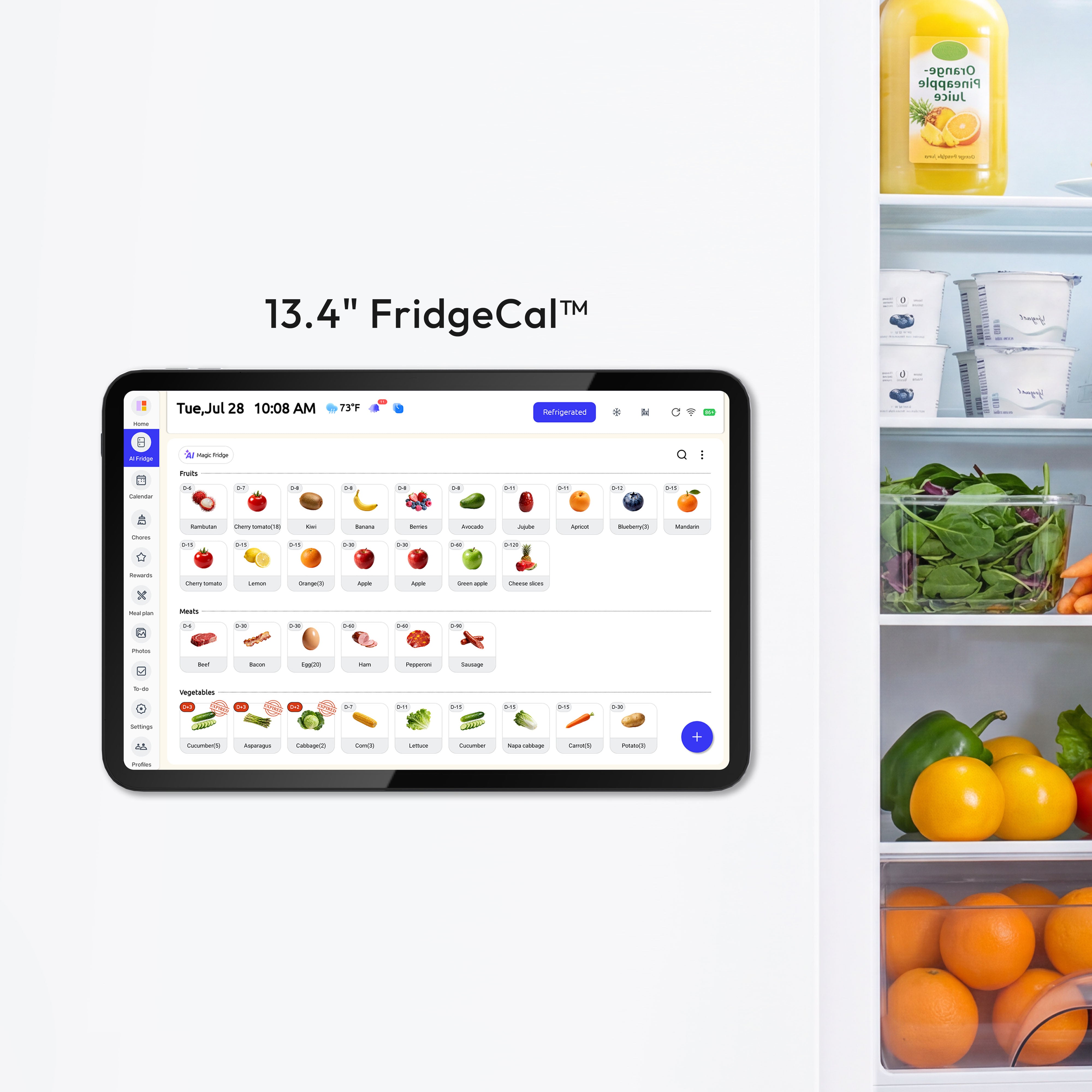
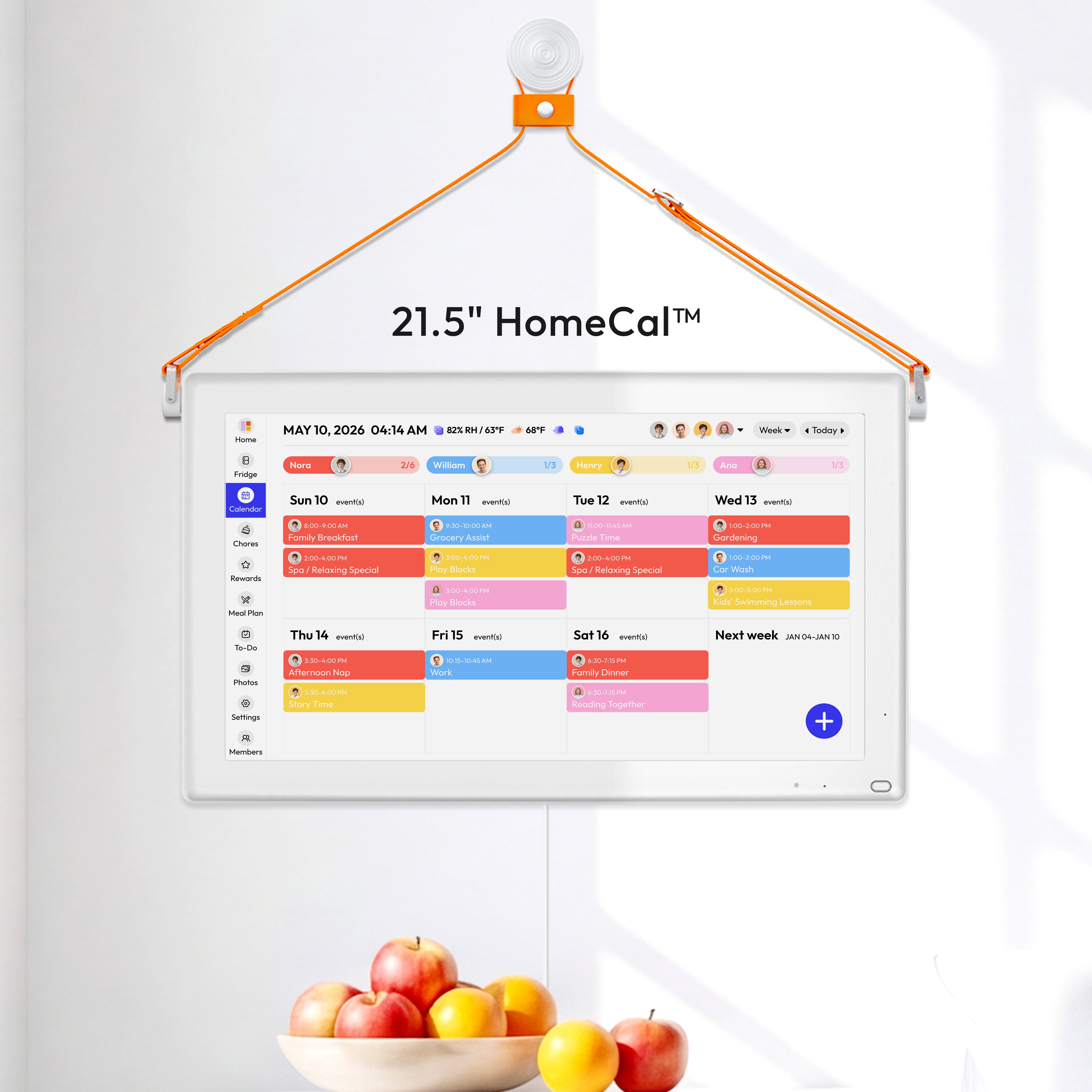


A calm fridge door makes your whole kitchen feel ordered and keeps food safer.
Ever open your fridge and feel stressed by teetering sauce bottles, curling kid art, and mystery magnets? I cleared a door packed with expired condiments and duplicate hot sauces and gained enough space to move a heavy gallon of iced tea up front—no more digging. Here’s the step-by-step playbook to get the same relief, with a gallery-worthy finish and habits that stick.
Picture the After: What a Calm Fridge Door Looks Like
Why the door matters for food quality
Door shelves swing through the warmest air; most kitchens see 37–40°F in the cavity, but the door runs warmer, so it’s best for durable items like pickles and condiments. That’s why milk and eggs belong inside, not on the door, according to the Virginia Tech refrigerator safety guide. Think of the door as a quick-access rack, not cold storage.
The gallery wall mindset
Treat the door like a curated wall: frames for photos, uniform containers for sauces, and a few strong magnets. A 5-minute magnetic-frame DIY turns random postcards into a tidy strip, keeping visuals intentional instead of chaotic.
Audit the Chaos
Five-minute photo check
Stand back, snap a photo, and circle the hot spots. Seeing the clutter through a lens breaks “fridge blindness” and helps you pick one small area to start—usually the lower shelves where heavy bottles pile up.
Quick expiration sweep
Work top to bottom. Toss anything past its date or separated beyond saving; combine duplicate spice packets and half-used condiments. In one pass I cleared nearly a whole shelf by discarding flat seltzers and old miso.

Design the Door Like a Gallery
Frame, don’t scatter
Use slim magnetic frames so kids’ art and grocery lists read as a set. Mixing two or three frame colors keeps personality without noise. For keepsakes you want to protect, metal prints or sealed frames prevent grease and moisture from dulling ink.
Build better magnets
Handmade magnets with N42 neodymium cores hold heavier jars without sliding. Epoxy them into small hardwood blocks and seal the wood; two magnets spaced 1.5 inches apart comfortably hold a half-pound shopping pad.
Build Functional Zones
Load order that saves hinges
Keep lighter items high, everyday sauces at mid-reach (20–60 inches above the floor), and heavier jars on the lowest rail to reduce hinge strain. Shallow rails or elastic bands stop jars from jumping when the door swings.

Microclimates and food safety
Reserve the door for stable items—mustard, hot sauce, pickles—because its temperature swings more than interior shelves. Raw proteins and milk stay inside on the bottom shelf, where temps stay closer to 34–36°F, aligning with USDA’s produce and cold-chain guidance.
Restock Without Waste
Make a keep–eat-now–freeze triage
As you reload, sort into Keep, Eat Now (next 48 hours), Freeze, and Discard. This surfaces the “leftover graveyard” before it spoils and trims food waste.
Right-size containers
Use clear, low-profile bins for sauce packets and tea bags; label fronts so you can spot gaps at a glance. Leave 5–10 mm of air gap behind bins to keep the gasket sealing well and prevent condensation.

Maintenance that Sticks
Weekly two-minute reset
Each Sunday night, throw out one item, wipe one shelf edge, and return anything that migrated. Small, repeatable actions keep the system effortless.
Monthly temperature check
Use a fridge thermometer to confirm you’re holding 35–38°F inside and that the door isn’t creeping above 40°F. Adjust the thermostat if needed and clear blocked vents to improve airflow.
Action Checklist
- Snap a “before” photo and circle clutter zones.
- Empty the door; trash expired items and combine duplicates.
- Wipe shelves and gaskets with warm soapy water; dry fully.
- Add magnetic frames for photos and a small bin for packets.
- Zone items: light up top, daily sauces mid, heavy jars low.
- Label bins and leave small air gaps for airflow.
- Set a weekly two-minute reset reminder on your cell phone.
FAQ
Q: Can I keep milk or eggs in the door?
A: No—door temps swing too much. Store them on an interior shelf near 34–36°F to extend freshness.
Q: Are clear bins necessary?
A: They’re not required, but clear bins make levels obvious and cut duplicates; even two small bins for packets and kids’ snacks reduce visual noise.
Q: How often should I deep-clean the door?
A: A quarterly wipe-down of rails, screws, and magnets is enough; replace any elastic retainers that have stretched out.
Key Takeaways
- Treat the fridge door as display-plus-utility: stable foods only, curated visuals, strong magnets.
- A single 15–30 minute purge and relabel opens space for heavier everyday items.
- Light weekly resets and a monthly temp check keep the system tidy without effort.
Safety & Warranty Disclaimer
This installation and decor guide is for general reference and creative inspiration. Physical home modifications carry inherent risks, including structural damage or electrical hazards. Always prioritize your product’s official installation manual and ensure compliance with local building codes. If you are uncertain about performing a task, please seek assistance from a certified professional. [Brand Name] is not responsible for any damage or injury resulting from DIY applications of these suggestions.
References


