







Family logistics starts to feel shared when the work is visible, assigned, and reviewed in one place. The goal is not a better app by itself; it is a system both adults can use without one person acting as the family’s private memory bank.
If one parent always knows the dentist date, the snack shortage, and which form needs a signature, the family may look coordinated while still running on one person’s mental effort. A simple 15-minute weekly reset plus one shared planning system is often enough to catch schedule conflicts, dinner gaps, and chore handoffs before they turn into stress. What follows is a practical way to make schedules, meals, and household tasks easier to share.
Why This Work Gets Stuck to One Parent
The tiring part is the planning
Invisible labor is not just cleaning, driving, or showing up. It includes noticing the permission slip, remembering picture day, comparing pickup options, deciding who can leave work early, and checking that the plan actually happened. That is why a home can look fair on the surface while one parent is still doing most of the managing.

Dinner creates its own invisible load because meals involve far more than cooking. Someone has to track what is in the fridge, notice that lunch fruit is low, time dinner around practice, remember who dislikes what, and think ahead to leftovers or tomorrow’s lunch.
Doing a task is not the same as owning it
Unrecognized daily planning work can drive stress and resentment when one adult still has to remind, rescue, or re-check the job. A task does not really feel shared if one parent says, “I can do pickup,” but the other parent still has to remember early dismissal, pack the sports bag, and text the address.
Choose a Home Base Everyone Can See
Start with one master calendar
Shared family calendar apps work best when they fit the family’s device mix and real needs. A single-platform household may be fine with a built-in calendar, while a mixed-device household often does better with a cross-platform calendar or a family organizer, and families that want chores and lists may want an all-in-one tool instead of calendar-only sharing.

A shared family calendar on a major platform can be edited by family members and can even transfer ownership, which matters if one parent has become the default schedule gatekeeper. The point is not which adult first entered the orthodontist appointment. The point is that both adults can add, change, and manage events without asking for access.
Add a visible command center if reminders keep staying verbal
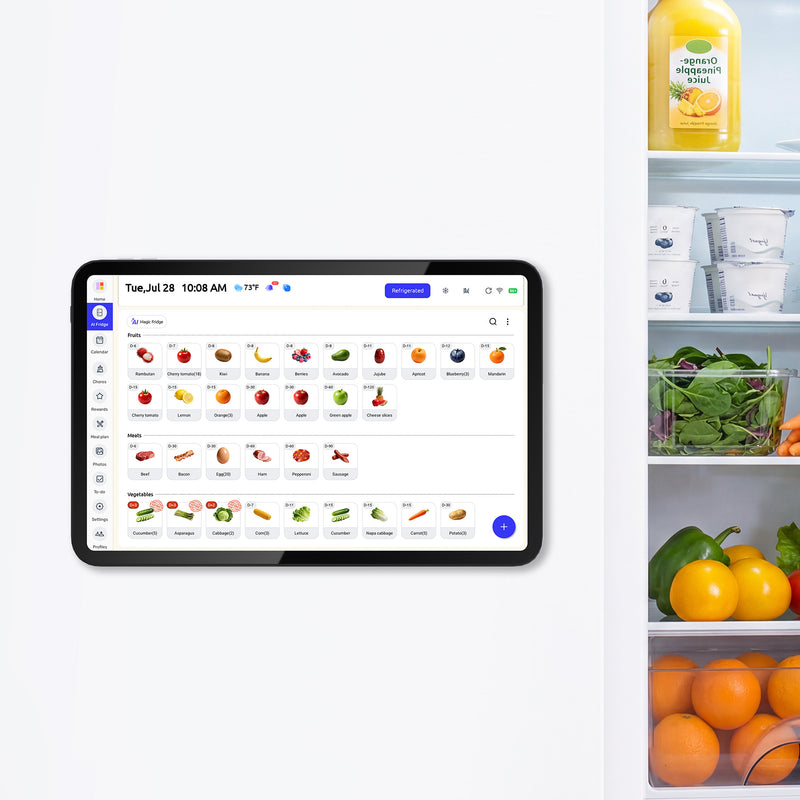
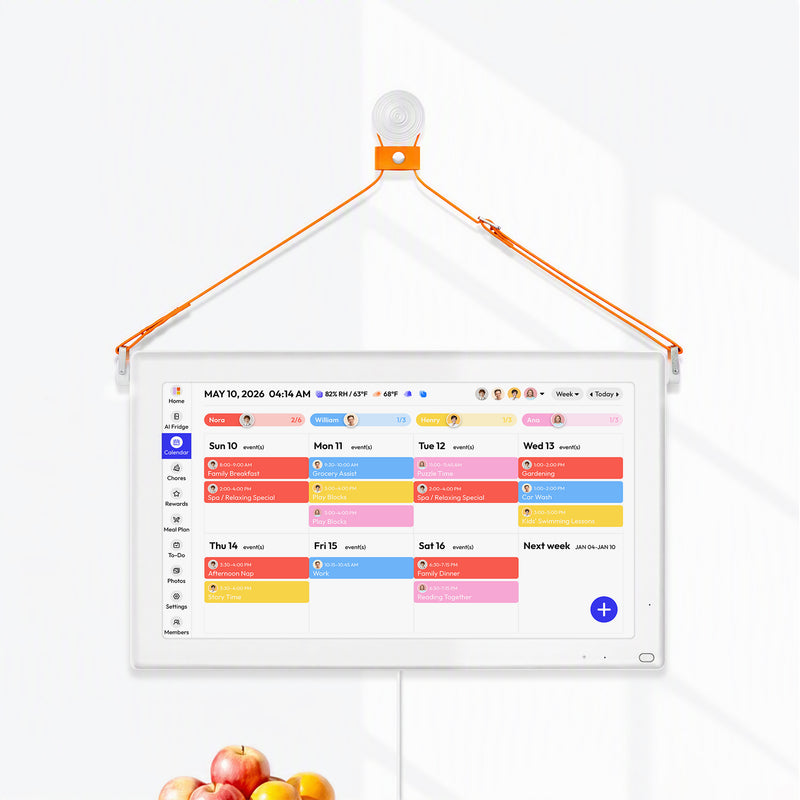
A family command center works best in a high-traffic spot like the kitchen, mudroom, or garage entry where people already pass through every day. If paper goes stale too fast, a wall-mounted digital display or shared kitchen screen can mirror the live calendar while still giving the household one place to check before leaving and when coming home. A wall-mounted option such as the Everblog 21.5" Digital Calendar can help families view plans, tasks, chores, and events on one screen.
Make the Work Visible, Not Just the Events
Put meals, chores, and notes on the same board
Wall calendars work better when meals, chores, and notes live together, not on three separate scraps of paper. Large daily boxes, a shopping list area, a chore list, and quick visual markers make it easier to see that Tuesday is not just “soccer at 6:00 PM,” but also “slow cooker dinner, gas stop, and trash out.”

A simple weekly paper triage keeps forms and bills from disappearing into stacks. One folder for “action needed” and one for “can wait or file” is often enough to stop one parent from silently carrying every permission slip, copay receipt, and school flyer in their head.
Show who owns each moving part
Task systems with clear statuses help because “upcoming,” “due today,” and “completed” are easier to act on than vague good intentions. Write the owner’s name next to each pickup, dinner, chore, or form, and make ownership mean start-to-finish responsibility, not “I will help if someone reminds me.”
Build a Weekly Reset That Is Short Enough to Keep
Use one repeatable meeting
A 15-minute weekly family reset is long enough to prevent surprises and short enough to survive a busy season. A practical format is 3 minutes to review last week, 5 minutes to sync schedules, 3 minutes to assign chores, 3 minutes to plan dinners, and 1 minute for reminders or concerns.

Recurring calendar events cut repeat planning work because school pickup, trash day, bill due dates, sports practice, and standing chores should not be rebuilt from scratch every Sunday. Many families do better when they also preload seasonal patterns, then remove exceptions for holidays, school breaks, or vacations.
Decide ownership before the week starts
Couples tend to do better when they decide rather than default. That means naming full areas of ownership ahead of time, such as “Parent A handles pediatric appointments from booking through forms” or “Parent B handles Thursday dinner, grocery pickup, and lunch packing for Friday.”
Set Up Supports for Busy, Stressed, or Neurodiverse Households
Reduce the need to remember everything
Mental load grows when the household runs on memory and last-minute reminders. If anyone in the house struggles with executive function, meaning the everyday brain skills used to start, sequence, and remember tasks, what may help is more visible structure: one place for backpacks, one clear morning checklist, and fewer “just remember” requests.
Automatic notifications and agenda emails can support follow-through, but they work best as backup, not as the entire system. Use reminders for time-sensitive items, then pair them with visible cues like a lunch shelf, a signature folder, or a chore board so the next action is obvious.
Make cues easy to spot
Large writing, high contrast, and tactile markers make a shared planning system easier to use when people are rushed, tired, or easily distracted. The goal is not perfection or treatment. The goal is to reduce the number of steps required to notice what matters and act on it.
Practical Next Steps
Shared visibility reduces missed events and lowers the mental load of family scheduling, but only if the system is simple enough to use every day. Most families do better with one master calendar, one visible place for action items, and one short weekly reset than with a stack of separate planners and half-used apps.
Start small for 2 weeks. If the system keeps falling apart, do not assume the family is failing. Assume the setup still depends too much on one person’s memory, private notes, or rescue work.
Action checklist
- Pick one master calendar and invite every adult who needs to edit it.
- Choose one visible home spot for the calendar, school papers, keys, and the shopping or to-do list.
- Color-code by person and keep a legend so anyone can read it quickly.
- Pre-enter recurring events, standing chores, bill due dates, and regular meals.
- Define ownership for each task area, including prep and follow-through.
- Hold a 15-minute weekly reset at the same time each week.
- Review after 2 weeks and remove anything the family is not actually using.
FAQ
Q: Do we need both a digital calendar and a wall command center?
A: No. If schedules are stable and everyone passes the same wall each day, a wall system may be enough. If plans change midweek or adults are often apart, a digital calendar usually works best as the source of truth, with the wall setup acting as the visible backup.
Q: What if one parent still ends up reminding everyone?
A: That usually means the task was assigned, but the ownership was not. Shift from “help with dinner” to “own Tuesday dinner from plan to cleanup,” or from “do school forms” to “own school paperwork from notice to return.”
Q: How can kids take part without making the system heavier?
A: Give children one visible responsibility at a time and match it to their age. Younger kids can move a magnet or check off a routine, while older kids can update a grocery need, own one weekly chore block, or track their own sports gear.
Disclaimer
This article is for household planning education only. It is not a substitute for mental health care, medical advice, legal advice, or crisis support. If safety, custody orders, or a diagnosed condition are involved, work with the appropriate licensed professional.
References
- Family Wall Calendars that Work: Coordinate Meals, Chores, and Activities
- 5 Best Planning Systems for Your Everyday - Meal Planning Included!
- A family routines app
- The 10 Easiest Family Command Centers to Get Organized
- Best Shared Family Calendar Apps
- Use a family calendar on a major platform
- A family organizer
- How Invisible Labor Affects Relationships
- The Hidden Toll: How Invisible Labor Contributes to Women's Mental Health
- Sharing the Invisible Labor of Family Dinner
- Notice and Do: A Whole Family Approach To Managing The Invisible Load


