





Use one operating system for all kids: map every requirement source, run one tagged master list, and drive deadlines from a shared calendar hub.
You know the pattern: one child needs lab materials by Friday, another needs soccer gear by Thursday, and a field-trip item appears in an email you only notice at 9:00 PM. Families that stay ahead usually follow the same structure with clear ownership and fixed check times. The framework below gives you a repeatable way to catch every requirement early and avoid last-minute buying.

Map Every Requirement Source by Child, Class, and Activity
Start by listing every input channel, not every item. Most deadline misses happen because requirements are scattered across apps, paper notes, and parent chats.
For each child, create a source map with:
- Child name
- Source type (teacher email, school portal, team app, club message, printed handout)
- Check cadence (daily, twice weekly, weekly)
- Owner (which adult checks it)
- Next review date
A practical setup for a 3-child household usually includes 10-15 active sources. Keep this map on one page and review it every Sunday in 10 minutes.

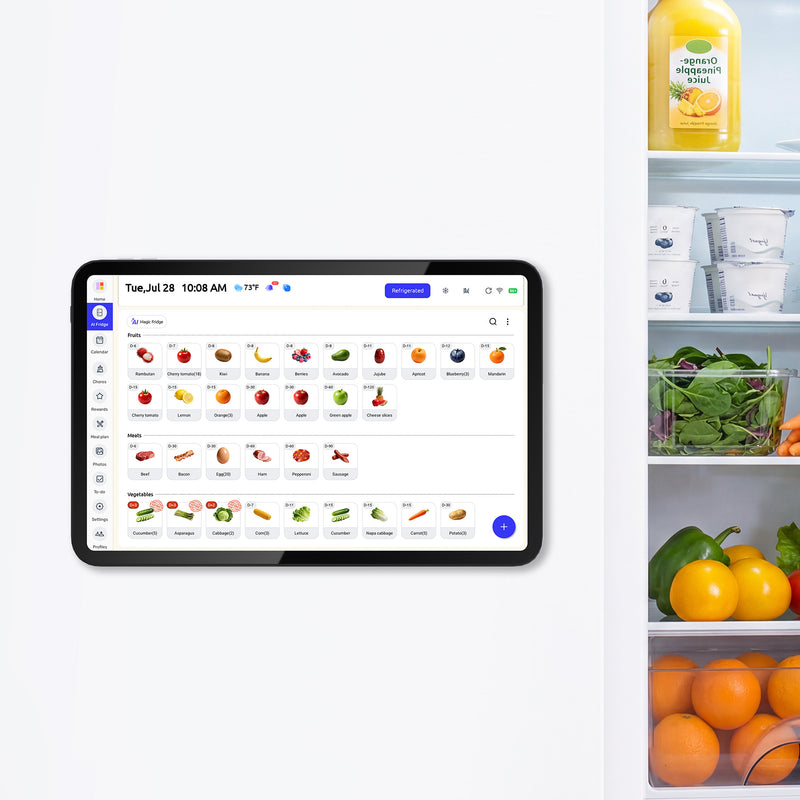
When supplies include food for class parties, team travel, or activity snacks, refrigerate perishables within 2 hours, or within 1 hour if outdoor heat is above 90°F.
Build One Master List With Child Tags, Priorities, and Due Dates
Use one master list for all purchases and prep tasks. Separate lists by child feel cleaner at first, but they create duplicate orders and missed dependencies.
Use these fields:
Field |
Example |
Child Tag |
Ava-5, Ben-3, Maya-K |
Class/Activity |
Science, Soccer, Art Club |
Item |
1 in binder, shin guards, poster board |
Priority |
P1 must-have, P2 needed soon, P3 optional |
Due Date |
8/14/2026 |
Status |
Requested, Ordered, Delivered, Packed |
Owner |
Mom, Dad, Caregiver |
Quantity/Cap |
2 units, $25.00 max |
Use a simple due-date rule for each item:
- D-21: order or source
- D-7: verify delivery and fit
- D-1: pack-check
- D-day morning: final visual check
A written audit trail is the reliability layer, and documented inventory management follows the same control principle used in formal food distribution systems.
Set Real-Time Update Rules to Prevent Duplicates and Last-Minute Gaps
Real-time tools only work when household rules are explicit. Define update behavior once, then enforce it.

Use these rules:
- One item, one line, one owner.
- Only the owner changes status from Ordered to Delivered.
- Any purchase decision updates the list within 10 minutes.
- No screenshots as “proof”; the master list is the only source of truth.
- If a P1 item is still Requested at D-7, escalate to all adults.
Common failure points and fixes:
- Duplicate buying: lock quantity and owner fields.
- “I thought you ordered it”: require status changes, not chat confirmations.
- Last-night panic: add a recurring D-1 pack-check alert at 8:00 PM.
- Food-related misses: track “needs chilling” as a separate tag.
For lunch kits or event coolers, the Danger Zone of 40°F to 140°F is where bacteria can multiply quickly, so include time stamps for prep and departure.
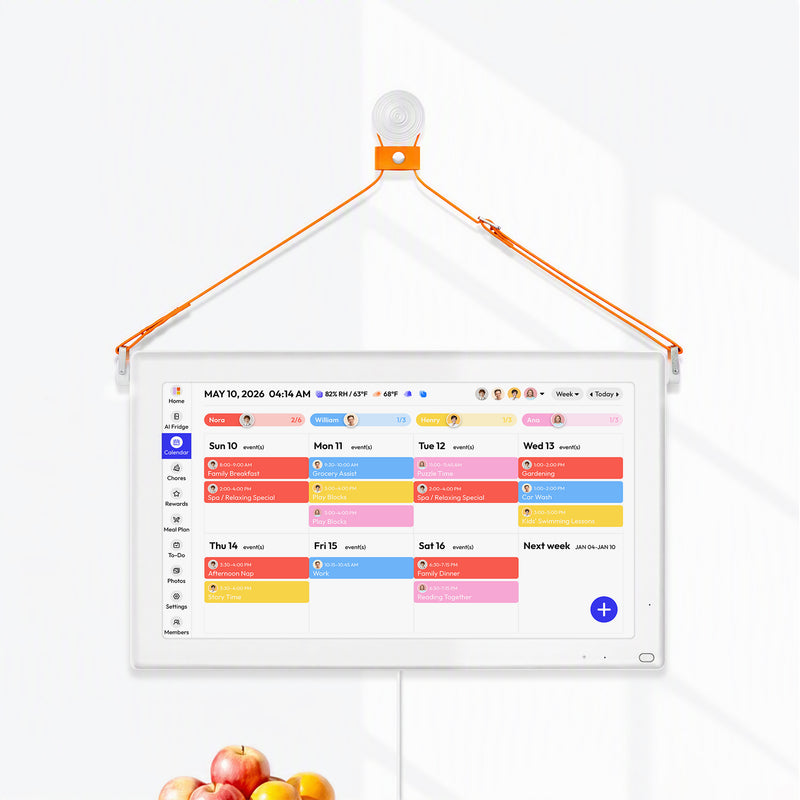
Create a Shared Deadline Hub (e.g., Everblog 21.5" Digital Calendar) for Ordering and Pack-Check Milestones
Your master list controls data; your shared calendar controls behavior. Put deadlines where everyone can see them all day.
For families syncing multiple calendars, the a company can combine Google, Apple, and Outlook schedules into one visible household timeline.

Set up the hub in three layers:
- Ordering milestones (D-21, D-7).
- Pack-check milestones (D-1 evening, morning-of).
- Event commitments (class day, game day, trip day).
Use color coding by child and add a short prefix for item type:
- Ava | SCHOOL | P1 | Binder due
- Ben | SPORTS | P1 | Cleats fit check
- Maya | ART | P2 | Paint smock
If any milestone includes food packing, add a final reminder to verify cooler prep because 40°F or below is the safe refrigeration target.
Key Takeaways
- Build a source map first; chaos usually starts at input, not purchasing.
- Keep one master list with child tags, priority codes, and fixed status states.
- Run deadline math backward from due dates: D-21, D-7, D-1, D-day.
- Enforce real-time update rules so everyone works from one version of truth.
- Use a shared calendar hub to make ordering and pack-check milestones visible and actionable.
Important Note
The planning templates and organizational systems provided here are intended as adaptable blueprints. Every family’s needs, dietary requirements, and physical capabilities are different. We recommend tailoring these schedules to your specific health needs and household dynamics. Results from productivity or meal-planning systems may vary, and consistency remains the responsibility of the individual user.


