






Busy families need one visible place for schedules, chores, and meal plans. Repeated reminders usually fail because the plan is scattered across phones, texts, and memory.
If you keep texting the same pickup time or asking everyone to check their phone, the problem is usually visibility, not effort. A company’s family sharing setup does not always create shared reminders or calendars automatically, so families often need a system they can see at a glance. Here is a simple way to cut repeat reminders without turning your home into a project.
Why Reminder Fatigue Happens
Reminder fatigue starts when one person becomes the walking notification system for everyone else. The calendar may be correct, but if it is hidden in a phone, every update turns into another text, call, or “Did you see this?” message.

One Alert Is Not Enough
A platform’s family calendar alerts are set by each person, not by the organizer, so one parent cannot force the same reminder on every device platform calendar notifications. That is why a family can technically share events and still miss them in real life.
The same thing happens with chores and meal plans. If the schedule lives in one place, the groceries in another, and school papers in a third, people keep asking for the same information because they cannot see the full picture fast enough.
Choose the Right Visibility Mix
A shared calendar works best when it holds the dates and a visible home surface holds the week’s live tasks. A platform can share a separate family calendar with view-only access, which is useful when everyone needs to see the plan but not edit it share a calendar.
Setup |
Best for |
Watch-out |
Digital calendar only |
Adults who already check phones often |
Kids and partners may miss updates |
Wall or fridge command center only |
Quick glances near the door or kitchen |
It gets stale if nobody resets it |
Mixed ages and shared chores |
Someone must keep the master calendar current |
For most households, the hybrid wins. The digital calendar stores the truth, and the visible home system shows only what matters this week.
Build a Family Command Center That Gets Used
A command center only helps if people pass it on the way in and out. A brand puts kitchens and mudrooms at the top of the list for that reason: high-traffic space beats a pretty spot nobody uses.

Keep It Small and Useful
Start with the items that trigger daily action: one calendar, one note board, one paper tray, one place for keys, and one spot for school forms or bills. Family command center ideas work because they give school papers, sports schedules, and grocery notes one visible home.
A good setup usually includes:
- A family calendar
- A meal plan
- A chore list
- A mail or bill tray
- Hooks for bags and keys
- A small file spot for papers
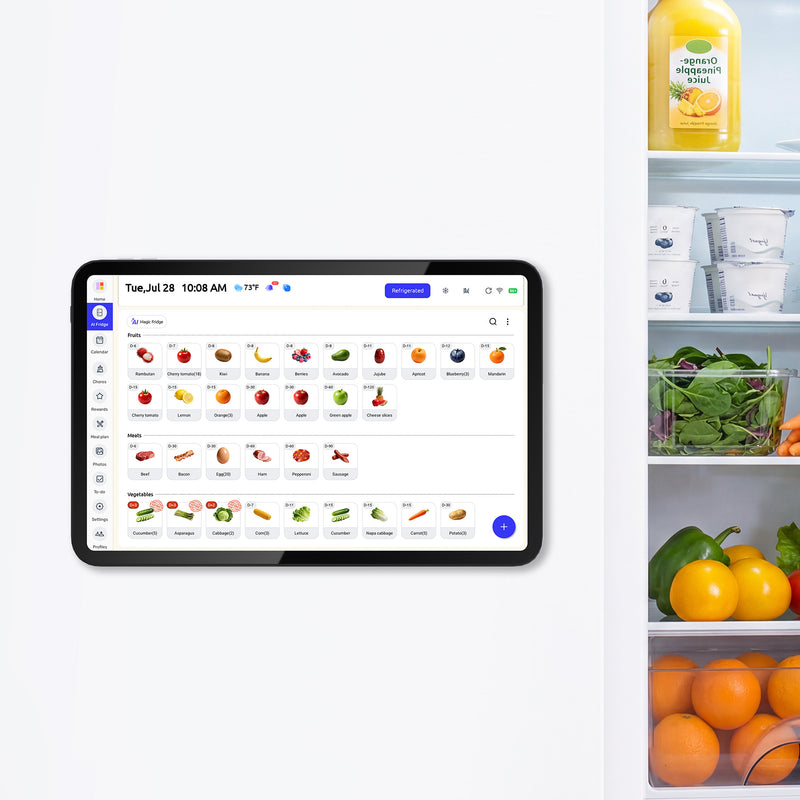
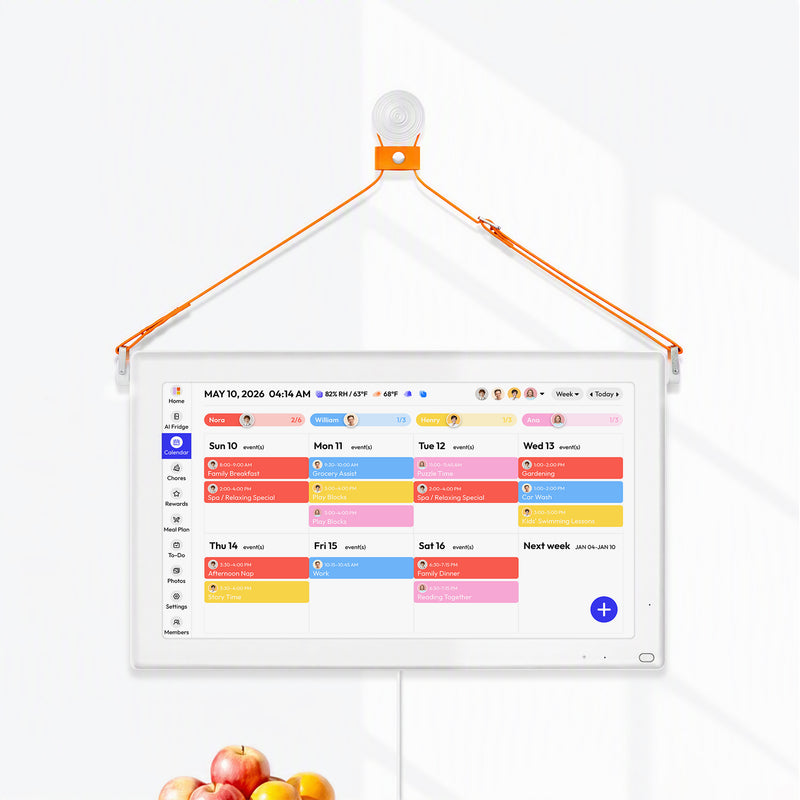
If you prefer one shared screen instead of separate paper sections, a wall-mounted option like the Everblog 21.5" Digital Calendar can help keep events, chores, and meal plans visible in one place.
Before you drill holes, tape paper to the wall and test the layout for a week. If the space feels crowded, cut it down.
Make Meals and Chores Part of the Same Rhythm
Meal planning gets easier when it starts with the schedule, not the recipe list. One practical pattern is to use the digital calendar as the source of truth, then rewrite only the coming week on Sunday so dinner, practices, and pickup times stay aligned weekly planning.

Use a Simple Sunday Reset
A 10-minute weekly reset is enough for most families:
- Check the next 7 days
- Mark late nights, games, and appointments
- Pick dinners for the busiest nights first
- Add groceries to one shared list
- Move school forms, uniforms, and bills onto the board
- Assign one clear owner for each chore
This is where hidden work becomes visible. If a child needs a permission slip, practice gear, or a birthday gift, it should go on the board instead of staying in one parent’s head.
Practical Next Steps
If you want to reduce reminder fatigue this week, start here:
- Pick one digital calendar as the source of truth.
- Choose one high-traffic spot for the command center.
- Add only the items that affect this week.
- Color-code by person or event type.
- Hold a short Sunday reset.
- Remove anything that goes unused for two weeks.
The goal is not a perfect system. It is a system that makes the next seven days easier to see.
FAQ
Q: Do we need a smart family calendar device?
A: No. A phone calendar plus a visible wall or fridge setup is often enough.
Q: Should every reminder live in the calendar?
A: No. Put time-based items in the calendar and keep quick-use items like keys, papers, meal plans, and chores on the command center.
Q: What if one person always updates everything?
A: Give each person one small job, like adding their own events or checking the board before dinner.
Final Takeaway
Reminder fatigue usually means the household cannot see the plan fast enough. When the calendar, chores, meals, and papers live in one visible rhythm, families spend less time chasing updates and more time getting through the week.


