
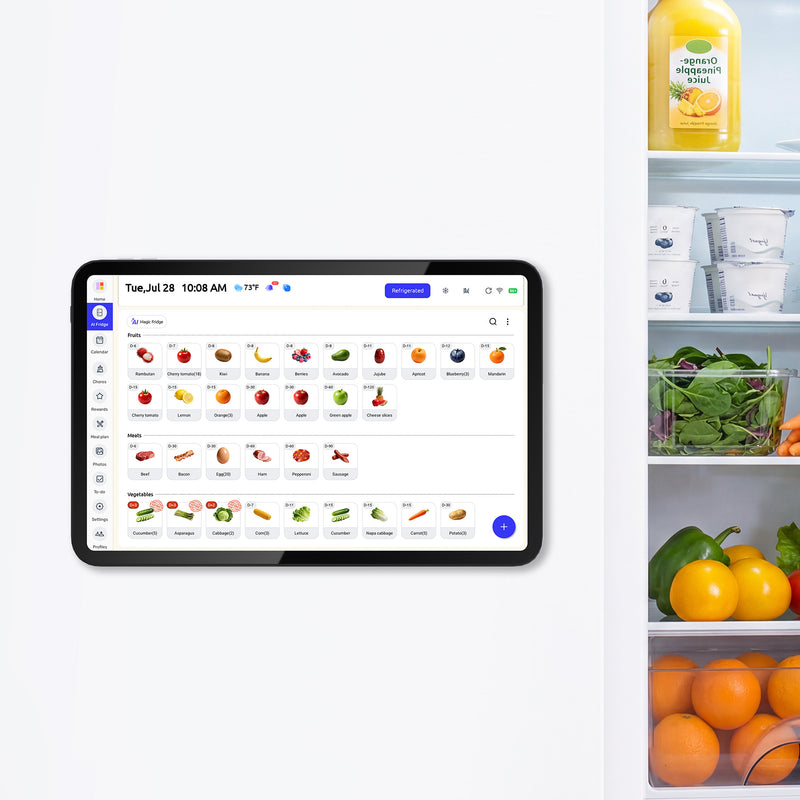
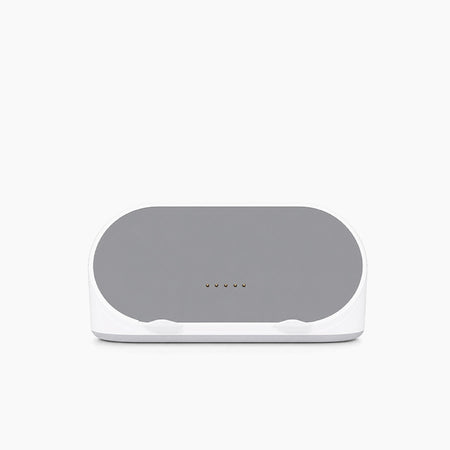
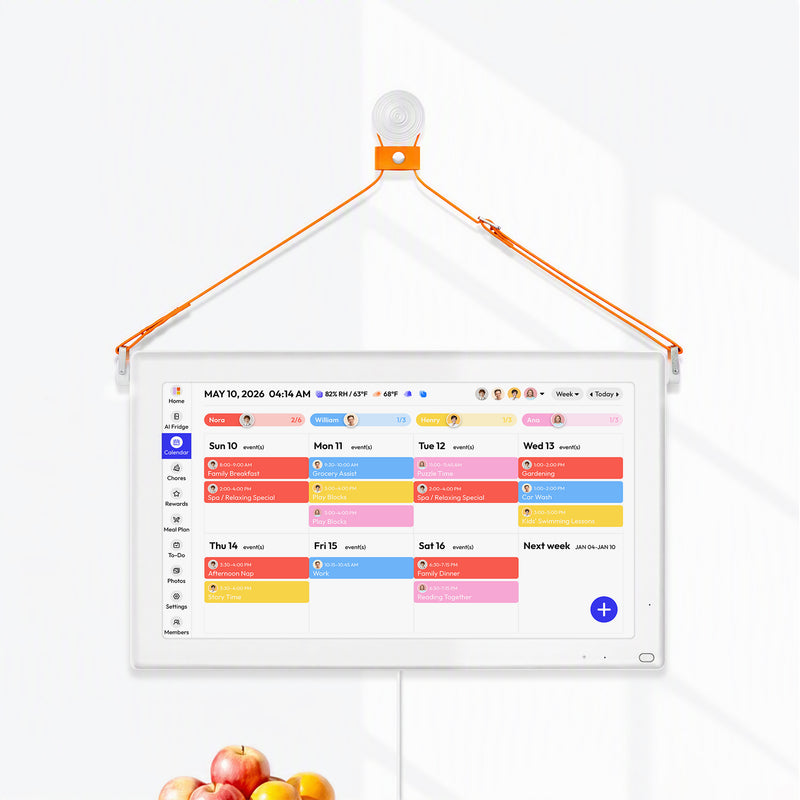
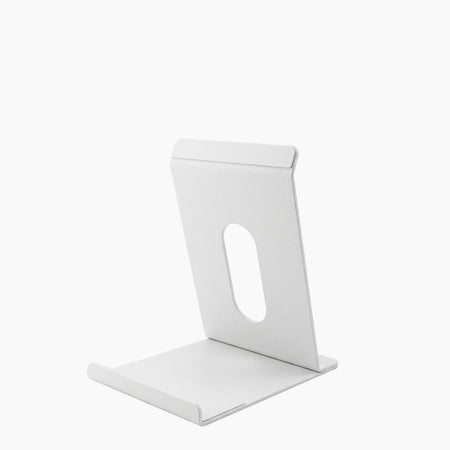
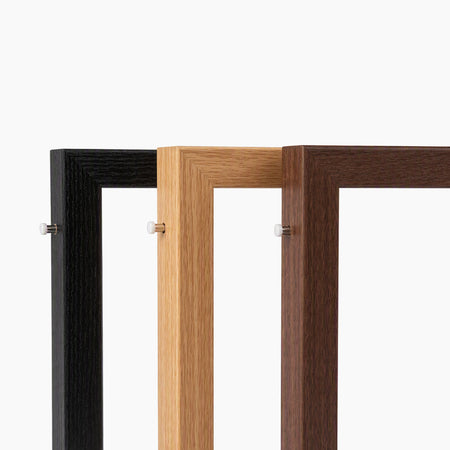


Mount a digital calendar solidly on your wall with removable gear that won’t cost your security deposit.
You’ve got a slim calendar screen and a landlord who winces at nail holes. I’ve hung dozens of displays in rentals and learned which no-drill mounts actually stay up and which peel off. Here’s a step-by-step plan to get a stable, tidy install, plus fixes for the common “it’s sagging” panic.
Choose the Mount That Matches Your Calendar and Wall
Know your calendar’s weight and back
Most 13–15 in digital calendars land between 4–7 lb. Check for VESA holes on the back; if present, you can use VESA-compatible adhesive plates. If not, pick clamp, ledge, or magnetic options sized to the device’s thickness.

Match mount to surface
- Painted drywall: High-bond adhesive plates or hook-style no-drill brackets rated at least 2 lb above your calendar’s weight.
- Glass/tile/metal: Suction-plus-adhesive or magnetic bases grip best on non-porous surfaces.
- Textured or chalking paint/old plaster: Command-style strips expect smooth, clean indoor paint and 10–40°C; on rough or friable walls stick to light photo-weight items and favor a clamp or tension shelf instead.
- Brick or bare concrete: VHB 5952 is specified for metals, glass, and painted surfaces; on porous masonry use a masonry-rated adhesive plate or switch to a freestanding stand.
- Close to the mount’s published max: If your calendar is near the strip or plate limit, default to a drilled anchor or a tension pole to avoid creep.
- Heavier glass/metal calendars: Spread load with multiple pads and stay inside the lowest-rated component.
- Wood paneling: Removable adhesive works, but clean with isopropyl alcohol first to remove wax or polish.
- Smooth painted drywall: stay within the strip’s published rating; picture-hanging strips run about 3–4 lb per set on smooth paint.
- Textured or flat paint: adhesion drops, so limit to very light paper-weight items or skip adhesives if you can feel grit under your hand on the wall surface .
- Tile, glass, or metal: these high-energy surfaces give the best grip for VHB-style acrylic foam tapes; still spread the load with multiple pads and follow the plate’s rating.
Weight-capacity reality check
Adhesive and magnetic mounts top out around 10–12 lb. Manufacturer guidance lists two large Command Picture Hanging Strips at 2.7 kg on clean indoor painted walls, and 3M markets VHB 5952 as a permanent bond for metals, glass, and painted surfaces—treat those ratings and your device manual as the ceiling and follow local electrical routing rules. If your device exceeds that, use a tension-pole frame or a freestanding stand instead of risking a peel-off. Picture-hanging strips are rated around 3–4 lb per set on smooth paint, and acrylic foam tapes reach their published strength only when installed with firm pressure and the specified dwell time, so stay within those limits and wait before loading.
Pick a Proven No-Drill Hardware Option
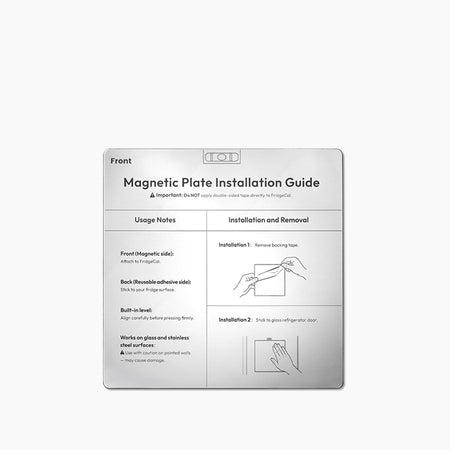
Magnetic backer brackets
Steel backer plates with rare-earth magnets let a metal-backed calendar snap on and off. They’re slim, renter-safe, and keep airflow behind the device to avoid heat spots.
High-bond adhesive plates
3M VHB-style pads paired with a tablet clamp handle 5–13 in screens up to roughly 4–5 lb. Give the adhesive a full 24 hours to cure before loading.

Stick-on rails made for digital calendars
Some makers sell drywall-friendly rails with integrated hooks; they install in under 10 minutes and spread the load so paint is less likely to lift when you remove them.
When to skip adhesives
If your wall texture is sandy or the paint is chalking, use a tension rod shelf between two walls and set the calendar on it; it adds vertical storage space and zero wall damage.
Mount It Cleanly and Square
Surface prep matters
Wipe the wall with 70% isopropyl alcohol and let it dry. Avoid household cleaners that leave residue; adhesives bond to dust-free, non-greasy paint.
Mark once, stick once
Use painter’s tape as a temporary horizon line. Place the mount at seated eye level—roughly 15–20 in above the desktop—so the screen reads like paper.

Cure time and load test
After sticking, press firmly for 30–60 seconds. Wait the manufacturer’s cure time (often 24 hours) before hanging the calendar. Then do a 12-hour static test with a weight equal to your device to confirm the hold.
- Start with 25% of the final weight for 30 minutes; stop if you see edge lift or creeping.
- Move to 50% for an hour, then 100% overnight as a simple proof load.
- If any pad shows bubbling, tilt, or gap growth, remove, clean, and remount.
- Follow the manufacturer’s temperature and dwell instructions before repeating the test.
Route Power Without Messing Up Walls
Cable path options
- Low-profile adhesive raceways keep cords tight to the wall and paint-safe.
- If the outlet is far, run a flat extension cord along the baseboard and secure it with removable clips.
- For desks against glass, clear cord clips disappear visually and won’t haze the surface.
Strain relief
Add one adhesive cable clip near the calendar’s power port so the plug isn’t bearing weight; it prevents slow loosening that leads to intermittent power.
Troubleshoot Common Issues
Sagging or slow peel
Warm the adhesive with a hair dryer on low, press the plate back, and add fresh VHB tabs if edges lifted. If the paint is chalky, swap to a tension shelf solution.

Wobble when tapping the screen
Add a second adhesive pad below the mount as an anti-sway foot. For magnetic setups, increase contact by using a slightly larger steel backer.
Heat buildup
If the back runs hot, pull the mount 1/4 in off the wall with thin silicone bumpers at the corners to create airflow.
Stop & escalate
- Use a stud finder with live-wire detection and stop immediately if it alarms; call a licensed electrician before proceeding .
- If the device or backplate stays hot after adding airflow, power it down and contact the manufacturer before remounting.
- If paint cracks, dusts, or the wall flexes during load testing, unload the mount and shift to a drilled anchor or a freestanding stand; alert your landlord or a handyman.
Maintenance and Care
Dust the screen weekly with a dry microfiber cloth; avoid sprays that can seep behind the bezel. Every three months, press on the mount to confirm adhesion and re-tighten any clamps. If you move, warm the adhesive with low heat, peel slowly, and roll off any residue with your thumb to spare the paint.
Action Checklist
- Measure device weight and check for VESA holes.
- Choose mount type matched to weight and wall surface.
- Clean wall with isopropyl alcohol; mark a level line.
- Apply mount, press 30–60 seconds, and cure 24 hours.
- Run cord in adhesive raceway; add strain-relief clip.
- Load-test with equal weight for 12 hours.
- Recheck adhesion monthly; refresh pads if edges lift.
FAQ
Q: Will high-bond adhesive rip off my paint when I move?
A: If you warm the pad first and peel slowly at a low angle, most eggshell or satin paints stay intact; flat paint is more fragile, so go slower.
Q: Can I hang a 10 lb, 24-inch display without drilling?
A: Only if you use a tension-shelf or floor stand; adhesive and magnetic mounts rarely rate above 10–12 lb safely.
Q: How high should I mount a calendar I mainly tap while seated?
A: Aim for the center of the screen about 15–20 in above the desk surface so your wrist stays neutral.
Final Takeaway
Pick a mount rated above your calendar’s weight, prep the surface meticulously, and give adhesives time to cure. Combine a clean cable path with periodic adhesion checks, and you’ll have a renter-safe calendar setup that looks intentional and comes down without a trace.
Safety & Warranty Disclaimer
This installation and decor guide is for general reference and creative inspiration. Physical home modifications carry inherent risks, including structural damage or electrical hazards. Always prioritize your product’s official installation manual and ensure compliance with local building codes. If you are uncertain about performing a task, please seek assistance from a certified professional. Everblog is not responsible for any damage or injury resulting from DIY applications of these suggestions.
References


