

Successful family schedule management during school year routines relies on a visible, shared system rather than individual memory. When a child misses a ride or double-bookings occur, it is usually a symptom of fragmented communication. Relying on parents to constantly check their phones creates unnecessary mental friction. Moving the central schedule to a physical, shared space, specifically using a digital fridge calendar in the heart of your home, relieves this daily stress. This guide shows how to build a reliable routine that keeps everyone aligned without endless reminders.
Why "I'll Just Remember It" Does Not Survive September
September brings a massive wave of new routines that quickly overwhelm our mental bandwidth. Relying on memory alone during this transition leads to missed deadlines and unnecessary stress.
School-Year Complexity Scales Faster Than Memory Does
Summer scheduling is often relaxed, but the return to school introduces a rigid grid of times and locations. Every child brings home a different set of expectations, from sports practices to library days.
When you multiply these events by several family members, the number of moving parts quadruples. Trying to track these shifts mentally creates cognitive overload, which makes forgetting a task almost inevitable.
The Most Common Scheduling Failures Families Face Every Fall
Fall schedules break down when families rely on verbal agreements or last-minute coordination. These communication gaps show up in predictable ways as the school year gets underway.
- Missed pickups occur because of vague plans like "I will grab him if I can make it."
- Double-booked afternoons happen when two separate events are scheduled for the exact same time slot.
- Forgotten theme days catch parents off guard on busy weekday mornings.
- Unprepared students arrive at school without their required gear or permission slips.

The Evolution of How Families Stay Organized
Family coordination has evolved from simple physical tools to digital apps, but each method has its own challenges. Finding the right balance requires looking at how these systems perform in a busy home.
The table below outlines the strengths and limitations of different family organization methods.
|
Scheduling Method |
Accessibility for Kids |
Ease of Remote Updates |
Visual Presence in Home |
|
Paper Fridge Calendar |
High |
Low |
High |
|
Group Text Threads |
Low |
High |
Low |
|
Phone-Based Apps |
Low |
High |
Low |
|
Ambient Digital Displays |
High |
High |
High |
This comparison highlights why relying solely on personal phones often leaves younger children out of the loop. An ambient kitchen display bridges the gap by combining digital updates with physical presence.
From the Paper Calendar on the Fridge to the Group Text No One Reads
Paper calendars used to be the reliable anchor of the kitchen, but they cannot keep up with modern schedule changes. When a practice gets canceled while you are at work, a paper calendar cannot update itself.
Many families turned to group text threads to solve this, but these chats quickly become cluttered. Important details get buried under emojis, side conversations, and casual chat, making them hard to find later.
Digital Calendars on Phones Create New Blind Spots
Digital calendars are convenient for individuals, but they fail as shared family tools because they live behind locked screens. A schedule is only helpful if people actually look at it.
When calendar events sit inside a personal phone app, other family members cannot see them without a direct effort. This lack of visibility means kids and partners remain unaware of upcoming plans until someone reminds them.
What Shared Visibility Actually Means in a Household Context
True shared visibility means the entire family can see the daily plan without needing to press a button. It removes the barrier of having to unlock a device just to check a time.
When the schedule is openly visible, everyone can coordinate without needing a parent to act as the central dispatcher. It turns the family schedule into a shared household resource rather than a private list of chores.
Building a Family Communication System That Holds
To create a system that actually lasts through the winter, you need to establish a single, clear source of information. This reduces confusion and helps everyone know exactly where to look.
One Source of Truth vs. Five Partial Ones
A major source of scheduling stress is having different pieces of information scattered across multiple apps, emails, and papers. When dad uses one work calendar, mom uses another, and the school uses a portal, details get lost.
- Consolidating all events into one main calendar prevents conflicting plans.
- Importing school portals directly into your main calendar saves time and reduces typing errors.
- Declining duplicate invitations keeps the screen clean and easy to read.
- Checking the central system first before committing to new plans avoids double-bookings.
How Color-Coding by Family Member Cuts Down on Scheduling Confusion
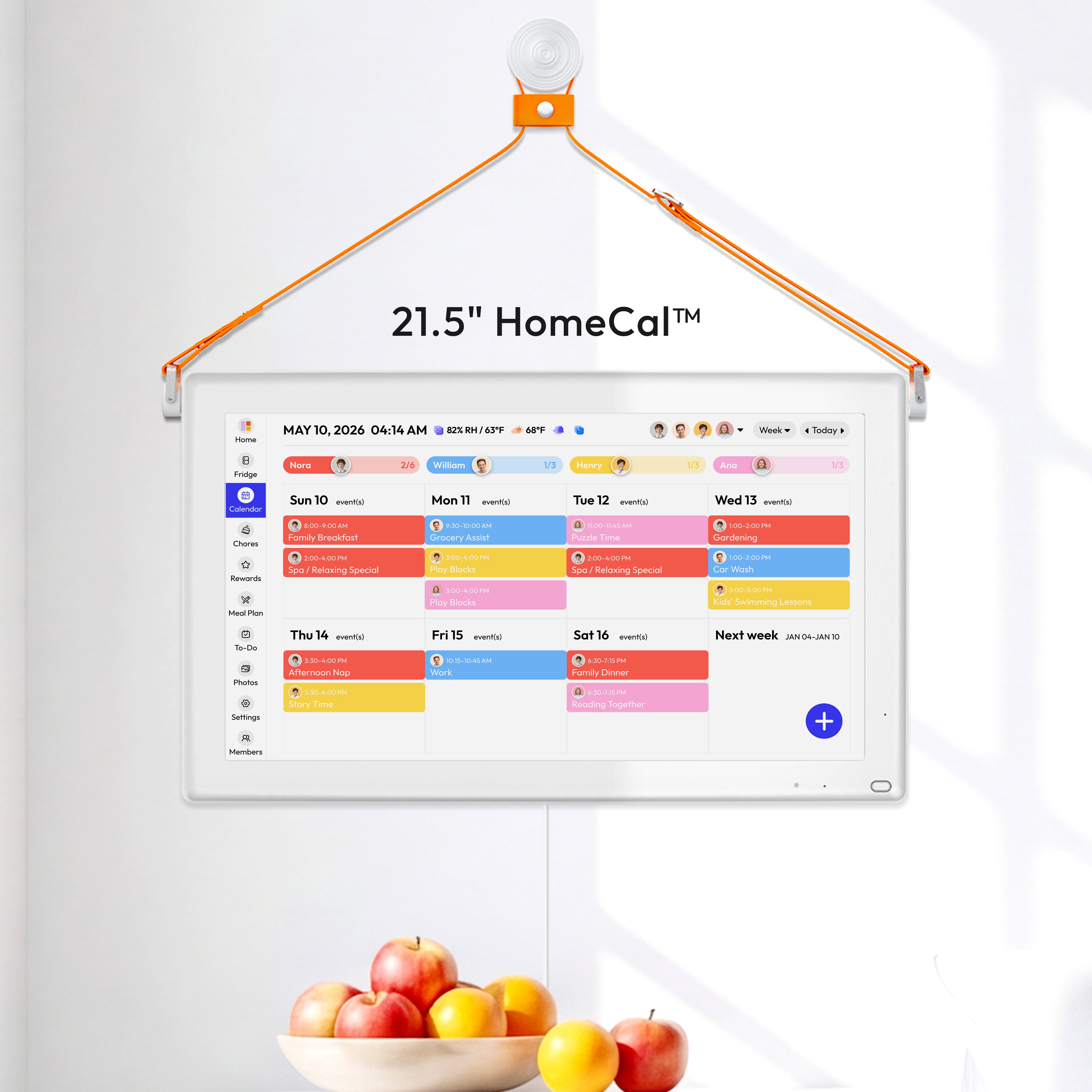
Color-coding is a simple visual tool that allows everyone to understand the day's plan in a single glance. Assigning a specific color to each family member makes the schedule much easier to read.
When a child looks at the display, they can ignore the other details and focus only on their own color. This quick scanning method helps parents spot potential conflicts, like two events in different places at the same time, in seconds.
The Difference Between a Distracting Notification and Continuous Sight
Phone notifications are designed to grab your attention, but they often arrive at the wrong times and get swiped away. A notification that pops up during a meeting is easily forgotten by the time you get home.
In contrast, a continuous visual display does not interrupt your day with loud alerts. Instead, it sits quietly in your living space, allowing you to review the schedule naturally as you move through the house.

Why the Kitchen Is the Natural Home for the Family
The kitchen is the central hub of the home where everyone gathers throughout the day. Placing your scheduling tools here ensures that updates are seen during morning and evening routines.
The kitchen works best because it is the one room every family member visits before leaving the house. Putting your calendar in this high-traffic area makes checking the schedule a natural part of the day.
The Fridge as the Original Family Bulletin Board
For decades, the refrigerator has served as the central spot for school lunch menus, drawings, and reminders. It is a natural gathering point because people open and close it dozens of times a day.
While paper notes can look messy, the habit of looking at the fridge remains deeply ingrained in family life. Modern tools build on this habit by turning the fridge door into a clean, digital hub.
What It Looks Like When the Schedule Lives on the Fridge
Having your schedule right on the fridge makes coordination simple and seamless. You can review the afternoon plans while making breakfast or checking what to cook for dinner.
- Morning prep becomes easier when kids can see their sports schedules while grabbing their lunchboxes.
- Afternoon transitions go smoother because everyone knows who is cooking and who is driving.
- Evening planning is simplified as parents review the next day's tasks while cleaning up after dinner.
- Weekly adjustments are easier to handle when you can see the entire week's commitments at a glance.
How Ambient Visibility Beats Active Reminders for Busy Households
Active reminders, like alarms and verbal warnings, can feel stressful and demanding during a busy morning. They often lead to parents feeling like they are constantly nagging their kids.
Ambient visibility takes a different approach by displaying information quietly in the background. It allows family members to find the information they need on their own, making the home feel calmer and more organized.
Making It Work for Every Member, Including the Kids
A shared schedule is only successful if the entire household, including the younger children, actually uses it. Designing the system to be accessible to everyone builds teamwork and shared responsibility.
How Kids Engage with a Shared Schedule They Can Actually See
Children respond well to visual cues that do not require reading through long lists of text. A clear display with simple color codes allows even younger kids to understand their day.
- Preschoolers can look for their color to see if they have preschool or a playdate today.
- Elementary students can check the display to see if they need to bring their sneakers for gym class.
- Middle schoolers can track their own practice times and manage their homework schedules.
- Teens can coordinate their after-school jobs and extracurricular activities with the family car schedule.
Giving Kids Ownership of Their Own Part of the Family Plan
When kids have access to the schedule, they can take responsibility for their own daily routines. Instead of asking what is next, they can check the calendar themselves.
This setup encourages children to prepare their own backpacks, sports gear, and outfits the night before. By taking charge of these small tasks, kids build confidence and help make school mornings run much smoother.
Streamline Family Schedule Management During School Year Routines
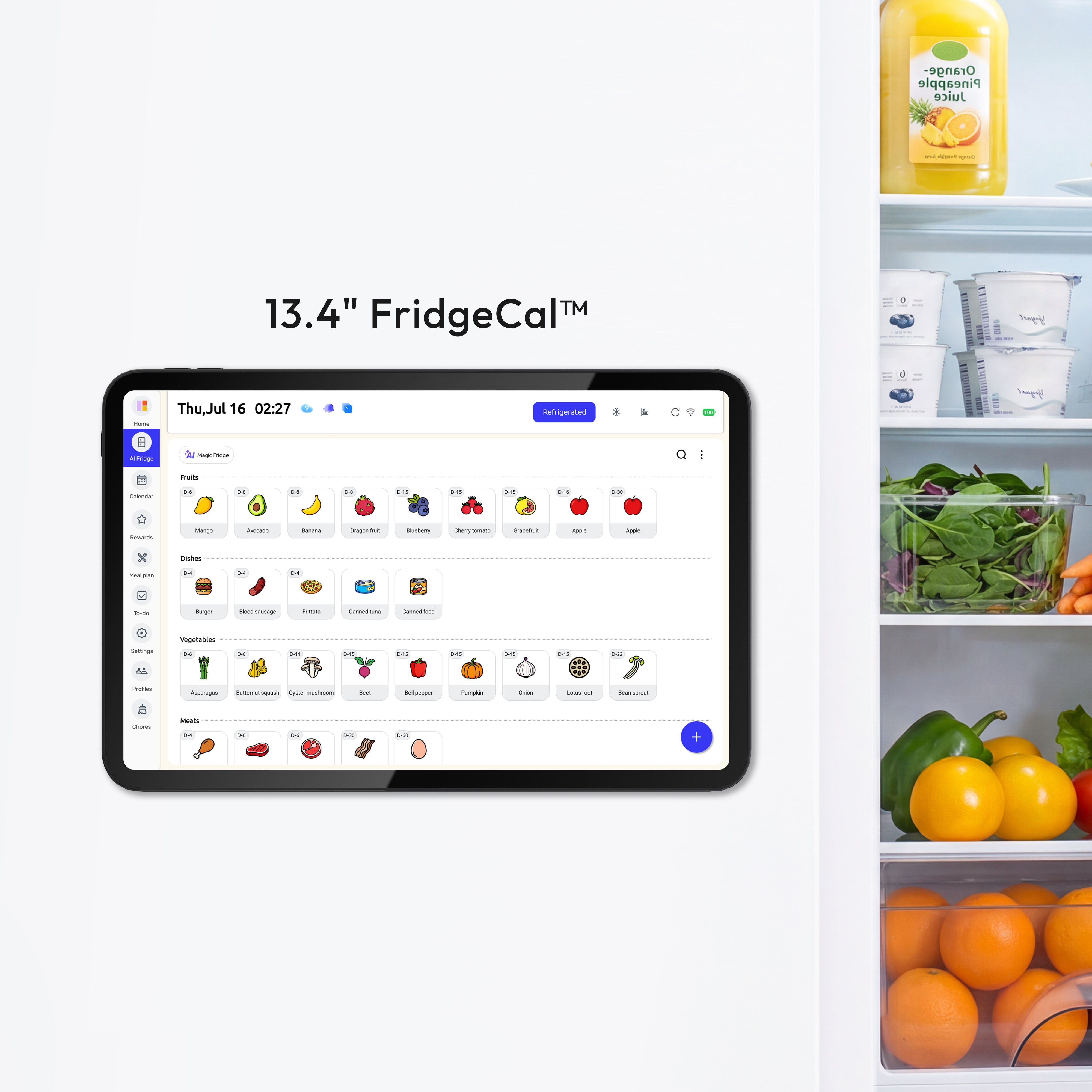
Transitioning to a highly visible system helps busy parents discover how to keep family organized during school year rushes without constant stress. The Everblog 13.4" FridgeCal™ Calendar offers a practical solution by bringing your digital command center directly onto your refrigerator. This 13.4-inch full HD touchscreen features an ultra-strong, zero-fall magnetic mount that attaches securely to your fridge door, syncing seamlessly with Google Calendar, Outlook, and Apple systems. Best of all, it features a completely cordless design with a built-in battery that lasts for days on a single charge, keeping your kitchen clutter-free. By placing your schedule where everyone can see it, you can simplify your daily routine and keep the whole family in sync.
Family Schedule Management During School Year FAQs
Q1: What Is the Best Family Calendar System for the School Year?
The best system is an ambient digital display placed in a high-traffic area like the kitchen. It combines the easy remote updates of a digital calendar with the constant visibility of a traditional paper fridge calendar.
Q2: How Do I Stop Missing School Pickups and Activity Conflicts?
You can prevent these issues by setting up a single, shared calendar that imports school portals and work schedules directly. This shared family calendar system for school schedules ensures potential conflicts are visible before they cause problems.
Q3: How Do I Get My Whole Family to Use One Shared Calendar?
Make the calendar highly visible in a central spot like the kitchen fridge so family members do not have to unlock their phones. This passive display makes checking the schedule a natural habit during breakfast or dinner.
Q4: Is a Digital Family Calendar Better Than a Paper One?
Yes, because digital calendars sync automatically across multiple devices and update in real time. This allows you to coordinate and make quick changes to the schedule without needing to write them down by hand.
Q5: How Do I Manage Multiple Kids' Different School Schedules in One Place?
Assign a unique color to each family member on a single, shared display. This simple setup allows everyone to quickly scan the calendar and see their own activities without getting confused by a cluttered screen.


