



Whole winter squash keeps best in a cool, dry place, while cut squash should go straight into the refrigerator and be used within about a week.
Did you cut into a butternut for one soup and then wonder whether the rest could wait on the counter until tomorrow? The difference between a squash that stays firm for months and one that softens quickly usually comes down to one simple storage change. Here is where whole squash really belongs, when the fridge is nonnegotiable, and how to make the choice easier during a busy week.
What “Whole on the Counter” Really Means
Whole winter squash keeps best at 45°F to 50°F, with other winter-squash storage guidance clustering around 50°F and moderate humidity rather than ordinary room temperature. That makes a cool pantry, closet shelf, basement shelf, or cabinet a better long-term home than the stretch of counter near the stove. In most family kitchens, the problem is not the squash itself but the warm, bright, high-traffic place where it lands after groceries are unpacked.
Some general produce advice places whole, uncut squash with room-temperature produce, while winter-squash-specific guidance from Michigan State, Seed Savers, and Cedar Circle points to cooler conditions when you want the squash to last for weeks or months. That is less a contradiction than a difference in purpose. If you plan to cook the squash this week, a decent counter spot may be fine. If you want it to last well into next month or longer, counter storage works only if that area behaves more like a cool pantry than a warm kitchen.
For gardeners and farm-stand shoppers, curing mature squash warm and dry helps harden the rind and improve storage life. That matters most before long storage begins. Once the squash is in your house, the practical question is simpler: keep whole squash dry, shaded, and steady, with good airflow and no crowding.
When the Fridge Is Non-Negotiable
All cut, peeled, or cooked fruits and vegetables should be refrigerated, and winter squash is no exception. The moment you halve a butternut, scoop seeds from an acorn squash, or cube pieces for meal prep, it stops being pantry produce and becomes refrigerated produce. That rule is especially useful in family kitchens because it removes the guesswork: if the rind has been opened, it goes cold.

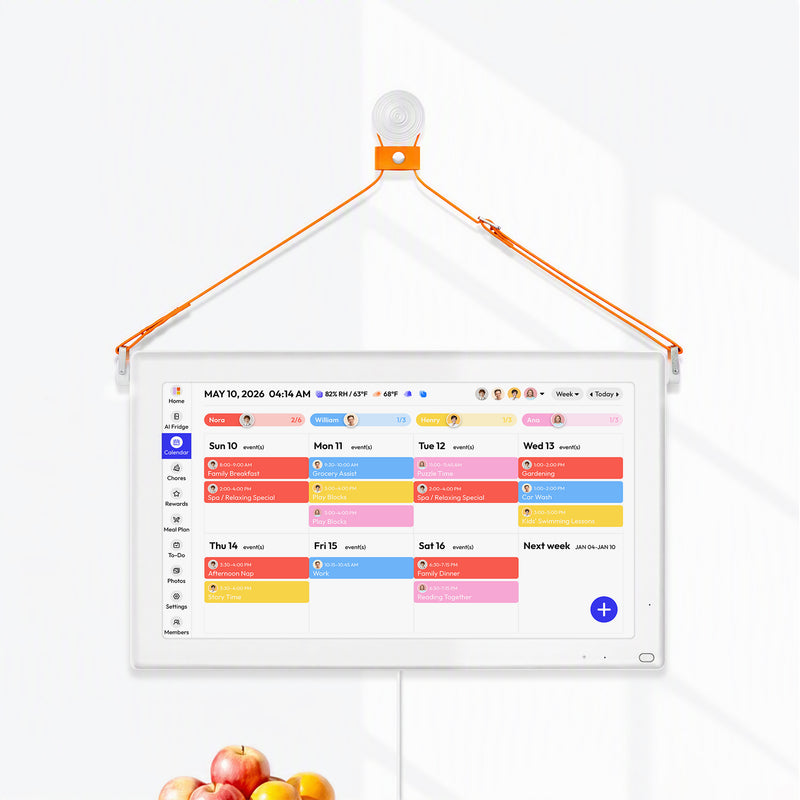
Michigan State notes that cut squash should be used within 1 week. That is the calm, workable planning rule to trust, even if a piece still looks usable after that. If you prep squash on Sunday for soup, roasted vegetables, or a sheet-pan dinner, put a reminder on the fridge calendar for Friday or Saturday. A labeled container with the cut date prevents the familiar “I know this is squash, but from when?” moment.
Whole vs. Cut at a Glance
Fresh produce has different storage methods and shelf lives, and winter squash shows that difference clearly.
Form |
Best place |
Best temperature |
Main benefit |
Main drawback |
|
Whole, uncut |
About 45°F to 55°F for most types |
Weeks to months, depending on variety |
Longest storage and no fridge crowding |
Warm kitchens shorten shelf life |
|
Cut |
40°F or below |
About 1 week |
Easy meal prep and faster weeknight cooking |
Spoils and dries out much faster |
The tradeoff is straightforward. Whole squash gives you time and protects fridge space, which matters when the refrigerator is already full of lunch supplies, leftovers, and produce drawers. Cut squash gives you convenience, but the clock starts immediately. A 3-lb butternut can wait whole for quite a while in the right spot, yet that same squash becomes a use-it-this-week food once you split it open.
Variety Still Matters
Some winter squash can keep for months when they are mature and stored well, but not every type gives you the same margin for error. Butternut is usually the most forgiving choice for family meal planning because it stores well and holds quality longer than many thinner-skinned types. Spaghetti squash and delicata tend to be less patient, so they are better treated as earlier-use vegetables rather than produce you can ignore for weeks.

Acorn Squash Is the Main Exception
Acorn squash changes the conversation because it should not be cured, and it generally has a shorter storage life than long-keeping types like butternut. Seed Savers groups acorn, delicata, dumpling, and spaghetti among the shorter-storage winter squash, while butternut commonly lasts much longer under good conditions. In practical terms, if you bring home both an acorn and a butternut on the same shopping trip, plan the acorn for an earlier dinner and let the butternut wait.
A Calm Storage Routine for Busy Homes
Stored squash should be checked often for soft spots and damage. Keep it in a single layer if you can, with space between pieces rather than a pile in a basket where one bad spot can go unnoticed. If one squash starts to soften, move it out and cook it soon instead of hoping it will recover. That one habit protects the rest.

It also helps to keep the squash dry from the start. Michigan State advises against washing squash before storage, and UConn notes that extra moisture can speed mold and rot on stored produce. If there is visible dirt, dry brushing or a light wipe is better than rinsing and shelving. Once the squash is cut, switch to a clean, covered container in the fridge and let the calendar, not memory, track the deadline.
Common Mistakes That Cost Shelf Life
A refrigerator kept at 41°F or below is the right place for cut squash, but that does not make it the best place for whole squash. Whole winter squash usually keeps better a little warmer than refrigerator temperatures, which is why families often get disappointing results when they chill an uncut squash for long storage or, just as often, leave it on a hot, sunny counter and assume room temperature is close enough.
Another common mistake is treating every squash like a long keeper. A butternut gives you time. An acorn or spaghetti squash calls for a quicker plan. That is why a simple household rule works so well: whole squash gets stored by variety and purchase date, and cut squash gets a fridge date the same day it is opened. Small systems like that reduce waste, save money, and take some pressure off dinner decisions.
A whole squash can be wonderfully low-maintenance, but only when it is truly whole and truly stored cool and dry. Once it is cut, the kindest choice for your future self is the fridge, a covered container, and a plan to use it within the week.


