


You can replace school-year rigidity without sliding into summer chaos by using a few fixed anchors, a simple weekly planning rhythm, and clear safety guardrails.
Does summer start with good intentions and then turn into late wakeups, endless scrolling, and daily renegotiation? Planning the shift about 8 weeks before the last school day gives enough runway to set routines, logistics, and realistic expectations. You will leave with a practical framework, a timeline, and a checklist you can use this week.
Decide What Must Stay Fixed
Use a two-map model
The MIT-based learning framework describes three foundational pillars that keep growth balanced: social-emotional-cultural development, academics, and community engagement. For summer, that translates into protecting wellbeing, maintaining core skills, and staying connected to real-world activities.
Map A is your anchor map: pick 4-5 non-negotiables per week (sleep window, movement, one focused learning block, one shared meal, one community/family contribution). Keep anchors small and repeatable so they survive travel, camps, and holiday weekends.

Map B is your flex map: open blocks where kids choose projects, social time, or rest. This keeps autonomy high without sacrificing the baseline structure that school used to provide.
Build an 8-Week Transition Runway
Timeline template you can adapt
One practical planning benchmark is to start prep 8 weeks out, especially when summer includes camps, travel, childcare handoffs, or paperwork-like logistics. Long-lead tasks often take longer than expected, so early setup reduces last-minute friction.
Use this simple runway:
- Weeks -8 to -6: define outcomes (skills to maintain, family constraints, budget).
- Weeks -5 to -3: lock major commitments (camps, trips, recurring activities, transportation).
- Weeks -2 to -1: test the weekly schedule and finalize backup options.
A useful rule is 70% capacity: schedule only about 70% of available time, leaving 30% for recovery and surprises. Most summer plans fail from overloading, not under-planning.

Run Each Day in Two Modes
Direct mode and queued mode
A workflow framing that works well is Direct Execution and Queued Execution. Direct mode is real-time, high-attention work; queued mode is lower-attention tasks that can happen later or in batches.
Example day:
- 9:00 AM-11:30 AM (Direct): reading, math practice, project build, or appointments.
- 1:00 PM-3:00 PM (Queued): chores, errands, async practice apps, prep for tomorrow.
- 7:30 PM-8:00 PM (Reset): quick review and next-day setup.
When the day slips, use a minimum viable fallback: one 20-minute learning sprint, one movement block, and one reset block. This prevents “all-or-nothing” collapse.

Treat Food Safety as a Summer Guardrail
Non-negotiables for hot-weather routines
Because summer heat raises foodborne illness risk, food handling needs simple rules, not guesswork. Discard perishables left out over 2 hours, and shorten that limit to 1 hour when temperatures are above 90°F.
The CDC’s Clean, Separate, Cook, and Chill framework is the most practical standard for families. Wash hands for 20 seconds, keep raw proteins separate, use a thermometer (145°F whole cuts with rest, 160°F ground meats, 165°F poultry/leftovers), and keep the fridge at 40°F or below.
Salty foods are not automatically safe: research shows S. aureus survives high-salt conditions and can strengthen protective behavior like biofilm formation. Use time-and-temperature controls as your decision rule, especially if your household includes infants, older adults, pregnant people, or immunocompromised family members.
Replace Screen Drift With Project Cycles
A 4-week project template
A constructionist, project-based approach keeps summer learning active and meaningful. Instead of daily worksheets, run short cycles where kids make something real and share it.

Use this cycle:
- Week 1: define a question and plan.
- Week 2: build a first version.
- Week 3: test with real users or real conditions.
- Week 4: revise and present.
Score progress with three simple rubrics: skill growth, collaboration, and completion quality. This mirrors school-year competence goals while preserving summer flexibility.
Practical Next Steps
Start with one weekly planning session and one daily reset, then add only what you can sustain for 3 straight weeks.
7-day reset checklist
- Set 4-5 weekly anchors (sleep, movement, learning, meal, contribution).
- Block your day into Direct mode and Queued mode.
- Plan summer logistics backward from the end of school, using an 8-week runway.
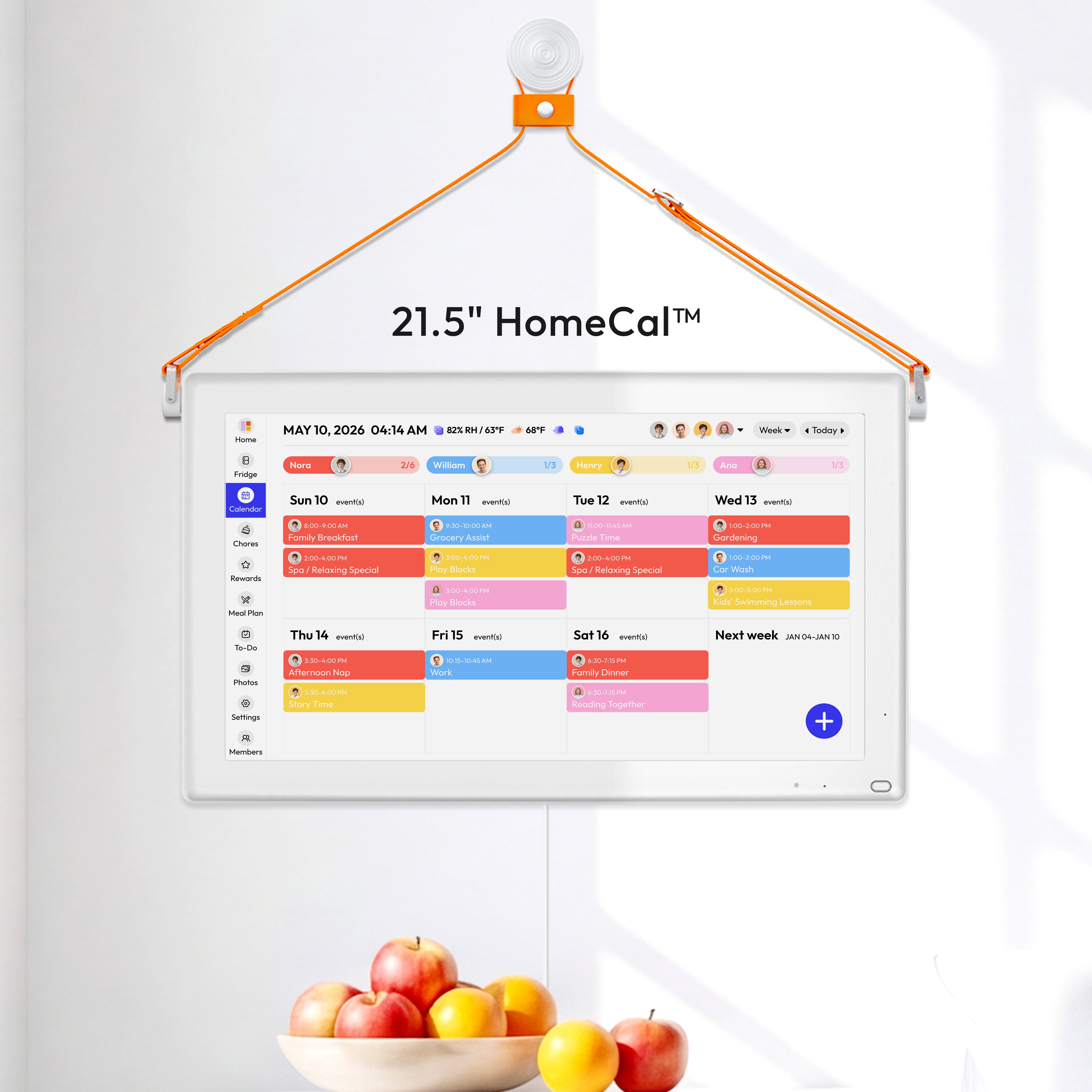
- Add a Sunday 30-minute family planning review at 7:30 PM.
- Apply food safety guardrails: 2-hour rule, 1-hour rule above 90°F, thermometer-based cooking.
- Launch one 4-week project cycle and define a clear share-out date.
Important Note
The planning templates and organizational systems provided here are intended as adaptable blueprints. Every family’s needs, dietary requirements, and physical capabilities are different. We recommend tailoring these schedules to your specific health needs and household dynamics. Results from productivity or meal-planning systems may vary, and consistency remains the responsibility of the individual user.
References


