







Teaching a 10-year-old to change sheets weekly is a practical way to build responsibility, home organization, and planning habits in one routine.
If bedtime regularly turns into a scramble, bedding is often part of the hidden bottleneck. A simple rollout of one daily chore plus one weekly chore for two weeks, paired with short family check-ins, can reduce reminders and friction. You will get a clear framework to teach sheet changing, track it in your family calendar, and connect it to laundry and meal-planning rhythms.
Where this guide discusses developmental outcomes, treat them as research-supported associations rather than guarantees: one peer-reviewed study found that greater engagement in self-care and family-care chores was associated with better executive-function performance in children, while the rollout cadence here is practice-based engagement in chores predict children's cognition.
Why Age 10 Is the Right Launch Point
Match Task Complexity to Preteen Capacity
Preteens ages 9–12 are ready for achievable, clearly defined household tasks, so sheet changing is a strong fit at age 10. It is concrete, repeatable, and visible, which helps kids build confidence quickly.
A pediatric source from the American Academy of Pediatrics lists 11–12-year-olds completing multi-step tasks such as changing bedsheets, laundry, and bathroom cleaning, which aligns with this age target age-appropriate chores.
Ages 10–12 can handle multi-step chores with minimal reminders, especially when you offer limited choices (for example, “Do sheets before dinner or right after dinner?”). That structure teaches ownership without creating power struggles.
Tie One Chore to the Family Operating System
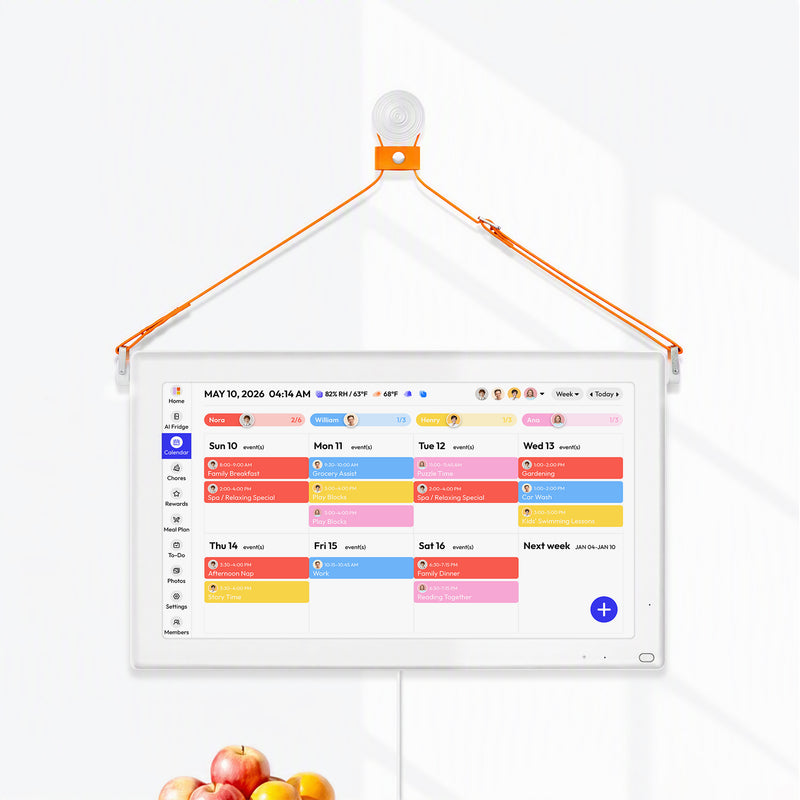
A central communication hub keeps sheet changing connected to real family logistics instead of treating it as a random extra task. Put it on the same shared schedule as activities, appointments, and meal prep, then review it in a 5-minute morning check-in.
The 10-Minute Sheet-Change Workflow
Use the Same Sequence Every Week
A consistent routine for changing kids’ sheets works best when the sequence never changes: clear pillows/blankets/stuffed animals, check mattress and blankets for stray items, remove old sheets, then put clean sheets on before laundry starts. A two-set rotation (one on bed, one in closet) keeps bedtime protected even on busy days.

Make “Done” Easy to See
a company reduces confusion by breaking one vague task into clear steps and adding a visible “done” action. For a 10-year-old, use a short checklist on the bedroom wall: fitted sheet snug, top layer centered, pillows back, old sheets in hamper.
Printed and laminated routine checklists are practical for day-start and day-end transitions, and the same method works for weekly bedding resets. Reusable checklists cut daily negotiation because the process is already agreed.
Adaptations & Safety
- Small room or bunk setup: stage linens in order on a chair, strip one corner at a time, and complete a quick tuck check so the bed stays usable during the reset.
- Motor-limitation workflow: split the chore into seated sub-steps (sort linens, align fitted corners, place pillows) plus one assisted standing step, or run a two-person version where the child owns defined checkpoints.
- Dust/allergy-sensitive workflow: assign low-dust steps on high-symptom days and use clinician-directed bedding-care adjustments so participation stays tolerable.
Keep progression aligned with age-appropriate chores and responsibilities. Parents should step in immediately for unsafe lifting, pain, dizziness, or breathing symptoms; if mobility or allergy barriers persist, seek pediatric clinical guidance before continuing independent sheet changes.
Build a No-Nag Tracking System
First Fortnight Setup
Starting with one daily chore and one weekly chore for the first fortnight is the most reliable way to make routines stick. For age 10, pair daily bed straightening with a weekly full sheet change, and keep tracking on one visible page.

Kids help more when tasks are clear, age-appropriate, and achievable, so define the task in plain language instead of “clean your room.” A good task name is “Change sheets and put old set in laundry hamper by 7:30 PM Sunday.”
Pick One Tool, Not Five
In Digital calendar options in 2026, free and paid choices are both valid, so compare function first: family sharing, visual display clarity, reminder reliability, and whether all caregivers can access the same view. Pricing and features may change over time (last updated: March 28, 2026). Pick one platform your family will actually open daily.
Selection criteria for named tools in this article are cross-platform access, family-account support, accessibility options, and exportability. No sponsorships or affiliate relationships are involved in these examples, and any material connection in recommendations should be clearly disclosed under the FTC’s updated Endorsement Guides.
Connect Sheets to Laundry and Meal Planning Batches
Batch Related Tasks to Save Time
Batch tasking cuts setup and switching costs by grouping similar work into one focused session. A weekly laundry block plus sheet rotation is easier to complete than scattered loads across multiple days.
Structured meal planning supports the same goal by reducing decision fatigue, lowering food waste, and creating predictable prep windows. When meals, shopping, and chores are coordinated, sheet changing stops competing with dinner chaos.
Example Sunday Operations Block
Customizable family planner templates make it easy to map one weekly household block: 4:00 PM laundry start, 4:30 PM sheet change, 5:00 PM meal prep kickoff, and 5:55 PM calendar check for Monday. The exact times can shift, but one protected block keeps the system sustainable.
Reduce Pushback Without Power Struggles
Use Boundaries and Short Prompts
Bedroom conflict is developmentally normal in adolescence, so short prompts and clear boundaries beat constant nagging. A practical prompt is: “Please clear the bed and change your sheets in the next 10 minutes.”
Enforceable rules like “find the floor” by Sunday 8:00 PM work because they are specific, time-bound, and tied to a known consequence. Keep paid optional chores separate from baseline expectations so core household contributions stay non-negotiable.
Prevent the Three Common Failure Points
Specific, consistent, and fair chore design avoids the usual breakdowns: vague tasks, uneven workload, and too many new habits at once. Review weekly, rebalance when needed, and expand only after the current routine is automatic.
Practical Next Steps
A shared family system with clear owners and visibility turns sheet changing into a durable life skill instead of a recurring argument. At age 10, the win is bigger than a tidy bed: your child practices planning, follow-through, and contribution inside the same structure that runs your calendar and meals.
These outcomes are best framed as research-informed associations, not guarantees; related longitudinal evidence links stronger self-regulation and resilience with supportive early home routines self-regulation and resilience.
Editable planner formats make rollout straightforward: start with one weekly sheet task, one daily reset task, and one weekly family review for 4 weeks. Keep adjustments small and predictable rather than redesigning the system every weekend.
Action Checklist (6 Steps)
- Choose one shared tracking tool (paper, app, or spreadsheet) and assign one owner per task.
- Set a fixed weekly sheet-change slot (example: Sunday at 4:30 PM).
- Use a 4-step bedroom checklist and place it where the task happens. Use the Adaptations & Safety mini-block when space limits, mobility needs, or allergy symptoms require a modified workflow.
- Run a 5-minute morning check-in and a short evening update window.
- Batch sheets with laundry and meal prep in one weekly operations block.
- Review every Sunday night: mark done, rebalance workload, and set next week.
Important Note
The planning templates and organizational systems provided here are intended as adaptable blueprints. Every family’s needs, dietary requirements, and physical capabilities are different. We recommend tailoring these schedules to your specific health needs and household dynamics. Results from productivity or meal-planning systems may vary, and consistency remains the responsibility of the individual user.
References
- Kiwi Families chore chart by age
- Cozi chores for ages 9–12
- PlanWiz family planner templates
- FamilyDaily weekly planner and meal planner
- Lemon8 sheet-changing routine
- Heather Audrey Lapier routine checklists
- Morgen digital family calendar comparison
- Everblog picture chore chart
- Boston Globe teen room boundaries story
- Tribune syndication link on enforceable room rules
- Professional Organizer on batching laundry and meal prep


