
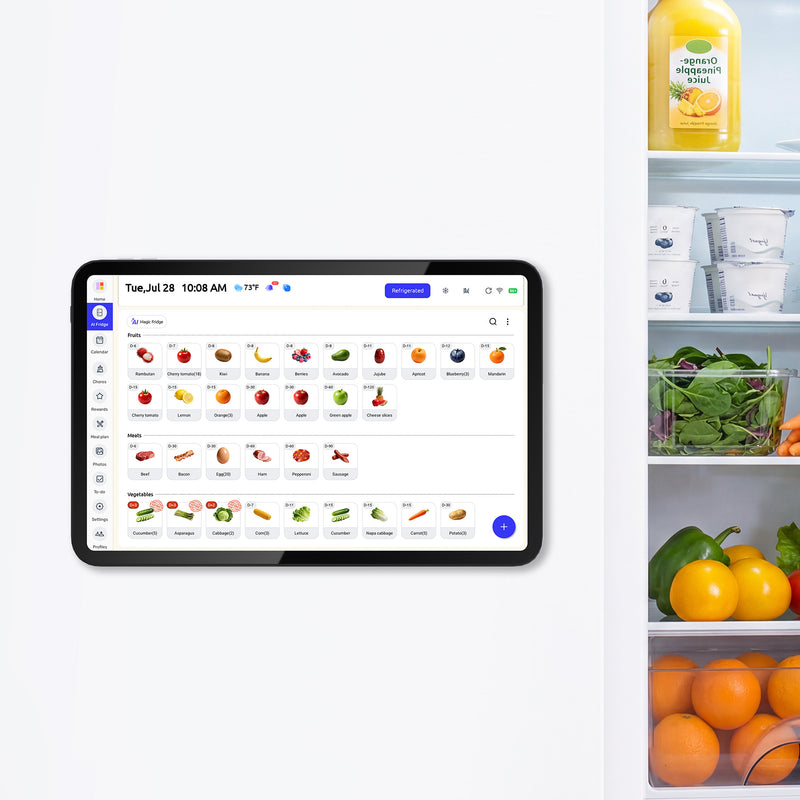





Time blindness improves fastest when you stop relying on willpower and start using visible time tools. An analog clock gives you a live sense of time passing, while a digital calendar protects your future schedule with reminders and transition cues.
Have you ever checked your phone, thought “I have plenty of time,” and then realized you are already late? That gap between intention and timing is exhausting, and it can happen even when you care deeply about being responsible. A simple setup using short focus blocks, 2-5 minute buffers, and two-alarm transitions can make starts and handoffs more reliable without turning your day into a rigid drill.
Time Blindness Is a Systems Problem, Not a Character Flaw
What it feels like day to day
Time blindness often shows up as “I thought that was 10 minutes” when it was actually 45, missed transitions, and last-minute rushing even with good intentions. If this sounds familiar, you are not broken and you are not lazy; your internal clock is just not a dependable planning tool right now.

Why external structure works better than self-pressure
In high-stakes settings, people do not trust memory alone; they use external systems and visible tracking because missed timing has consequences. That same principle applies at home and work: external cues reduce cognitive load and decision fatigue when attention is split, and structured support is aligned with clinical recommendations for ADHD care. Evidence strength: systematic review and meta-analysis plus clinical guideline.
What Analog Clocks Add That Digital Displays Miss
Analog gives you “time shape”
A clock face shows proportion: how much of the hour is gone and how much remains. Many people with time blindness do better when they use color zones on an analog face: green for focus, yellow for wrap-up, red for transition.

Visibility in key zones beats perfect intentions
A clock near your desk, kitchen, or exit point keeps time in your peripheral awareness, which helps prevent hyperfocus drift. The practical goal is not perfection; it is earlier noticing so you can switch tasks before you are already behind.
What Digital Calendars Add That Analog Clocks Cannot
Digital calendars hold your future memory
Digital tools excel at “not now, but soon”: meeting prep, departure windows, and deadlines next week. Evidence syntheses on digital interventions for ADHD report potential benefits for planning and reminders, while also noting uneven study quality and reporting.
Layered reminders protect transitions
Use two alarms per commitment: one prep alarm 20-30 minutes early and one start alarm at go time, each with a clear label. Evidence strength: small-study to review-level evidence and work-context systematic review. Then add a 2-5 minute buffer between blocks so real life has room for cleanup, gathering materials, parking, walking, or resetting attention.

Why the Combination Works Better Than Either Tool Alone
Analog handles “now”; digital handles “next”
Paired systems are more reliable because each tool covers the other’s blind spot. Reviews on time-perception deficits and daily-life selfcare strategies in adults with ADHD support combining external time cues with planning supports.
Shared language reduces confusion
Clear labels matter; consistent prompt wording reduces interpretation load during transitions, and evidence on digital interventions for ADHD notes that adherence depends on how reliably cues are delivered and documented. For your schedule, the equivalent is naming blocks plainly (“Email 10 min,” “Leave in 15,” “Wrap now”) so your brain does not have to interpret vague reminders under stress.
A 14-Day Rollout You Can Actually Keep
Days 1-2: Build a small foundation
Start with three anchors only: morning start, midday reset, and evening shutdown. Draft a simple wake-to-bed map in 10 minutes, assign 1-3 must-do actions per block, and run short focus sprints (10-12 minutes) to build momentum.
Week 1-2: Calibrate, don’t punish
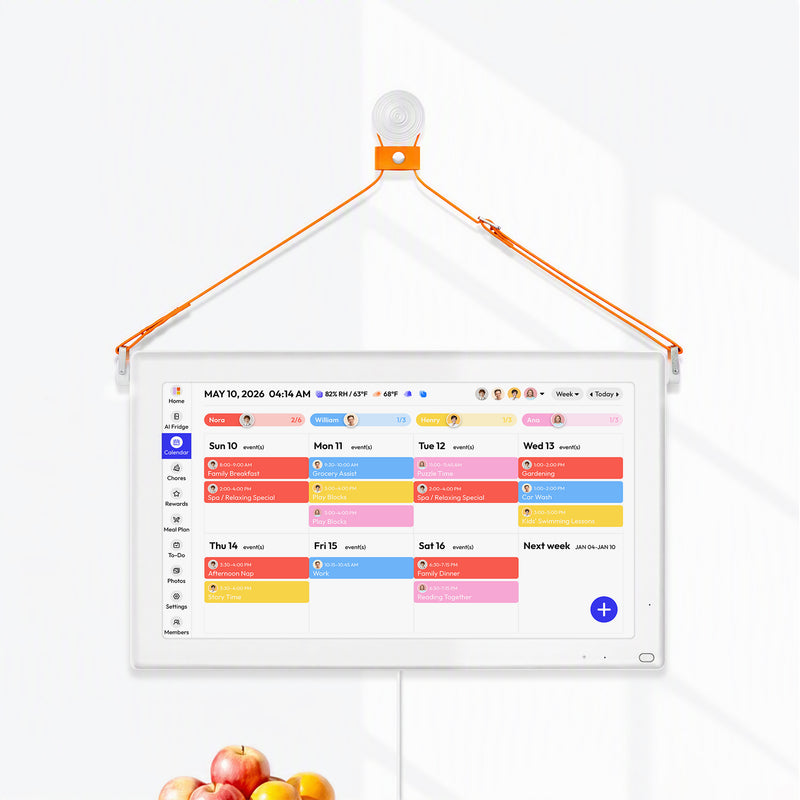
Track actual durations in a “Time Reality List,” then extend repeated underestimates by +2-5 minutes. Treat on-time starts as your success metric, and use a visible household view like a 21.5-inch schedule hub so transitions are shared, not hidden in one person’s app.
Weeks 3-6: Measure and adapt
Run the same setup as a 3-6 week trial so habits can stabilize before you judge the system; intervention findings for adults with ADHD vary by context and follow-up, so one-week snapshots can mislead interventions at work. Track three simple metrics: on-time start rate, number of successful prep transitions, and a daily stress score (1-5).

Do a 10-minute weekly review with keep/change/drop: keep what improved starts, change one friction point, and drop one cue you ignored all week. Students may need class-based anchors, office or shift workers may need commute/handoff anchors, and readers with an ADHD history may need more individualized support, consistent with NICE recommendations.
Practical Next Steps
Pick one analog clock location and one digital calendar flow today, then test this for seven days:
- Set three daily anchors.
- Add two alarms for every fixed-time commitment.
- Use one visual timer for all focus blocks.
- Add 2-5 minute transition buffers.
- Review one missed transition nightly without self-criticism.
Evidence strength: systematic review, systematic review of reviews, and clinical guideline recommendations; day-to-day implementation details are practical consensus.
When timing slips happen, respond with curiosity, not shame. Reviews of adult ADHD supports show mixed outcomes across settings, so an observe-adjust-repeat loop is usually more realistic than expecting perfect consistency immediately.
Important Note
The insights and strategies shared here are intended for support and educational purposes only. They do not constitute professional medical advice, clinical diagnosis, or psychological treatment. Neurodiversity and complex family dynamics require personalized care; if you or a family member are experiencing significant challenges, please consult with a licensed healthcare professional or a certified counselor to receive support tailored to your specific situation.
When to seek professional help
Seek professional help promptly if any red flag is present: persistent severe lateness that harms work or school performance, sustained emotional distress, a major decline in daily functioning, or any safety risk.
Next steps:
- Contact a primary care clinician or licensed mental health professional for assessment.
- Bring a 2-week symptom-and-timing log (missed starts, transition failures, sleep, stress, and triggers).
- Discuss screening options for ADHD and related conditions that can worsen executive function.
Localizable support options include primary care, community mental health services, employee assistance or student support services, and crisis services. In the U.S., call or text 988 crisis support if suicide warning signs appear, and review adult warning signs.
References
- Time-Perception Deficits in Attention-Deficit/Hyperactivity Disorder: PubMed record (peer-reviewed systematic review and meta-analysis).
- Evaluating the evidence on digital interventions for ADHD: PubMed record (peer-reviewed systematic review of reviews).
- Interventions to support adults with ADHD at work: PubMed record (peer-reviewed systematic review).
- Selfcare strategies in adults with ADHD: PubMed record (peer-reviewed systematic review).
- Clinical implications of time perception in ADHD: PubMed record (peer-reviewed clinical review).
- ADHD diagnosis and management guideline NG87: NICE overview (clinical guideline).
- ADHD diagnosis and management: NICE recommendations (clinical recommendations).
- Suicide warning signs for adults: SAMHSA guidance (national crisis resource).


