




One shared planning hub keeps meals, leftovers, ingredients, and family schedules in the same place so the whole household can act on the same plan.
Ever had a container of leftovers disappear into the back of the fridge, or bought a second bag of onions because nobody remembered the first one was already there? That usually happens when dinner planning, shopping, and calendar checks live in different places. A simple visible system makes the next seven days easier to manage without asking one person to hold everything in their head.
Why Leftovers Keep Getting Lost
A visible family command center moves meal notes, leftovers, and schedules out of one adult’s head and into a spot everyone can check. That matters because dinner planning is not just cooking. It also includes fridge contents, lunch items, preferences, and what should happen to leftovers next.

The real problem is split memory
Dinner gets messy when the family keeps part of the plan on a phone, part on paper, and part in memory. One person might know there is soup in the fridge, another might think lunch is already covered, and a third might still buy more bread on the way home. The result is usually duplicate purchases and food that gets overlooked.
Leftovers are part of the dinner load
Dinner is part of the invisible labor that keeps a household moving, and it spreads across planning, shopping, time management, inventory, cooking, eating, and cleanup. Leftovers are not an afterthought. They are part of the plan for tomorrow’s lunch, the next easy dinner, and the food you already paid for.
What the Shared Hub Should Include
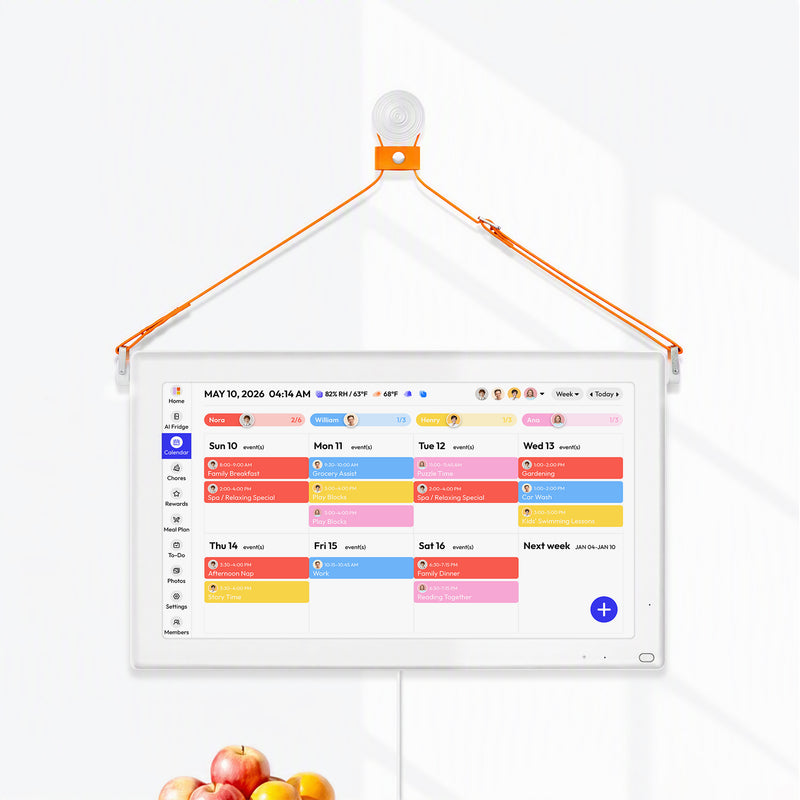
The best family command center usually has three things: one trusted calendar, one home base for papers and reminders, and one visible place for meals, chores, and shopping lists. For leftovers and ingredients, that means one board or page where people can see what is on hand, what must be used soon, and what still needs to be bought.
One master calendar
The calendar should hold school pickup, practice nights, late work, appointments, and anything else that changes dinner timing. If Tuesday runs long, the meal plan should already show a simple backup meal or a leftovers night. That keeps the plan tied to real life instead of wishful thinking.
One kitchen surface
A wall board, fridge whiteboard, or paper pad near the kitchen works because people see it when they are hungry or passing through. The point is not decoration. It is a visible place for the next action: eat this, save that, buy this, or thaw that.

One running food list
Keep a short list divided into three categories: use soon, need next, and already planned. That is usually enough for grocery runs and lunch packing. If the list turns into a long inventory sheet, most families stop using it.
How to Set It Up in a Real Kitchen
Tasks work better when names and statuses are visible; one shared logistics article recommends labels like upcoming, due today, and completed. In a family kitchen, that means every dinner, shopping run, and leftover decision should have an owner. If nobody owns the next step, the step usually stalls.
Choose a home base
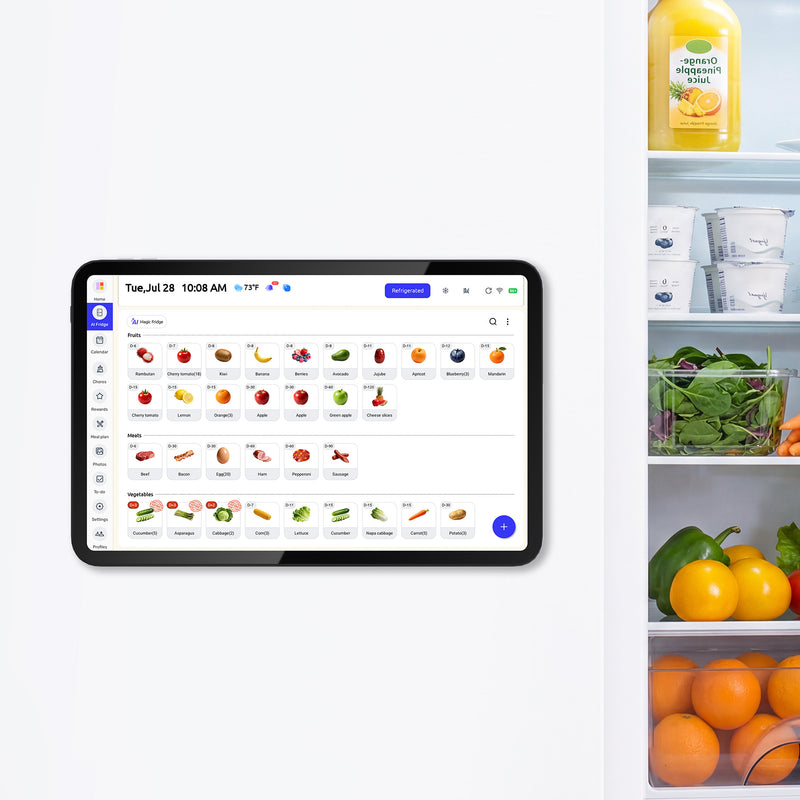
Pick one shared calendar app or one wall calendar and stick with it for two weeks before changing anything. Families usually do better with the tool they actually open than with a fancier one they ignore. The right home base is the one that can be checked fast on the way out the door. If a fridge-door setup works better for freshness tracking and a shared running food list, the Everblog 13.4" FridgeCal Calendar is designed for fridge-door use in the kitchen.
Keep labels simple
Label leftovers with the dish name and one next step: eat tonight, freeze, or pack for lunch. That is enough for most homes. When labels get too detailed, people stop writing them down, and the whole system loses value.
Assign ownership
Use one person per task, not one person per category. One adult can own grocery pickup, another can own leftover labels, and a child can put lunch containers in the right bin after dinner. Shared planning works better when everyone knows exactly what they are responsible for.

A Weekly Rhythm That People Can Keep
A 15-minute weekly reset is enough for many homes if it has the same order each week: quick review, schedule check, chores, dinner plan, then reminders. That short rhythm is easier to keep than a long planning session, and it fits better between errands, homework, and bedtime.
Use the next seven days
Look at school nights, sports, late meetings, and anything else that changes cooking time. Then mark one leftovers night and one very simple backup meal. You are not planning a perfect menu. You are reducing surprises.
Start smaller if needed
The Mayo Clinic Health System recommends starting with one shared meal a week and keeping it simple. That is the right mindset for a planning hub too. If the system only survives because it is low-stress, it has a much better chance of becoming a habit.
USU Extension also suggests beginning with one or two shared meals per week, planning ahead, and involving the family in preparation. That approach works because it builds consistency before complexity. A small routine that repeats is more useful than a big routine that disappears after a busy week.
What This Changes for Meals and Waste
In a U.S. survey of 889 parents, more frequent family meals were associated with better family functioning, stronger relationship scores, lower stress, higher self-esteem, and more fruit and vegetable intake. The point is not that a shared hub creates those outcomes by itself. The point is that better planning makes shared meals easier to keep.

USU Extension also links regular family meals with better nutrition and healthier routines for children and teens, including more fruits, vegetables, calcium, and iron and less sugary drink and snack intake. A visible hub supports that by making it easier to notice what is already in the kitchen and what can be used before it goes bad.
Less waste, fewer duplicate purchases
When the fridge contents and dinner plan are visible together, families are less likely to buy a second onion, forget the yogurt, or let cooked food go bad behind the milk. That is where the hub pays off in ordinary life. It saves money in small, steady ways.
Better meals without perfect meals
The goal is not a polished menu or a spotless fridge. It is a reliable next dinner, a clearer leftover plan, and fewer surprises when someone asks what is for lunch tomorrow. That is a realistic win for working adults and kids alike.
FAQ
Q: Do we need an app or can this be paper?
A: Start with the system people will actually check. A wall calendar and whiteboard work well if they live in a high-traffic spot, and a shared app works well if everyone already keeps phones nearby.
Q: What should go on the leftovers list?
A: Only items that need a decision: use tonight, freeze, send for lunch, or toss if it is too old. If everything gets listed, the list becomes clutter instead of help.
Q: How often should we update the hub?
A: Once a week is the minimum, but a two-minute fridge check before grocery shopping helps. If the family misses updates often, put the board where it is seen during breakfast or cleanup.
Practical Next Steps
- Choose one shared calendar and one kitchen board.
- Add the next seven days of dinners, school events, and pickups.
- Create one leftovers zone in the fridge and label each container.
- Mark anything already planned to be used soon.
- Hold a 15-minute weekly reset at the same time each week.
- Review after two weeks and remove anything nobody uses.
The best home planning system is the one that stays visible and easy enough for tired people to use. Start with one hub, one leftovers zone, and one short weekly reset, and let the system earn its place in the kitchen.


