






A visible family calendar can lower mental load quickly because it moves planning out of one parent’s head and into a shared place everyone can see. When schedules, meals, chores, and school details live in one visible system, fewer things depend on repeated reminders.
If you are the one who remembers picture day, the dentist form, the snack sign-up, and what is for dinner, the problem is not that you need to “try harder.” Many families are running on invisible memory, and about two-thirds of working parents report burnout from juggling work, kids, and errands. A visible calendar and command center can make that hidden tracking work easier to share.
Why One Parent Becomes the Backup Brain
Invisible work grows in the gaps
The household “mental load” is not just putting appointments on a calendar. It is also remembering what happens before and after each event: the cleats that need to go in the car, the permission slip that has to be signed, the grocery run before a class party, and the text to confirm who is handling pickup.

That is why one parent often becomes the backup brain for the whole house. The calendar may exist, but the real system still lives in one person’s memory. They are the one translating dates into action, then checking whether anyone else noticed.
A single, reliable family command center helps because it makes the planning job visible, not just the events. That matters in a world where 70% of people already use a digital calendar as their primary organizer, and use rises to 75% among adults ages 35 to 44. The issue is often not whether a family has calendars. It is whether everyone can actually see the same plan in time to act on it.
Why Visibility Works Faster Than More Reminders
A shared view beats a private app
A visible home hub plus one simple digital tool often works better than either one alone. A phone calendar is useful when you are out of the house. A visible calendar helps when people are moving through real family life at breakfast, after school, or on the way out the door.
That visibility matters because household planning is full of handoffs. One parent may add the pediatrician visit. Another has to know they need to leave work by 2:30 PM. A child needs to see that Wednesday is library day. A grandparent helping with pickup needs the same information without a chain of texts.
A high-traffic command center works because it meets people where family life already happens. Kitchen entrances, mudrooms, main entries, and hallways tend to work better than a tucked-away office wall. Many families do well with a setup that fits on a 3- to 4-foot wall, because it is large enough to be useful without becoming another overwhelming project.

What to Make Visible So the System Actually Helps
Events are only the start
A shared family calendar can prevent conflicts and reduce stress, but events alone are not enough. The families who get relief usually make the support tasks visible too: who is driving, what needs to be packed, what dinner plan works with that night’s schedule, and what form or payment is due before the event happens.
That is why a stronger setup includes more than monthly appointments. A practical home system often has one family calendar, one weekly meal plan, one grocery list method, one capture point for papers and receipts, and one launch zone for keys and bags. When those pieces live together, the house stops asking one person to connect all the dots alone.
A simple visual system with a paper calendar and whiteboard can work very well if it stays easy to read and easy to update. One common pattern is to treat shared phone calendars as the master schedule, then copy the important items onto a visible family board so children, partners, and caregivers can see the week at a glance.
Chores need ownership, not just listing
A chore system works better when tasks are concrete and fully owned. “Clean up after dinner” is vague. “Clear table, load dishwasher, wipe counters, and start the machine” is easier to follow and easier to hand off.
This also reduces the quiet management work that often falls back on the default parent. If one partner “helps with laundry” but the other still notices the empty detergent, checks sports uniforms, and remembers that school spirit day needs the blue shirt washed, the mental load never really moved.
How to Build a System People Will Actually Use
Keep the setup small and obvious
A family command center works best when it is visible and maintainable. Start smaller than you think you need. One calendar, one meal area, one paper drop zone, and one list area is enough to begin. If a setup takes too much effort to update, one parent will quietly become the unpaid system admin.
A good first version is usually hybrid. Use one shared digital calendar for anything time-sensitive, then pair it with one visible wall surface for the week’s reality: dinners, school papers, rides, reminders, and urgent to-dos. This covers both on-the-go access and at-home visibility.
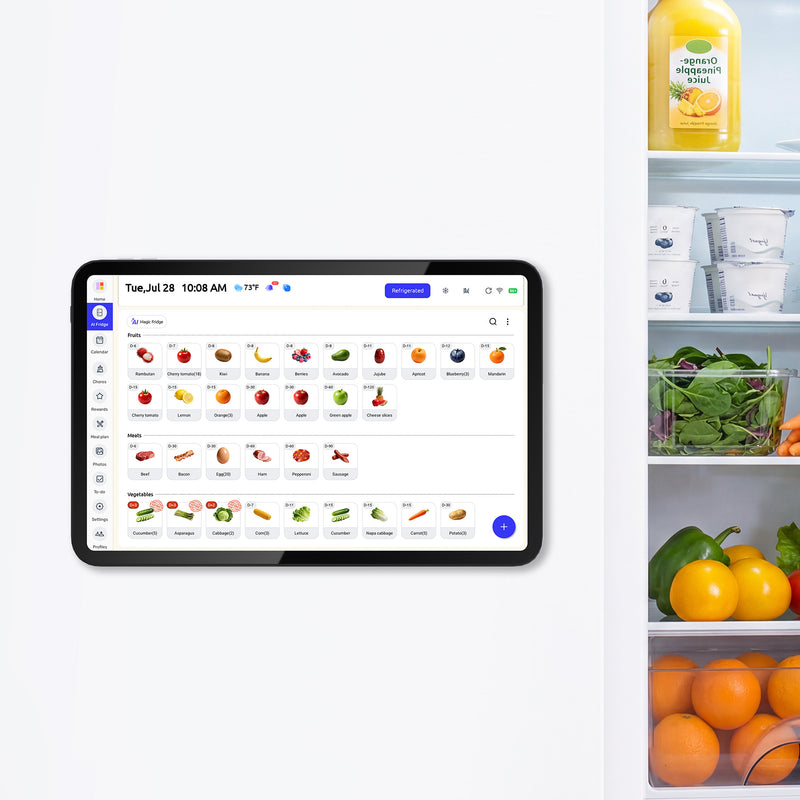
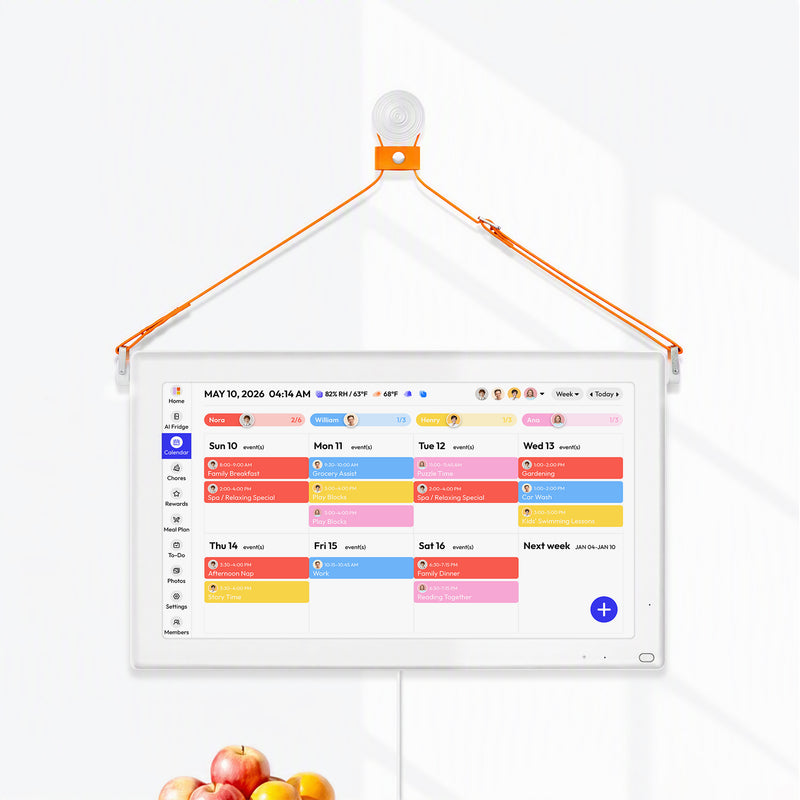
The best format depends on household needs. Dedicated wall displays are strong for at-a-glance visibility and family engagement. A wall-mounted shared calendar screen like the Everblog 21.5" Digital Calendar can help families keep plans, tasks, chores, and events visible on one screen. Mobile calendars are better when everyone is often away from home. A hybrid setup is often the easiest way to reduce friction without asking the family to change everything at once.
Use rules that lower update friction
A shared family calendar on signed-in devices helps only if updates happen right away. The rule should be simple: if it is real, it goes on the calendar immediately. No waiting to “remember later.”
Color-coding also helps because it reduces the work of decoding the week. One color for each family member and one shared family color is usually enough. Recurring events, reminder alarms, and a quick daily glance after dinner make the system easier to trust.
A 2- to 3-week parallel switch is a smart way to avoid dropped details when you are changing systems. Keep the old method running while the new one settles in. That overlap period matters more than people think, especially during school sports, medical appointments, or holiday-heavy months.
When Executive Function Is Part of the Problem
Make the next action easier to see
A visual family system can help when the real problem is not motivation but follow-through. Executive function is a plain-language way to describe the brain skills used to start tasks, switch tasks, remember steps, and keep track of what happens next. Lots of adults and kids struggle with those skills sometimes, especially when life is busy.
That does not mean a calendar “treats” anything. It means visible supports can reduce how much the family has to hold in working memory. A posted dinner plan answers “what’s next” without another question. A visible pickup note reduces last-minute panic. A chore card with the full task spelled out lowers the odds of half-done work.

A short weekly planning session and a one-minute daily check-in often help more than adding more apps. If your household tends to forget, avoid systems that require lots of taps, tabs, or separate logins. What may help most is one place to look, one place to add things, and one repeatable time to review them.
Practical Next Steps
A visible shared schedule lowers stress when it is tied to real household behavior, not just good intentions. The fastest win is usually to stop asking one parent to carry the week alone and start making the week visible where family life already happens.
Use this checklist to build a simple version first:
- Pick one high-traffic location, such as the kitchen entrance, mudroom, or main hallway.
- Choose one master calendar that syncs across the adults’ devices.
- Add one visible weekly view for the household: wall display, whiteboard, or large paper calendar.
- Make five things visible: events, meals, chores, papers that need action, and leave-the-house items.
- Give each child 3 to 5 core tasks in week one, with the full task spelled out.
- Hold one short weekly planning session and one 1-minute daily check-in.
- Run the old and new systems side by side for 2 to 3 weeks before fully switching.
If the system still feels heavy, simplify before you add features. The goal is not a perfect family dashboard. The goal is that fewer things live in one person’s head.
FAQ
Q: Does a visible family calendar need to be digital to work well?
A: No. A paper calendar or whiteboard can work very well if everyone sees it and someone updates it consistently. Digital tools help with remote access, syncing, and reminders. Many families do best with a hybrid system: digital for capture and alerts, visible at home for shared awareness.
Q: What if my partner or kids never check the app?
A: That is exactly why visible placement matters. A system near the kitchen, mudroom, or main entry catches people during normal routines. If you depend only on an app that one person opens, the mental load often slides back to the same parent.
Q: What should go on the calendar versus a task list?
A: Put anything time-bound on the calendar: appointments, practices, pickups, school events, bill due dates, and reminders. Put action steps on a task or chore list: pack lunch gear, bring cupcakes, refill medication, unload dishwasher, or buy poster board. The key is linking the two so the family can see both the event and the work around it.
Disclaimer
This article is for household planning education only. It is not a substitute for mental health care, medical advice, legal advice, or crisis support. If safety, custody orders, or a diagnosed condition are involved, work with the appropriate licensed professional.
References
- The Best Digital Calendar for Families A Complete Guide
- Choose the Right Chore Chart for Meals & Schedules
- The 10 Easiest Family Command Centers to Get Organized
- 5 Tips to Save Hours Weekly Through Smarter Family Planning
- Create a Family Calendar System
- Stay in Sync: The Power of a Family Calendar for Stress-Free Living
- Use a family calendar on a platform
- New Digital Family Calendar App from a company Takes Aim at the Mental Load
- a platform


