




A home planning system breaks down when the plan lives in one person’s head, phone, or notebook instead of in a place the household can actually see. Shared calendars, chore lists, and meal plans only help when the right people can notice them at the moment they need to act.
If you are still answering “What time is practice?” while making dinner, your system is probably hidden rather than shared. Busy families usually get better results from setups that support quick glances, cleaner handoffs, and fewer reminder texts. The goal here is simple: help you choose the right spot, show the right information, and keep the whole system useful without turning a wall into clutter.
Why a Hidden Plan Creates More Work
The problem is not only chores
The biggest reason a home planning system fails is invisible labor. The work is not just washing dishes or driving to soccer. It is noticing the empty lunch supplies, remembering the library book, checking the school email, deciding what is for dinner, and following up when nobody else does it.

A system also breaks down when planning and scheduling stay invisible. One person becomes the household search engine. Everyone else asks, waits, forgets, or guesses. That is when missed handoffs, duplicate errands, and “I thought you were doing it” start piling up.
Even couples who think the split is fair can still leave one person carrying the mental tracking. The University of Wisconsin summary of Allison Daminger’s work describes cognitive labor as anticipating needs, identifying options, making decisions, and monitoring progress. If one adult still has to remind, check, and rescue the system, the plan is not really shared.
What Visibility Changes in Daily Family Life
Shared view, faster decisions
A single shared calendar reduces stress because everyone knows where to look for school events, work shifts, practices, appointments, and pickup details. That matters more than people expect. The issue is often not a lack of planning. It is that the plan is scattered across texts, paper slips, private apps, and memory.
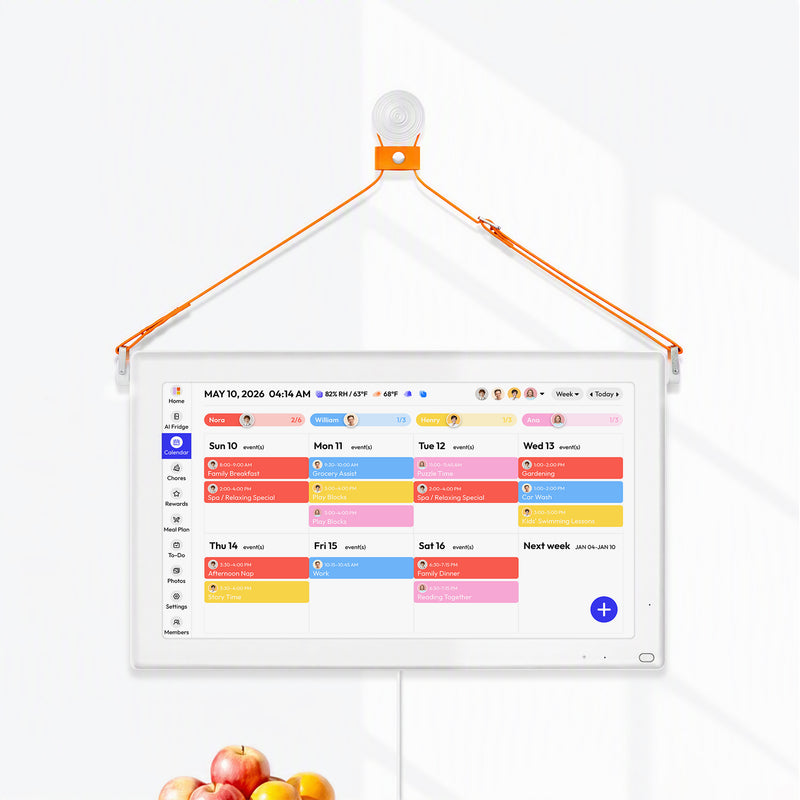
A visible and shared family calendar turns private intentions into public cues. When dinner, chores, and tomorrow’s first commitment are easy to glance at, fewer tasks depend on one adult doing reminder duty. That is especially useful during the most chaotic windows of the day, like breakfast, after school, and the hour before bed.

The same principle helps children. A planning system works better when kids can see what is coming and hear it talked through in simple terms. A second grader may not check a phone app, but that child can notice “library day,” “pizza night,” or “pack cleats” on a board near the breakfast table.
Where the System Should Live
Sightlines beat square footage
A family command center works best where the family already gathers. In real homes, that usually means near the kitchen, mudroom, garage entry, hallway, pantry path, or coat area. The best location is not the prettiest wall. It is the wall people already pass several times a day.
Think about sightlines and traffic flow before you hang anything. Stand where people pause naturally: by the coffee maker, near the backpack drop zone, or on the route from the garage to the kitchen. If the calendar is around a corner, blocked by an open door, or hidden in a home office, most of the household will not use it. If a screen or board sits in a tight walkway, people will avoid stopping to read it.
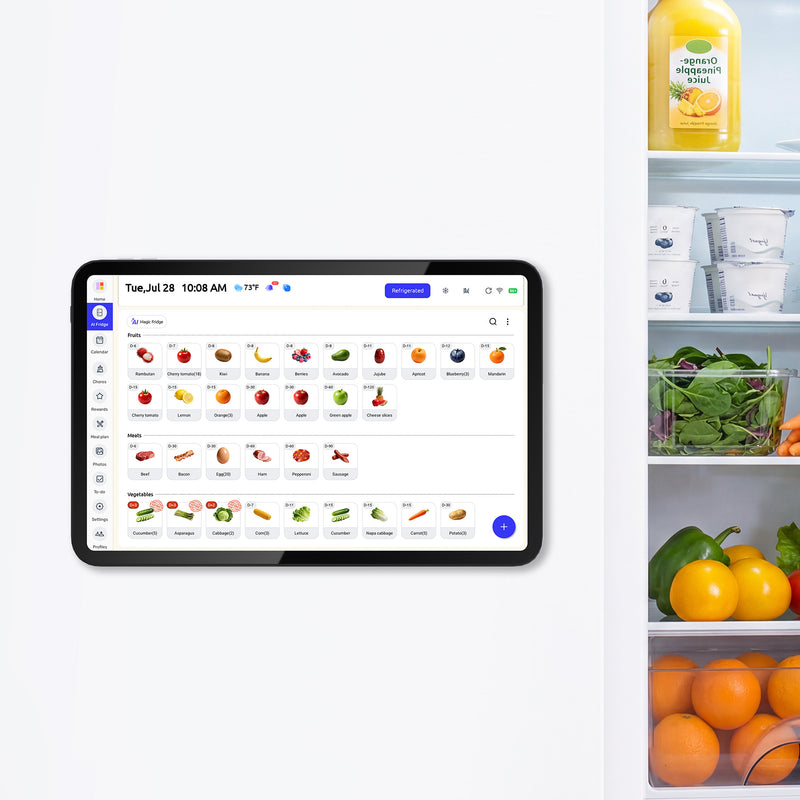
Wall height matters too. Mount the main board low enough for a quick adult glance and, if you want children to use it, low enough that they can read their own section without being lifted. If you choose a digital display, check for nearby outlets first. A wall-mounted option such as the Everblog digital calendar can fit this kind of setup because its large touch display is designed for wall mounting and helps families view plans, tasks, chores, and events on one screen. Avoid strong window glare, and keep the screen away from direct stove splatter or the messy side of the sink where kitchen mess will make it annoying to touch and clean.

Small spaces still work
A small-space command center can live on the side of a fridge, inside a cabinet door, above a short stretch of counter, or beside an entry coat rack. Renters do not need a full wall. A narrow vertical strip with a monthly calendar, one paper pocket, and two hooks can still solve forgotten forms and last-minute scrambles.
The simplest rule is practical: put the system where it helps the morning go better. If your household has to be out the door by 7:45 AM, the useful location is the one that catches backpacks, lunch plans, and the day’s schedule before shoes go on.
What Should Stay Visible and What Should Stay Tucked Away
Show the next action, not every paper
A useful command center gives schedules, papers, lists, and daily tasks one clear home. The visible part should answer a few questions fast: What is happening today? What needs to go out the door? What is for dinner? What needs action this week?
That does not mean pinning every school sheet to the wall. Too much paper makes a planning zone unreadable. Keep the visible layer small: the shared calendar, this week’s meal plan, a short chore list or routines list, and one “action needed” pocket for forms, bills, or items to sign. Archive the rest in a drawer, file box, or labeled folder nearby.
A system stays usable when items can be seen and reached without moving other things. That is why vertical stacks, papers hidden behind each other, and overloaded baskets stop working. Use shallow bins, one label per category, and clear limits on what belongs there. If the calendar wall starts acting like a storage wall, the planning part disappears.
Digital works best when it is truly shared
A digital system is only visible if more than one person can access and update it. The built-in family calendar on a platform lets family members see and edit shared events across signed-in devices, which is a good fit for families who already use that platform’s calendar.
Some households want more than events. Tools such as a platform or another platform can combine calendars, lists, recipes, and to-dos in one place. That can help if your biggest problem is not just schedule visibility but also grocery lists, meal planning, and recurring chores. Still, the same rule applies: if only one adult updates it, the system is not shared no matter how good the app is.
How to Make the System Work for Real Families
Reduce reminders, not just reassign chores
Visible planning matters even more when follow-through is uneven. In homes where ADHD affects household chores, conflict often comes less from the chore itself and more from the reminders, resentment, and unfinished handoffs around it. A visible system cannot solve everything, but it can reduce dependence on memory and repeated verbal prompting.
Ownership helps. If one person owns dinner dishes and dishwasher unloading every night, that is clearer than “help more in the kitchen.” If the meal plan is posted, trash day is on the family calendar, and school return items have one labeled spot, fewer tasks depend on another adult translating vague intentions into action. The less the system relies on someone else noticing for you, the stronger it gets.

A weekly review keeps the plan from going stale. The best family calendars are not just mounted; they are checked, updated, and used in short monthly and weekly conversations. This does not need to be a long meeting. Ten minutes on Sunday night is enough to confirm rides, meals, forms, and any change to the week.
Build a Visible System Without Building a Giant Project
Start with the bottleneck
The easiest setup process is to choose a location, decide what your family needs, and plan the layout before mounting anything. Start with the problem that causes the most friction. For one home, that is missed practices. For another, it is dinner confusion. For another, it is school papers dying on the counter.
Most systems fail because they are too complex or inconvenient to maintain. A smaller setup that people actually use will beat a perfect-looking wall that becomes background after two weeks. Start with one visible calendar, one action pocket, and one meal or chore area. Add only what earns its space.
Action checklist
- Choose one wall or narrow zone along a path your family already walks every day.
- Check sightlines, traffic flow, glare, and nearby outlets before you commit to the spot.
- Keep the visible layer to four things: calendar, meal plan, action-needed papers, and a short task or routine list.
- Store loose papers in one labeled pocket or bin instead of stacking them behind the calendar.
- Give each family member a color or clearly marked area so they can find their part fast.
- Review the system once a week and remove anything that no longer needs to be seen.
FAQ
Q: Should the planning zone go in the kitchen or by the entry?
A: Put it where people naturally pause and can actually read it. In many homes that is near the kitchen or garage entry, but the better answer is the spot with better sightlines, less glare, and enough room to stop without blocking traffic.
Q: Is paper or digital better for a family planning system?
A: Neither wins on its own. Paper is great for glanceability, while digital is better for updates and alerts. Many families do best with a hybrid: a visible home board for the household view and a shared app for edits, reminders, and on-the-go access.
Q: How do I keep the system from turning into wall clutter?
A: Limit what stays visible to information that drives action this week. If a paper does not affect today, tomorrow, or a near-term deadline, file it elsewhere. The planning zone should help decisions at a glance, not become long-term storage.
Final Takeaway
A home planning system does not fail because families are lazy or disorganized. It usually fails because the plan is hidden. When schedules, meals, chores, and action items are visible in the right place, the work is easier to share and easier to follow through on.
If you change only one thing, move the plan into the household’s line of sight. A modest setup in the right spot will do more for missed tasks, mental load, and daily calm than a bigger system no one sees.


