

ADHD fridge disorganization is a working memory problem, not a willpower problem. When food leaves direct view, it fades from active memory, and no amount of determination changes that pattern. The five physical strategies and weekly digital routine below address visibility and decision load directly, helping reduce food waste even on imperfect weeks.
Why People with ADHD Struggle to Keep the Fridge Organized

Standard fridge advice assumes reliable working memory and the ability to start tasks without friction. Both are often harder for ADHD brains, which explains why typical organization systems tend to collapse within the first two weeks.
Out of Sight, Out of Mind: The Core ADHD Challenge
ADHD affects working memory, the brain's capacity to hold and use information in real time. When a container of leftovers gets pushed behind a milk carton, that food fades from active memory entirely. Without something visible as a prompt, nothing triggers the next step. Clear containers, open shelves, and eye-level placement address this directly by making contents obvious at a glance.
Executive Dysfunction and the Forgotten Leftovers
Executive dysfunction, the difficulty starting or switching tasks that commonly accompanies ADHD, makes the 5 PM dinner decision feel physically draining after a full day of choices. Leftovers lack the bright packaging of new groceries, so they blend into the background. Without a clear next step or a visible prompt, starting the task of cooking becomes harder. Pre-planning meals on a shared display can make it easier to start cooking.
What Behavioral Science Says About Visual Cues and Habit Building
Research on visual activity schedules consistently shows that people with ADHD stay more focused when memory demands are moved out of their heads and into a visible, physical system. Pairing an intended action with a fixed, visible cue improves follow-through more reliably than internal reminders or phone notifications. A display positioned at fridge height acts as that persistent cue without requiring any phone interaction.
5 Practical ADHD Fridge Strategies

Physical fridge organization works best when it stays low-effort and focuses on visibility over perfection. The five strategies below address the core ADHD barriers identified above. Apply them independently or together.
Strategy 1: Make Everything Visible at Eye Level
Place perishables and leftovers on the middle shelf at eye level, with nothing stacked in front of them. Clear bins and glass containers eliminate the opaque barrier that makes food fade from active awareness. Grouping items by meal type, such as a breakfast shelf or a lunch kit area, cuts the mental work of spotting what to use next.
Strategy 2: Create Labeled Zones for Your ADHD Brain
High-contrast labels that state an action work better than labels that name a category. "Eat Me First" communicates urgency. "Grab and Go" communicates convenience. Fixed zones give every item a permanent home and lower the effort of putting groceries away, which prevents new items from randomly crowding out older ones. A fixed-zone system also cuts the mental friction that comes from opening a fridge with no clear sense of what is inside.
Strategy 3: The KC Davis Flip
Traditional fridge layout places condiments on the door and produce in the crisper drawers at the bottom. KC Davis, a licensed professional counselor, popularized a reversal of this layout: condiments move to the bottom drawers, and perishables including produce, leftovers, and fresh proteins move to the door shelves. When the fridge opens, the door shelves are immediately accessible and in full view, so items most at risk of expiring get noticed first. Condiments survive in the drawers because you actively seek them by name when you need them.
The trade-off is a slight reduction in crisper humidity for produce, which may shorten shelf life by a day or two. For ADHD fridge organization, that trade-off is worth accepting. Food that gets used is better than food that spoils unseen in a correctly humidified drawer.
Strategy 4: Create an "Eat Me First" Zone
Designate the front section of one middle shelf for anything expiring within two to three days. That zone gets scanned at every fridge visit, reducing the need to check every shelf for near-expiry items. Consolidating near-expiry food into one spot also removes the guilt that comes with discovering spoiled food. Replacing items as they get used keeps the zone active without adding a separate dedicated task.
Strategy 5: Pre-Wash and Pre-Chop on Grocery Day
Raw vegetables in an opaque bag have a low chance of being used during the week. Pre-washed, pre-cut vegetables stored in a clear container at eye level get eaten. This single action on grocery day, done at a set time each week rather than at a random low-energy moment during the evening, can reduce food waste more reliably than adding bins or organizers alone.
What Is a Digital Fridge Calendar and Why Does It Work for ADHD?

Physical organization handles what is already in the fridge. A digital fridge calendar handles the planning that prevents forgotten food and duplicate grocery runs from recurring week after week.
The table below compares how different organizational tools perform on the criteria that matter most for ADHD adults.
| Criterion | Paper List | Phone App | Digital Fridge Calendar |
| Stays visible without prompting | No | No | Yes |
| Shows current inventory | No | Depends | Yes |
| Sends expiration alerts | No | Some | Yes |
| Syncs across family members | No | Yes | Yes |
| Works without picking up a phone | Yes | No | Yes |
For ADHD adults specifically, the "stays visible without prompting" row often has the most practical impact. A screen that stays on without any input holds information in view at the moments when internal reminders tend to fall short.
Always in View, Always on Your Radar
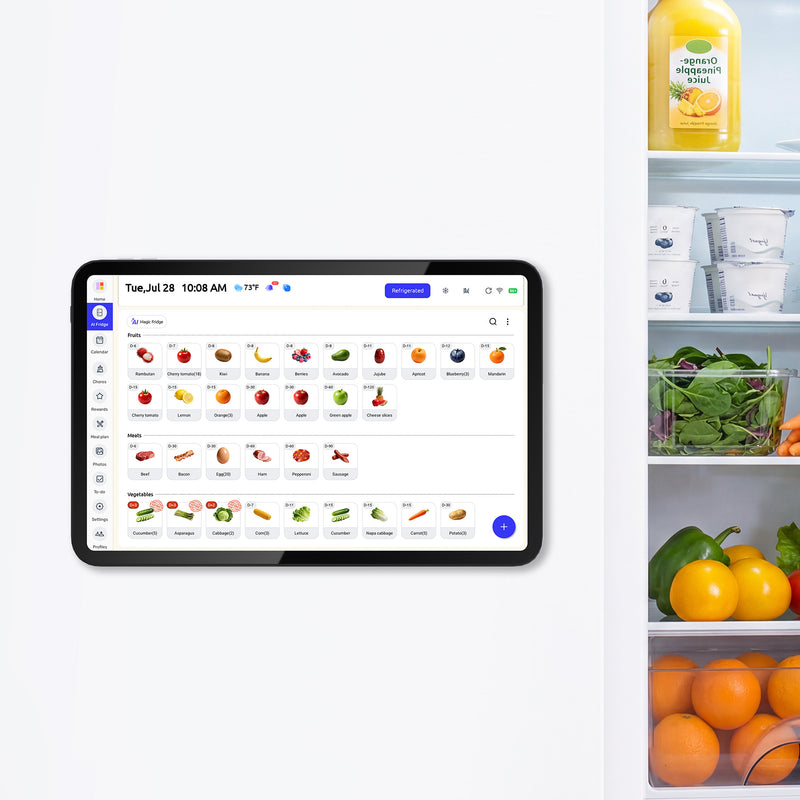
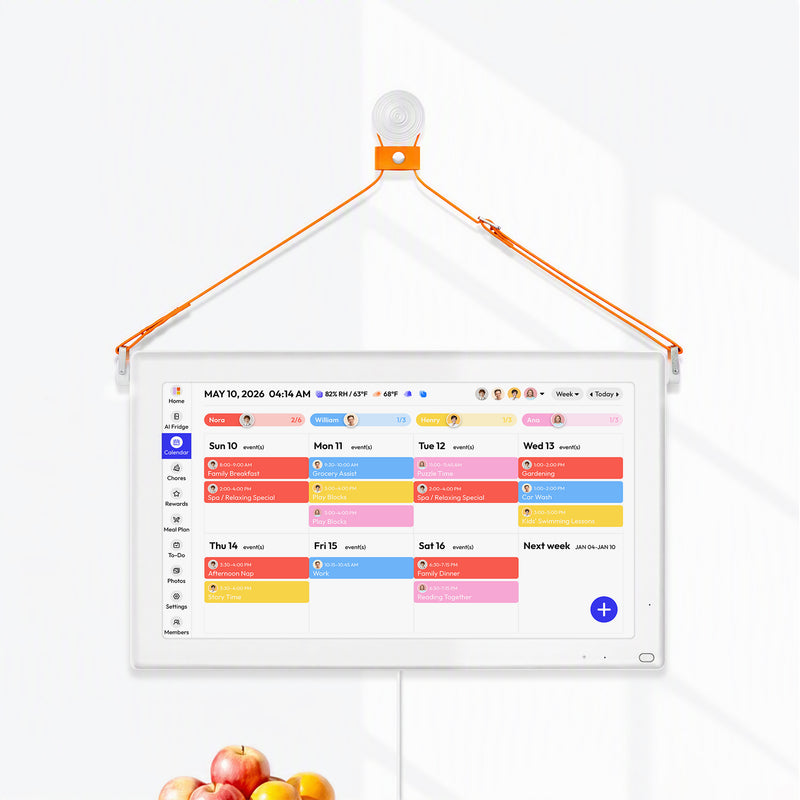
A screen mounted directly on the fridge stays visible at the highest-traffic spot in the home. It does not require unlocking a phone, switching apps, or pulling attention away from the kitchen. Inventory, meal plans, and family schedules appear in one place, so there is no need to jump between separate apps or tools.
How the Meal Planner and Food Tracker Reduce ADHD Decision Fatigue
- Planning meals on a low-stress day, such as Sunday morning, takes pressure off the 5 PM dinner decision.
- A food tracker that shows current inventory lets you plan meals around what is already available, which stops duplicate purchases at the store.
- Expiration alerts shift the response from reactive (throwing out spoiled food) to proactive (using it today).
This visible system handles the memory work that internal reminders often fail to sustain for ADHD adults.
Snap a Photo to Update Your Inventory or Add an Event
The digital calendar includes two photo-based features that lower the manual effort of keeping the system current. The Smart Fridge Manager uses a Snap and Recognition function: photograph the contents of your fridge, and the system identifies ingredients with up to 95% accuracy in our lab testing, then updates your digital inventory automatically.
The companion app also lets you add calendar events by taking a photo. Point the camera at a printed schedule, an invitation, or a school notice, and the app detects the date and relevant text to create a calendar entry instantly, which then syncs to the display.
How to Build an ADHD Fridge Routine with a Digital Fridge Calendar
Consistency with ADHD comes from short habits tied to existing behavior, not from willpower or complex systems. The four steps below build a complete weekly cycle in under ten minutes.
Step 1: Do a Weekly Fridge Reset and Photograph Your Inventory
Choose one low-pressure moment each week. Sunday morning works well when it aligns with grocery shopping. Remove anything spoiled, wipe the shelves, and move near-expiry items to the "Eat Me First" zone. Take one photo of the fridge interior through the app, and the recognition tool updates the digital inventory automatically with no typing required.
Step 2: Plan Your Meals Directly on the Fridge Display
Review the updated inventory and assign specific meals to specific days on the display. Cross-reference the family calendar to account for busy evenings, planned leftovers, and takeout nights. The meal planner can suggest recipes based on current inventory and display step-by-step cooking instructions directly on the screen, removing the separate step of searching for a recipe mid-cook.
Step 3: The Low-Energy Day Fallback
On high-stress or low-energy days, the full reset is not required. The only necessary action is moving anything near expiry to the front of the "Eat Me First" zone. That single step takes under sixty seconds and keeps the system from collapsing during a difficult week. A fridge organization system built for ADHD needs to function on bad days, not only on good ones.
Step 4: Tie Your Reset Day to Grocery Shopping
Pairing the weekly reset with grocery shopping means you rarely need to remember it as a separate task. Complete the reset and photograph the inventory before leaving for the store. The current stock is visible on the display, which helps prevent duplicate purchases and makes building the grocery list faster. The practice of tying a new behavior to an existing one is known as habit stacking, and it tends to produce more consistent follow-through than scheduling the reset as a standalone calendar event.
What Changes After One Month of Using an ADHD Fridge System
The outcomes below typically appear within the first two to four weeks. They result from the combined physical and digital changes described above.
Less Expired Food, Lower Grocery Bills
Expiration alerts and the "Eat Me First" zone reduce the number of items forgotten until they spoil. Knowing the exact inventory before shopping helps stop duplicate purchases at the store. Households that track food costs often notice a measurable reduction in monthly grocery spending within the first month of consistent use.
Fewer Panic Moments of "What's for Dinner Tonight?"
A pre-set weekly meal plan displayed on the fridge reduces the daily dinner decision. Arriving home to a visible plan changes the evening transition from open-ended to settled. Moving meal decisions off the mental checklist typically reduces evening stress for the whole household.
The Whole Household Stays on the Same Page
A shared digital display with color coding shows who is responsible for which tasks at a glance. Shared access to the inventory and meal plan reduces the mental load on the main household organizer. Children and partners can check the display themselves rather than asking what is available or what is planned for dinner.
Organize Your Fridge for ADHD with a Digital Fridge Calendar
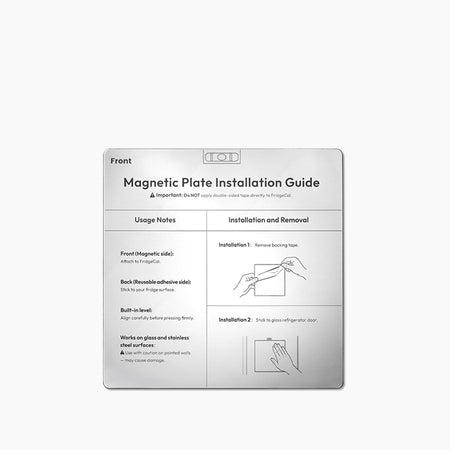
Five physical strategies address visibility, labeled zones, expiration tracking, and grocery-day prep. A weekly digital routine closes the loop between current inventory and meal planning. Together they reduce the mental effort of remembering by offloading it to a visible, physical system. For households looking to reduce food waste and lower the evening decision load, the Everblog FridgeCal™ Calendar offers a magnetic, always-on display that connects inventory tracking, meal planning, and family scheduling in one fridge-mounted screen, with photo-based event and inventory capture currently available on iOS, and no subscription required.
FAQs About ADHD Fridge Organization and Digital Fridge Calendars
Q1. Does a Digital Fridge Calendar Need Wi-Fi to Work?
Yes. Wi-Fi is required for initial setup, syncing with phone calendars, and receiving real-time updates from family members. Most devices support both 2.4 GHz and 5 GHz networks for a stable home connection.
Q2. What Is the Difference Between a Digital Fridge Calendar and a Built-In Smart Fridge Screen?
A smart fridge is a refrigerator appliance with a screen built into the door, requiring a full appliance purchase. A digital fridge calendar is a standalone magnetic display that attaches to any existing fridge, adding scheduling, inventory tracking, and meal planning without replacing the appliance.
Q3. How Long Does a Digital Fridge Calendar Battery Last?
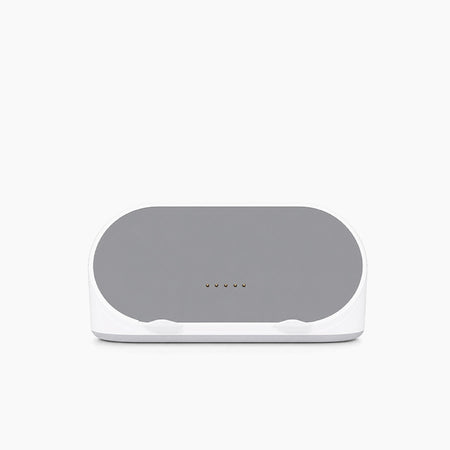
Battery life varies by model and screen usage. Battery life varies by model and usage. With regular daily use, devices with an 8,400 mAh battery typically last 3 to 5 days between charges. Sleep mode automatically reduces power consumption when the screen is not in use, helping preserve battery throughout the week.
Q4. Can a Visual Meal Planner Realistically Help ADHD Adults Eat Better?
Yes. A visible weekly meal plan reduces one of the hardest daily decisions for ADHD adults, which is deciding what to eat at the moment hunger sets in. Research on visual activity schedules shows that fixed, visible environmental prompts improve follow-through more reliably than app notifications or calendar reminders.
Q5. Is a Digital Fridge Calendar Worth It for ADHD Adults?
For ADHD adults specifically, it often is. The persistent on-screen display supplements internal reminders by providing a visible, always-on cue that requires no effort to remember to check. Features like inventory tracking, expiration alerts, and a built-in meal planner help reduce the daily decisions that drain executive function. A one-time purchase with no subscription fee keeps the ongoing cost low.


