

Monday starts with one child asking where their football kit is, another reminding you about a school costume day you forgot, and your phone buzzing with a dentist appointment that clashes with pickup. By 5 p.m., someone still asks what is for dinner, the shopping list is on a scrap of paper in the car, and one parent thinks piano is Tuesday while the other is certain it is Wednesday.
That kind of family chaos is not a character flaw. It is usually a systems problem. Most households are still trying to run modern schedules with a messy mix of memory, text messages, fridge notes, group chats, and half-updated calendars.
That is why tools like cozi family organiser keep coming up in parent circles. Cozi has been around a long time, and by July 2017 it had already passed 20 million registered users, which says a lot about how many families were looking for one place to manage everyday logistics (Cozi’s 20 million members announcement).
The question is not whether Cozi is popular. It is whether it matches how your family communicates when life gets busy.
Is Your Family Schedule Out of Control?
The most common breakdown I see is not a lack of effort. It is too many disconnected tools.
One parent uses the iPhone calendar. Another keeps work events in Outlook. School reminders sit in email. Meal ideas live in a notes app. Chores are handled by shouting down the hallway. Nothing feels wildly broken until the cracks line up on the same day.
A typical Wednesday looks like this:
- Morning confusion: One adult assumes the other is doing drop-off.
- Afternoon scramble: A child has practice, but the location changed in an email nobody entered anywhere.
- Evening overload: Dinner ingredients are missing because the shopping list stayed on paper.
- Bedtime cleanup: You promise to get organised this weekend, then the next week starts the same way.
That is the space Cozi was built for. It aims to replace scattered reminders with one shared system that everybody can check.
What makes this useful in practice is not just the calendar. It is the idea of a single household reference point. If your family keeps asking, “Didn’t I tell you that?” or “I thought you were handling it,” the problem is usually not communication alone. It is the lack of a shared place where plans live after they are mentioned once.
A family organiser only works when it becomes the default place for decisions, not an extra app you update after the fact.
That is where many parents either settle into a rhythm or give up after a week. The software is not the whole answer. The household habit matters just as much.
What Is the Cozi Family Organiser?
Think of cozi family organiser as a digital family command centre. It is not just a calendar app. It is a shared space for the recurring things that create household friction: schedules, lists, meals, and quick reference information.

The core idea
Cozi works best when you treat it like a shared family brain. Instead of one parent carrying all the mental load, the household puts the important details into one app that can be checked from a phone or computer.
Its strongest building blocks are familiar:
- Calendar: A shared, colour-coded family calendar.
- To-Do Lists: Household tasks, errands, and reminders.
- Shopping Lists: A collaborative grocery list that multiple people can update.
- Recipe Box and meal planning tools: Useful for families trying to connect dinner plans to grocery shopping.
- Family Journal: More of a memory-keeping feature than a logistics tool.
If you are comparing different ways to centralise family scheduling, this overview of a digital family calendar is useful because it highlights the broader category, not just one app.
Where Cozi has built trust
Cozi is not new, and that matters. Long-running family apps usually survive because they solve a specific recurring problem well enough for busy households to keep coming back.
Cozi says it is a 3-time Mom’s Choice Award winner, a TODAY Show "must-have app", and has a 4.5-star average on Google Play and the App Store (Cozi homepage). Those signals do not guarantee it is perfect for your home, but they do show it has earned real mainstream trust.
What you get day to day
The free version covers the basics many families need. Shared lists, reminders, and the central calendar are the heart of it.
The paid tier matters more if your household wants a fuller calendar experience or premium convenience features. In practical terms, the free plan is enough to test whether your family will adopt the habit. That is the first hurdle. A premium plan only helps if everyone already uses the system.
For many homes, Cozi is not a fancy productivity tool. It is the place where the week stops falling apart.
How Cozi Fits Your Daily Family Workflows
The value of Cozi shows up in routines, not in setup screens. If it earns a place in your home, it will be because it reduces repeat mistakes.

When scheduling is the main pain point
A shared calendar sounds simple, but in family life simple is valuable. School events, medical appointments, work travel, clubs, birthday parties, and pickups often get missed because they live in separate places.
Cozi’s approach is built around a single shared calendar structure with real-time notifications. According to the referenced technical review, Cozi uses server-side conflict detection and push notifications with sub-800ms median delivery latency, which the same source says reduces shared calendar conflicts by an estimated 68% compared with apps that rely on client-side warnings (technical review of Cozi’s sync and conflict handling).
That matters most in homes where both adults actively add and edit plans. If one parent updates football practice while the other is planning a doctor visit, you want one system deciding what is current.
The biggest win is not fancy organisation. It is fewer “I didn’t see that” moments.
Chores and routine tasks
Cozi also helps with repeating family admin that does not deserve a full conversation every day.
Examples include:
- Weekly chores: Bin night, laundry rotation, pet care.
- School prep: Pack lunch, sign forms, library return days.
- Errands: Pharmacy pickup, birthday gift buying, post office runs.
For families moving away from paper charts, digital lists feel cleaner and easier to update. But there is a catch. A digital chore list only works when people open it. Teenagers with phones often do better with this than younger children who need something visible in the room.
A short product walkthrough helps show how these pieces work together in practice:
Meal planning and shopping
Meal planning and shopping is where many parents save the most stress. Cozi connects meal planning, recipes, and shopping into one workflow.
A realistic use case looks like this:
- Add a few dependable weeknight meals.
- Pull ingredients into the shopping list.
- Let whoever stops at the shop check the same list.
- Avoid the late-afternoon “what are we making” spiral.
It will not turn meal planning into a joy if you already hate meal planning. It does make the process less fragmented.
One source of truth
The phrase sounds corporate, but in a family it means this: everyone checks the same place before making assumptions.
That is where Cozi earns its keep. When it becomes the default record of what is happening, it reduces the small daily negotiations that drain parents more than the actual tasks do.
Who Is Cozi For Practical Pros and Cons
Cozi is not equally good for every household. The same feature can feel helpful in one home and invisible in another.
Families who usually do well with Cozi
Co-parenting or blended households often benefit because visibility matters more than location. When adults are not always in the same home, a shared app can reduce the endless handoff messages.
Families with older kids and teens tend to get more from Cozi because everyone already uses a phone. A software-only system is easier to adopt when each person can check updates directly.
Parents who like systems also tend to stick with it. If you already maintain a calendar, write lists, and think in routines, Cozi gives that effort one home.
Families who often hit friction
The most common failure point is simple. Out of sight becomes out of mind.
If family members do not naturally open apps, the organiser starts depending on one diligent adult again. At that point, the tool can turn into another maintenance job instead of a relief.
Younger children are another weak spot. They may not have their own devices, and even when they do, they often respond better to what they can see at a glance than to a list buried behind notifications.
A real limitation for some neurodivergent households
Cozi includes chore lists and reminders, but motivation is a separate challenge. Its approach is functional rather than game-like.
That gap matters for some families. Cozi’s own neurodivergent-family content discusses routines and reminders, but it does not offer built-in rewards tracking. The referenced source notes that Cozi lacks the gamified rewards trackers highlighted in Child Mind Institute findings, where chore completion rose 35% in neurodiverse kids (Cozi article on neurodivergent kids and routines).
Here is the practical takeaway:
| Family type | Likely fit with Cozi |
|---|---|
| Two busy adults with shared phone habits | Strong fit |
| Co-parents in separate homes | Strong fit |
| Teens managing their own schedules | Strong fit |
| Younger kids who need visual prompts | Mixed fit |
| Neurodivergent kids who respond to rewards and visible cues | Mixed to weak fit |
That is not a criticism of Cozi so much as a reminder that organisation and engagement are different problems. Cozi handles the first better than the second.
Cozi vs Alternatives Choosing Your Family Command Center
Choosing a family organiser is less about which tool has the longest feature list and more about where your household pays attention.
Some families live through their phones. Others need something visible in the kitchen because nobody reliably opens an app before asking the same question again.

The key decision is visibility versus portability
Cozi’s strength is portability. It travels with each family member, which makes it useful for split households, commuting parents, and teens moving between school, activities, and home.
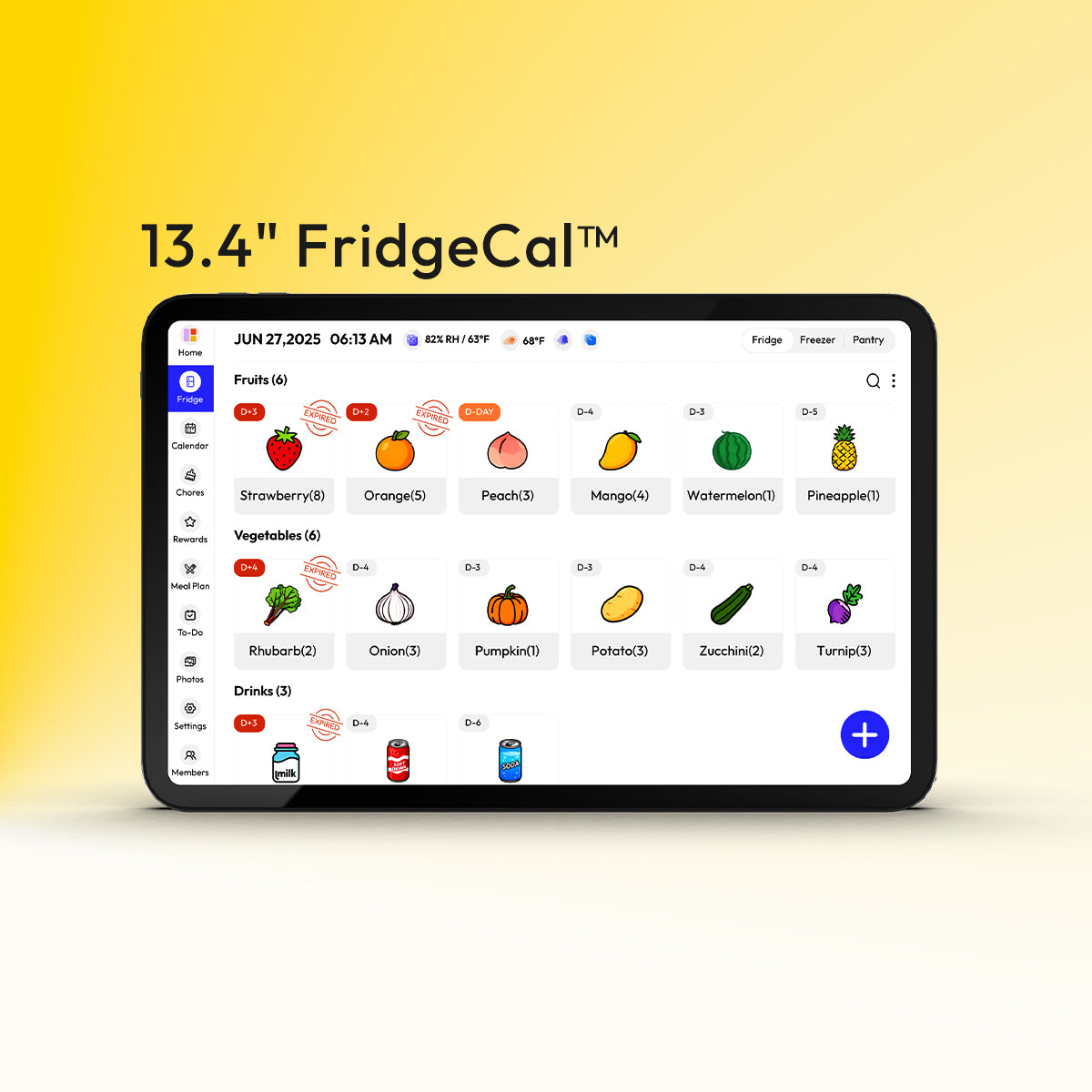
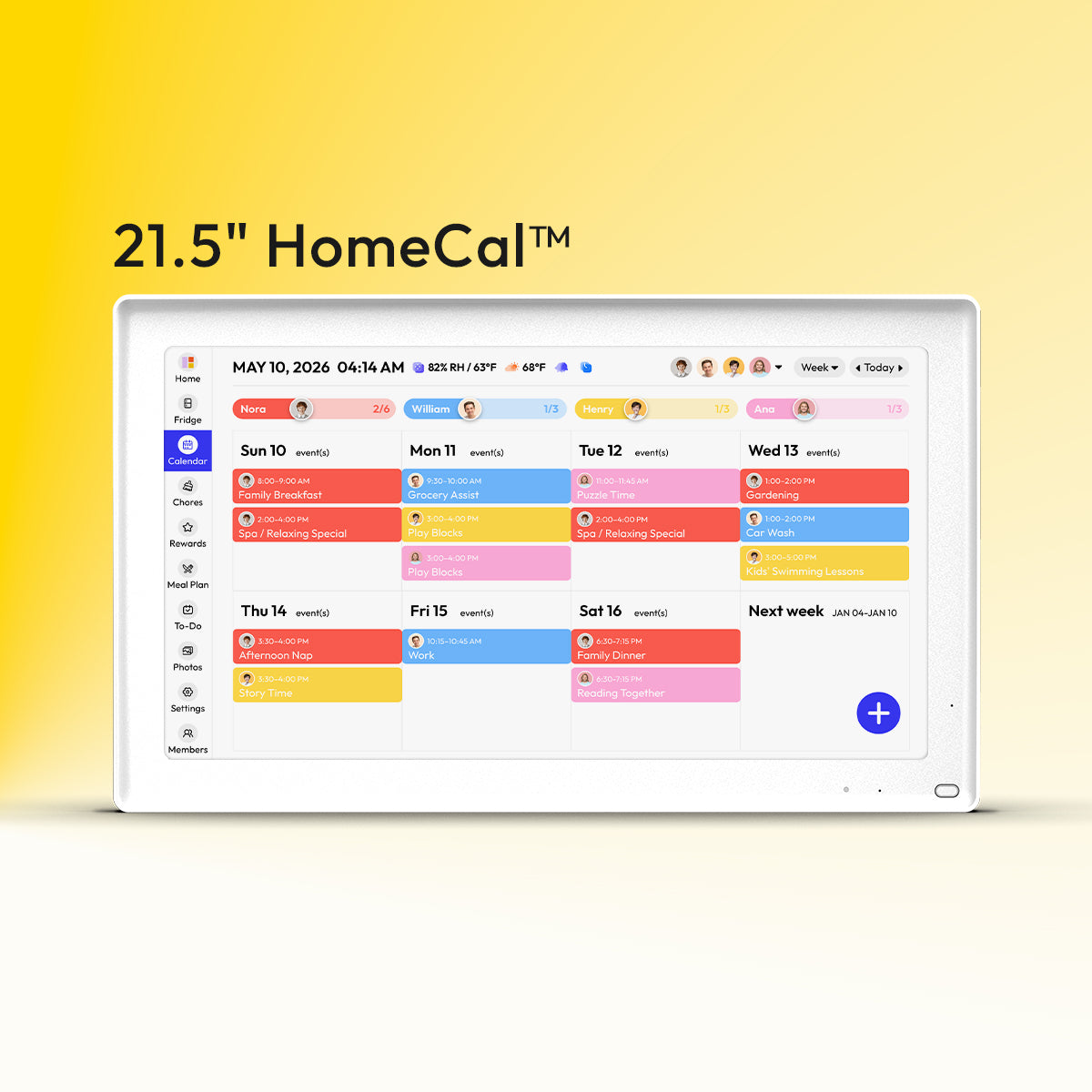
A dedicated wall-based option solves a different problem. It creates a shared visual anchor in the house. That can matter more than portability if your bottleneck is not access, but attention.
Other digital tools sit somewhere in the middle. Some households piece together Google Calendar, a meal app, and a notes app. That can work, but it often recreates the fragmentation families were trying to escape. If you are broadly evaluating booking and scheduling systems in other contexts too, this roundup of Bookwhen alternatives is a useful example of how to compare platforms by workflow rather than marketing language.
Cozi vs Everblog at a Glance
| Criterion | Cozi Family Organiser | Everblog Digital Calendar |
|---|---|---|
| Best for | Families who want a portable shared app | Families who want a visible home hub |
| Primary access point | Phone, tablet, computer | Dedicated household display |
| Household habit required | People need to open the app | People see it while moving through the home |
| Chore engagement style | Functional lists and reminders | More visual, household-facing accountability |
| Fit for young kids | More limited without personal devices | Easier for kids to notice in shared spaces |
| Communication style | Push-based and individual | At-a-glance and communal |
A broader look at the best digital calendar for families is helpful if you are trying to decide whether your family needs software on phones or a visible home display.
What tends to work in real homes
Use Cozi when:
- Your family lives on phones: Notifications get seen and acted on.
- Adults coordinate across locations: School runs, custody transitions, and errands need remote visibility.
- You want one app instead of several: Calendar, shopping, and meal planning stay together.
Look beyond a software-only setup when:
- Children need visual prompts: They respond better to what stays visible.
- One parent carries the full mental load: The app becomes another admin task if nobody else checks it.
- Your home needs a shared focal point: Kitchen-wall visibility can outperform good mobile software.
The best command centre is the one your household will look at before making plans.
That is the whole decision. Not best in theory. Best in the moments when someone asks, “What’s happening after school?”
Getting Started with Cozi Key Tips for Success
Most families do not fail with Cozi because the app is confusing. They fail because they dump everything in at once, skip the household rules, and assume everyone will just use it.
A smoother start is better.
Set up the household before adding every detail
First, create the account and invite the people who need access. Keep the circle tight at the start. Usually that means the adults first, then older kids if they can manage their own schedules.
Agree on a few rules early:
- One colour per person: Do not change this later unless there is a strong reason.
- One naming style for events: “Ella dentist” is clearer than “appointment.”
- One standard for timing: Add travel time mentally if needed, but be consistent about start times.
If your family likes visible routines and chore systems, this guide to digital family calendar setup, chores, and sync tips gives a useful implementation mindset even if you are starting with software.
Import carefully, do not overbuild
A common mistake is trying to recreate your entire life in one sitting. That burns people out.
Start with only these categories:
- School and activity commitments.
- Medical appointments.
- Work-related family-impact events.
- Dinner plan ideas for the week.
- The grocery list.
After that, add chores and repeating reminders.
Build one daily habit
The app needs a ritual. Without one, it drifts.
Good options include:
- Morning glance: Check the day before school and work.
- Evening reset: Review tomorrow after dinner.
- Weekly planning session: Update the coming week on Sunday.
If the family never checks the organiser at the same point in the day, the organiser becomes a storage bin instead of a planning tool.
Keep the agenda useful
Do not enter every tiny thought. Put in information that changes action.
Useful entries include pickup changes, training sessions, appointments, meal plans, and errand lists. Less useful entries are vague intentions that clutter the view and make people stop trusting what matters. Disciplined families get more from Cozi than enthusiastic families; consistency beats complexity.
Frequently Asked Questions about Cozi
Is the free version enough for most families
For many families, yes. The free version is enough to test whether a shared calendar and shared lists will improve daily coordination.
That is the key decision first. If your household does not adopt the habit, paying for premium features will not solve that.
Can Cozi sync with outside calendars
Cozi is designed to function as a central family organiser, and many households use it alongside work and personal calendars. In practice, the main issue is not whether a technical connection exists. It is whether your family can trust one place as the final version of plans.
If external syncing matters to you, test your actual workflow with real events before committing. Imported calendars can be helpful, but they can also create clutter if too much non-family information comes in.
What is the Family Journal for
The Family Journal is the least essential part for many busy households, but some families enjoy it. Think of it as a light digital scrapbook inside the organiser.
It makes more sense for parents who like keeping notes, memories, or snapshots of family life in the same ecosystem. If your main problem is scheduling chaos, you will likely use the calendar and lists far more.
Is Cozi good for kids
That depends on the child’s age and communication style. Teens and older kids with phones can usually use Cozi well enough. Younger children often need information to stay visible in the home, not just available in an app.
Can Cozi reduce mental load
Yes, if the whole family participates. No app removes parenting admin on its own. What it can do is stop one parent from having to repeat the same information in three different places.
The Final Verdict Should Your Family Use Cozi
Cozi family organiser is a strong choice for families who already coordinate life through their phones and want one dependable place for schedules, lists, and meal planning. It is especially useful when multiple adults need shared visibility and nobody wants to juggle separate apps for the basics.
Its limits are just as important as its strengths. A software-only organiser works best when family members reliably check it. If they do not, the app can become one more thing a parent maintains behind the scenes. Younger kids, highly visual households, and families who need more visible accountability may feel that gap quickly.
The smartest choice is not the app with the most features. It is the system that matches your family’s attention patterns. If your household responds well to notifications and mobile access, Cozi is a practical and proven option. If your bigger problem is getting everyone to notice the plan in the first place, a more visible home-based setup may serve you better.
If your family needs more than a phone app, take a look at Everblog. It gives households a shared, at-a-glance digital hub for calendars, chores, meals, and everyday communication, which can be a better fit when visibility matters as much as organisation.


