






Fun family dinners aren’t about gourmet meals or Pinterest-perfect table settings. They’re about turning a daily task into a genuine moment of connection. It’s about blending simple, good food with real conversation and teamwork, creating a ritual that actually strengthens your family.
Reclaiming Dinnertime From Chaos to Connection
Let's be honest. The daily grind of work, school, and a never-ending to-do list can make dinnertime feel less like a cherished ritual and more like a frantic race to the finish line. The pressure to cook something everyone will eat, the negotiations over chores, the rush to clean up… it can drain all the joy out of it.
But what if you could flip that script?

This guide is about making fun family dinners an achievable goal, not just another thing to feel guilty about. It’s about building a simple system that brings a little calm and cooperation back to the table, so these moments can become a reliable, positive part of your week.
The Enduring Power of Family Meals
Even with our lives getting crazier, the tradition of eating together is holding strong. In fact, research tracking over 40 years of data shows that the number of American families eating dinner together has stayed remarkably steady—and has even gone up in recent years.
What’s really encouraging is that these trends in family meal habits are consistent across all income levels. It proves the desire to connect around the table is something we all share.
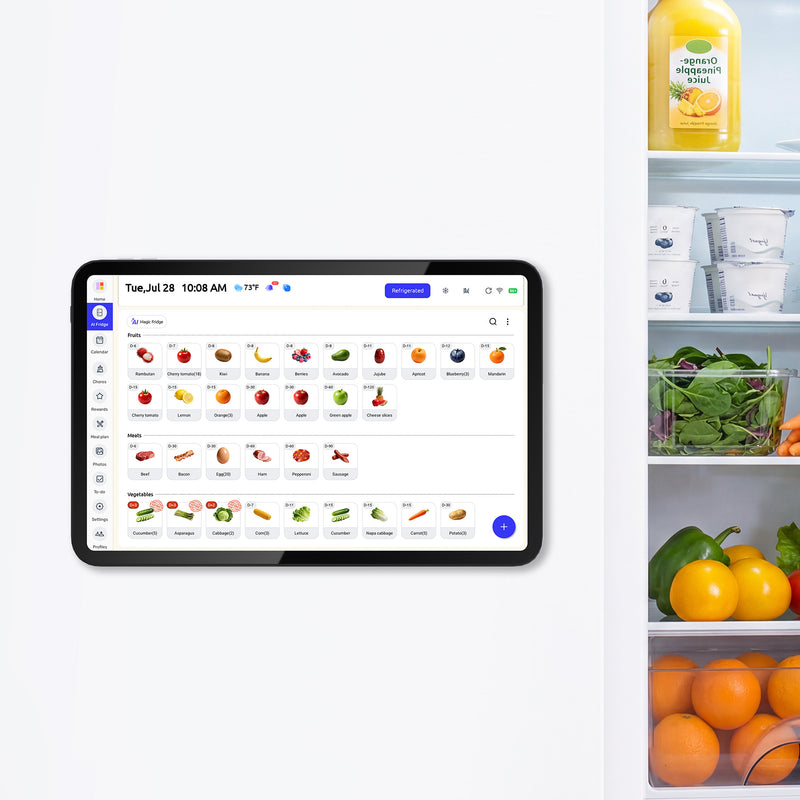
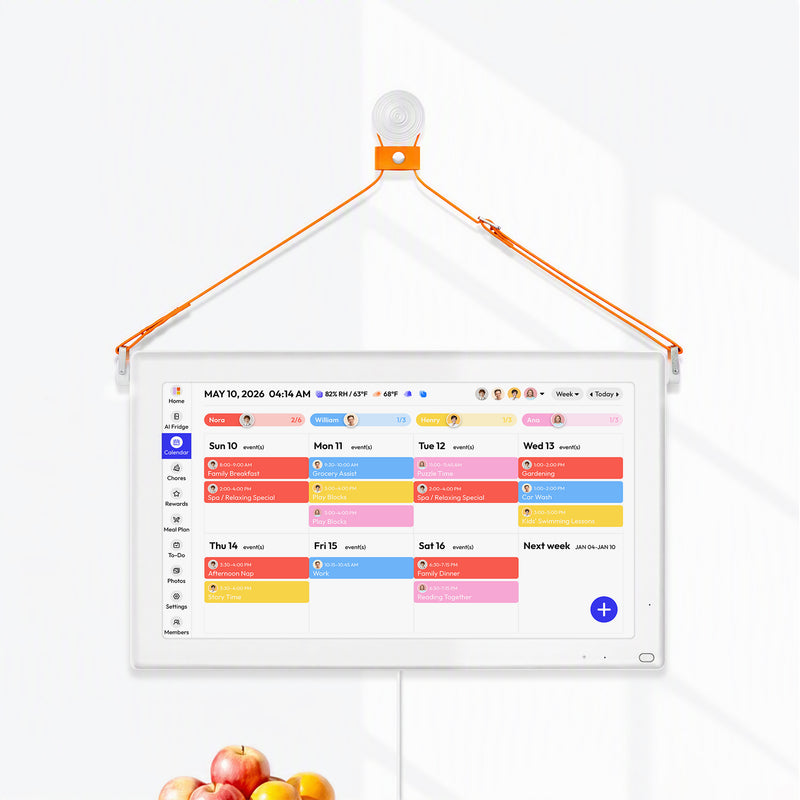
The real magic happens when you shift from last-minute stress to a coordinated plan. A central hub for meals, schedules, and chores transforms the entire experience, paving the way for more laughter and less chaos.
That shift is what makes this whole thing stick. Imagine a week where everyone knows what’s for dinner, who’s helping out, and what fun activity is planned.
A Dinnertime Story We All Know
Picture this: It's 5:30 PM. You’ve just walked through the door, and the first thing you hear is, "What's for dinner?" That question kicks off a frantic dig through the fridge, a debate with the kids over what they’ll actually eat, and finally, an argument over who has to clear the table. Sound familiar? It’s exhausting.
Now, imagine this instead:
- No more guesswork: A quick glance at a central family hub like Everblog shows tonight is "Taco Tuesday." The decision is already made.
- Teamwork is built-in: The chore chart clearly shows one kid is on table-setting duty and the other is helping chop veggies. No nagging required.
- Connection is part of the plan: The meal plan also includes a quick "two truths and a lie" game to play while you eat.
By having a single source of truth for your evening routine, you get rid of that daily friction. This one change has a huge ripple effect, turning a time of day you dread into a moment of connection you all actually look forward to.
Your Secret Weapon: The Weekly Dinner Blueprint
Let’s be honest: a week of genuinely fun family dinners rarely just happens. It’s born from a simple plan. This isn’t about some rigid, color-coded spreadsheet. It's about creating a flexible blueprint that finally puts an end to the nightly "what's for dinner?" scramble.

The trick? Daily themes. This simple idea gives your week a rhythm that kids actually look forward to, and it makes planning a breeze. Instead of staring at a blank calendar, you’re just filling in a fun little detail for that night's theme.
First, Pick Your Themes
This is the fun part. Sit down with the family and let everyone have a say in the themes for the week. Getting the kids involved from the start builds excitement and gets them invested in the meals.
Here is a sample blueprint to get you started.
Sample Weekly Dinner Theme Blueprint
Use this blueprint with themed dinner ideas and corresponding activities to kickstart your own weekly planning.
| Day | Dinner Theme | Quick Meal Idea | Fun Activity |
|---|---|---|---|
| Monday | Meatless Monday | Black Bean Burgers on Brioche Buns | Veggie Taste Test Challenge |
| Tuesday | Taco Tuesday | Build-Your-Own Taco Bar | Make homemade guacamole |
| Wednesday | Wacky Wednesday | Breakfast for Dinner (Pancakes & Bacon) | Wear pajamas to the dinner table |
| Thursday | Global Bites | Chicken & Veggie Skewers | "Travel" with world music |
| Friday | Pizza Night | DIY Mini Pizzas | Family movie night |
This isn't set in stone, of course—mix and match until you find what your family loves. Once you have your themes, plugging them into your Everblog Meal Planner is a five-minute job that sets you up for a week of success.
From Plan to Shopping Cart
Okay, your plan is set. Now, how do you make sure you actually have the ingredients when you need them? A huge point of friction for most families is the dreaded 5 PM store run for one missing item.
A collaborative grocery list changes everything.
As you slot "Sheet Pan Fajitas" into your plan, you can instantly add chicken, bell peppers, onions, and tortillas to your shared family list in Everblog. Throughout the week, anyone can add things as they see them running low. If you're looking for more ways to make this work for your schedule, check out this realistic guide to meal planning for busy families.
My friends Mark and Sarah, who co-parent, swear by this. When Sarah plans "Spaghetti Sunday," Mark sees the ingredients pop up on their shared Everblog list and knows not to buy pasta sauce that week. It’s a simple system that saves them from buying double and keeps both homes perfectly in sync.
That kind of coordination is what turns chaotic evenings into smooth, enjoyable family time. If you need more delicious ideas, we've got plenty of other meal planning ideas for families to inspire you. A good plan means everything is on hand, making cooking feel less like a chore and more like part of the fun.
Mastering Quick and Kid-Approved Meals
So, you’ve made a plan. But then 6 PM on a Tuesday hits, the kids are hungry, and that grand vision for a fun family dinner feels like a distant, impossible dream. Let's be real—the biggest hurdle is finding meals that are fast, healthy, and won't get an immediate "yuck" from your resident food critic.
The whole point of a "fun" dinner is that the food is both easy to make and exciting to eat.

The secret isn’t some complicated culinary technique. It’s having a few go-to, crowd-pleasing recipes in your back pocket that you can get on the table in under 30 minutes. Here are three of our family’s favorites, complete with little tricks to keep everyone, even the pickiest eaters, happy.
One-Pot Creamy Tomato Pasta
This recipe is a true weeknight lifesaver. Why? Because everything, and I mean everything, cooks in a single pot. Yes, even the pasta. It’s all the flavor with a fraction of the cleanup.
Just sauté some garlic in olive oil, then pour in a can of crushed tomatoes, some vegetable broth, and your pasta. Let it all simmer until the pasta is cooked, then turn off the heat and stir in heavy cream (or coconut milk) and a handful of fresh spinach. Done.
Kid-Friendly Twist: Instead of serving one big bowl, deconstruct it. Put the creamy pasta on their plate and offer small bowls of "add-ins" like mini meatballs, shredded mozzarella, and parmesan. Giving them control makes them way more likely to dig in.
Sheet Pan Lemon Herb Chicken & Veggies
Sheet pan dinners are the definition of set-it-and-forget-it. Minimal prep, one pan to wash. That's a win in my book.
For this one, just chop up some chicken and veggies—broccoli, bell peppers, zucchini—and toss them with olive oil, lemon juice, dried herbs, and a little garlic powder.
Spread it all out on a baking sheet and pop it in the oven at 400°F (200°C) for 20-25 minutes. The high heat gets the chicken juicy and gives the veggies those perfect crispy, roasted edges. It's so flexible, too. No broccoli? Use green beans. It always works.
DIY Personal Pizza Bar
Nothing gets my kids more excited for dinner than announcing it's pizza night. But instead of ordering out, we turn it into a DIY pizza bar. It’s an activity and a meal rolled into one.
Set up your counter with the essentials:
- Bases: Mini pizza crusts, naan bread, or English muffins are all great options.
- Sauce: Keep it simple with a basic marinara.
- Toppings: Offer a little buffet of kid-friendly choices. Think shredded cheese, pepperoni, sliced olives, and diced bell peppers.
Everyone gets to build their own creation. Then you just bake them until the cheese is melted and bubbly. Easy.
Kid-Friendly Twist: The whole meal is the twist! But to get them even more invested, give them little jobs. A younger kid can stir the sauce, while an older one can help you arrange the topping bowls. When they help make it, they have so much more pride in eating it. If you're still navigating some very selective tastes, our guide on meal planning for picky eaters has even more strategies.
These meals prove you don't have to sacrifice your sanity for a healthy, fun dinner. By building a few simple, engaging recipes into your weekly rotation, you’ll find yourself with less stress and more time to actually connect around the table.
Making Dinnertime the Best Part of the Day
Let's be honest: the best family dinners aren't really about the food. They're about creating a space where everyone actually wants to hang out, share stories, and just laugh together. The real magic happens when you turn a routine meal into a moment of genuine connection.

The first, and maybe hardest, rule for this transformation? No screens at the table. A recent study from the FMI Foundation found that while most of us associate family meals with connection, only 25% of families have a firm no-electronics rule. Establishing this one boundary is the single most powerful thing you can do to bring the focus back to each other. You can see more data on the state of family meals on FMI.org.
Kickstart the Conversation
So, the phones are away. Now what? You don't need to plan a three-act play for dinner. All you need are a few simple, no-prep games in your back pocket to break the ice and get everyone talking.
Here are a few that are always a hit in my house:
-
Two Roses and a Thorn: This is a classic for a reason. Everyone shares two good things from their day (the roses) and one small challenge (the thorn). It’s a surprisingly effective way to hear what’s really going on in everyone's world.
-
Story Chain: Someone kicks off a story with one sentence—"A grumpy penguin packed his bags for vacation..."—and each person adds the next sentence. It gets weird, it gets hilarious, and it gets everyone's imagination firing.
-
Would You Rather?: The sillier, the better. "Would you rather have a pet dragon or be able to talk to squirrels?" These goofy questions are perfect for getting little ones to open up and just be silly.
For even more inspiration, you can find tons of unforgettable family game night ideas that are easy to adapt for the dinner table.
Using Tech to Connect, Not Distract
While personal screens pull us apart, a shared family hub like Everblog can actually bring everyone together. The Media Hub is brilliant for this.
Before dinner, just upload a few photos from the weekend soccer game or that funny video of the dog you caught last week. Letting a slideshow run quietly in the background becomes a fantastic, low-effort conversation starter.
A picture of your daughter at her dance recital pops up. Suddenly, you're not just eating—you're all reliving the memory, talking about her favorite part, and celebrating her achievement all over again. It’s not a distraction; it's a shared experience.
This is how you use technology to build connection instead of creating distance. It turns your family’s digital memories into a centerpiece, reminding everyone that the best part of dinner is sharing the stories of your lives. And speaking of sharing, getting kids involved in the meal itself is another great tactic—check out our tips for creating a successful kids' cook night.
Getting Everyone Involved Without the Nagging
Let’s be honest, a great family dinner system only works if it’s a team effort—not a one-person show. The real goal is to stop being the family’s project manager and start feeling like a teammate. That means getting everyone to pitch in without the constant, draining reminders.So how do you do it? The secret is making responsibilities clear, visible, and maybe even a little fun. Nagging starts when expectations are fuzzy and nobody feels accountable. A central, shared hub for chores is the perfect way to get rid of that friction for good.
Create Clear and Fair Assignments
Start by divvying up age-appropriate jobs for every part of the meal, from prep to cleanup. This isn't about loading kids with work; it's about giving them a real sense of ownership and contribution. Using a shared display like Everblog makes this incredibly simple, since everyone can see their tasks at a glance.
Your chore list might look something like this:
- Ages 4-6: Setting the table with napkins and silverware.
- Ages 7-9: Helping with simple prep, like washing vegetables or stirring a sauce (with supervision, of course).
- Ages 10+: Taking charge of clearing the table and loading the dishwasher.
When roles are defined and displayed right there on a screen for everyone to see, they just become part of the routine. The system becomes the source of truth—not you. It's a simple shift that cuts down on arguments and empowers kids to take the lead on their own.
Turn Chores into a Game with Rewards
Now for the fun part: making it rewarding. Tying these chores to an outcome kids actually want is a game-changer. This is where a rewards tracker becomes your best friend, turning their participation from a chore into a challenge.
For every task they complete, kids can earn points toward a goal they really care about—like extra screen time on Saturday or picking the movie for family night. Believe me, this kind of positive reinforcement works so much better than nagging ever will.
A chore completed isn’t just a checked box; it's a step toward a goal. This turns "Can you please clear the table?" into "I'm clearing the table to earn points for my new video game!" The motivation becomes internal.
This strategy builds on the powerful connection that family meals already create. Globally, the single biggest predictor of life satisfaction is how often people share meals with others. With Gallup data showing that 53% of U.S. families with kids already eat together most nights, tools like Everblog’s Rewards Tracker and shared Grocery List just amplify this positive effect. They can turn potential solo nights into shared successes and build lasting family bonds. You can read more about the link between shared meals and happiness to see just how big the impact is.
By reframing chores from a point of conflict into a practical lesson on responsibility and teamwork, the whole dinner experience—from prep to cleanup—becomes part of the fun.
Your Biggest Family Dinner Questions, Answered
Even with the best game plan, the reality of family life means things don't always go smoothly. That’s perfectly okay. Instead of aiming for perfection, let's focus on navigating the most common roadblocks that pop up when you’re trying to build a new dinner routine.
Here’s how to troubleshoot the challenges I hear about most often from other parents.
What About the Picky Eaters?
Ah, the classic dinner table dilemma. If you've got a picky eater (or three), you know the struggle is real. My go-to strategy? Deconstructed meals.
Instead of serving up a finished plate, let everyone build their own. For taco night, this looks like setting out bowls of seasoned meat, cheese, lettuce, tortillas, and salsa. Everyone gets to assemble a meal they’ll actually eat, which gives them a sense of control and dramatically cuts down on complaints.
Involving them in the planning is another game-changer. Using your Everblog family hub, let them vote between two parent-approved dinner options for the week. When they feel like they have a say in what's for dinner, they're far more likely to get on board.
In our house, we have a simple “one polite bite” rule. It’s a low-pressure way to encourage trying new things without turning dinner into a battle. I also always make sure to serve a new or disliked food alongside something I know they love. That way, the meal still feels safe and familiar.
But Our Schedule Is Just Too Crazy!
I get it. Some weeks feel like a chaotic sprint from one activity to the next. The secret to making family dinners stick isn't doing it every single night—it’s consistency, not frequency.
Forget the pressure of a perfect seven-day streak. Pull up your shared family calendar and find just two or three nights a week that are reliably less hectic. Maybe it's Tuesday and Thursday, or just Sunday.
Protect those nights. These are your dedicated family dinner times. The real magic comes from the ritual itself, and even a couple of shared meals a week will make a massive difference in feeling more connected. A shared Saturday morning breakfast can work just as well!
How Do I Keep Conversation from Getting Boring (or Turning into a Fight)?
Left to chance, dinner talk can easily fizzle out or devolve into arguments over homework and chores. To keep things positive and engaging, you need a gentle nudge in the right direction.
A simple jar of conversation starters on the table works wonders. Fill it with fun, open-ended questions like, “What was the funniest thing that happened to you today?” or “If you could have any superpower, what would it be and why?”
Another trick I love is using our media hub to display a slideshow of photos from a recent trip or family outing. It’s an instant way to spark shared memories. Ask everyone to share their favorite moment from that day. It also helps to set a few ground rules, like a "no-complaint zone" or a rule that if you bring up a problem, you also have to suggest a solution.
Ready to transform your family's routine and bring more connection to your evenings? Everblog brings your schedules, meals, and chores into one central hub, making fun family dinners an achievable reality. Discover how Everblog can organize your home today.


