



Welcome to your comprehensive guide for creating a functional and inspiring learning environment. Long gone are the days of scattering books across the dining room table and losing track of lesson plans. The right homeschool room setup isn't just about aesthetics; it's the engine that drives an organized, low-stress educational journey for both you and your children. A well-designed space fosters focus, encourages independence, and seamlessly integrates learning with the natural rhythm of family life.
But where do you start? Whether you have a dedicated room, a small corner, or need a solution that adapts to a multi-use area, the challenge is creating a system that truly works. For those designing a homeschool area in a compact space, maximizing every inch is crucial. Exploring smart small office layout ideas can provide excellent inspiration for creating an efficient and functional learning environment.
This article cuts through the noise to provide actionable, creative homeschool room setup ideas designed for real families. We'll explore ten distinct, practical approaches, from building a central 'Command Center' that syncs your entire family's schedule to designing flexible learning zones that cater to different ages and learning styles. Get ready to discover how strategic organization, clever use of space, and modern tools like a digital family calendar can transform your home into the ultimate hub for learning, growth, and connection. Let's build a space that not only supports your curriculum but also enriches your family's daily life.
1. The Command Center Wall Setup
Transform a central wall into the nerve center of your home and homeschool operations. The Command Center Wall setup combines a digital family hub with physical organization tools, creating one visible, accessible location for schedules, assignments, and family communication. This approach is ideal for busy families juggling multiple schedules, as it streamlines planning and reduces mental clutter.
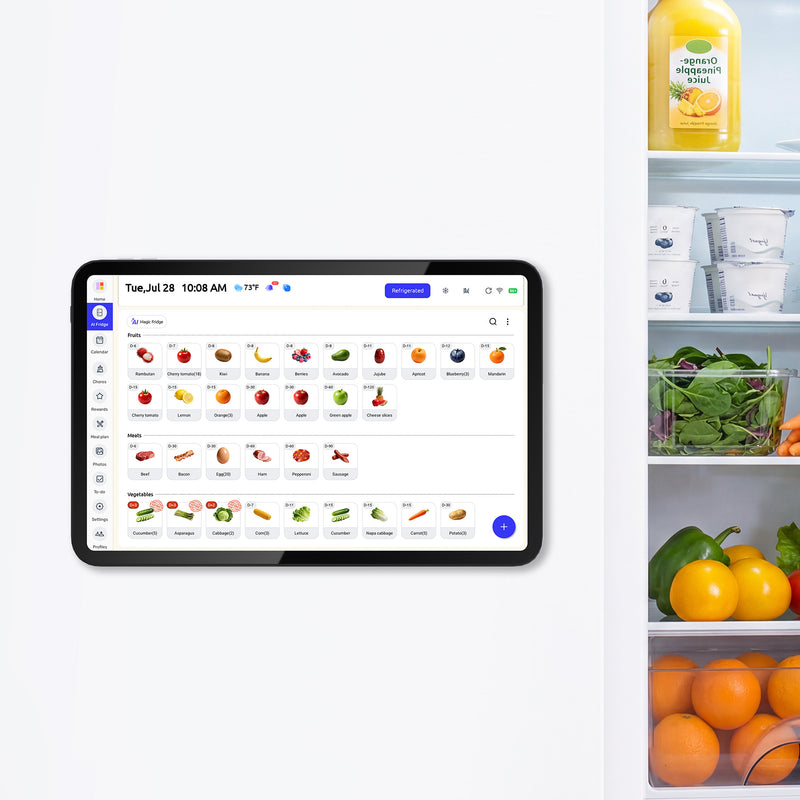
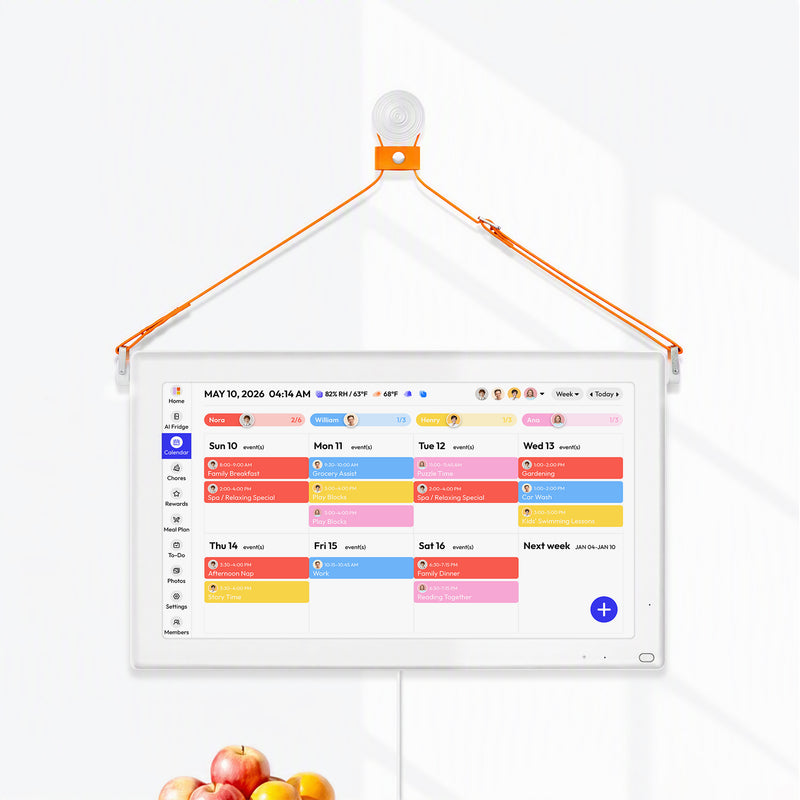
The core of this setup is often a digital display, like a tablet running a family organization app. This serves as a dynamic, up-to-the-minute calendar for appointments, lessons, and extracurriculars. Surrounding this digital heart, you can add analog components that cater to your family’s specific needs.
Implementation Examples
- Kitchen Hub: Mount a digital calendar like Everblog on a kitchen wall. Frame it with cork boards for displaying kids' artwork, a magnetic whiteboard for weekly meal plans, and labeled clips for permission slips or important papers.
- Homeschool Room Focus: In your primary learning space, dedicate a wall to the command center. Integrate the digital schedule with a physical chore chart, a "turn-in" basket for completed assignments, and individual folders for each child's weekly tasks.
- Entryway Organizer: Place the setup near the front door to catch everyone on their way in or out. Combine the digital display with key hooks, a mail sorter, and a small shelf for library books that need to be returned.
Key Insight: The power of a command center lies in its visibility. When the day's structure is always in view, children gain a sense of ownership over their schedules and responsibilities, fostering independence and time management skills.
Actionable Tips
- Placement is Key: Position the command center in a high-traffic area like the kitchen or main hallway. Ensure it's at an accessible height for all family members.
- Establish a Routine: Make checking the command center a part of your daily morning and evening routines. This consistency reinforces its importance.
- Keep it Clutter-Free: The goal is clarity, not chaos. Regularly purge outdated papers and information to keep the space functional and visually appealing.
For more detailed inspiration on creating a hub that works for your unique family dynamics, you can explore these family command center ideas. This method is one of the most effective homeschool room setup ideas for integrating learning into the rhythm of daily family life.
2. The Flexible Learning Zone with Schedule Management
This approach centers your homeschool space around a dynamic, adaptable schedule, creating distinct zones for different activities. Unlike a static classroom with fixed desks, the Flexible Learning Zone uses a central digital display to guide the flow of the day, allowing the physical space to morph based on the subject, learning style, or student's needs. This is one of the most effective homeschool room setup ideas for multi-age families or those practicing student-led learning.
The heart of this setup is a prominent digital schedule, such as one displayed on an Everblog hub, which outlines lessons, activities, and transition times. This visible guide empowers children to understand their daily rhythm and move independently between designated areas for reading, creative projects, or focused desk work. The environment becomes a partner in the learning process, not just a container for it.

Implementation Examples
- Montessori-Inspired Work Cycles: Use a digital display to show the current "work cycle" block. Set up a cozy reading nook with bean bags, a table for hands-on math manipulatives, and a dedicated art station. Children can check the schedule and choose their activity within the allotted time.
- Multi-Age Learning Rotations: Program the schedule with timed rotations. While older students engage in independent study at a desk area, the digital calendar can prompt younger children to move to a floor-based play zone or a sensory table.
- Subject-Specific Zones: Designate corners of your room for different subjects. The schedule might show "9:00 AM - Science Lab" on the digital display, cueing students to gather at the table with experiment kits, followed by "10:00 AM - Quiet Reading" in the book nook.
Key Insight: A flexible zone guided by a visible schedule teaches executive functioning skills like time management and task initiation. When children see the day's plan and physically transition between spaces, they internalize the structure and build confidence in managing their own learning.
Actionable Tips
- Define Your Zones: Clearly separate areas using rugs, low bookshelves, or even different colored tape on the floor. Label each zone (e.g., "Reading Corner," "Creation Station") to reinforce its purpose.
- Use Visual Timers: Integrate countdown timers on your digital display for transitions. This visual cue helps children mentally prepare to switch activities, reducing resistance and improving flow.
- Conduct a Morning Huddle: Start each day by reviewing the digital schedule together. This small routine ensures everyone knows the plan and expectations.
- Involve Kids in Planning: Allow children to have input when you build the weekly schedule. This ownership makes them more invested in following the day's rhythm.
To see how you can structure your day effectively, check out this versatile homeschool daily schedule template. This method transforms your homeschool room into an interactive environment that adapts to your family’s unique educational journey.
3. The Chore Management & Responsibility Board Integration
Integrate household responsibilities directly into your learning environment with a dedicated Chore Management & Responsibility Board. This setup transforms routine tasks into an interactive part of the daily schedule by combining a digital task manager with clear, physical accountability systems. It gamifies responsibility, makes assignments transparent for everyone, and teaches valuable life skills alongside academics.
The system's foundation is a central, visible display that tracks chores. A digital tool, like a tablet running Everblog’s Chore Manager, can automate assignments, track completion, and manage rewards. This digital core is then supported by physical elements, creating a tactile and engaging system that empowers children to take ownership of their contributions to the household.
Implementation Examples
- Gamified Family System: Use a wall-mounted tablet with Everblog’s Chore Manager and Rewards Tracker for weekly task rotations. Complement it with a magnetic board where kids can move a personalized magnet from "To Do" to "Done," providing a satisfying, physical sense of accomplishment.
- Blended Household Harmony: Create a fair and transparent system for multiple children in a blended family. The digital display clearly shows each child’s assigned tasks, preventing confusion and ensuring an equitable division of labor.
- Life Skills Curriculum: In your homeschool room, assign household duties as "practical life" lessons. A chore like "prepare a snack" or "organize the bookshelf" can be listed on the digital board alongside math and reading assignments, framing it as an integral part of their education.
Key Insight: When chores are managed visibly and integrated with the daily learning schedule, they cease to be a source of conflict. This approach reframes household tasks as opportunities for children to build competence, learn responsibility, and understand their vital role within the family unit.
Actionable Tips
- Assign Age-Appropriate Tasks: Ensure chores are matched to each child's ability, with clear, simple instructions for completion.
- Focus on Consistency: Use a rewards tracker to celebrate the habit of completing tasks consistently, not just one-off successes.
- Rotate Responsibilities: Switch chores monthly or quarterly to expose children to a diverse range of skills, from kitchen duties to outdoor work.
- Hold Family Check-ins: Make reviewing the responsibility board a part of a weekly family meeting to discuss what’s working and make adjustments together.
For more creative ways to structure your system, you can find a variety of engaging chore chart ideas for kids. This setup is one of the most practical homeschool room setup ideas for weaving life skills into the fabric of your educational journey.
4. The Meal Planning & Grocery Coordination Hub
Integrate home economics and life skills directly into your homeschool environment with a kitchen-centered hub for meal planning and grocery coordination. This setup transforms the routine tasks of planning meals and shopping into a visible, collaborative family activity. It streamlines meal prep, reduces food waste, and serves as a practical learning tool for children.
The system centers on a shared, accessible meal plan and grocery list. By making these elements a central feature of your kitchen, you create a real-time reference point that simplifies daily decisions and empowers everyone in the family to participate. This approach is one of the most practical homeschool room setup ideas for linking academic learning with essential life management skills.
Implementation Examples
- Digital & Analog Blend: Mount a tablet in the kitchen running Everblog’s Meal Planner and Grocery List. Beside it, place a small magnetic whiteboard for kids to draw or write down snack requests, which can then be added to the digital list.
- Theme Night Board: Dedicate a section of your kitchen wall to a weekly theme night schedule (e.g., Meatless Monday, Taco Tuesday). This simplifies decision-making and gets children excited about upcoming meals, encouraging their involvement in the planning process.
- Interactive Shopping Prep: Involve children by having them check the pantry and refrigerator against the upcoming week's meal plan. They can then take responsibility for adding needed ingredients to the shared family grocery list, making shopping trips more efficient.
Key Insight: A visible meal plan demystifies the daily "what's for dinner?" question. It provides structure and predictability, which can reduce anxiety for children and give them a sense of control and participation in family routines.
Actionable Tips
- Prominent Placement: Display the meal plan and grocery list in a high-traffic area of the kitchen, such as on the refrigerator or a nearby wall, to ensure it’s seen daily.
- Involve the Kids: Ask children to choose one meal per week. This not only gives them ownership but is also an effective strategy to reduce picky eating.
- Update in Real-Time: Create a family habit of adding an item to the grocery list the moment it runs out. This prevents last-minute store runs and ensures you’re always prepared.
5. The Family Memory & Media Wall
Elevate your command center from a purely functional tool to an inspiring focal point of your home. The Family Memory & Media Wall setup integrates organizational features with a dynamic digital display of family photos and videos. This creates an emotionally connected hub that showcases cherished moments alongside schedules and tasks, celebrating your family’s journey while keeping daily life on track.
This approach is perfect for families who want their organizational system to feel less like a chore chart and more like a reflection of their unique identity. By using a digital hub like Everblog's Media Hub, you can seamlessly transition from checking the day's appointments to reliving a favorite vacation or celebrating a recent learning achievement. This blend of function and sentiment makes organization a more positive and engaging experience for everyone.

Implementation Examples
- Learning Achievement Showcase: Dedicate a corner of your homeschool room to a digital display. Use it to showcase photos from field trips, science experiments, and art projects right next to the weekly lesson plan, reinforcing a sense of pride and accomplishment.
- Living Room Centerpiece: Integrate a large smart display or TV in the living room running your media hub. It can cycle through milestone family photos, creating ambient warmth, and can be switched to the daily schedule view during planning sessions.
- Multi-Generational Connection: In a home with grandparents, use the media wall to display a mix of new and old family photos. This becomes a beautiful conversation starter and a way to share family history while managing the household's combined calendar.
Key Insight: Combining memories with management transforms a daily routine into a daily celebration. This approach fosters a positive emotional connection to family organization, motivating everyone to participate and stay engaged with the family’s rhythm and goals.
Actionable Tips
- Update Media Weekly: Keep the display fresh and engaging by setting a specific time each week to upload new photos and videos. This small habit prevents the display from becoming static background noise.
- Involve Everyone: Turn photo selection into a fun family activity. Let each member choose their favorite pictures from the week to add to the slideshow, giving them ownership of the space.
- Create Themed Galleries: Organize photos into themes by month, season, or special events like "Summer Vacation 2024" or "Science Fair Projects." This makes it easy to find and enjoy specific memories.
This is one of the most heartwarming homeschool room setup ideas, as it beautifully merges the practical needs of organization with the emotional core of family life.
6. The Co-Parenting & Blended Family Coordination System
Establish seamless communication and operational harmony with a digital system designed for the unique needs of co-parenting and blended families. This setup uses a shared digital display as a central, transparent hub for custody schedules, activities, and household responsibilities across multiple homes. It is an essential tool for minimizing conflict and confusion by ensuring every caregiver is on the same page.
The foundation of this system is a shared digital calendar or family hub, like Everblog, accessible to all parental figures. This central source of truth provides real-time updates on pickup times, doctor appointments, and school project due dates, creating a consistent environment for the child. It transforms the homeschool room into a neutral ground where planning is visible and collaborative.
Implementation Examples
- Co-Parenting Hub: Divorced co-parents can mount a synced digital calendar in each home. This allows for clear coordination of pickup and drop-off times, shared expenses, and extracurricular activities without constant back-and-forth communication.
- Blended Family Sync: In a blended household, use a shared family hub to sync schedules between stepparents and biological parents. This helps coordinate responsibilities for schoolwork, chores, and family events, fostering a unified team approach.
- Extended Family Support: For families where grandparents or other relatives are involved in childcare, a central digital board clarifies who is handling specific tasks or appointments, ensuring nothing is overlooked.
Key Insight: A shared coordination system shifts the focus from logistical challenges to the child's well-being. When all caregivers operate from a single source of information, it creates stability and predictability, which are crucial for a child's academic and emotional success.
Actionable Tips
- Establish Clear Protocols: Agree on rules for how and when schedule changes are made and communicated through the system. This prevents misunderstandings.
- Color-Code for Clarity: Assign a specific color to each parent, household, or child. This provides an immediate visual cue for who is responsible for what.
- Keep it Child-Focused: All communication and scheduling entries on the shared platform should remain professional and directly related to the children’s needs.
- Schedule Weekly Syncs: Use the system as an agenda for brief weekly check-ins to review the upcoming schedule and address any potential coordination issues.
This approach is one of the most impactful homeschool room setup ideas for modern family structures, ensuring that learning remains the priority, supported by a clear and cooperative parental team.
7. The Morning Routine Visual Launch Pad
Create a streamlined, high-visibility station dedicated to launching your day with calm and clarity. The Morning Routine Visual Launch Pad is designed to guide children through their morning sequence independently, reducing parental prompting and transforming chaotic mornings into smooth, predictable starts. This setup is one of the most effective homeschool room setup ideas for establishing daily rhythms.
It leverages simple visuals, checklists, and timers to break down the morning into manageable steps. By displaying the entire sequence in a central location, you empower children to take ownership of their tasks, from getting dressed and brushing their teeth to preparing for the first lesson of the day.

Implementation Examples
- Digital Routine Display: Use a tablet or digital hub like Everblog to display the morning sequence. You can set visual timers for each task, such as “10 minutes for breakfast” or “5 minutes to get dressed,” providing a clear and dynamic guide.
- Analog Checklist Board: For younger children, create a physical board with picture cards for each step (e.g., a picture of a toothbrush, clothes, a bowl of cereal). They can flip each card over or move a magnet once the task is complete, giving them a tangible sense of accomplishment.
- Entryway Launch Station: Set up the launch pad near the front door or the main learning area. Include hooks for backpacks, a designated spot for shoes, and a simple laminated checklist that can be marked with a dry-erase marker each morning.
Key Insight: The success of a visual launch pad lies in its ability to externalize the executive functions of planning and sequencing. By making the routine visible, you offload the mental work from both parent and child, fostering independence and reducing morning friction.
Actionable Tips
- Keep it Simple: Limit the routine to 5-7 core steps to avoid overwhelming young children. Use clear, simple symbols or pictures for non-readers.
- Placement is Everything: Position the launch pad where your morning routine naturally flows, such as outside the bathroom, in the kitchen, or by the homeschool table.
- Involve Your Kids: Create the routine chart together with your children. When they have a say in the process, they are more likely to be invested in following it.
- Celebrate Success: Acknowledge and praise smooth mornings. Positive reinforcement is a powerful tool for building and maintaining good habits.
8. The Multi-Child Activity & Extracurricular Sync Board
Prevent logistical chaos by creating a dedicated system for tracking multiple children’s activities. The Multi-Child Activity & Extracurricular Sync Board is a comprehensive display designed for families juggling different sports, lessons, clubs, and co-op schedules. It offers complete visibility into who needs to be where, when, and with what, streamlining coordination and preventing overlaps.
At its core, this setup centralizes all extracurricular information in one accessible location. This can be a large physical whiteboard, a dedicated digital display, or a hybrid of both. Using a tool like Everblog allows parents to input and sync schedules from a phone, with the updates appearing in real-time on a wall-mounted tablet in the homeschool room, ensuring everyone is on the same page.
Implementation Examples
- Color-Coded Family Calendar: In a busy hallway, use a digital calendar where each child is assigned a unique color. A three-child family might use blue for soccer practice, green for piano lessons, and yellow for debate club, allowing for at-a-glance understanding of the day's commitments.
- Homeschool Co-op Hub: For families involved in co-ops, a shared digital display can track group projects, field trips, and shared responsibilities. This syncs everyone's personal schedules with the group’s activities, making coordination seamless.
- The "Go-Bag" Station: Complement your digital sync board with a physical station. Place hooks or bins for each child's activity-specific gear (e.g., ballet shoes, soccer cleats, art supplies) directly below the display, making it easy to grab and go.
Key Insight: A dedicated sync board transforms scheduling from a mental burden into a manageable, visual process. It empowers older children to take responsibility for their own commitments and gives parents a clear overview to anticipate conflicts and plan effectively.
Actionable Tips
- Assign Distinct Colors: Use a unique color for each child across all scheduling tools, both digital and physical, for immediate visual recognition.
- Include All Details: Don't just list the activity. Include the location address, start/end times, and any necessary items like uniforms or equipment.
- Review Weekly: Hold a brief family meeting every Sunday to review the upcoming week's sync board. This helps catch potential conflicts and ensures everyone is prepared.
This approach is one of the most vital homeschool room setup ideas for larger families, turning potential scheduling nightmares into a smooth, coordinated operation.
9. The Special Needs & Routine Consistency Hub
Create a supportive learning environment designed around predictability and visual clarity for children with special needs. The Routine Consistency Hub is a system that uses structured visual routines and explicit expectations to help neurodivergent children thrive. This approach provides the stability and clear transitions essential for learners with autism spectrum disorder (ASD), ADHD, or sensory processing challenges.
The heart of this setup is a clear, consistent schedule that externalizes the day’s structure, reducing anxiety and cognitive load. By displaying what is happening now, what is coming next, and when breaks will occur, you empower your child to navigate their day with confidence. A digital display can be particularly effective, allowing for easy updates and the integration of timers or audible cues.
Implementation Examples
- Autism Support Center: Use a digital display to show a visual "first-then" board for tasks (e.g., "First Math, Then Play-Doh"). Pair this with physical bins for each subject, clearly labeled with pictures, so the child can independently retrieve and put away materials.
- ADHD Focus Zone: In a quiet corner, display a simple, digital, block-based schedule that breaks the day into focused work periods and scheduled movement breaks. Incorporate a visual timer on the screen to help the child understand time duration and manage transitions.
- Sensory-Sensitive Space: For a child who needs consistency across caregivers, a shared digital family hub ensures everyone follows the same routines. The visual schedule can include planned sensory breaks in a designated calm-down corner with tools like weighted blankets or noise-canceling headphones.
Key Insight: For many children with special needs, a predictable routine is not just helpful; it is a prerequisite for learning. A visual hub externalizes executive functioning tasks, freeing up mental energy for a child to engage, learn, and feel secure.
Actionable Tips
- Use Clear Visuals: Opt for simple, uncluttered icons or photos over detailed text. The goal is instant recognition, not overwhelming the child with information.
- Signal Transitions: Establish a consistent method for warning about upcoming changes in the schedule, such as a verbal cue or a gentle sound alarm from your digital display.
- Schedule Preferred Activities: Intentionally build sensory breaks, movement, and high-interest activities into the daily routine to provide motivation and regulation.
- Celebrate Effort: Focus praise on the effort of following the routine and attempting tasks, not just on perfect compliance or academic outcomes.
10. The Intentional Family Culture & Values Integration Board
Elevate your organizational hub beyond simple scheduling by creating a board that intentionally weaves your family’s core values, mission, and cultural identity into daily life. This setup transforms a standard command center from a purely functional tool into a meaningful reflection of what your family stands for, reinforcing guiding principles through constant, gentle visibility. It’s perfect for families who want to make character development and cultural heritage a central part of their homeschool room setup ideas.
The core concept is to integrate value-based goals and reminders alongside practical tasks. While a digital calendar like Everblog manages the "what" and "when," the surrounding physical board highlights the "why" and "how" behind your family's actions, creating a powerful link between daily responsibilities and deeper family principles.
Implementation Examples
- Faith-Centered Focus: A family might display a "Verse of the Week" or a "Prayer List" next to their digital calendar. The chore chart could be framed as "Ways We Serve Our Family," connecting daily tasks to spiritual values of service and responsibility.
- Multicultural Heritage Hub: A multicultural household can use the board to highlight cultural holidays, feature an "Ancestor of the Month," or post key phrases in a heritage language. This keeps cultural traditions vibrant and present in everyday learning.
- Kindness and Service Tracker: Alongside Everblog’s rewards system for chores, create a "Jar of Kindness" or a chart tracking collective "Acts of Kindness." This visually celebrates empathy and community service as key family achievements.
Key Insight: When family values are displayed as prominently as the daily schedule, they move from abstract concepts to actionable principles. This integration helps children see how small, everyday choices contribute to building a family culture rooted in shared beliefs.
Actionable Tips
- Co-Create Your Mission: Involve the whole family in a discussion to define your core values and write a family mission statement. Display this statement centrally on the board.
- Establish Value-Based Themes: Create monthly themes that align with specific values, like "Gratitude" in November or "Generosity" in December, and tailor activities and discussions around them.
- Celebrate Character: Acknowledge and celebrate instances where family members live out your shared values just as enthusiastically as you celebrate completing assignments or chores.
Homeschool Room Setup: 10-Point Comparison
| Item | Implementation Complexity 🔄 | Resource Requirements ⚡ | Expected Outcomes ⭐📊 | Ideal Use Cases | Key Advantages ⭐ | Quick Tip 💡 |
|---|---|---|---|---|---|---|
| The Command Center Wall Setup | Medium 🔄 — wall, digital+physical integration | Medium ⚡ — display, boards, setup time, maintenance | High 📊⭐ — centralized scheduling, fewer missed tasks | Busy families; homeschoolers; households needing a single hub | Visibility; accountability; multi-function coordination | Position at eye level; establish a daily check-in |
| The Flexible Learning Zone with Schedule Management | Medium–High 🔄 — zoning + adaptive layout | High ⚡ — floor space, multiple stations, digital display | High 📊⭐ — smoother transitions; supports varied learning styles | Homeschooling; multi-age households; movement-based learners | Flexible structure; reduces transition friction; voice updates | Create distinct zones; use transition timers |
| The Chore Management & Responsibility Board Integration | Low–Medium 🔄 — task categories and reward rules | Low ⚡ — digital chore manager + visible board | Medium–High 📊⭐ — increased accountability; less nagging | Families with multiple children; co-parents; skill-building homes | Gamification; transparent rotation; consistent practice | Assign age-appropriate tasks; rotate chores monthly |
| The Meal Planning & Grocery Coordination Hub | Low–Medium 🔄 — weekly planning routine | Low ⚡ — planner + recipe links + grocery sync | High 📊⭐ — reduced waste; simpler shopping and prep | Busy families managing nutrition and budgets | Saves time; reduces waste; encourages family input | Use theme nights; update grocery list in real time |
| The Family Memory & Media Wall | Low–Medium 🔄 — media curation + schedule integration | Medium ⚡ — display, photo management, privacy controls | Medium 📊⭐ — stronger emotional connection; better buy-in | Emotion-centered and multi-generational families | Strengthens bonding; makes media purposeful; boosts engagement | Update galleries regularly; involve everyone in selection |
| The Co-Parenting & Blended Family Coordination System | Medium 🔄 — privacy, access rules, clear protocols | Low–Medium ⚡ — shared calendars, agreed workflows | High 📊⭐ — reduced miscommunication; consistent routines | Co-parents; blended families; shared custody arrangements | Transparency; reduced conflict; synced custody/hand-offs | Set update protocols; color-code by household |
| The Morning Routine Visual Launch Pad | Low 🔄 — simple checklist and timers | Low ⚡ — small display near entry, visual aids | High 📊⭐ — calmer mornings; fewer forgotten items | Families with school-age kids; busy mornings; homeschool launch | Builds independence; reduces stress; predictable starts | Use symbols for non-readers; place near entryway |
| The Multi-Child Activity & Extracurricular Sync Board | Medium–High 🔄 — complex schedule aggregation | Medium ⚡ — color-coding, frequent updates, clear layout | High 📊⭐ — prevents conflicts; coordinates pickups | Families with multiple children in activities; co-ops | Prevents double-booking; assigns responsibilities; conflict detection | Color-code by child; assign primary and backup adults |
| The Special Needs & Routine Consistency Hub | Medium 🔄 — tailored routines and caregiver alignment | Medium ⚡ — customized visuals, therapist input, consistency | High 📊⭐ — improved predictability; reduced behavioral challenges | Families with neurodivergent/special needs children; multi-caregiver homes | Predictability; smoother transitions; consistent reinforcement | Use simple visuals; include sensory breaks; coordinate with therapists |
| The Intentional Family Culture & Values Integration Board | Medium 🔄 — reflective setup and ongoing refresh | Low–Medium ⚡ — content creation, periodic updates | Medium–High 📊⭐ — stronger family identity and cohesion | Values-driven, faith-centered, multicultural families | Reinforces values; aligns daily choices with purpose | Involve the family in defining values; display mission centrally |
From Ideas to Action: Building Your Ideal Homeschool Hub
We have journeyed through a comprehensive collection of homeschool room setup ideas, exploring everything from foundational layouts for different spaces to the nuanced integration of learning zones, storage solutions, and daily routines. The goal was not just to present a gallery of pretty spaces, but to equip you with a strategic framework for creating an environment that actively supports your family’s unique educational philosophy, lifestyle, and goals. From transforming a small corner into a dynamic learning nook to designing a multi-functional command center, the core principle remains consistent: intentional design fosters intentional learning.
You’ve seen how organizing by subject, creating age-appropriate zones, and implementing smart storage can eliminate daily friction. We've highlighted how a well-designed space does more than just house books and supplies; it becomes a silent partner in your educational journey. It cues your children for focused work, inspires creativity, and builds essential life skills like organization and time management. The power lies in crafting a system that grows with your family, adapting to new curriculums, evolving interests, and the natural rhythm of your home life.
Key Takeaways for Your Homeschool Space
Reflecting on the multitude of ideas, several critical themes emerge as cornerstones of a successful homeschool environment. Mastering these concepts will transition your space from a simple classroom to a holistic hub for family growth and learning.
- Flexibility is Paramount: The most effective homeschool rooms are not rigid replicas of traditional classrooms. They are adaptable, multi-purpose spaces that can shift from a science lab to an art studio to a quiet reading corner with minimal effort. Think modular furniture, mobile storage carts, and vertical wall space.
- Ownership Fosters Engagement: When children have a voice in designing and organizing their learning environment, they develop a profound sense of ownership. Involving them in the setup process, from choosing bin colors to arranging their personal workspace, directly translates to increased engagement and responsibility.
- Systems Over Clutter: A successful setup is less about having the perfect container for everything and more about having a functional system for how things are used, stored, and put away. A clear, visual system for daily schedules, assignments, and supplies reduces your workload and empowers your children to become more independent.
- Visibility Reduces Chaos: The concept of a "family hub" or "command center" is a recurring theme for a reason. Making schedules, meal plans, chore charts, and key information visible to everyone minimizes repetitive questions and keeps the entire family aligned and moving in the same direction.
Your Actionable Next Steps
Feeling inspired but overwhelmed? That’s perfectly normal. The key is to avoid trying to implement everything at once. Instead, approach this as an iterative process of refinement. Here’s a simple, step-by-step plan to turn these homeschool room setup ideas into your reality.
- Assess and Prioritize: Begin by evaluating your current space and identifying the single biggest pain point. Is it supply clutter? The morning routine chaos? A lack of dedicated space for focused work? Address the most pressing issue first.
- Choose One Core Idea: Select one major concept from this article to implement. Perhaps it’s establishing distinct learning zones or creating a centralized command center wall. Focus your energy on executing that one idea completely.
- Involve Your Crew: Host a family meeting to discuss the changes. Gather input from your children about what works for them and what doesn’t. This collaboration not only ensures the final setup is more effective but also makes the process a valuable learning experience in itself.
- Start Small and Iterate: You don’t need a complete overhaul overnight. Start with a single bookshelf, one wall, or a new morning routine board. Live with the change, see how it functions, and then build upon that success.
Ultimately, the perfect homeschool room is not one you find in a magazine; it's the one you build, refine, and live in. It's an environment that reflects your family’s values, supports your children's curiosity, and brings a sense of calm and purpose to your educational journey. You have the vision and the tools; now is the time to build the heart of your home education.
Ready to create the ultimate digital command center for your homeschool? Everblog seamlessly integrates schedules, lessons, and family life onto one beautiful, central display, making it the perfect digital core for any of the physical setups we've discussed. Bring your homeschool room setup ideas to life and create a more connected, organized family hub by exploring Everblog today.


