


Before you even think about buying those cute storage bins, we have to tackle the hardest part first: the purge. This is the most crucial step, and skipping it is the #1 reason organizational systems fail.
First Things First: A Ruthless (But Necessary) Declutter
The journey to an organized homeschool doesn't start with a trip to The Container Store. It starts on your living room floor, surrounded by a mountain of books, half-finished projects, and stray math manipulatives. This isn't just about making space; it's about getting the mental clarity you need to build a system that actually works.
You’re going to have to touch every single book, worksheet, and dried-up marker. It’s overwhelming, I know. The key is to break it down.
Create Your Sorting Piles
Get ready and pull it all out. Yes, all of it. Find a big open space and create distinct piles so you can see what you’re really dealing with. Don’t worry about where it’s all going to live just yet. For now, just sort.
Your piles might look something like this:
- Daily Drivers: The core curriculum books and workbooks you use every single day.
- This Week's Kit: Any supplemental readers, science experiment supplies, or library books you need for the week ahead.
- Reference Shelf: Dictionaries, atlases, and other resources you need to grab occasionally, but not daily.
- Portfolio & Archive: Completed work, tests, and art projects you're required to keep or just can't bear to part with.
Seeing it all laid out like this is an eye-opener. Suddenly, you’ll notice you have 3 different sets of multiplication flashcards or enough half-used notebooks to last another year. You're turning that chaotic "stuff" into a curated library of tools you actually use.
Tackling the "What Ifs" and "Maybes"
Letting go is hard. That expensive curriculum you bought but never used can feel like a monument to what could have been. And your kid’s first lopsided clay pinch pot? It feels priceless.
My Go-To Trick: Grab one "Maybe Box." If you're truly paralyzed over an item, toss it in the box, tape it shut, and write a date six months from today on the lid. If you haven't needed to open it by then, you can let it go, guilt-free.
This little trick gives you permission to move on without the anxiety of making a "wrong" choice. You’re not just tossing things out; you’re making deliberate decisions about what truly serves your homeschool right now. This purge is the foundation for everything else.
Alright, now that you’ve sorted through the piles and decluttered your homeschool supplies, it’s time for the fun part: creating a space that actually invites learning. We're not trying to recreate a stuffy classroom here. The goal is to carve out intentional "learning zones" that flow with the rhythm of your home, no matter how much space you have.
Even in a small apartment, you can create powerful cues for learning. The corner of the kitchen table can be the go-to spot for focused work, while a cozy beanbag with a basket of books instantly becomes a reading nook. Don't underestimate this! These simple zones send a clear, unspoken signal to your kids about what happens where, helping them switch gears from "play time" to "learn time" and back again.
Defining Your Key Zones
Take a moment to think about your homeschool day. What activities anchor your routine? Most families find that having at least three distinct zones makes a huge difference, even if they're just temporary setups you pack away at the end of the day.
-
Main Workspace: This is your mission control for things like math, writing, and any structured lessons. Good lighting and a clear, flat surface are non-negotiable.
-
Reading Nook: A quiet, comfy spot is pure magic for fostering a love of reading. Keep it stocked with a mix of library books, favorite rereads, and your current family read-aloud.
-
Maker Space: Here’s where the magic—and the mess—happens. Designate a spot for art projects, science experiments, and all things hands-on. A surface that’s easy to wipe down is your best friend.
If your learning zones will be part of your kids' bedrooms, it’s worth thinking about how to organize a kid's room to make sure their educational materials and personal belongings can coexist peacefully.
Choosing Smart Storage Solutions
The right storage is what makes these zones truly work. Forget a one-size-fits-all approach; you need solutions that fit your home, your budget, and your actual supplies. For so many homeschool families, a simple rolling cart is a complete game-changer. You can load it up with the day's materials and wheel it from a storage closet to the kitchen table and back, keeping clutter contained.
The real test of any storage system? If your kids can use it on their own. When your child can grab their math workbook and put it away without asking for help, you know you've created a system that works.
Modular cube organizers are another fantastic option, especially because they can grow with your kids. That little 2x2 cube unit that’s perfect for a preschooler’s picture books can easily be expanded as their curriculum gets more complex. You can find more great homeschool room setup ideas that blend organization with real-life living.
Choosing the right storage can feel overwhelming, so here’s a quick comparison to help you figure out what might work best for your space and stuff.
Homeschool Storage Solutions Comparison
| Storage Solution | Best For | Pros | Cons |
|---|---|---|---|
| Rolling Carts | Mobile, daily-use supplies for different areas of the house. | Highly portable, keeps current materials accessible, small footprint. | Limited capacity, can get cluttered easily if not maintained. |
| Cube Organizers | Versatile storage for books, bins, and a mix of materials. | Modular and expandable, highly customizable with fabric bins. | Can look messy without bins, may require wall anchoring for safety. |
| Bookshelves | Storing a large collection of books and curriculum binders. | Displays items clearly, encourages browsing, high capacity. | Can collect dust, not ideal for small, loose items. |
| Clear Plastic Bins | Archiving past work, storing unit study materials, or bulk craft supplies. | Stackable, protects contents, easy to see what’s inside. | Can become a "junk drawer" if not labeled, lids can be cumbersome. |
Ultimately, the best choice depends on what you need to store and where. Many families use a combination of these to create a system that’s just right.
The infographic below is a great reminder of why we sort before we buy storage. It’s a simple process, but it’s the foundation of an organized space.

This visual really drives home the point: a successful storage system starts with knowing exactly what you have. This step alone will save you from buying a bunch of containers for things you don't even need.
Creating a Simple and Effective Indexing System

Any organization system is only as good as your ability to actually find things. This is where a clear indexing strategy comes in—it’s the brain of your entire setup, turning a chaotic pile of bins and folders into a library you can search in seconds.
We’re going beyond just slapping a label on a box. We're creating a system that speaks your family's language, so you always know which bin holds the 4th-grade science experiments or where you stashed this month's history printables. The whole point is to finally put an end to that frantic "Where did I put that?" search that eats up so much precious teaching time.
The Magic of Color-Coding and a Master Binder
One of the simplest and most powerful tricks I’ve learned is color-coding. You just assign a specific color to each child or subject, and suddenly, everything becomes visually distinct. For example, all of my daughter's math materials might go in red folders and binders, while my son's language arts supplies live in blue ones.
This visual shortcut is a game-changer for you and your kids. It makes cleanup almost automatic—everyone knows the red workbook goes back on the red shelf.
To tie it all together, I highly recommend creating a Master Curriculum Binder. This isn't where you keep all the worksheets. Instead, it holds all the information. Think of it as your command center. Inside, you can have a simple table of contents that lists things like:
- Which curriculum is stored in which bin.
- The location of all corresponding digital files.
- A master list of science supplies and exactly where to find them.
This binder becomes your single source of truth, the master key to everything you’ve so carefully organized.
Why This System Is a Lifesaver
Back in 1999, homeschooling was a different world, with only about 850,000 U.S. students learning at home. By 2026, that number is expected to explode to somewhere between 3.1 and 3.7 million.
Interestingly, surveys show that 77% of these families have been at it for less than five years. That means most of us are relatively new to juggling piles of curricula and supplies. In fact, a lack of organization can lead to wasting up to 50% of your school time just hunting for materials. You can dive deeper into these homeschooling trends over at NHERI.org.
An indexing system isn't just about being tidy; it's about reclaiming your time. Every minute you save looking for a worksheet is another minute you can spend truly engaged with your child.
Creating a clear, easy-to-use index is how you learn to organize homeschool materials for the long haul. It’s what transforms your space from a simple storage unit into an efficient, active learning environment that works for you, not against you.
Taming Your Digital Homeschool Resources
We all know what physical clutter looks like, but digital clutter? It’s a whole different kind of chaos. That folder of downloaded PDFs, the endless bookmarks for educational videos, the jumble of lesson plans—it’s easy to feel like you're drowning in digital files. Getting your computer organized isn't just a nice-to-have anymore; it's a sanity-saver for your school day.
The secret isn’t some complicated, expensive software. It’s a ridiculously simple folder structure that you can set up in minutes. Whether you’re a fan of Google Drive, Dropbox, or just old-school folders on your desktop, the logic is the same. It all starts with one main "Homeschool" folder.
A Simple and Scalable Folder Structure
First things first, inside that main folder, make new folders for each School Year (e.g., “2024-2025,” “2025-2026”). This simple step is a game-changer. It automatically archives everything from last year, keeping your current workspace clean and focused.
Now, go into the current year’s folder and create subfolders for each Subject—Math, History, Science, you get the idea. If you’re juggling multiple kids, you have two great options: either create folders for each child within the subject folder or just add their initial to the end of the filename.
A consistent naming system is what makes this whole thing work. Here’s the formula I swear by:
[Subject]_[LessonTopic]_[Child'sInitial].pdf
For example, a file might look like this: Math_FractionsWorksheet_A.pdf or History_AncientEgyptMap_B.pdf.
It might feel a little basic, but that’s the beauty of it. This simple habit saves you from the frantic search for that one file you vaguely remember saving as "worksheet.pdf" three months ago. We've all been there.
Your digital files should be as easy to find as a book on a shelf. The goal is to grab any resource you need in three clicks or less, freeing up your time and mental energy for what actually matters: teaching.
This need for efficiency is becoming more critical than ever. The number of homeschooled children in the UK, for instance, shot up to 97,600 by summer 2023. Poland saw an incredible 400% increase since 2019. With research showing that around 60% of homeschooling parents point to scheduling as a major struggle, you can see how losing hours to find a misplaced file adds up. You can read more about these global education trends at Eduww.net. By building a clean digital filing system, you're directly tackling one of the biggest hidden time-wasters in homeschooling.
Building a Central Family Command Center
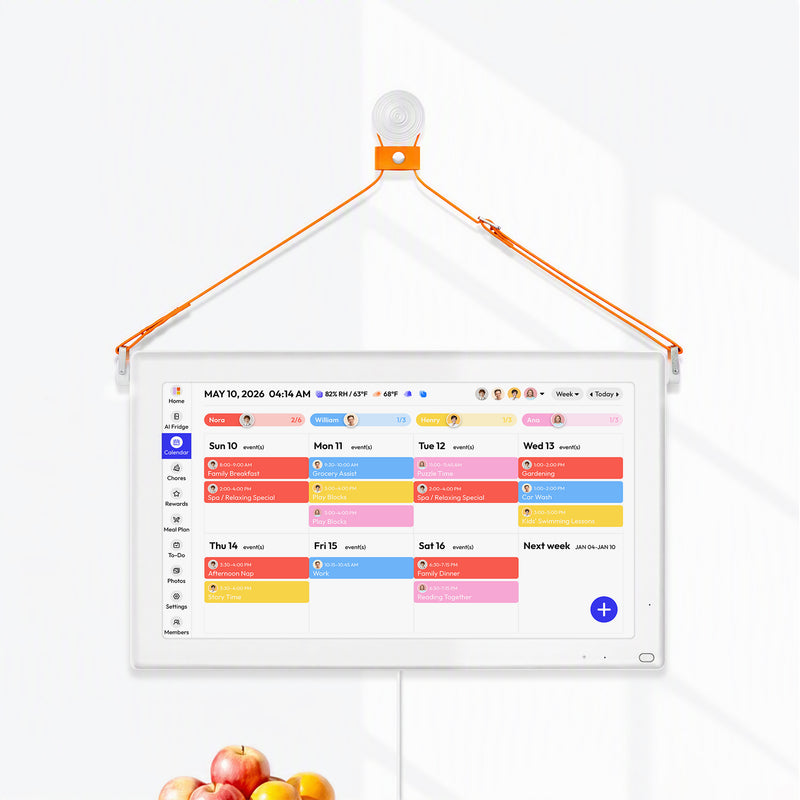
All your perfectly sorted bins and labeled folders are a great start, but they can't live on an island. To really make your homeschool run smoothly, your system needs to plug into the rest of your family’s life. That means school schedules, dentist appointments, and weekly chores all need to land in one central, easy-to-glance-at hub.
Think of it as the mission control for your entire home. It’s the one spot where your color-coded school subjects meet soccer practice and meal plans. This single view saves you from constantly juggling different calendars and to-do lists just to figure out what's happening on any given Tuesday.
Synchronizing School and Home Life
The real magic happens when your organizational rules become a living, breathing part of your day. This is where a shared family calendar becomes your best friend. You can block out dedicated time for math, reading, and science experiments, making the structure of the school day visible to everyone.
Suddenly, your days have a predictable rhythm. When the kids can see the plan for themselves, it cuts down on the constant "what are we doing next?" questions. It creates a flow that helps everyone—parents and kids included—feel more in control and a lot less stressed.
The true power of a command center is its ability to blend homeschool duties with family responsibilities. When school tasks and household chores live in the same visual space, it reinforces the idea that everyone is part of a team working toward the same goals—a calm and orderly home.
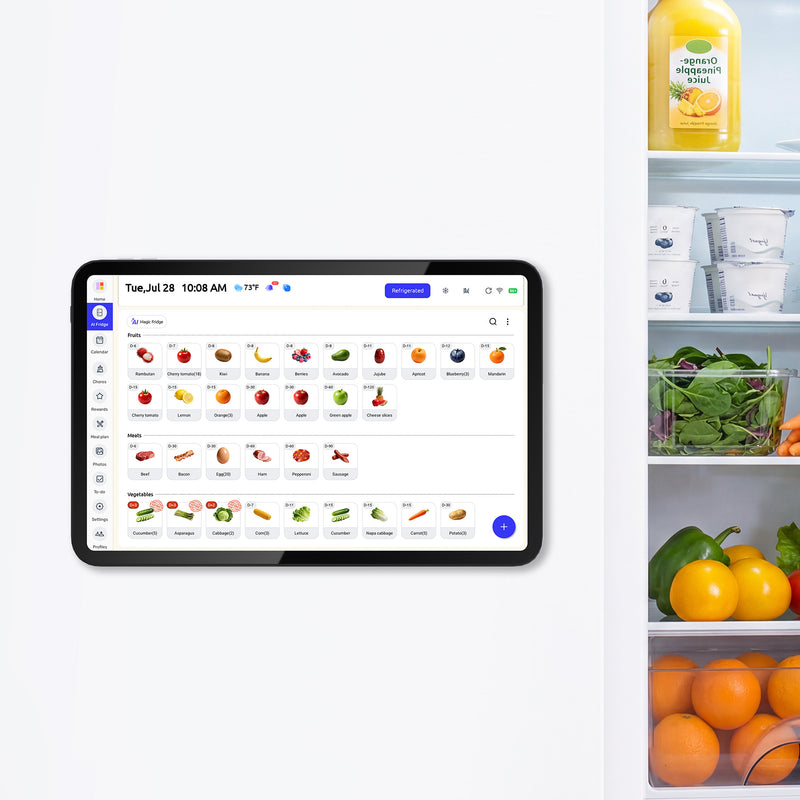
With the homeschooling boom showing no signs of slowing down—the number of U.S. students grew to 3.408 million in 2024-25—getting these systems right is more important than ever. For the 77% of families with less than five years of experience, a central hub like a 21.5-inch digital display can be a total game-changer. By pulling schedules, meal plans, and chores into one place, it provides the structure new homeschoolers need to hit their stride. You can check out more of these growing home education statistics on Cynthiahancox.com.
More Than Just a Calendar
A real command center goes beyond just showing you what's on the schedule. By integrating a chore manager and a rewards tracker, you can tie your organization directly to accountability and motivation.
- Assign Cleanup Tasks: You can schedule a "Daily Tidy" for right after lessons, where kids are responsible for putting their own books and supplies back where they belong.
- Motivate with Rewards: Connect those completed tasks to a rewards tracker. When a child consistently keeps their learning space neat, they can earn points toward a fun goal. Cleanup is no longer a chore; it’s a challenge.
This approach turns organization from something Mom or Dad is always nagging about into a shared family effort. If you need a little inspiration, check out these family command center ideas to get started.
When your organized materials are linked to a central family hub, you create a self-sustaining system that builds responsibility and finally brings a sense of calm to your busy home.
Making Organization a Sustainable Family Habit

Let's be honest. Getting your homeschool space organized is one thing, but keeping it that way is the real battle. The secret isn’t a massive, soul-crushing overhaul every month. It’s about building small, consistent habits into your family's daily rhythm until they become second nature.
This is how you stop the clutter from creeping back in. The idea is to create simple "reset" moments throughout the week—not huge chores, but quick, focused bursts of tidying that keep chaos at bay.
The Daily Tidy and Weekly Reset
Your two best friends in this fight are the Daily Tidy and the Weekly Reset.
The Daily Tidy is a non-negotiable, 5-to-10-minute block we build right into our schedule. For us, it happens just before lunch. Everyone stops, and we all pitch in to return books to shelves, put art supplies back in their proper bins, and clear the main workspace. It's fast, effective, and makes a huge difference.
The Weekly Reset is a bit more involved, but it’s our key to starting fresh every Monday. We carve out about 30 minutes on Friday afternoon for a few key tasks:
- Filing away all the completed work from the past week.
- Restocking essentials like paper, pencils, and glue sticks.
- Pulling out the specific books and materials we’ll need for next week's lessons.
This simple routine means we can dive right into learning on Monday morning without that frantic, last-minute search for a missing workbook. If you need help fitting this in, our guide on creating a homeschool daily schedule template is a great place to start.
Your goal is to make organization a shared responsibility, not just another task on your personal to-do list. When children take ownership of their space and supplies, it not only lightens your load but also teaches them invaluable life skills.
Getting your kids involved is probably the most important part of making this system stick. Teach them not just how to find their materials, but—crucially—how to put them back. For little ones, picture labels on bins are a game-changer, allowing them to match items to their homes without needing to read.
When kids feel a sense of ownership, they learn responsibility and respect for their learning space. And that’s how you build a system that brings lasting calm to the whole family.
Frequently Asked Questions About Homeschool Organization
Even the most perfectly planned homeschool setup can leave you with nagging questions once you're in the thick of it. Let's tackle some of the most common hurdles I see homeschooling parents face when trying to get organized.
What’s the Best Way to Store Completed Homeschool Work?
The sheer volume of finished papers can be overwhelming. I’ve found a two-part system is the only way to keep the paper mountain from taking over your house.
First, each child gets a "highlight reel" portfolio. This is just a simple 3-ring binder with page protectors where we keep their best work for the year—it’s perfect for record-keeping and makes a wonderful keepsake.
For everything else, we use an accordion file or a single file box for each child, sorted by subject. At the end of the year, we go through it together, keep a few key samples that show real progress (like the first and last spelling test), and recycle the rest. It’s the key to preventing paper pile-ups.
How Can I Organize Our Homeschool in a Small House?
When you’re short on space, you have to think vertical and mobile. It's all about using what you have creatively.
- Go Vertical: Over-the-door shoe organizers with clear pockets are fantastic. They’re perfect for stashing art supplies, flashcards, or math manipulatives without taking up any floor space.
- Get Mobile: A rolling 10-drawer cart is a homeschooler's best friend, I’m not kidding. You can label drawers by subject or day of the week and simply roll it into a closet when the school day is over.
- Digitize What You Can: Scan worksheets, save them to a cloud drive, and say goodbye to a huge chunk of your physical paper clutter.
How Do I Get My Kids to Help Keep Our Space Tidy?
Getting kids on board is all about making it simple and routine. The first rule is that every single item needs a clear, labeled "home." For little ones who can't read yet, picture labels are a game-changer.
Then, make a quick, 5-minute "reset" a non-negotiable part of your daily routine before transitioning out of school time. When kids help you set up the organization system from the start, they feel a sense of ownership and are way more likely to help maintain it.
As you gather materials, remember that organization isn't just about managing clutter; it's about creating an effective learning environment tailored to your child's specific needs. This might involve sourcing specialized resources, like a homeschool curriculum for gifted students, which will have its own organizational demands.
Ready to create a central hub that connects your homeschool schedule with the rest of your family's life? The Everblog digital family calendar brings schedules, chores, and meal plans into one beautiful, easy-to-use display. Say goodbye to scattered notes and hello to a calmer, more connected home. Learn more and see how Everblog can transform your family's organization at Everblog.com.


