
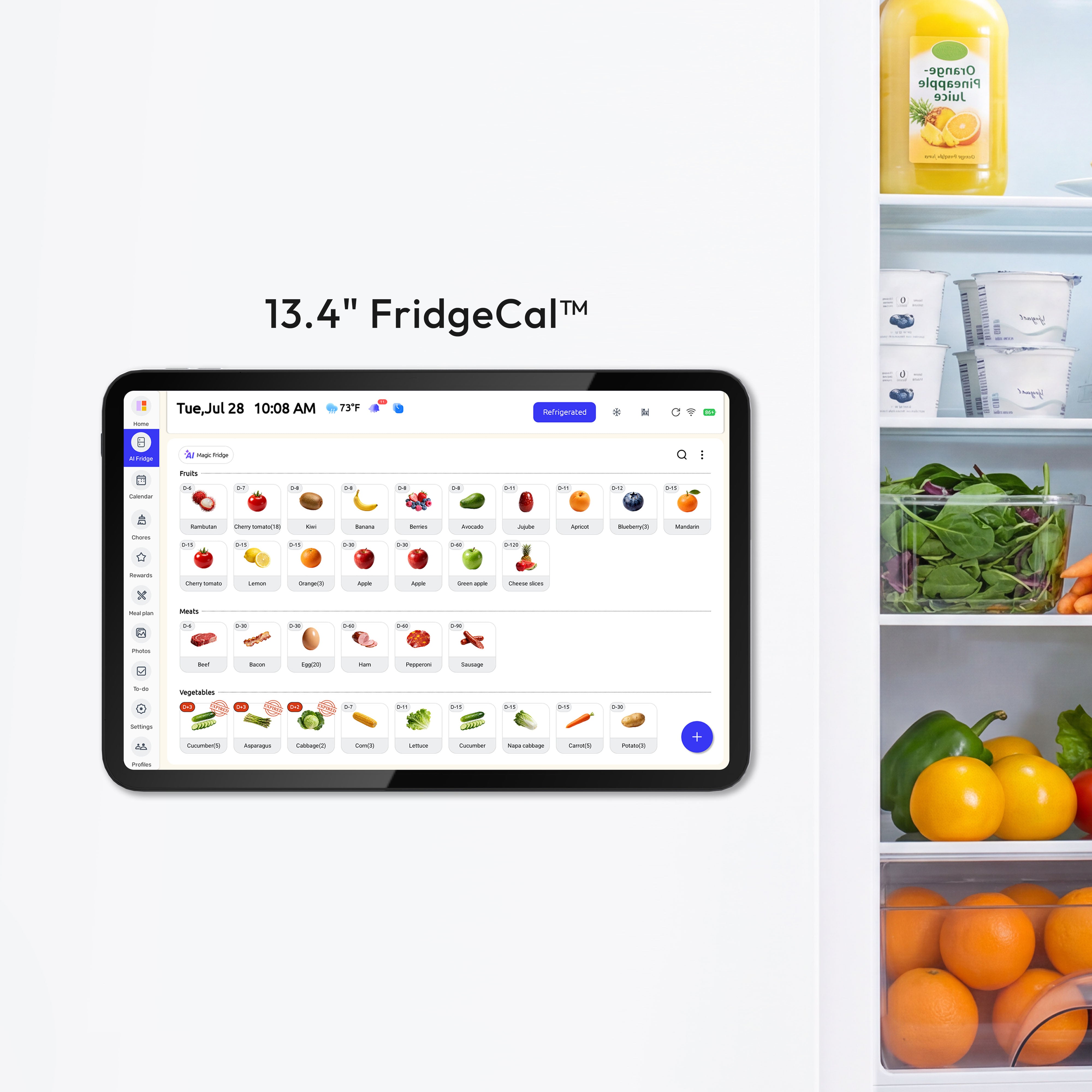
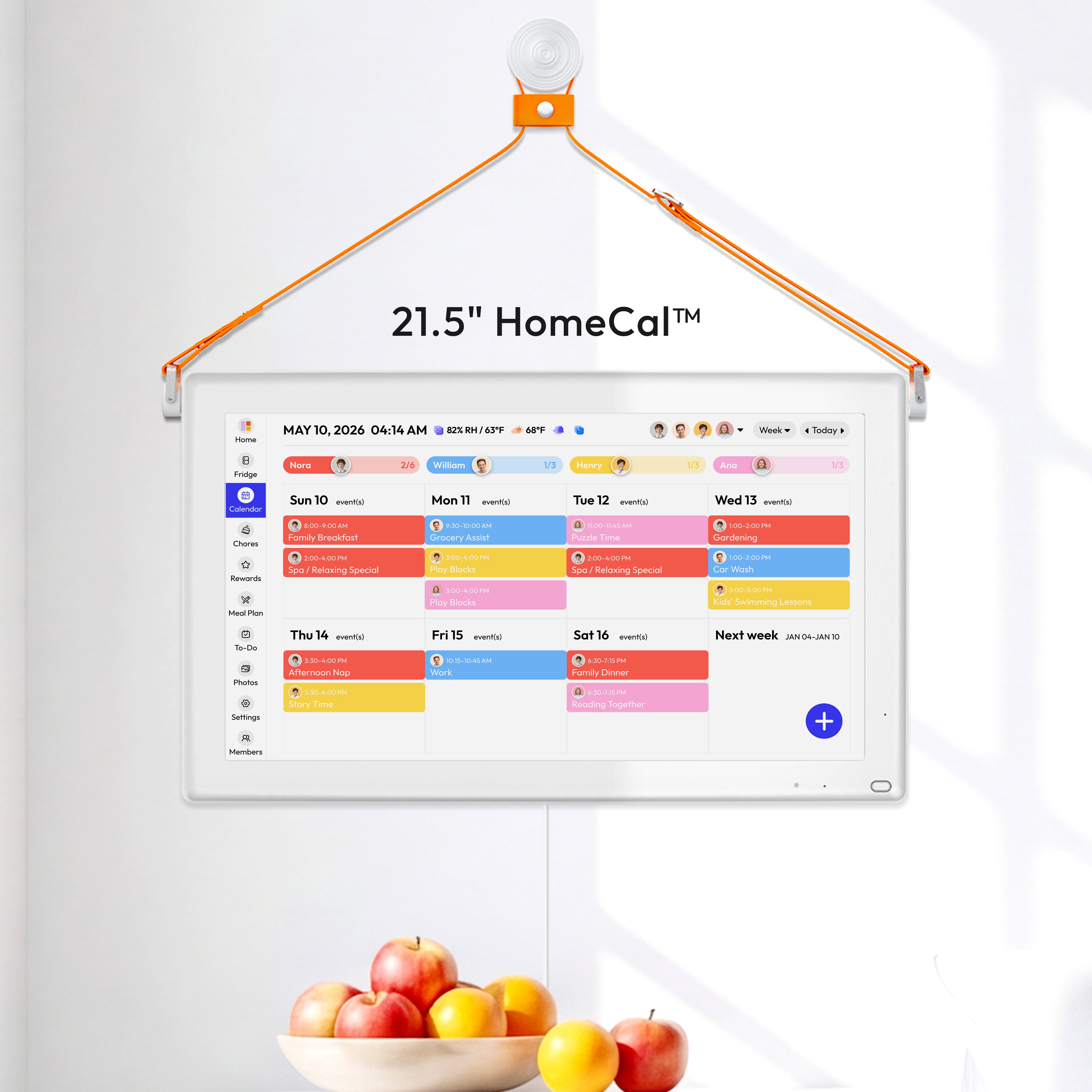

Even in 2026, with smart everything flooding our homes, some of the best tools are the simplest. Case in point: the magnetic grocery list for the fridge. It’s exactly what it sounds like—a notepad or whiteboard that sticks right to your refrigerator door, serving as a central spot for the whole family to jot down what’s running low.
The Timeless Appeal of the Fridge Grocery List

Long before apps and smart displays, the refrigerator door was the original family hub. For decades, the magnetic grocery list has been its most trusted sidekick. It’s a wonderfully low-tech solution that, honestly, still holds up surprisingly well.
This simple, physical list becomes a silent coordinator for the entire household. It turns the mental gymnastics of remembering what to buy into a straightforward, collaborative routine. Anyone—from your partner grabbing a late-night snack to your kids realizing the cereal box is empty—can add an item the moment they notice it’s gone.
The Power of Being Seen
The real magic of a fridge-mounted list is its constant, in-your-face visibility. There are no logins to remember, no notifications to dismiss, and no apps to open. It’s just… there. This has a few huge advantages:
- It kills the “I forgot the milk!” moments. By capturing needs in real-time, the list prevents those frustrating last-minute realizations.
- It makes meal planning easier. A quick glance at the list helps you figure out what you need to buy and what meals you can build around what you already have.
- It creates one shared source of truth. The list becomes the go-to spot for the whole family's shopping needs, putting an end to guesswork.
This isn't just a nostalgic habit; it's a proven system. Back in 2005, an estimated 78% of American households relied on handwritten lists, with the magnetic fridge version leading the pack. This simple method was even shown to cut food waste by 15-20% because families could easily see what they needed before heading to the store.
A well-used magnetic grocery list is the cornerstone of an organized kitchen, turning the front of your fridge into a low-effort family command center. It’s a great reminder that sometimes, the simplest solutions really are the best ones.
The Pros and Cons of the Classic Fridge List
There’s a certain charm to the old-school magnetic grocery list, isn't there? It’s a simple, public notice board for your kitchen, accessible to everyone from your kids to your visiting in-laws. No passwords, no apps to open, no fuss.
Its biggest selling point is that it’s just there. You can’t miss it. When you finish the last of the milk, you grab a pen and jot it down. This dead-simple approach is exactly why the magnetic grocery list for the fridge is still a fixture in so many homes.
The Upside: Why Simplicity Still Works
All the benefits of a paper list come from its low-tech, straightforward nature. There's no learning curve, which makes it a truly universal tool for the whole family.
- Always Visible: It’s in your line of sight every time you’re in the kitchen, acting as a constant, passive reminder of what you need.
- Easy for Anyone to Use: Anyone can add an item at any time, turning it into a single, shared source of truth for the household.
- No Tech Hassles: It works without Wi-Fi, batteries, or software updates. It’s as reliable as a pen and paper can be.
The Downside: Common Fridge List Frustrations
Of course, that same simplicity is also its biggest weakness. If you’ve ever relied on a physical list, you already know these frustrations by heart. The most common one? The desperate hunt for a working pen, which always seems to go missing the moment you need it.
Then there’s the challenge of trying to decode handwriting from three different people. Is that “yogurt” or “yeast”? And who can’t relate to that face-palm moment when you’re standing in aisle five and realize the perfectly written list is still stuck to your fridge back home?
A physical magnetic list is a fantastic starting point for organizing your household. It builds the habit of using a central “command center,” but its limits often reveal the need for a system that’s as mobile and connected as modern families are.
So, how does a traditional list really stack up against a modern digital approach? Here's a quick side-by-side look.
Traditional Magnetic List vs Digital List
While a paper list is great for in-the-moment additions, a digital list offers the flexibility busy families need. The biggest differences come down to accessibility and real-time updates.
| Feature | Magnetic Paper List | Digital Grocery List (like Everblog) |
|---|---|---|
| Real-Time Updates | Manual only | Instantly syncs across devices |
| Access at the Store | Only if you remember to bring it | Always available on your phone |
| Collaboration | Only works when everyone is home | Add items from anywhere, anytime |
| Legibility | Depends on handwriting | Always clear and easy to read |
| Organization | One long, messy list | Can be sorted by store or aisle |
| Smart Features (e.g., Duplicates) | None | Prevents adding duplicate items |
The paper list definitely wins on price and simplicity. But if you’re tired of forgotten lists, messy handwriting, and buying things you already have, a digital list solves all of those problems instantly. It keeps your list organized, accessible, and up-to-date, no matter where you are.
How Busy Families Make the Fridge List Work
For a busy family, the magnetic grocery list isn't just a notepad—it's the household's silent coordinator. Think about a normal Tuesday afternoon. One parent grabs the last of the milk for their coffee, a kid comes home from school and begs for their favorite snack (which you're out of), and someone else realizes there's no coffee for the morning.
Instead of a flurry of texts and forgotten requests, each item just gets jotted down on the list. It becomes the central source of truth for the kitchen. This simple system stops that last-minute "what's for dinner?" panic and frees up the mental energy you'd otherwise spend trying to remember everything. For households juggling two jobs, school runs, and after-school activities, it’s been a quiet hero for decades.
Teaching Responsibility and Planning
A good grocery list is also the first step to successful meal planning. When you know exactly what you need, you can map out your meals for the week, saving time, money, and stress. It's a foundational part of many meal prepping strategies for a reason.
But it’s more than just an organizational tool; it's a teaching moment. When kids are old enough to write "cookies" or "juice boxes" on the list, they’re learning about planning and how a household runs. Keeping the list updated becomes a small, shared responsibility. It's a visual checklist that keeps everyone on the same page, a simple trick that's key to creating a more organized home. You can find more tips like this in our guide to fridge organization ideas.
This isn't a new concept. Back in the 1990s, these fridge lists were the command center for busy parents. By 1998, 72% of families with school-aged kids were using one, and it cut their shopping time by an average of 22 minutes per trip. In a world before smartphones, that was a game-changer. You can find more about these grocery shopping trends on shopkick.com.
This infographic helps visualize whether a classic or digital list is right for you. The decision tree shows that while classic lists work for many, those needing more flexibility often lean toward digital solutions.
Choosing the Right Magnetic Grocery List
So, you’ve decided a physical list is the right call for your family. The next step is picking the best magnetic grocery list for fridge. It’s just like choosing any other kitchen tool—you want the one that actually fits how your family operates. The days of a simple paper pad are long gone.
You’ll now find everything from those classic tear-off notepads to reusable magnetic whiteboards and even sleek chalkboards. Each one has its own vibe. A tear-off pad is perfect for its grab-and-go simplicity, while a whiteboard is more eco-friendly and works well for lists that evolve throughout the week.
Key Factors to Consider
To find your perfect match, just ask yourself three simple questions:
- How big is your family? A bigger family means you’ll need more space for a much longer list of items. It’s a simple equation.
- How much fridge space do you have? Before you buy, measure the available "real estate" on your fridge door to make sure it will fit without looking cluttered.
- Do you want built-in organization? Lots of lists come with pre-printed categories like “Produce,” “Dairy,” and “Pantry” to help you organize your shopping trip before you even leave the house.
The goal is to find a list that feels like a natural part of your kitchen. It should be easy for everyone to use and look good in your space, making it a tool you'll actually stick with.
And let's be honest, beyond the grocery list, a well-run kitchen is full of other practical kitchen tools that make life easier.
Thinking through these points will steer you toward a magnetic list that doesn't just keep your pantry stocked but actually works with your family’s unique rhythm. You can dive deeper into the options in our guide on the classic magnetic grocery list pad and its modern twists.
The Next Step: The Digital Fridge Hub
While a classic magnetic grocery list has a certain old-school charm, it runs into a few problems in a busy, modern household. But what if you could keep the spirit of that central kitchen hub and just make it… smarter? That’s where you move beyond a simple list and create a true digital command center.
Think of it as your fridge list finally growing up. Instead of a static piece of paper that gets lost, ignored, or left behind, it becomes a connected tool that solves all the old frustrations. It’s about taking a good idea—a central spot for the family list—and upgrading it for how we actually live.
Beyond the Magnetic List
This isn't about tossing the whole idea out. It's about supercharging it. A digital hub like Everblog keeps the best part—the central location—but adds a ton of functionality that a paper list just can't touch.
- Remote Access: Add milk to the list from your desk the second you remember. Your grocery list is always on your phone, not stuck on the fridge when you’re already at the store.
- Voice Commands: Hands sticky from cooking? Just say, "Add bread to the list." No more fumbling for a pen with messy fingers.
- Smart Integration: Your list can automatically sync with your meal plan. The moment you add a recipe for the week, all the ingredients populate your shopping list.
It all adds up to a smarter, more reliable system that actually fits into your family’s schedule without causing more work.
With online grocery spending projected to hit $650-670 billion and 71% of shoppers focused on price, families are getting more organized than ever. In fact, 68% now cook more at home and rely on lists for strategic bulk buying. Everblog taps directly into this by integrating the grocery list with chore and rewards trackers, which can boost family participation by up to 40%. For anyone tired of managing a faded magnet, it’s the central hub that finally gets everyone on the same page. You can read more about these 2026 grocery trends on Harmelin Media.
Your Questions About Grocery Lists Answered
Switching from a physical to a digital grocery list feels like a bigger deal than it should. It's a tug-of-war between the old-school simplicity we know and the convenience of a modern tool. To help you figure out what's right for your family, here are some straight answers to the questions we hear most often.
Are Magnetic Grocery Lists Obsolete in 2026?
Not at all. While digital tools can do a lot more, a simple magnetic grocery list for the fridge is still a brilliant, no-fuss solution for plenty of families. Its real power is its visibility—it’s right there, you don't need to log in, and anyone can grab a pen and add to it.
For households that just want something tactile and easy, or a way for young kids to feel involved, it’s still a perfectly good system. It’s like the ultimate open-door policy for your pantry. It gets everyone in the habit of tracking what's needed in one central spot.
But for busy families, the cracks start to show. That sinking feeling when you get to the store and realize the list is still on the fridge is a classic problem. So is trying to figure out if that messy scrawl says "cilantro" or "celery." Those are the moments that usually push people toward a digital fix.
How Does a Digital List Improve on the Classic Magnetic List?
A digital list, especially one built into a family hub like Everblog, takes that central list idea and supercharges it. It solves all the classic problems that come with a scrap of paper, turning it from a static note into a smart, collaborative tool.
Here’s where it makes a real difference:
- Remote Access: Add milk to the list from your desk at work or while you're already in the store. No more "I forgot the list!" moments.
- Voice Entry: Hands covered in flour? Just tell your hub to add it to the list. You don’t even have to stop what you're doing to find a pen.
- Real-Time Collaboration: Everyone’s additions sync instantly. You get one single, always-updated list for the whole family.
- Smart Integration: Link your list to a meal planner, and it can automatically add all the ingredients for this week’s recipes.
It completely gets rid of the frustrations of messy handwriting, lost paper, and not having the list when you actually need it. For a busy, modern family trying to keep it all together, it's simply a more reliable tool.
What's the Best Way to Transition to a Digital List?
The trick is to make it easy and gradual, not another chore on your to-do list. For the first week, use both systems side-by-side. Put your new digital hub right where the old list used to be—probably the kitchen—to keep that central spot habit alive.
Get the whole family on board. Show them how easy it is to add items with their voice or check things off on the screen. Play up the cool new features, like adding that one thing you forgot from the car on the way home. On your first shopping trip, use the digital list on your phone but bring the paper one as a backup. It’s a good security blanket.
Once everyone realizes how much easier it is—and that they always have the list on their phone—they'll naturally stop using the old paper pad. That convenience factor is usually all it takes to win everyone over.
Ready to upgrade from a simple magnetic list to a fully connected family hub? Everblog brings your grocery list, meal plan, chores, and schedule into one beautiful display. Learn more about how Everblog can organize your family’s life.


