
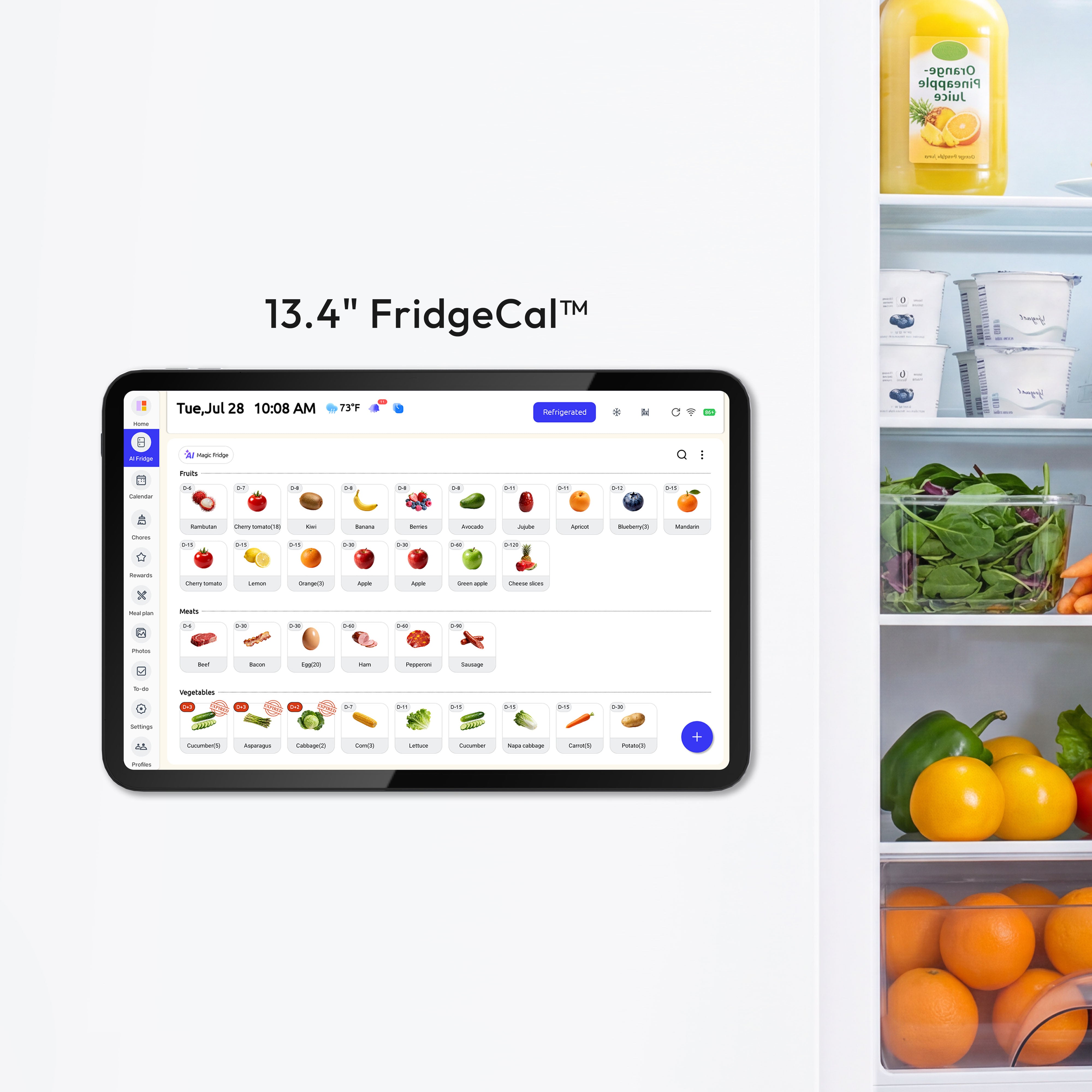

A flexible preschool schedule homeschool isn't about militant timetables or ringing a school bell in your living room. It’s all about creating a predictable daily rhythm that follows your child's lead and natural curiosity. Think of it as a simple, gentle framework that blends learning, play, and real life, taking the stress out of your day.
Why a Flexible Schedule Is Your Secret Weapon

When you first dive into homeschooling, it's easy to get caught up in the idea of recreating a classroom at home. But the truth is, a successful preschool homeschool experience feels much more fluid and grace-filled. The goal isn't to mimic school; it's about weaving learning right into the fabric of your family's life.
This approach swaps that frantic morning chaos for a sense of calm predictability. Both you and your little one know what to generally expect from the day—not because you're watching the clock, but because you're following a familiar, comforting flow. It’s this rhythm that opens up space for genuine connection and deep, play-based learning.
The Power of Rhythm Over Rigidity
A predictable rhythm gives young children the sense of security they crave. It helps them make sense of their world and feel safe in it. A rigid schedule, on the other hand, just leads to frustration when life (inevitably) throws a wrench in your plans. A flexible rhythm lets you roll with it.
Just think about the benefits of this kind of routine:
- It cuts down on decision fatigue. When you have a consistent flow, you’re not constantly scrambling to figure out "what's next?" That frees up so much mental energy.
- It honors your child’s needs. You have the freedom to pivot. Is your child completely absorbed in building a magnificent block tower? Let them! Do they seem a little tired? Time for quiet cuddles and a story.
- It builds independence. Once kids know the general sequence of the day (like, after breakfast, we read books), they start to anticipate and even initiate activities on their own.
Your preschool homeschool schedule should be your servant, not your master. Its whole purpose is to create a peaceful, joyful learning environment, not pile on another layer of stress.
Making Your Schedule Stick
Let's be real: the best schedule is one you can actually follow. The key to a sustainable preschool homeschool is figuring out how to stick to a routine even when life gets messy. This means building your rhythm around your family’s unique "anchor points"—things like meals, naps, and outdoor time—instead of trying to force a one-size-fits-all template.
For example, if your kid has endless energy first thing in the morning, that’s your cue for active learning or a trip to the park, not a quiet, sit-down craft. When you work with your child's natural energy and inclinations, you create a positive cycle of engagement and cooperation. This is the first step toward building that calm, effective learning environment you're dreaming of.
Finding Your Family's Natural Rhythm
Before you even touch a template or a planner, you’ve got to do a little detective work. I know it's tempting to just download a schedule and get started, but the best, most effective routines aren't found online—they're discovered right inside your own home.
This is all about understanding your starting point. You're looking for your family’s unique flow, not trying to force a rigid structure that's just going to cause frustration for everyone.
Identify Your Daily Anchor Points
First things first, let's identify your "non-negotiables." These are the big rocks in your day that everything else has to flow around. Think of them as the sturdy pillars that will hold up your entire routine.
Your anchor points are the things that happen at roughly the same time every single day. For your little one, these predictable moments create a sense of security and order.
Take a minute and just list them out:
- Meal Times: Breakfast, lunch, and dinner are natural transitions and easy wins.
- Nap or Quiet Time: For most preschoolers (and let's be honest, for us parents), this is a critical reset button in the afternoon.
- Parental Commitments: Do you have work calls at certain times? Standing appointments you need to protect?
- Bedtime Routines: The wind-down process in the evening is a major anchor that sets the tone for the next morning.
These anchors give you a basic skeleton for your day. Everything else—the learning, the crafts, the free play—will simply fill the spaces in between.
Observe Your Child's Energy Flow
Once you have your anchors down, the next piece of the puzzle is to become a student of your child. Preschoolers have their own energy patterns that ebb and flow. The real secret to a peaceful and productive day is working with these patterns instead of fighting them.
For a few days, just watch. Take a few notes. When does your child have that wild, physical energy and just needs to run and jump? Is it first thing in the morning? Right after nap? That’s your golden window for outdoor play or an indoor dance party.
On the flip side, when are they calmer, more focused, and ready for quieter things like listening to a story or doing a puzzle? A lot of kids are most alert mid-morning, which makes it a perfect time for more focused learning. A big part of this is understanding wake windows by age, which can make a huge difference in how you structure both learning and play.
Your goal isn't to force your child into a schedule. It's to build a schedule around who your child already is. This shift in perspective makes all the difference.
Building a Rhythm from Your Observations
Now you can start sketching out a potential flow. Let’s say you notice your four-year-old is a ball of fire until about 10:00 AM, then naturally settles down for a bit before lunch. A good rhythm would honor that.
Example Scenario
Your morning could start to look something like this:
- Breakfast (Anchor): 8:00 AM
- High-Energy Play: 8:30 - 10:00 AM (Think outdoor time, building a massive fort, or a living room dance-off).
- Focused Learning Time: 10:00 - 10:45 AM (This is when you'd pull out the books, a simple math game, or a craft project).
- Free Play & Chores: 10:45 - 12:00 PM (Let them play independently while you prep lunch).
- Lunch (Anchor): 12:00 PM
See how that flow respects the child’s natural energy? It creates a cooperative environment instead of a battle. For more inspiration on how to weave home life and learning together, checking out a stay-at-home mom daily schedule can give you some great ideas.
This foundation, built on your family’s real-life needs, is what makes a preschool homeschool schedule truly sustainable and even joyful.
Crafting Your Core Learning Blocks
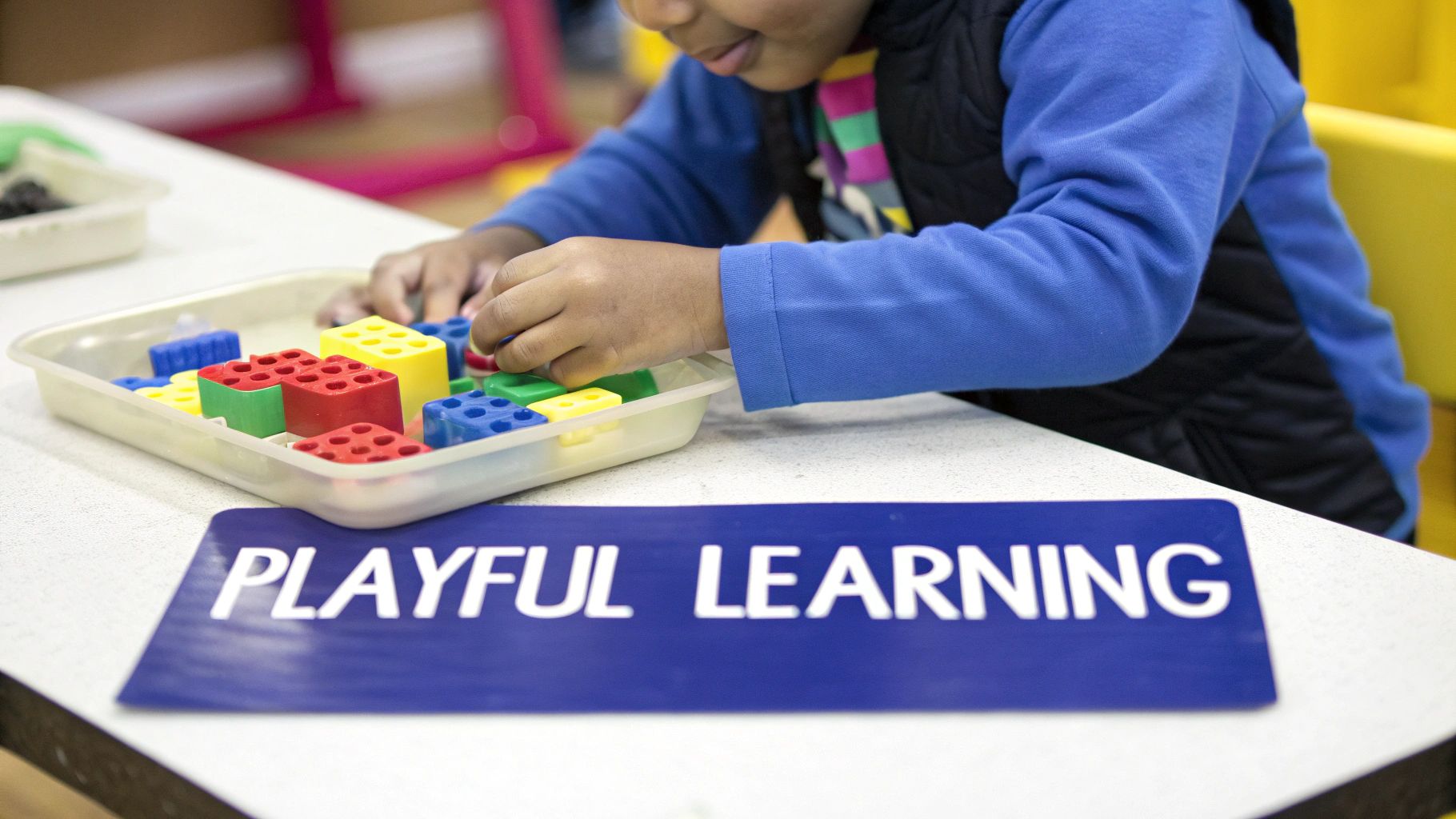
Alright, now for the fun part. Once you know your family's natural rhythm, you can start slotting in the heart of your preschool schedule homeschool: the learning blocks.
Forget about trying to replicate a school's hour-long lessons. At this age, we’re thinking in flexible, 15-30 minute pockets of playful, hands-on activity. These blocks should feel more like a shared adventure than "schoolwork," sparking curiosity without drills or worksheets.
The Essential Learning Blocks
Every homeschool is different, but most successful preschool schedules I've seen include some mix of these three core areas. You can rotate through them daily or just focus on one or two each day, depending on your child's mood.
- Circle Time (or Morning Basket): This is just a sweet, gentle way to kick off your learning time. It’s not about a formal classroom circle; it's about connection. Think 10-15 minutes of reading a story together, singing a silly song, or looking out the window to talk about the weather.
- Literacy and Number Play: This is where we sneak in those pre-reading and early math skills, but always through play. You might go on a letter scavenger hunt, count and sort colorful pom-poms, or trace shapes in a tray of salt. It has to feel like a game.
- Creative and Sensory Exploration: Time to get messy! This is for painting, squishing play-doh, building with blocks, or splashing in a water table. The focus here is entirely on the process, not a perfect finished product.
The best learning blocks are the ones your kid is actually excited about. Follow their lead. If they're obsessed with dinosaurs, your number play can be counting plastic dinos, and creative time can be making dino footprints in dough.
Bringing Your Learning Blocks to Life
The incredible flexibility of homeschooling is a huge reason for its growth. The number of homeschooled students in the U.S. jumped from just 850,000 in 1999 to over 3.1 million by 2023. Families are building routines that actually fit their lives, not the other way around.
A common approach is to schedule things like literacy and math play in the morning when kids are fresh, saving hands-on projects or outdoor adventures for the afternoon. If you want to dive deeper into this trend, you can read more about the significant growth in homeschooling on eduww.net.
Here’s how you can make these blocks come alive with some simple, low-prep ideas.
Low-Prep Activity Ideas
For Literacy Play:
- Letter Hunt: Hide magnetic letters around the room and have your child find them. Super simple, and they love it.
- Story Stones: Find some smooth rocks and draw simple pictures on them (a sun, a house, a cat). Use them to tell little stories together.
- Name Art: Write your child’s name in big letters and let them decorate it with stickers or dot markers.
For Number Play:
- Snack Time Math: Use crackers, berries, or cereal to practice counting, sorting, and making simple patterns.
- Block Towers: See how many blocks you can stack before it all comes tumbling down. Count them as you go!
- "How Many?" Game: Grab a handful of small toys, hide them under a cup, and have your child guess how many are there before you count together.
Gathering Your Go-To Materials
You don't need a craft store in your closet. Having a small collection of versatile, open-ended materials on hand makes it so much easier to pull together an activity on the fly. This curated list is all you need to be ready for just about anything.
The table below breaks down some simple, must-have supplies that will get you through the week with minimal prep.
Essential Materials For Your Preschool Learning Blocks
| Category | Essential Items | Example Activities |
|---|---|---|
| Art & Creativity | Washable paint, construction paper, chunky crayons, play-doh, glue sticks | Finger painting, collage making, shape tracing, sculpture building |
| Literacy & Fine Motor | Magnetic letters, chunky puzzles, child-safe scissors, picture books | Alphabet matching, puzzle-solving, cutting practice, story time |
| Math & Logic | Counting bears or blocks, large dice, sorting trays, pom-poms | One-to-one counting, simple addition games, color sorting, pattern making |
| Sensory & Exploration | Dry beans or rice, a plastic bin, scoops and cups, water table or bin | Sensory bins, scooping and pouring practice, floating/sinking experiments |
By keeping your learning blocks playful and your materials simple, you create a rich educational environment that feels totally natural and joyful. This is the real foundation of a preschool homeschool schedule that actually works.
Real-World Sample Schedules You Can Adapt
It's one thing to talk about rhythms and learning blocks in theory, but seeing how it all comes together in a real day? That's where it clicks. To help you get a feel for the flow, I’ve mapped out two sample schedules.
Think of these as flexible blueprints, not rigid rules you have to follow down to the minute. They’re here to show you what’s possible—how you can carve out time for focused learning, spark creativity, and still protect the essential downtime every preschooler needs. Use them as a starting point to build your family’s perfect day.
Sample Preschool Homeschool Schedules At A Glance
To help you decide what might work best, here’s a quick side-by-side look at a half-day routine versus a full-day one. A half-day is often perfect for younger preschoolers or families needing a lighter structure, while a full-day offers a more immersive rhythm for older kids.
| Time Block | Half-Day Schedule Example | Full-Day Schedule Example |
|---|---|---|
| 8:00 - 9:00 AM | Morning Connection & Chores | Morning Connection & Chores |
| 9:00 - 9:30 AM | Morning Basket & Story Time | Focused Learning Block (Part 1) |
| 9:30 - 10:15 AM | Active Learning Play | Focused Learning Block (Part 2) |
| 10:15 - 11:00 AM | Outdoor Exploration | Outdoor & Gross Motor Play |
| 11:00 AM - 12:00 PM | Creative & Free Play | Lunch & Tidy-Up Time |
| 12:00 - 12:30 PM | Lunch | Lunch & Tidy-Up Time |
| 12:30 - 2:00 PM | (End of Schedule) | Quiet Time or Nap |
| 2:00 - 3:30 PM | (End of Schedule) | Afternoon Project & Creative Time |
| 3:30 PM Onward | (End of Schedule) | Free Play & Family Time |
Ultimately, the best schedule is the one that brings more peace and less stress to your home. Don't be afraid to try one, see how it feels, and adjust as you go.
The Half-Day Homeschool Routine
This schedule is a lifesaver for families with younger preschoolers (ages 2-3), those juggling work, or anyone who just wants a more relaxed introduction to homeschooling. It’s all about packing a ton of playful learning into a short, effective morning, leaving the whole afternoon wide open.
This condensed format works beautifully with short attention spans. It keeps learning time energetic and fun, never feeling like a chore. It’s truly quality over quantity.
Here’s how a half-day might look:
- 8:00 - 9:00 AM: Morning Connection & Chores. Start the day together with breakfast and a simple task like feeding the dog or watering a plant. This eases everyone into the day and gently builds a sense of responsibility.
- 9:00 - 9:30 AM: Morning Basket & Story Time. This is a gentle, cozy start to “school.” Cuddle up on the couch to read a book, sing a song, and chat about the day. It’s about connection first.
- 9:30 - 10:15 AM: Active Learning Play. Now it’s time to capitalize on that peak morning energy! This is the perfect slot for a hands-on math game, a letter scavenger hunt around the house, or a simple science experiment.
- 10:15 - 11:00 AM: Outdoor Exploration. Get outside! Fresh air and big movements are non-negotiable for preschoolers. A neighborhood walk, a quick trip to the park, or even just backyard play can completely reset their focus.
- 11:00 AM - 12:00 PM: Creative & Free Play. Wind down with quieter, child-led activities. This is a great time for painting, squishing play-doh, or independent block building while you get lunch ready.
The Full-Day Homeschool Immersion
A full-day schedule can be a fantastic fit for families with older preschoolers (ages 4-5) or those who want a more immersive rhythm. This doesn't mean more "desk work"—it just means more time for deep-diving into projects, extending playtime, and weaving in more life skills.
The secret here is balancing structured activities with plenty of free time and a dedicated quiet period after lunch. That little reset prevents burnout for everyone involved. This rhythm also helps gently prepare a child for a longer school day later on, but in the comfort and security of home. If you're looking for a visual to get started, you can find a great customizable homeschool daily schedule template to print out.
A "full day" of preschool homeschool is not a full day of instruction. It's a full day of living and learning together, where play, chores, and rest are all valued parts of the curriculum.
Many families find their groove starts with circle time around 8:30 AM for phonics and numbers (60-90 minutes), followed by sensory or outdoor play by 10 AM. Naps or quiet time often happen around noon, with creative arts in the afternoon—totaling just 2-4 structured hours daily.
Here’s an example of a more extended daily flow:
- 8:00 - 9:00 AM: Morning Connection & Chores. Just like the half-day routine, start with breakfast and shared responsibilities to set a positive tone for the day.
- 9:00 - 10:30 AM: Focused Learning Block. This is your prime academic window. You could spend 45 minutes on literacy games and another 45 minutes on a hands-on math or science activity.
- 10:30 - 11:30 AM: Outdoor & Gross Motor Play. Time to head outside and burn off some energy. Ride bikes, play tag, or do some digging in a small garden patch.
- 11:30 AM - 12:30 PM: Lunch & Tidy-Up Time. Get your child involved in making their own sandwich or clearing their plate. These moments are full of valuable, practical life skills.
- 12:30 - 2:00 PM: Quiet Time or Nap. This is a non-negotiable reset. Even if your child has dropped their nap, they can listen to audiobooks, look at picture books, or do puzzles quietly in their room.
- 2:00 - 3:30 PM: Afternoon Project & Creative Time. After a good rest, their minds are ready to dive into something bigger. This is a great time to work on a large fort, continue a multi-day art project, or get deep into some imaginative play.
- 3:30 PM Onward: Free Play & Family Time. The "school" part of the day is officially done. The rest of the afternoon is for unstructured play, running errands, and just enjoying your time together before the evening routine kicks in.
How To Stay Flexible And Avoid Burnout
You've got it all mapped out. A beautiful schedule, the perfect learning blocks, and you're ready to dive in. But then, real life crashes the party.
The toddler discovers the joy of gravity with a full box of cereal. Your preschooler has a sudden, non-negotiable need to wear their dinosaur costume all day. Or maybe everyone just wakes up grumpy.
This is where the real magic of a preschool schedule homeschool happens. Think of your schedule as a friendly guide, not a drill sergeant. The moment it starts creating more stress than it solves, it's time to let it go. Being flexible isn't a sign you've failed; it's the secret to actually enjoying this journey and avoiding burnout.
Some of the absolute best learning moments are the ones you never could have planned. When your child is completely mesmerized by a roly-poly bug on the sidewalk, that’s an impromptu science lesson. Leaning into that natural curiosity is way more powerful than rushing inside to stick to the "letter of the day."
The Art Of The Graceful Pivot
Learning to pivot without the whole day spinning out of control is a skill you’ll get better at with practice. It’s all about knowing when to gently push through and when to just let it go. If an activity is met with a full-blown meltdown, forcing it is a surefire way to build negative feelings about learning.
Instead, keep a few easy ideas in your back pocket. These are your simple go-tos for when the original plan just isn't working.
- Sensory Bins: A tub of rice with a few scoops and small toys can be an instant reset button. It’s calming, engaging, and requires zero prep.
- Audiobooks: Pop on a favorite story. This can bring a much-needed moment of quiet for everyone (including you!).
- Dance Party: Seriously, sometimes the only fix for a grumpy mood is to crank up some music and get moving.
The real goal is to respond to your child's needs, not to blindly follow a piece of paper. This approach builds connection and keeps the joy in your homeschool day.
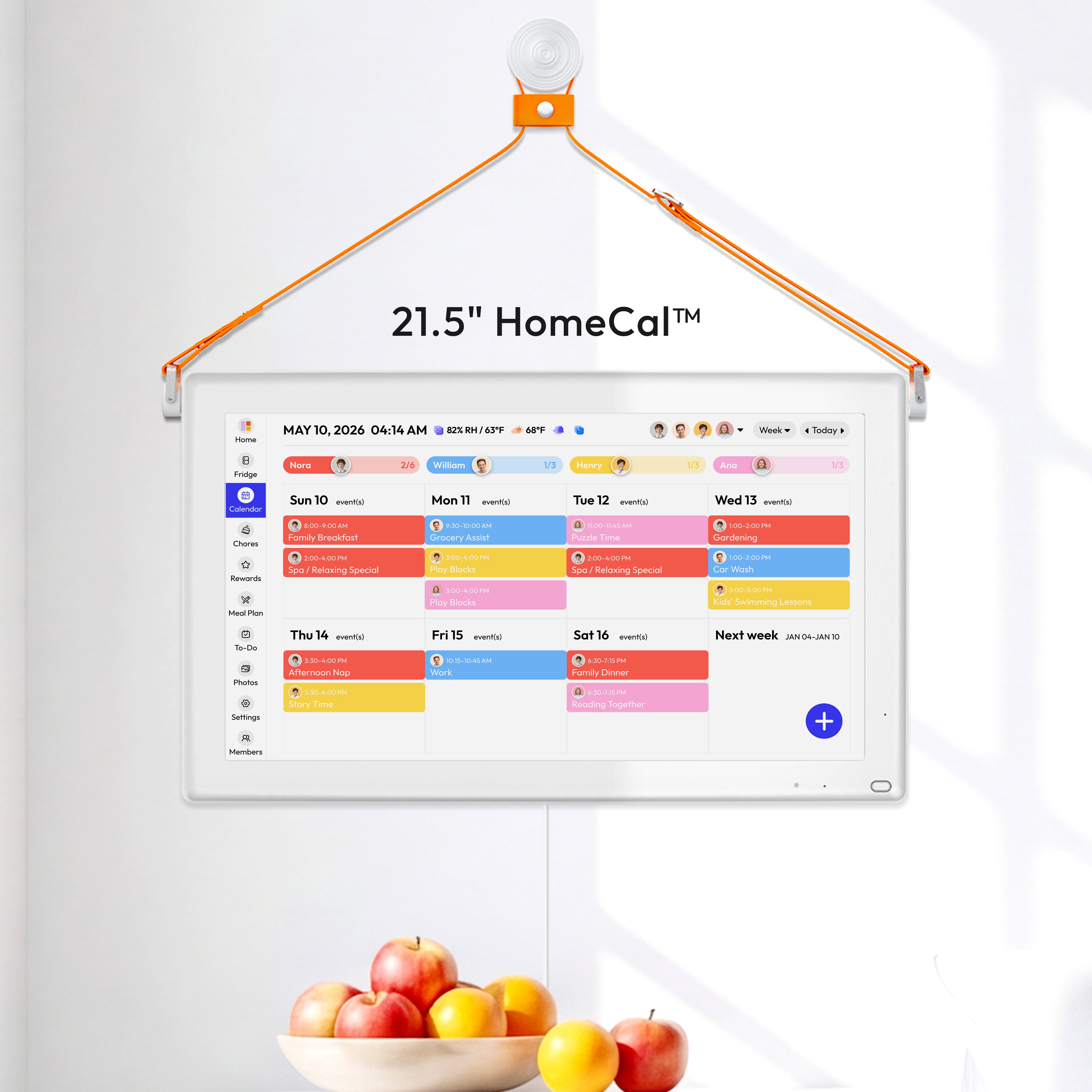
Managing these shifts is so much easier when the whole family can see the plan. A central hub, like a digital family calendar, helps everyone stay on the same page and understand when things need to change.
Weaving In Chores And Real Life
One of the best parts about homeschooling is how easily you can blend life skills into your day. Chores aren't an interruption to learning; they are a form of learning. Ditching the idea that you have to save all the housework for naptime is a game-changer for avoiding burnout.
Get your preschooler involved in ways that make sense for their age. This doesn't just lighten your load—it teaches them responsibility, how to follow steps, and builds their fine motor skills.
Simple Ways to Involve Your Preschooler:
- Laundry Day: Let them help move clothes to the dryer or match up all the colorful socks.
- Meal Prep: They can help wash veggies, stir ingredients (with supervision!), or set the table.
- Tidy-Up Time: Turn it into a game. Set a 5-minute timer and see how many toys you can put away together before it buzzes.
When these tasks become a normal part of your rhythm, you’re teaching your child that everyone contributes to the family.
This side-by-side visual shows how these different blocks can fit into either a half-day or full-day routine.
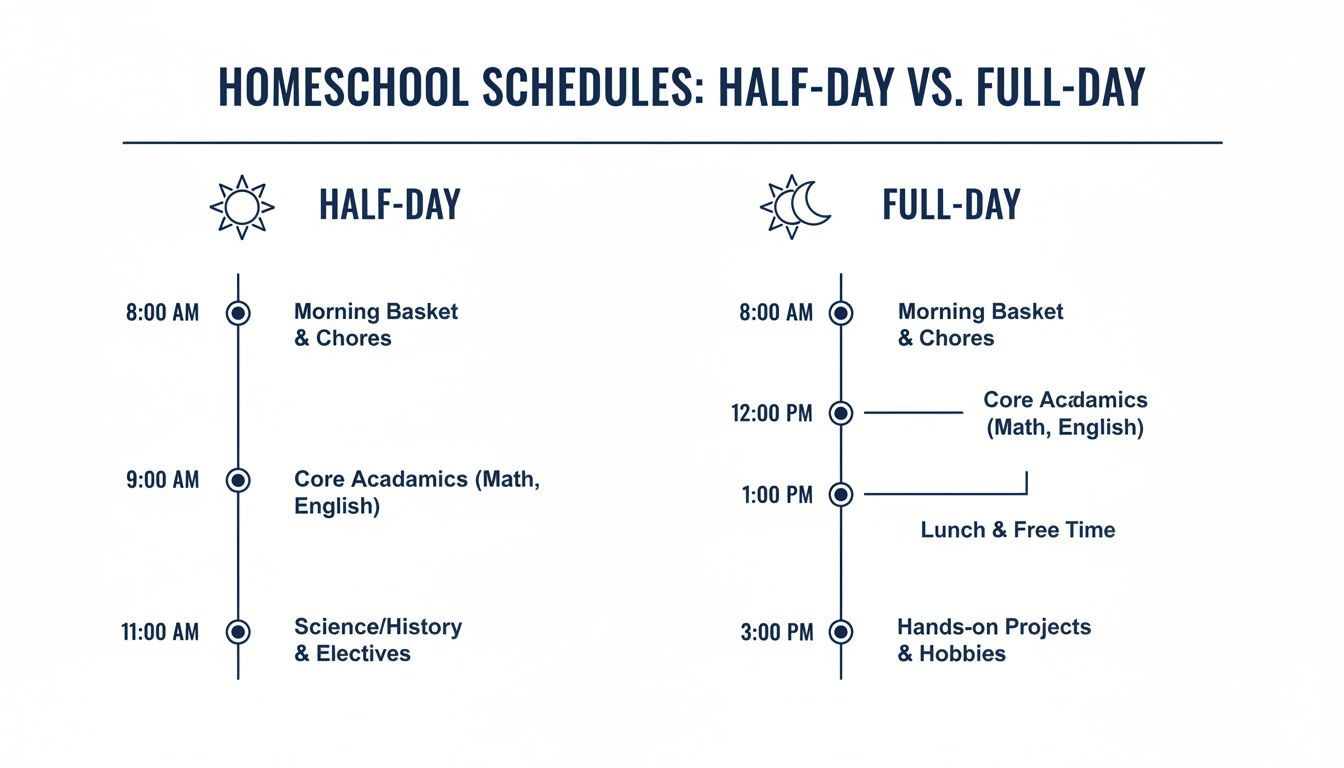
As you can see, both schedules put the most important learning in the morning. The full-day option just builds on that foundation with more time for projects and hobbies later in the day.
Juggling Multiple Ages And Needs
Throwing a baby or a toddler into the homeschool mix can feel… chaotic. But I promise, it's completely doable with a few smart strategies. The goal is to find a rhythm that works for everyone, even if it looks a little different each day.
You're trying to do two things at once: protect that crucial one-on-one learning time with your preschooler while also making sure everyone feels included.
Here’s how you can make it work:
- Use Naptime Wisely: That baby nap is your golden hour. This is the time for the activities that require your full focus, like a craft with tiny pieces or a tricky new math concept.
- Involve the Little Ones: Find activities everyone can do in their own way. While your preschooler is painting, your toddler can "paint" with water and a brush on colored construction paper. During read-aloud time, pick durable board books the baby can gum on safely.
- Create a "Yes" Space: Set up a safe, baby-proofed zone in the same room where you’re schooling. Fill it with engaging, age-appropriate toys so your littlest one can play independently while you sit with your preschooler nearby.
And remember, your older child is learning incredible social skills—like patience and empathy—just by having a younger sibling around. That’s a beautiful, built-in part of the homeschool experience.
Tackling Your Top Homeschooling Questions
Diving into homeschooling your preschooler can feel a bit like you're heading into the great unknown. It's totally normal for a bunch of "what if" questions to start swirling around. Let's clear the air and tackle some of the most common worries so you can feel confident and ready for this adventure.
How Many Hours a Day Should I Homeschool My Preschooler?
This is the big one, right? And the answer is refreshingly simple: you’re probably looking at 1 to 3 hours of playful, structured learning each day. The key word here is playful. We’re not talking about hours spent chained to a desk.
This time is made up of all the good stuff:
- Snuggling on the couch reading stories.
- Counting Legos while you clean up.
- Making a glorious mess with paint at the kitchen table.
- Going on a bug safari in the backyard.
The real goal is to follow your child's lead. Some days, you might only get 45 minutes of focused activity before they're completely over it, and that’s perfectly okay. On other days, they might get so lost in building a fort or creating a story with their dolls that hours fly by. Flexibility will always be more valuable than clock-watching.
How Do I Keep My Preschooler Interested In Learning?
The secret sauce is to make everything feel like a game. Little kids learn best when they’re having fun, so think of yourself as the master of playful learning.
Is your kid obsessed with dinosaurs right now? Awesome. Lean into it. You can count dinosaur toys, read every dinosaur book from the library, and even make fossil prints in play-doh. Variety is also your best friend. Swap out activities and materials regularly. Take the learning from the table to the floor, or better yet, head outside. Music, movement, and sensory bins are your secret weapons for keeping them hooked.
A simple sticker chart for finishing a "learning game" can work wonders, too. When learning is tied to their current passions and feels like an adventure, their natural curiosity does most of the heavy lifting.
What If I Have A Baby Or Toddler At Home Too?
Ah, the classic homeschool juggle. It's a real challenge, but you can absolutely make it work. The strategy is two-fold: involve the little one when you can, and use naptime for anything that requires your preschooler’s full attention.
Set up a safe "yes space" for your toddler with some special toys they only get during homeschool time. Find activities you can all do together, like reading picture books, having a dance party, or going on a nature walk. Your schedule just has to have some extra wiggle room built in to account for everyone's different rhythms and needs.
How Do I Make Sure My Child Gets Enough Socialization?
This is a huge worry for so many parents, but homeschooling doesn't mean your child will be isolated. In fact, it often leads to more meaningful social experiences—you just have to be a little more intentional about it.
Socialization isn't just about being in a classroom with 20 other four-year-olds. It’s about learning how to talk to the librarian, share toys with a friend at the park, and interact respectfully with people of all ages. You can find these opportunities everywhere:
- Join a local homeschool group or co-op.
- Hit up story time at the public library.
- Schedule regular park dates with friends.
- Sign them up for gymnastics, art class, or soccer.
Even a simple trip to the grocery store offers a chance to practice real-world social skills. Your child will have plenty of chances to learn, share, and connect.
Trying to keep all your family's moving parts in sync can be overwhelming. Everblog brings it all together by creating a central, visual hub for your schedules, chores, and meal plans. It makes it so much easier to manage your preschool homeschool rhythm and stay connected as a family. Learn more about how Everblog can simplify your life.


