




You're standing in the spice aisle, staring at cumin, trying to remember what's at home. You buy one just in case. Later, you find two opened jars in the pantry and one unopened jar behind the flour.
That's the moment most families start looking for a pantry inventory app.
The appeal is obvious. You want one place to check what's in the pantry, fridge, and freezer before you shop. You want fewer duplicates, fewer expired surprises, and fewer evenings that start with opening five cabinets and asking what everyone can eat. If you're also trying to reduce food waste at home, the pantry is one of the first places to tighten up your routine.
I've found that the idea works well. The part that gets glossed over is the part that matters most: keeping the system useful after the novelty wears off. A pantry inventory app can save time and reduce waste, but only if your setup matches real family behavior. That means half-used cereal boxes, mystery leftovers, kids opening snacks without telling anyone, and one parent shopping while the other cooks.
Stop Buying Groceries You Already Own
Individuals don't need a lecture on pantry waste. They need relief from the repeat mistakes.
You buy pasta because you think you're out. You skip making soup because you assume there's no broth left. You order takeout because the freezer feels chaotic, even though there's enough food in the house for dinner. These aren't big failures. They're small, constant friction points that pile up in a busy home.
A pantry inventory app exists to answer one question fast: What do we already have?
That sounds simple, but it changes a lot. Grocery shopping gets less guessy. Meal planning stops depending on memory. Family members can check stock without texting each other from the store. Even specialty items become easier to manage, whether it's baking chocolate, allergy-friendly snacks, or the bag of beans you bought to support independent coffee producers and now want to keep organized alongside your pantry staples.
A good pantry system doesn't need to track everything perfectly. It needs to prevent the mistakes you make over and over.
The useful shift is mental. Instead of treating the kitchen like a series of separate spaces, you start treating it like one shared inventory. That lowers the odds of buying duplicates and raises the odds that food gets used while it's still appealing.
For families, that matters more than flashy app features. If the app helps you avoid the extra jar of mustard, spot the crackers before they go stale, and build a shopping list from what's missing, it's doing its job.
How a Pantry Inventory App Really Works
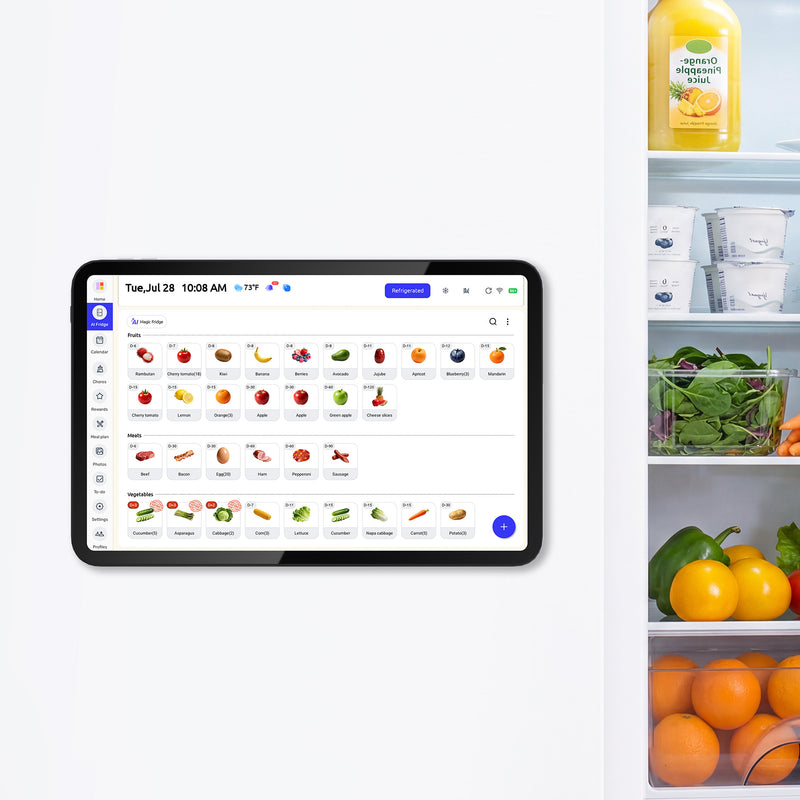
Think of a pantry inventory app as a digital twin of your kitchen. It's not just a note with grocery ideas. It's a record of what you own, where it is, and what needs attention.

The core job
At the simplest level, the app turns food into searchable entries.
A foundational fact about this category is that pantry inventory apps are built around barcode-based item capture and structured inventory fields such as quantity, expiration dates, and price, which shifted home pantry management from manual lists to searchable digital records. That broader evolution moved pantry tools beyond note-taking and into identification, counting, and replenishment workflows in one place, as described by My Pantry Tracker.
In practice, that usually looks like this:
- Scan packaged items with your phone camera.
- Add produce and bulk goods manually when there's no barcode.
- Assign useful details like location, quantity, and expiration date.
- Search or filter later when you're cooking or shopping.
Why this feels different from a paper list
Old pantry systems relied on memory, sticky notes, or a list on the fridge. Those methods break down fast because they aren't searchable and they don't update well across a household.
Modern apps became viable because phones made barcode capture easy and cloud syncing made shared access possible. This was a major breakthrough. One person can add groceries in the kitchen, while another checks the list from the store on a different device.
Here's where people get tripped up. The app isn't “smart” unless the information is structured well enough to act on. If you only enter “beans,” that's not very helpful. If you enter black beans, quantity two, pantry shelf two, use-first item, that record can support meal planning and shopping decisions.
What gets tracked well and what doesn't
Some foods fit this system naturally. Others don't.
| Item type | Usually easy to track | Usually harder to track |
|---|---|---|
| Packaged pantry goods | Cereal, pasta, canned tomatoes | Opened snack bags with vague remaining amounts |
| Fridge basics | Yogurt cups, milk, eggs | Leftovers in unlabeled containers |
| Freezer items | Bagged vegetables, frozen meat | Batch-cooked meals without clear portions |
That's why the strongest pantry inventory app isn't necessarily the one with the most features. It's the one that lets you capture the foods you buy and update them without friction.
Real-World Benefits for Busy Families
The biggest practical benefit isn't that the app is organized. It's that your household stops making the same avoidable mistakes.

A pantry inventory app matters because food waste is not a tiny household annoyance. The United Nations Environment Programme's Food Waste Index reports that 1.05 billion tonnes of food were wasted globally in 2022, with households responsible for 631 million tonnes, or 60% of the total according to the UNEP figure cited here. That gives these apps a clear purpose: help families see what they already have before they buy more and help them use food before it spoils.
Less waste starts with visibility
When families can see pantry stock, fridge basics, and freezer backups in one place, they buy with more confidence. You stop relying on memory. You stop overbuying “backup” items because no one knows what's left at home.
That doesn't mean every household will maintain a perfect inventory. It means even partial visibility can improve everyday decisions. If you know you already have taco shells, black beans, and salsa, dinner comes together faster and the store run gets shorter.
Practical rule: Track the foods you repeatedly overbuy first. That category gives you the fastest payoff.
The mental load drops too
The app also helps with a form of kitchen stress that doesn't show up on receipts. Someone in the home is usually carrying the mental list of what's running low, what's hiding in the freezer, and what needs to be used soon.
A shared inventory lowers that burden. Other adults can check the app instead of asking. Older kids can see whether there's enough cereal or string cheese before adding it to a shopping list. Meal planning gets easier because the starting point is visible, not buried in memory.
A short video like this helps show why inventory visibility changes shopping behavior in real kitchens:
Where families notice the difference
The best outcomes usually show up in ordinary moments:
- Midweek dinners get easier because ingredients are easier to find.
- Shared shopping works better because one person's list matches what another person sees at home.
- Expiration awareness improves because someone gets prompted before the yogurt, greens, or deli meat gets forgotten.
- Pantry cleanup becomes more focused because you can target the categories building clutter.
That's why I don't see a pantry inventory app as a novelty tool. In the right household, it acts more like a low-friction operations system for food.
Essential Features and Critical Considerations
When families compare apps, they often get distracted by recipe ideas, attractive dashboards, or category labels. Those can be helpful. They are not the deciding factor.
The deciding factor is whether the app survives contact with your actual kitchen.
Features I'd treat as must-have
These are the features that make a pantry inventory app workable in a busy home:
- Fast item entry. Barcode scanning matters because packaged foods make up a large part of what many families buy. If entry is slow, you won't keep up.
- Multi-device access. If one adult uses iPhone and another uses Android, shared use matters more than clever extras.
- Custom locations. “Pantry” is too broad for many homes. Shelf, freezer drawer, snack bin, and fridge door are more useful.
- Expiration tracking. This is one of the clearest ways the app can help reduce spoilage.
- Simple shopping list handoff. If low-stock items can move into a grocery list, the inventory earns its keep.
If your household needs coordinated shopping, a shared list setup like a grocery list app for family is often just as important as the inventory itself.
Nice to have, but not essential
These features can help, but I wouldn't choose an app based on them alone:
| Feature | Why it can help | Why it may not matter much |
|---|---|---|
| Recipe suggestions | Useful for using ingredients on hand | Often ignored if your family repeats the same meals |
| Price fields | Helpful for comparison and budgeting | Tedious to maintain consistently |
| Detailed quantity units | Useful for baking and bulk storage | Too fussy for everyday snack tracking |
| Photo attachments | Can help identify items fast | Usually unnecessary once categories are clear |
The critical issues most reviews skip
Many app comparisons get shallow concerning this.
First, check privacy. A pantry app can reveal shopping habits, brand preferences, and household routines. Read the privacy policy in plain language. Look for what data is stored, whether the app shares it, and whether you can delete your account data easily.
Second, check device compatibility. This sounds boring until one parent can't use the app properly or a grandparent helping with shopping can't access the list.
Third, look at editing friction. Can you reduce a quantity quickly? Can you remove an item in a tap or two? If the app makes every update feel like paperwork, the system will decay.
Don't choose the app with the longest feature list. Choose the one your household will still be updating next month.
A Realistic Workflow for Setup and Maintenance
This is the point where many individuals give up.
Not because the pantry inventory app failed, but because they tried to create a perfect system in one afternoon and then couldn't maintain it. That's the long-term issue many reviews skip. A key underserved question in this category is whether pantry inventory apps stay useful after the first week, because the main friction isn't setup alone. It's the ongoing manual work required to keep quantities accurate once people start opening, snacking, cooking, and decanting items, as noted in this discussion of the maintenance gap.

Phase one starts small
Don't begin with the whole kitchen. Start with one shelf, one fridge zone, or one freezer drawer.
A small first win does two things. It teaches you the app without exhausting you, and it reveals how much detail you want to maintain. In most homes, a 15-minute blitz is enough to scan a meaningful area and build momentum.
I'd start with one of these:
- High-duplicate zone. Spices, canned goods, baking supplies.
- High-waste zone. Produce drawer, dairy shelf, deli drawer.
- High-cost zone. Freezer proteins, specialty snacks, bulk items.
The daily habits that keep it alive
What works isn't “track everything perfectly.” What works is attaching tiny updates to routines you already have.
-
Scan as you unpack groceries
This is the easiest habit to build. Groceries are already on the counter. Add the shelf-stable items and the fridge basics before they disappear into cabinets. -
Remove items at the point of discard
Update the app when the carton goes into recycling or the package hits the trash. That moment is more reliable than trying to remember later. -
Do a weekly correction pass
Pick one recurring time. I like the evening before the main grocery trip. Fix obvious mismatches, delete stale entries, and flag near-expiration items.
The inventory doesn't need to be flawless. It needs to stay trustworthy enough that you'll check it before shopping.
How to handle partial-use foods
Many systems become annoying because flour, cereal, crackers, shredded cheese, rice, and leftovers don't disappear in neat units.
My rule is simple: track exact counts for discrete items, and use broad status levels for everything else.
| Food type | Better method |
|---|---|
| Cans, jars, boxes, yogurt cups | Exact count |
| Flour, sugar, oats, rice | Full, half, low |
| Snack bags and crackers | Opened or unopened |
| Leftovers | Track only if they affect meal planning soon |
That one decision cuts a lot of maintenance burden.
For foods you portion ahead for lunches or batch cooking, storage consistency helps the inventory stay believable. Clear systems for labeling and portion perfection with containers make it easier to know what's ready to use and what needs to be replenished.
What usually fails
A few patterns almost always break the system:
- Whole-house perfectionism. Families scan every item once, then never update again.
- Too much detail. If every apple, scoop of oats, and splash of milk needs tracking, no one keeps up.
- No household rule. One person maintains the app and everyone else ignores it.
- No review rhythm. Small errors pile up until the list feels unreliable.
The strongest setup is boring on purpose. It tracks enough to guide shopping and meal planning, without turning dinner into inventory management.
Integrating Your Pantry with Your Family's Life
Saturday afternoon is when pantry systems usually get tested. One person is meal planning, another is doing a grocery pickup, and a hungry kid has already opened the last box of crackers without mentioning it. If your pantry inventory app cannot hold up in that moment, it will not stay useful for long.
What matters here is not perfect syncing on a product page. It is whether the people in your house can follow the same food plan without extra texting, duplicate buying, or guessing what is already gone. That problem gets harder in co-parenting and blended-family households, where several adults may shop and restock from different places. Public coverage often talks about sharing features, but practical collaboration is more about reducing confusion across devices and routines, as discussed in this overview of grocery list and pantry management app collaboration.
Shared visibility beats perfect tracking
Families usually do better with a system everyone can read quickly than a detailed system one person updates alone.
The app or shared display should answer a few questions fast:
- What is low right now
- What was already purchased
- What should be used first
- What tonight's meal depends on
That is enough to prevent a lot of wasted food and repeat purchases. In my experience, once people have to dig through multiple screens or remember special rules, they stop checking and go back to habit.
When a central hub makes more sense
Some households are not failing because the pantry app is weak. They are failing because no one wants one more phone task.

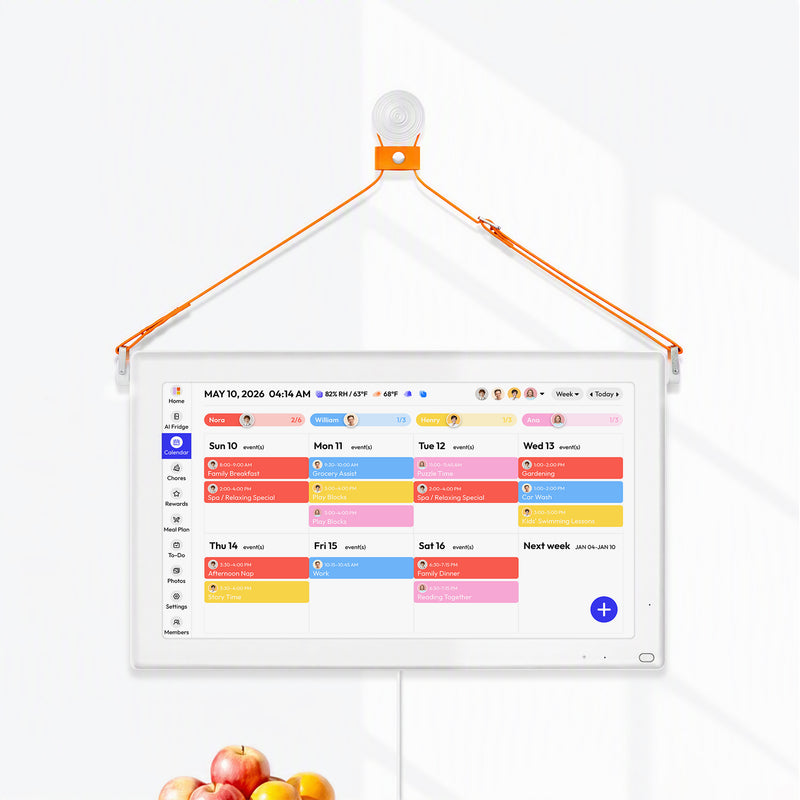
A shared family hub like Everblog handles the problem from a different angle. Instead of relying on item-by-item pantry updates alone, it puts meal planning, grocery visibility, and household coordination in one place that everyone can see. That setup can work better for families who ignore app notifications but respond well to a visible routine in the kitchen. If your food system also breaks down at the fridge, this guide to fridge organization for busy households pairs well with that approach.
Some homes benefit from detailed inventory. Others stay more consistent with one shared place to track meals, groceries, and what needs attention.
Choosing the right system for your home
Use a pantry inventory app if you are willing to maintain item-level tracking for foods that affect shopping decisions often.
Use a shared household hub if your bigger issue is getting everyone aligned on meals, grocery needs, and what has already been handled.
Use both if one adult wants tighter pantry control, but the rest of the family needs a simpler view they will check.
The significant leap is not adding more features. It is building a routine your household will still follow a month from now. The best system is the one people trust enough to use without being reminded.


