


When ADHD paralysis makes a normal chore feel impossible, a visible wall-based micro-task list can turn “I can’t start” into one tiny next action. The goal is not to finish the whole job; it is to lower the starting line enough that your brain and household can move again.
Are you standing in the kitchen staring at backpacks, dishes, mail, and dinner ingredients, unable to choose what comes first? A wall list gives your family one shared place to see the next tiny action, which can reduce repeated reminders, forgotten steps, and the emotional pileup that often follows. This approach works on a fridge, wall calendar, or family command center.
What ADHD Paralysis Feels Like at Home
ADHD paralysis is the stuck feeling that happens when you want to act but cannot seem to begin, choose, or sequence the task in front of you. In a family home, it often shows up as circling the same room, opening and closing apps, snapping at a child over a simple request, or avoiding a chore because it feels too large to hold in your head.

This is not laziness. ADHD commonly affects executive functioning, including task initiation, planning, working memory, and prioritization, and getting started can be one of the hardest parts of the day. When a parent is already tracking school forms, meals, appointments, laundry, medication, work messages, and bedtime routines, even “clean the kitchen” can become too vague to act on.
A practical home example is the after-school pileup. “Reset the house” sounds like one task, but it may actually contain shoes by the door, lunchboxes in backpacks, a sports uniform needing the washer, homework papers on the counter, and dinner still undecided. A micro-task wall list turns that fog into visible choices.
What Is a Micro-Task List?
A micro-task is a very small, clearly defined action. One useful standard defines micro-tasks as tiny to-dos that take about 3 minutes or less, which keeps each step small enough to start even when energy is low.
A micro-task list is different from a normal to-do list. A regular list might say “laundry,” “kitchen,” or “school prep.” A micro-task list says “move wet clothes to dryer,” “throw away counter trash,” or “put signed folder in backpack.” The wall matters because visibility removes one more step: no unlocking a cell phone, no hunting for a notebook, and no remembering where the plan lives.

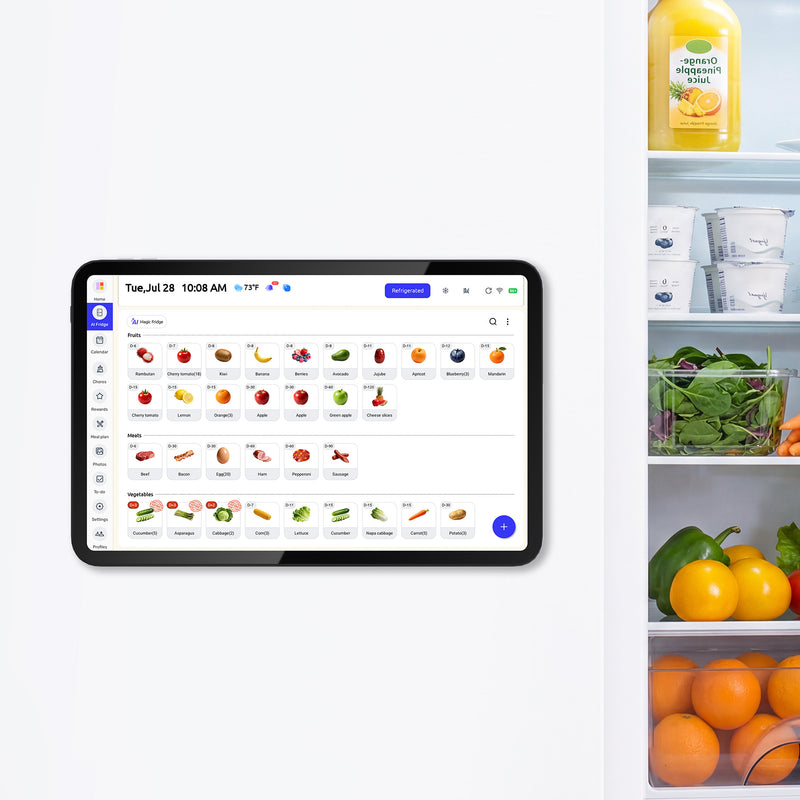
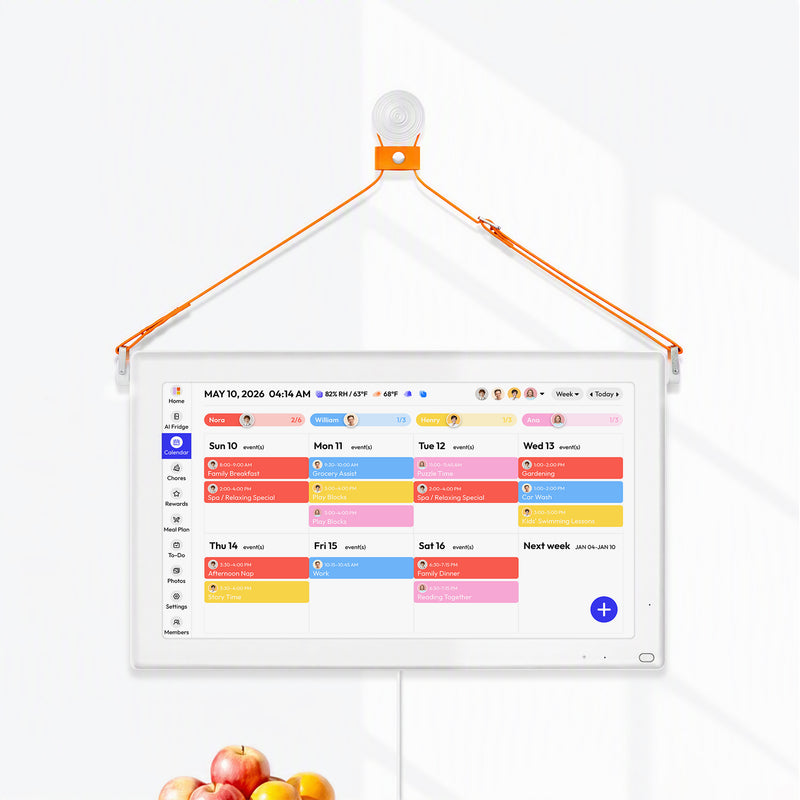
For many households, the best surface is the fridge because everyone passes it. A digital fridge calendar, magnetic whiteboard, acrylic wall calendar, or command center can all work. The point is that the list is always visible from the flow of family life, not hidden in a drawer or buried inside an app.
Why the Wall Works for ADHD Brains and Busy Families
To-do lists can help adults with ADHD by acting as an external memory aid, especially when tasks are specific, action-oriented, and separated from larger long-term lists. Guidance on to-do lists emphasizes this kind of structure, and a wall list strengthens the benefit by putting the next step in the environment instead of asking working memory to keep carrying it.
Visibility also supports family cooperation. A home command center can serve as a central place for calendars, notes, and reminders, and that kind of family organization works best when it matches the household’s actual routines. In practice, this means a child can check “put lunchbox by sink” without waiting for a parent to issue the same reminder five times.
A digital fridge calendar adds a useful layer when your family needs syncing, reminders, and recurring routines. A parent can keep the micro-task reset visible on the wall while appointments and meal plans stay connected to shared calendar tools. The combination is especially helpful when one person has been carrying the invisible mental load and needs the system to distribute responsibility more fairly.
The Micro-Task Reset Method
Start with one stuck place, not the whole house. If the kitchen is the pressure point, the wall list should focus only on the kitchen reset. If mornings are the hardest, focus only on the first 20 minutes after wake-up. A narrow list is kinder to the brain and easier for the family to trust.
Write each task as the next visible action. For an ADHD task list, vague entries can create more stress instead of helping with follow-through; an effective task should be actionable enough to begin later without rethinking it. “Dinner” becomes “put frozen chicken in fridge,” “set rice cooker,” or “text Sam’s parent about pickup.” “Bills” becomes “open electric bill,” then “write due date on calendar.”

Keep the list short. A good wall reset list has enough choices to create momentum but not so many that it becomes another overwhelming object. For a family fridge calendar, five to seven visible micro-tasks is often enough for one reset block. If you need a larger brain dump, keep it separate from the daily wall list and move only a few items onto the wall at a time.
Use a timer as a reset boundary. A 3-minute timer works well for one micro-task, while a 10-minute family reset can work after dinner or before bedtime. The message to the household is simple: we are not cleaning the whole house; we are moving the next few things forward.
A Realistic Wall Setup for a Digital Fridge Calendar
If you use a digital fridge calendar, create a recurring “Reset” block at the same time each day, such as 7:15 PM after dinner or 7:40 AM before school departure. Inside that block, keep the visible checklist brief and concrete. If your calendar allows color coding, use one color for shared household tasks and one color for each family member’s personal tasks.
A practical evening reset might show a short sequence in plain language: backpacks by the door, lunchboxes emptied, one counter cleared, tomorrow’s first appointment checked, and laundry moved once. Written as micro-tasks, those steps are small enough for different family members to claim without a long discussion.
Family organization apps and shared calendars can reduce stress when they improve visibility and coordination. The wall list should still stay simpler than the app. Use apps for storage, syncing, and recurring events; use the wall for the next action the household needs to see right now.
Pros and Cons of Wall-Based Micro-Task Lists
Approach |
Best Use |
Pros |
Cons |
Paper sticky notes |
Short resets and quick capture |
Flexible, cheap, tactile |
Easy to lose or clutter |
Fridge whiteboard |
Daily household routines |
Highly visible and simple |
Requires manual updates |
Digital fridge calendar |
Shared schedules plus micro-tasks |
Syncs, repeats, and stays visible |
Can become cluttered if overfilled |
Cell phone app only |
Personal reminders on the go |
Portable and searchable |
Easy to ignore or dismiss |
The main advantage of a wall system is that it reduces the need to remember to remember. It also makes support less personal and less tense. Instead of one parent saying, “Why haven’t you done this yet?” the wall calmly shows what comes next.
The main drawback is maintenance. Any visible system can become visual noise if it is overloaded. Digital planning tools can also become too complex when families add every feature at once, so choose the features people will actually use consistently rather than the most impressive setup.
How to Keep the System From Becoming Another Chore
Anchor the list to a routine that already exists. A micro-task reset after dinner is easier than one that depends on remembering a random time. A morning wall check beside the coffee maker or cereal shelf works better than a planner stored in an office.
Add one source of gentle motivation. A dopamine menu is a prepared list of healthy, enjoyable activities that can help with motivation when starting feels hard. At home, that might mean playing one favorite song during the reset, lighting the kitchen, drinking cold water, or letting a child choose the first micro-task.

Review unfinished tasks without blame. If “sort mail” sits on the wall for four days, it is probably too large, too boring, missing information, or not actually important right now. Rewrite it as “recycle junk mail,” “open school envelope,” or “put tax letter in folder.” The list is giving you data, not a character report.
When Micro-Tasks Are Not Enough
Micro-task lists are a support tool, not a full treatment plan. If ADHD paralysis is causing missed work, unsafe driving, unpaid essential bills, frequent family conflict, depression symptoms, or daily distress, it is worth talking with a qualified clinician or ADHD-informed coach. Household systems work best when they sit alongside appropriate medical, therapeutic, educational, or coaching support.
The wall list also should not become a way to assign all household management to the person who is already overwhelmed. A family organization system is healthier when everyone who can participate has visible ownership. A 10-year-old may be able to handle simple chores when taught safely and clearly, while younger children can still manage tiny visual tasks like putting shoes in one bin or placing a folder by the door.
A Gentle Starting Plan for Tonight
Choose one wall surface and one stuck routine. Write three micro-tasks that each take about 3 minutes or less. Set a timer, complete one, and stop there if that is all the household has capacity for.
Tomorrow, keep what worked and rewrite what did not. A good family system should lower stress, not demand perfection. The real win is a home where the next step is visible, small, and shared enough that nobody has to carry the whole day alone.


