






The easiest way to reduce reminder fatigue is to stop running the household by memory and repeated talking. Put schedules, chores, meal plans, and school details into one shared system that other people can check without asking you first.
If you are the one answering “What time is pickup?” and “What’s for dinner?” on repeat, the problem is often the system, not your effort. In one real-parent app test, a shared calendar setup took under 10 minutes, and families using visible home hubs report fewer repeated questions when the information sits where people actually pass it. What may help is a simple mix of shared visibility, clear ownership, and a short weekly reset.
Why Parents End Up as the Reminder System
The real problem is hidden information
Shared household systems reduce stress when schedules, tasks, and daily needs stop living in scattered notes or one person’s head. That invisible job is often called the mental load: remembering the dentist form, the library book, the snack sign-up, the grocery gap, and the fact that Thursday pickup moved to 4:15 PM. When only one parent holds that map, everyone else naturally asks that parent.

Reminder fatigue also grows when jobs are “helped with” but not fully owned. If one adult notices the empty lunch supplies, another adult shops sometimes, and a child is supposed to pack a bag, the first adult still has to track the whole chain. That is why constant prompting feels less like communication and more like unpaid project management.
Nagging is often a systems leak
Uneven chore and planning loads commonly turn into resentment when one person becomes the default point person. A family usually does not need more reminders first. It needs fewer hidden steps, fewer vague handoffs, and a clearer answer to “Who owns this from start to finish?”
Should You Use a Digital Calendar, a Visible Command Center, or Both?
Digital works best when plans move
A shared digital calendar is usually the backbone for busy families because updates show up in real time across phones and computers. That matters when school events shift, practices get added, or one parent is away from home. A digital system also helps if grandparents, sitters, or co-parents need the same information without waiting for a text chain.
A real-parent comparison of family calendar apps found that tool choice depends on device mix, child age, and whether you need chores and lists or just scheduling. In practical terms, a calendar platform is often the low-friction option for mixed-device households, another calendar platform is fine for single-ecosystem homes that mainly need dates, and family organizer apps make more sense when you also want shared lists and family tasks in the same place.
A wall hub works best when people need to see it on the way by
A family command center helps most when it sits in a high-traffic area and gives the household one visible place for calendars, papers, keys, and reminders. Placement matters more than aesthetics. One parent who first used a small setup near a side door found it was easy to ignore; moving it to a larger wall where the family actually passed increased use.

Simple command centers tend to work because they combine five useful features: a visible calendar, a drop zone, paper storage, basic supplies, and a location the family already uses. That can be a garage entry, a kitchen edge, or a narrow hallway wall. The point is not to build a display inspired by a visual platform. The point is to make the next step obvious at 7:15 AM.
Many families do best with both
A kitchen command center often handles the glanceable parts of family life while a shared app handles updates outside the house. That split is practical. The wall can show this week’s meals, incoming papers, and today’s must-remember items. The phone can handle calendar changes, grocery adds from work, and pickup coordination on the move.
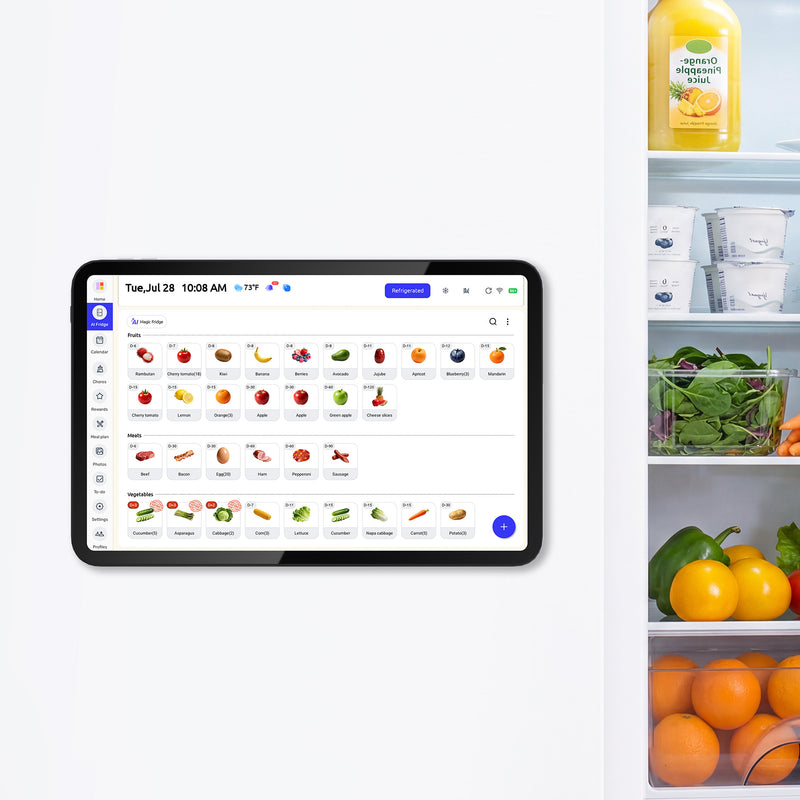
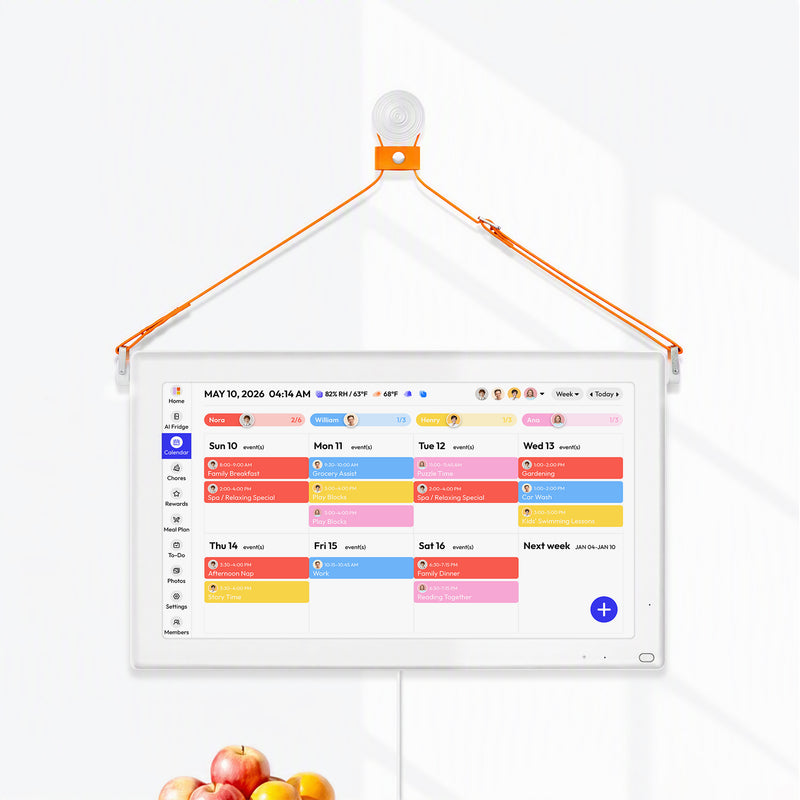
For families who prefer a screen instead of a paper calendar, a wall-mounted shared display like the Everblog 21.5" Digital Calendar can serve the same role by keeping plans, tasks, chores, and events visible in one place.
Make Chores, Meals, and Paperwork Visible
Give recurring jobs one owner
A shared family system works better when each recurring task has a clear point person who closes the loop. “Close the loop” means the same person notices, plans, does, and finishes the task, instead of waiting for another adult to remind them. For example, “school lunch” is not just packing food. It includes checking supplies, noticing spirit days, and replacing what ran out before Sunday night.
Writing down all responsibilities and assigning one person to each task is a practical way to reduce household friction. A simple family list can include daily jobs like dishes and homework checks, weekly jobs like laundry and groceries, and monthly jobs like form deadlines or supply restocks. Fairness does not have to mean identical task counts. It usually means the load feels visible and discussable.

Put meals, lists, and chores in the same system
Shared lists help when they cover the three categories families use constantly: shopping, team to-dos, and packing or activity lists. If dinner planning lives on the fridge, groceries live in one parent’s phone notes, and camp packing lives in a text thread, reminders multiply. When those items sit in one shared place, fewer details need to be repeated out loud.
Family organizer apps that combine calendar, chores, homework, shopping, and meal planning can cut down on app switching and “Did you see my message?” moments. Some tools also allow recurring tasks, child accounts without email, and shared-device use, which can matter for younger kids or homes where not everyone has a personal phone.
Keep the home hub small enough to maintain
A useful command center does not need a full remodel; even a budget-friendly setup around $75 can cover the basics. Start with the items that reduce the most verbal traffic: a calendar, a paper zone, a meal plan, a short to-do area, and hooks or bins for things that otherwise get lost near the door.
How to Get Partners, Kids, and Caregivers to Actually Use It
Start with low friction, not a perfect system
Families are more likely to stick with a system when they start with one or two tools, explain the purpose, and hold a short weekly check-in. That approach matters because overbuilding creates a second burden: now someone has to maintain the planner itself. A shared calendar plus one home drop zone is often enough to begin.
Choosing a calendar app based on real household habits makes adoption easier than chasing the “best” feature list. If your family already lives in an email platform, lean into that. If one parent needs a weekly email summary, pick a tool that sends it. If kids are young, a more visual app or a wall display may work better than expecting them to check a detailed calendar view on a phone.
Make expectations concrete
Shared systems become more fair when families define what matters, set standards for “done,” and allow different people to complete tasks in different ways. “Clean the kitchen” is too vague for a tired Wednesday. “Load dishwasher, wipe counters, empty lunchboxes, and start tomorrow’s water bottles” is a real handoff.
Simple checklists for morning routines, evening flow, and chores increase predictability for children and caregivers. This is especially useful when someone struggles with executive function, which means the everyday skills of starting, remembering, and finishing tasks. A visible list does not diagnose or treat anything, but it can reduce the need for repeated spoken prompts.

Use reminders carefully
Adjustable notifications can help when they replace last-minute yelling rather than create a second layer of noise. A good reminder should point to a shared system, not turn one parent into customer support for the system. If every event sends alerts to one adult only, the tool is not actually distributing the load.
Practical Next Steps
Build the first version in one short session
A practical command-center setup starts by listing what your family really needs to track, then testing the wall layout before mounting anything. Printer paper taped to the wall is enough to test spacing for calendars, hooks, and paper bins. That small step prevents wasted holes and also forces a better question: what belongs here because people need it daily?
A shared planning system stays useful when it gets a short maintenance reset, like emptying the mail sorter and updating reusable calendars once a week. Ten minutes on Sunday can prevent five separate reminder loops by Tuesday.
Action checklist
- Pick one shared calendar and put every appointment, practice, school event, and deadline in it.
- Choose one visible home spot for papers, keys, backpacks, and this week’s top reminders.
- Assign one owner to each recurring task, including the planning part.
- Add one shared meal plan and one grocery list that both adults can update.
- Create one short morning checklist and one short evening checklist.
- Hold a 10-minute weekly check-in to review conflicts, meals, rides, and forms.
- Remove anything from the system that nobody actually checks.
FAQ
Q: What works better for busy families: a digital family calendar or a wall command center?
A: A digital calendar usually works better for changing schedules and remote coordination. A wall command center works better for glanceable reminders at home, especially near the door or kitchen. Many busy families do best with both: digital for updates, visible for daily follow-through.
Q: How do I stop being the default reminder parent without dropping important things?
A: Move the information into a shared place first, then assign real ownership. Start with the highest-friction areas, usually school events, meals, and recurring chores. If you still have to remember, check, and prompt, the task is not truly shared yet.
Q: Will a shared system help if a child or adult struggles with follow-through?
A: It may help with visibility and consistency, especially when routines are written in short steps and checked in the same place every day. It is not a treatment or diagnosis tool. It is a way to make expectations easier to see, easier to remember, and easier to discuss without blame.
Disclaimer
This article is for household planning education only. It is not a substitute for mental health care, medical advice, legal advice, or crisis support. If safety, custody orders, or a diagnosed condition are involved, work with the appropriate licensed professional.
References
- The Best Way to Create a Functional Command Center for Your Family
- Organization Systems for Home That Keep Families and Caregivers in Sync
- Shared Household Responsibilities: Creating Family Systems
- The 10 Easiest Family Command Centers to Get Organized
- Best Shared Family Calendar Apps (Tested by a Real Parent)
- DIY Command Center Wall for Busy Moms
- Creating Harmony at Home: A Guide to Splitting Household Chores
- A family organizer app


