


Calm planning works better for most families because it lowers how much one person has to remember alone. In real life, that usually means one shared calendar and one visible home planning spot instead of a pile of separate apps, texts, and sticky notes.
If your mornings feel like a scramble of lunch questions, missing forms, and last-minute pickup changes, the problem is often not motivation. In one study of 3,000 US parents, mothers reported handling 71% of household mental-load tasks, which shows how easily family planning can pile up on one person. A calmer system helps the whole house see what is happening, what needs doing, and who owns it.

Why Hustle Planning Breaks Down at Home
Mental-load tasks often fall unevenly at home, and that is a big reason hustle-style planning feels so exhausting. Even when both adults are busy, one person often ends up tracking school dates, meals, gifts, forms, practices, and who needs to be where by 5:30 PM.
Fragmented tools make one parent the default logistics manager, especially when plans are split between text threads, memory, paper notes, and phone reminders. A family can look organized from the outside and still run on constant private follow-up. That is not shared planning. It is one person managing everyone else’s awareness.
The soft-productivity answer is not to do more planning. It is to make planning easier to see, easier to use, and easier to share. At home, that usually comes down to fewer tools, clearer ownership, and routines that repeat without fresh decision-making every day.
What Calm Planning Looks Like in Practice
One digital source of truth
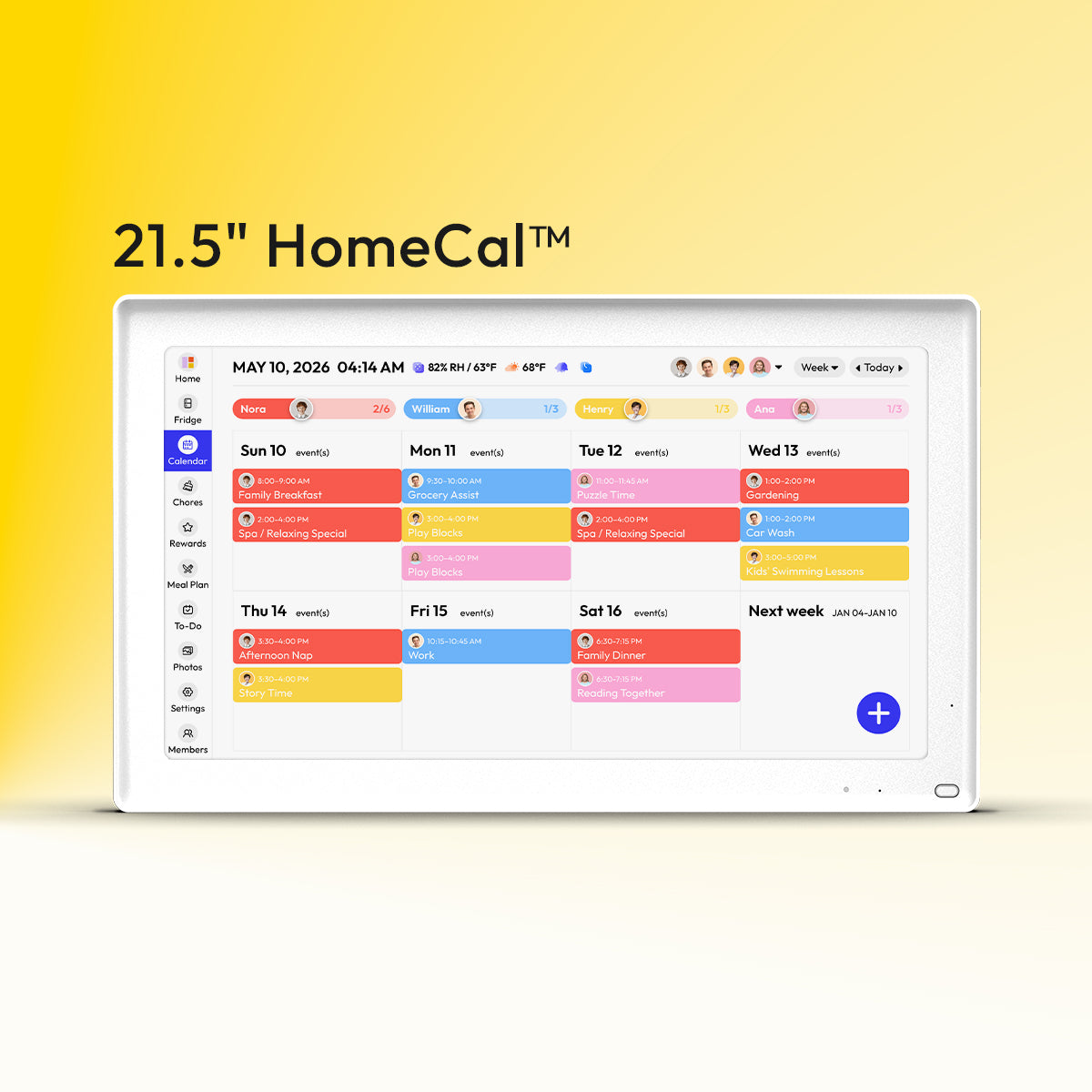
A shared family calendar works best when appointments and activities live in one place. That gives everyone the same view of school events, practices, doctor visits, grocery runs, and dinner plans, instead of forcing one adult to translate scattered information for the rest of the house.

The key is to reserve that calendar for real commitments, not every nice idea. Put in pickups, games, appointments, school deadlines, travel, and guests. If your system also holds chores, shopping lists, and meal plans, that is useful, but the calendar itself should stay clean enough to read at a glance.
One visible home hub
A family command center helps when it sits in a high-traffic spot, such as the kitchen, mudroom, or the path from the garage to the house. The point is not decor. The point is that people actually pass it, notice it, and use it without being reminded.
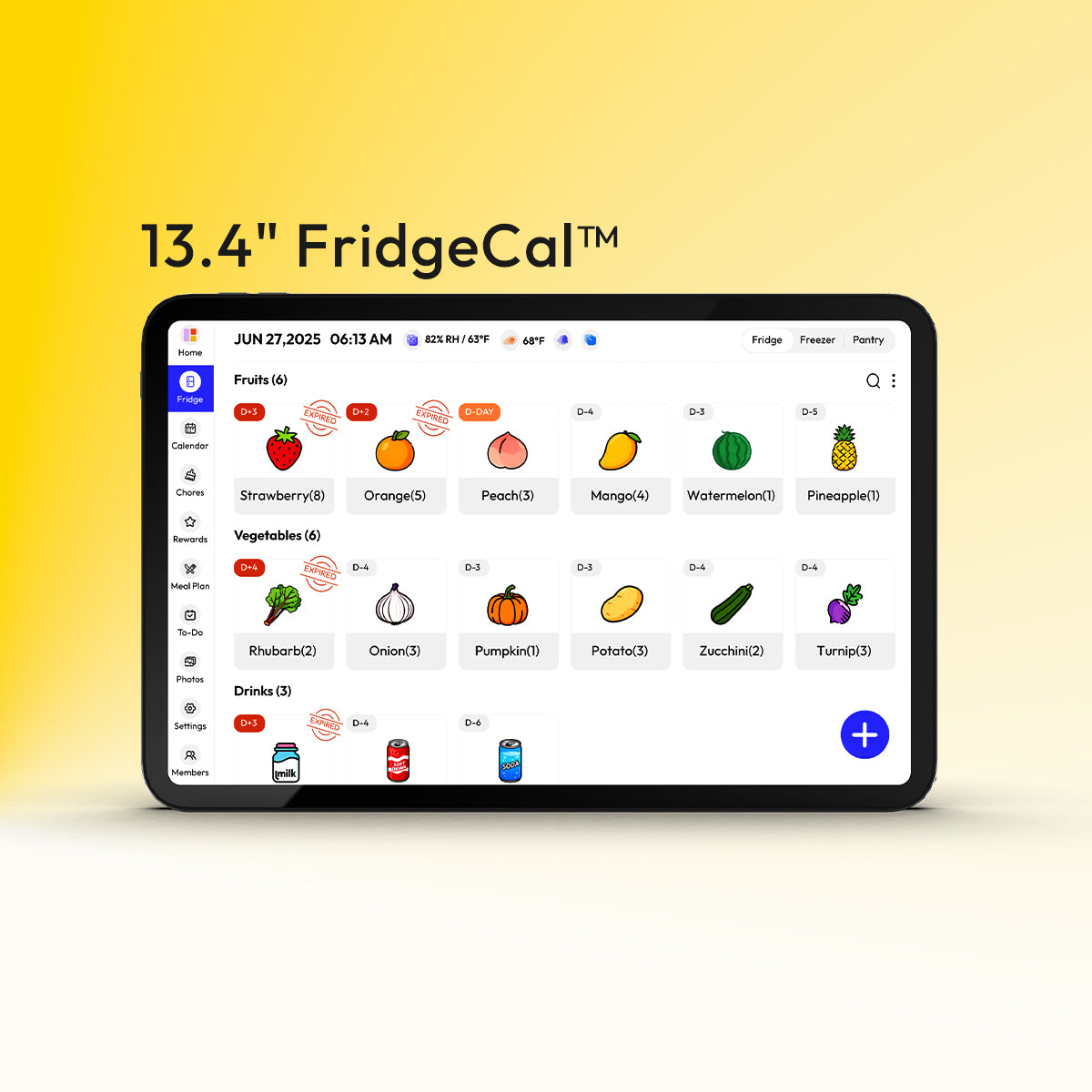
Command centers do not need a lot of space to work. A fridge side, a cabinet door, a narrow wall, or a small desk area can be enough. For families who want a digital wall view, the Everblog digital calendar is one example of a wall-mounted family calendar that helps keep plans, tasks, chores, and events visible on one screen.

The Routines That Lower Daily Friction
Meal planning that stays small
A 10- to 15-minute Sunday meal plan can take a lot of pressure out of the week, especially when it covers only three or four dinners instead of every bite your family will eat. That is often enough. Leftovers, repeat meals, and one flexible night keep the plan realistic.
Calm meal planning also favors repetition over novelty. A three-week dinner rotation, a regular leftovers night, and a few prep-ahead habits are easier to maintain than chasing fresh ideas every day. When dinner planning is predictable, fewer decisions spill into the rest of the household.
Chores with visible ownership
A simple rotating chore system can reduce arguing and forgetfulness, especially when each child or adult owns one main job for a full week. Repeating the same task daily for that week is easier than assigning a different job every morning and hoping someone remembers.
Sharing the mental load works better when families divide ownership instead of delegating reminders. If one parent still has to notice the full trash, remind a child twice, and check whether the dishwasher was emptied, the planning burden has not moved. A calmer house gives each person a job from start to finish, with room to swap when life gets messy.
Two short reset windows
The most sustainable chore systems are usually tied to existing parts of the day. One family routine used about 10 minutes before school and 10 minutes after dinner for shared upkeep, which is a useful model because it turns chores into part of the rhythm instead of a surprise interruption. Short reset windows also make the command center more useful, because there is a built-in moment to check it.
How to Choose the Right Mix for Your House
Digital family calendars now range from free shared apps to wall-mounted displays costing about $169.99 to $599 before subscriptions. That makes the right question less “What is best?” and more “What will my family actually check?” If adults already live on their phones, start phone-first. If children and teens ignore phone alerts, add a visible wall view at home.
A combined app can reduce app-hopping when it keeps calendar, chores, shopping, and meals together. That can be helpful for households that want one login and shared reminders. The trade-off is complexity: an app with every feature can create its own clutter if the family only uses two of them.
A hybrid setup is often the calmest choice. Use digital tools for syncing, reminders, and schedule changes. Use the home hub for what people need to see with their eyes when they walk in: tonight’s dinner, this week’s chores, school papers that need signatures, and anything happening before 9:00 AM tomorrow.

Keep the System Calm, Not Perfect
A good command center needs regular updating, but that does not have to mean constant tinkering. A weekly reset is enough for most homes: clear old papers, update the meal plan, check the next seven days, and rewrite the few items that still matter. If the board holds outdated information, people stop trusting it.
Visible organization tends to feel calmer when clutter has a defined place. That is why soft-productivity families usually do better with fewer categories, fewer bins, and less paper on display. Keep daily-use items accessible, but keep the visual field simple enough that the system does not start shouting at everyone.
The best sign that your setup is working is not that it looks impressive. It is that the house asks fewer repeat questions. People know where to look, what is due, and what belongs to them.
Practical Next Steps
A calm family planning system should make daily life lighter, not more elaborate. If you want that soft-productivity feel at home, start with one shared calendar, one visible command center, and a few repeat routines that the whole family can actually maintain.
- Put every fixed commitment for the next 14 days into one shared digital calendar.
- Choose one visible home spot for planning, even if it is only part of a fridge or a 2-ft wall section.
- Limit the command center to the week’s essentials: calendar, meal plan, chore list, action papers, and a grocery list.
- Give each repeat chore one owner at a time, and rotate only on a set day.
- Set two short reset windows, such as 10 minutes before school and 10 minutes after dinner.
- Do a Sunday reset: update meals, scan the week ahead, clear stale papers, and check what needs a reminder.
- Remove anything from the system that nobody checks, updates, or needs.


