






A meal plan that works is a visible, flexible family system that fits your real calendar, uses food you already have, and makes busy nights easier than takeout.
Is dinner becoming a nightly negotiation between hungry kids, tired adults, and a delivery app that feels easier than opening the fridge? A simple written plan can reduce extra grocery trips, decision stress, and food waste while helping family members pitch in before dinner gets tense. Here is how to build a meal plan that feels calm, realistic, and repeatable instead of like one more chore.
Why Takeout Becomes the Default
Takeout usually wins when the family is hungry before the plan exists. By 6:00 PM, you are not just choosing food; you are juggling homework, practices, work messages, dishes, and everyone’s preferences at once. That is why a realistic meal plan has to be built around energy, timing, and visibility, not just recipes.
Deciding meals ahead of time works best when you also check what food is already available, make a shopping list, and post the plan where the household can see it. That last part matters. A plan hidden in one parent’s phone still leaves one person carrying the mental load.
There are real tradeoffs. Meal planning takes some upfront thought, and it can feel rigid if every dinner is assigned with no room for life. The upside is stronger: fewer emergency purchases, less spoiled food, a clearer grocery list, and a calmer answer to “What’s for dinner?”
Start With the Calendar, Not the Cookbook
The first mistake families make is choosing meals before looking at the week. A slow-cooked roast might be perfect for Sunday, but it is a poor fit for the night everyone gets home at 7:15 PM. Open the family calendar first and mark the nights that need speed, leftovers, or planned eating out.
Three to five shared meals a week can still support connection, and breakfast, lunch, or a shared snack can count when dinner is not realistic. That can be a relief for families with sports, split shifts, or teens coming and going.
For example, if Tuesday has soccer until 6:45 PM, do not write “new lasagna recipe” on Tuesday. Write “chicken quesadillas with fruit” or “leftover rice bowls.” If Thursday is open, that is the night for a new soup, baked pasta, or a meal that creates leftovers for Friday.
Build a Small Core Menu
A meal plan becomes easier when you stop starting from a blank page. Create a short list of family-approved meals that you can make without drama. These are not necessarily impressive meals. They are the dependable ones: tacos, spaghetti, burrito bowls, breakfast for dinner, sheet pan chicken, rice bowls, soup, pizza night, grilled cheese with tomato soup, or rotisserie chicken with salad and bread.
Themes reduce decision fatigue. Taco Tuesday, pasta night, slow cooker Sunday, leftover night, and breakfast-for-dinner night narrow the question from “What could we possibly eat?” to “Which taco filling do we have?” That smaller decision is often the difference between cooking and ordering.
A good starter plan might include two family favorites, one leftovers night, one very fast pantry meal, one flexible bowl or taco meal, one meal that creates extra protein, and one planned night off. This is realistic because it respects both nourishment and capacity.
Use the Fridge as the Family Command Center
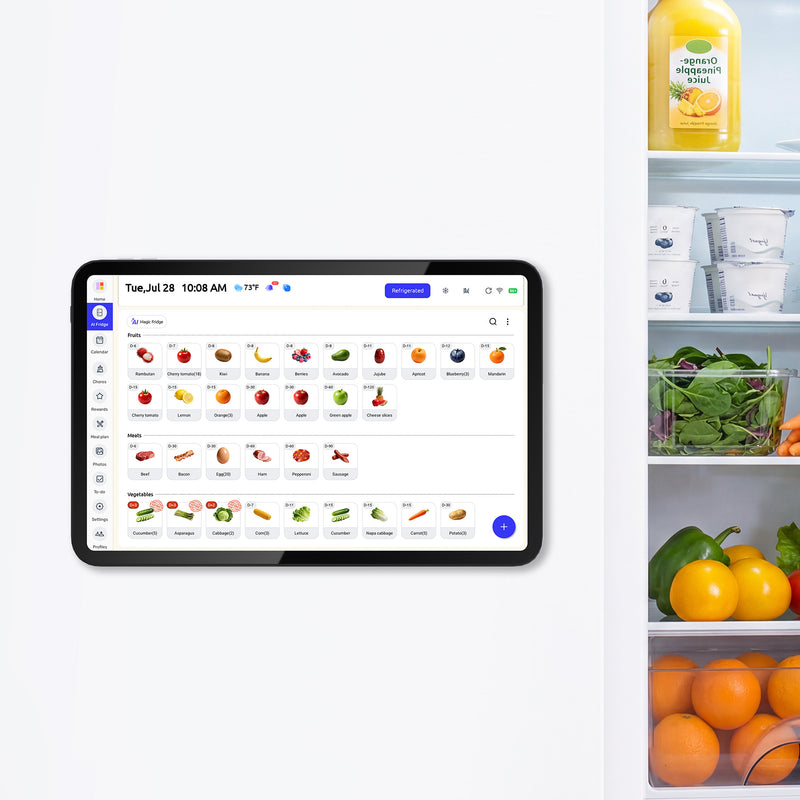
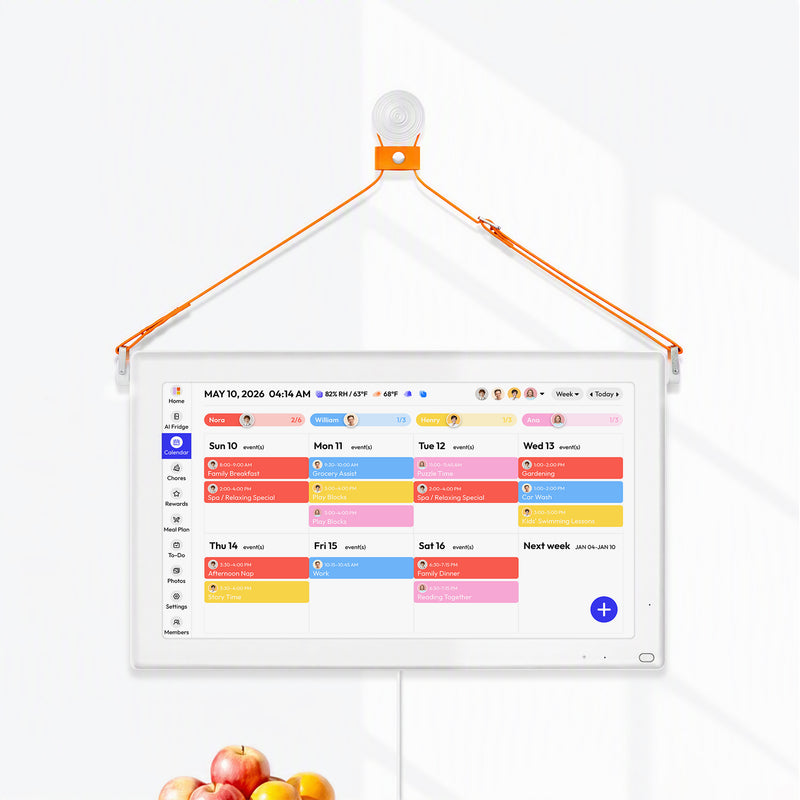
A visible plan changes the household dynamic. When the dinner plan is posted on the refrigerator or a shared digital calendar, kids can see what is coming, another adult can start rice, and the person walking in first can pull meat from the freezer. The plan becomes a shared reference instead of one parent’s invisible responsibility.

Meal planning also lets family members help with simple prep, such as washing greens or peeling vegetables, once the plan is posted. That small shift has a big emotional payoff. It turns dinner from a solo rescue mission into a family routine.
A shared digital calendar can make this even smoother. Put the meal name, the thaw reminder, and the prep owner in the same place as activities. “Wednesday: pasta bake, thaw sauce AM, Sam sets table” is more useful than “pasta” buried in a notes app.
Plan Leftovers on Purpose
Leftovers should not be treated as accidental containers that may or may not get eaten. They are one of the best tools for stopping takeout because they create a future low-effort meal.
A practical “cook once, eat twice” rhythm works well. If you bake extra chicken on Monday, Wednesday can become chicken wraps, chicken fried rice, or salad bowls. If you make a pot of chili, freeze two smaller containers for lunches or a future busy night. If you cook rice, make enough for bowls, burritos, or stir-fry.

Planned reuse can turn extra protein from one dinner into wraps, casseroles, pasta, or another fast meal later in the week. The key is to write the second use into the calendar. Otherwise, the food sits in the fridge until it no longer feels inviting.
Choose the Right Planning Rhythm
Some families do well with weekly planning because their schedules change often. Others prefer monthly planning because they hate repeating the planning process every Sunday. Neither approach is morally better; the right one is the one your household will actually maintain.
Planning Style |
Best For |
Main Benefit |
Watch-Out |
Weekly plan |
Changing schedules, picky eaters, fresh shopping |
Flexible and easy to adjust |
Requires a regular planning habit |
Monthly plan |
Families who like routines and bulk shopping |
Fewer planning sessions |
Needs room for swaps and changes |
Theme-night plan |
Decision fatigue and young kids |
Fast choices and predictable rhythm |
Can feel repetitive without small variations |
App-based plan |
Shared lists, recipe saving, grocery pickup |
Convenient and organized |
Can become overbuilt if the family ignores it |
A four-week cycle works especially well when families note special dates first and repeat categories such as tacos, slow cooker meals, pizza, or leftovers. A monthly plan does not need 28 unique dinners. In fact, repeating dependable meals is what makes it sustainable.
Keep Shopping Intentional
The grocery list is where a meal plan becomes real. Before adding anything, check the pantry, fridge, and freezer. If you already have rice, black beans, frozen corn, tortillas, and shredded cheese, you are close to burrito bowls or quesadillas. Planning from what you own first reduces waste and keeps the bill steadier.
Starting with inventory helps families avoid overbuying and use ingredients already on hand. This is especially helpful when the fridge has half-used produce, open sauces, or proteins that need to be cooked soon.
A simple calculation can make the benefit obvious. If one unplanned takeout dinner costs $45 for a family and a planned pasta dinner costs $12 to $18, skipping just two emergency orders in a month may free up roughly $54 to $66. That is enough to restock pantry basics, buy better lunch supplies, or cover a planned restaurant meal without guilt.
Make Busy-Night Meals Boring in the Best Way
Every family needs a few dinners that can happen in 20 minutes with almost no thinking. These are not failure meals. They are the safety net that keeps takeout from becoming the only backup.
Good examples include eggs with toast and fruit, bean and cheese quesadillas, frozen meatballs with pasta, tuna melts, rice bowls with canned beans and salsa, rotisserie chicken wraps, or soup with sandwiches. Keep these ingredients stocked and write one backup meal on the weekly plan.
A plan built around flexible weeknight meals and ingredient overlap can still work when you cook only part of the weekly menu rather than every single meal. That is an important mindset shift. A plan should support the week, not judge it.
Use Apps Only If They Reduce Friction
Meal-planning apps can help when the problem is scattered recipes, duplicated grocery lists, or one person carrying all the details. They are less helpful when the family needs simpler routines, fewer recipes, or a visible plan on the fridge.
Apps focused on quick weekly planning can help households with preferences or dietary needs. Tools that let families save their own recipes, place meals on a calendar, and generate grocery lists can also be useful when they remove steps. If they add more clicking than clarity, a whiteboard, magnetic calendar, or shared note may be better.
The best test is simple: after one week, did the tool make dinner easier to start? If yes, keep it. If not, simplify.
A Realistic Weekly Template
A workable week might look like this in practice. Monday is sheet pan chicken with potatoes and carrots, with extra chicken cooked for later. Tuesday is soccer night, so dinner is chicken quesadillas with apples. Wednesday is pasta with jarred sauce, salad, and garlic bread. Thursday is a flexible burrito bowl using rice, beans, leftover vegetables, salsa, and cheese. Friday is planned pizza night. Saturday is a new recipe if energy is good, or soup from the freezer if it is not. Sunday is a slower family dinner that creates leftovers.

This kind of plan works because it includes variety, leftovers, a planned break, and a backup. It does not depend on perfect motivation. It assumes a normal family week, with interruptions built in.
What to Do When the Plan Falls Apart
A meal plan is not a contract. It is a decision aid. If Wednesday’s dinner moves to Thursday, that still counts. If you order takeout on a night you planned to cook, look at why. Was the recipe too ambitious? Did the protein never thaw? Did the grocery list miss one key ingredient? The answer tells you how to improve next week.
The goal is not to eliminate takeout forever. Planned takeout can be part of a healthy household rhythm when it fits the budget and the calendar. The cycle you are trying to stop is the stressful kind: the expensive, last-minute order that happens because everyone is hungry and no one knows what else to do.
FAQ
How many meals should I plan if I am just starting?
Start with three dinners and one backup meal. That is enough to reduce stress without making the week feel locked down. Once that feels natural, add a leftovers night or a planned breakfast and lunch rhythm.
Should I meal prep everything on Sunday?
Not unless that works for your energy and schedule. Many families do better with light prep, such as chopping vegetables, cooking rice, washing fruit, or doubling one dinner. Full-day prep sessions can help some households, but they are not required.
How do I handle picky eaters without cooking separate meals?
Serve flexible meals in parts when possible. Tacos, bowls, pasta bars, baked potatoes, and breakfast-for-dinner let children choose from the same ingredients without turning you into a short-order cook. Keep one accepted food on the table, then let exposure build gradually.
A Calmer Dinner Rhythm Starts Small
Stopping the takeout cycle does not require a perfect menu, a huge freezer, or a new personality. Start with the calendar, choose meals your family already eats, post the plan where everyone can see it, and protect one or two easy backup dinners. A calm, repeatable plan gives your household something better than willpower: a clear next step when everyone is hungry.


