


Yes, it can, if it makes the work of running the home visible to everyone. The calmer feeling usually comes from fewer surprises, clearer handoffs, and less need for one person to remember everything.
If your house keeps running on last-minute questions like “Who’s picking up?” or “What’s for dinner?”, the problem is often not effort. The systems that tend to help are usually simple on purpose: a short weekly planning check, a visible place for schedules and papers, and repeatable chores that do not have to be renegotiated every day. You will leave with a practical way to decide whether a digital family calendar would actually ease tension in your home.
The Peace Usually Comes From Visibility, Not Technology
A lot of household friction starts with unclear routines and expectations, not with one parent failing. When people do not know what is happening, when it is happening, or who owns it, the same questions come up again and again.
That repeated asking creates mental load, which is the invisible job of tracking dinner, forms, pickups, pet care, practice times, and what needs to happen before bed. In many homes, one adult becomes the human reminder system. That can look like “helpful management” from the outside, but it often feels like strain from the inside.

Regular family schedule discussions can turn hidden planning into shared planning. Even a 10-minute check on Sunday and a fast glance each morning can reduce the small misunderstandings that make a home feel tense.
What a Digital Family Calendar Can Solve
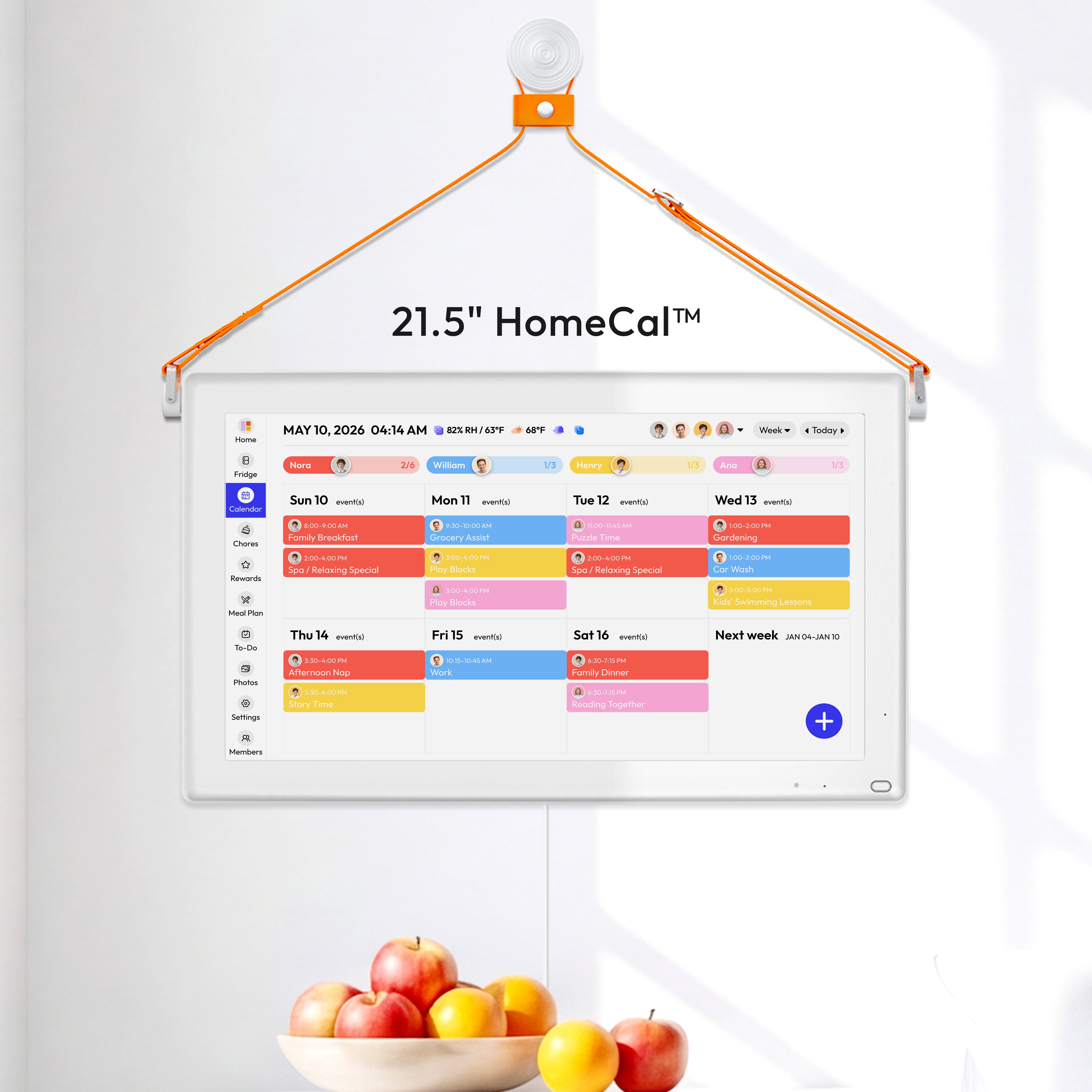
A useful family calendar shows who is doing what, where, when, for how long, and with whom. That sounds basic, but it matters because vague plans create conflict. “Soccer at 5:30 PM” is not the same as “Soccer at 5:30 PM, Dad drives, shin guards in the trunk, sibling pickup at 6:15 PM.”
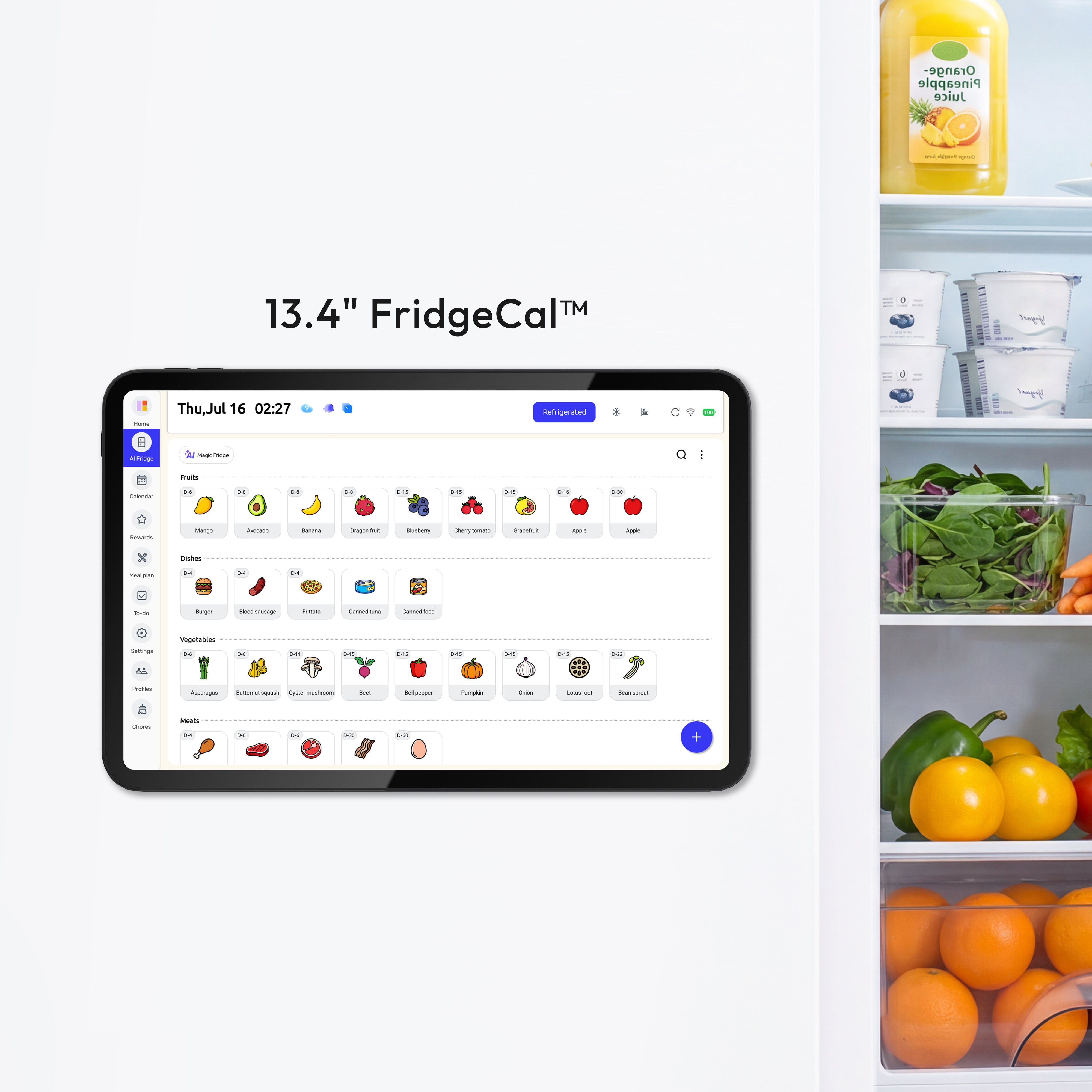
Many digital family calendar options now combine appointments with chores, meal planning, recurring events, and reminders. That can help because families usually do not struggle with one category at a time. The dinner plan affects the grocery list. The grocery list affects who stops at the store. The store run affects pickup timing.

Digital, Paper, or Hybrid?
No single format is automatically calmer. The best one is the one people will actually check.
Setup |
Best at |
Watch for |
Shared phone calendar |
Syncing adult schedules and sending reminders |
Easy to ignore if kids or partners never look at it |
Making the day visible in one shared spot |
Higher cost and poor payoff if placed in a low-traffic room |
|
Combining schedules, papers, meals, and hooks |
Needs one clear “source of truth” for appointments |
If your adults already live by phone alerts, a simple shared app may be enough. If the problem is that no one sees the plan unless one parent announces it, a visible display in the kitchen, mudroom, or by the garage door may help more than another app.
What to Put on It So It Actually Helps
The most useful shared household systems include more than appointments. If your calendar only shows dentist visits and school concerts, it still leaves out the daily work that causes most home friction: meals, shopping, chores, forms, and who handles what.
Meal planning tools and shared lists can be surprisingly calming because they reduce the 5:30 PM scramble. A weekly dinner plan, even a loose one, answers three questions ahead of time: what the family is eating, what needs to be bought, and who is responsible for getting it on the table.
Chores Work Better When They Stay Boring
Chore systems tend to hold up when they are simple and repetitive. One example from the research used three children and three main chores: empty the dishwasher, feed and water the pets, and take out the trash. Each child kept one chore for the full week, then rotated the next week.
That setup worked partly because it cut down on arguing and forgetfulness. The family also tied the routine to real moments in the day, about 10 minutes before school and 10 minutes after dinner. That is a useful lesson for digital calendars too: do not just log tasks. Attach them to times, places, and handoffs people can recognize.

Why a Visible Command Center Still Matters
A shared system works better when it lives in a place your family already passes every day. That is why kitchen walls, garage entries, mudrooms, and laundry areas show up so often in workable setups. A perfect calendar hidden in a home office does not reduce much friction.
The calmest systems usually start with a short priority list and a smaller footprint. In practice, that may mean one calendar, one whiteboard or note area, one paper zone, and a few hooks. It does not need to become a social-media-style wall to be useful.
One Landing Zone Beats Five Half-Systems
A visible command center helps because it gives the home a landing zone for the daily spillover of family life. Papers, invitations, grocery ideas, keys, and reminder notes stop floating across counters when they have one predictable home.

Digital tools and physical spaces work especially well together here. The schedule can live in the app or on the screen, while permission slips, return-library-book notes, and the extra house key still live in one physical spot. That hybrid setup often feels more realistic than pretending every household input is digital now.
Making It Work for Real Families, Including Neurodiverse Ones
The most useful family routines are predictable without being rigid. That matters because many families hear “routine” and imagine something strict or unrealistic. A better goal is a few stable anchor points: morning launch, after-school reset, dinner plan, and bedtime flow.
For a parent with ADHD or executive function strain, the issue is often not motivation. It is the brain work of remembering, sequencing, and switching tasks under pressure. A digital family calendar is not treatment, but it can act as a practical support by moving tasks out of memory and into view. Color coding, recurring reminders, and step-by-step routines can reduce the need for verbal prompting and last-minute recovery.

Schedules usually hold up better when everyone helps build them and reviews changes regularly. That includes children in age-appropriate ways. It also matters for co-parenting, because shared visibility lowers the chance that one person feels stuck translating the whole household to everyone else.
FAQ
Q: Do we need a wall-mounted digital calendar for this to work?
A: No. A shared phone calendar plus a simple kitchen command center can work very well. A wall display helps most when your main problem is visibility, not lack of tools.
Q: What if my partner or kids ignore the system?
A: That usually means the setup is too hidden, too detailed, or not tied to a routine people already have. Put it in a high-traffic spot, keep only the essentials at first, and review it at the same time each day.
Q: Can a digital family calendar help with ADHD or overwhelm?
A: It may help as an external support. It can make steps visible, reduce memory strain, and improve handoffs, but it is not a medical or mental health treatment.
Practical Next Steps
The easiest way to test whether this will help is to keep the schedule visible and review it regularly, then change only one or two things at a time. If your goal is one shared screen for schedules, chores, and handoffs, a wall-mounted option such as the Everblog 21.5" Digital Calendar can fit that setup. Calm usually comes from consistency, not from adding every feature at once.
- Pick one source of truth for appointments.
- Add the next three categories that create the most friction: meals, chores, pickup plans, papers, or shopping.
- Put the system where people already gather, such as the kitchen, mudroom, or garage entry.
- Set one weekly reset, ideally 10 to 15 minutes on Sunday.
- Add one daily glance point, such as breakfast or right after dinner.
- Keep chores repetitive for at least two weeks before redesigning them.
- Ask one honest question at the end of the week: what is still living in one person’s head?
Disclaimer
This article is for household planning education only. It is not a substitute for mental health care, medical advice, legal advice, or crisis support. If safety, custody orders, or a diagnosed condition are involved, work with the appropriate licensed professional.
References
- A parenting site: How to Create a Chore Schedule That Actually Works
- A family resource: Routines for Families
- A home organization site: Family Command Centers
- A blog: Organizing Family Time
- A family blog: How Family Routines Improve Emotional Health
- A brand: Apps to Make Life Easier
- A platform
- A nonprofit organization: How to Create a Family Schedule
- A platform: Best Digital Family Calendar for Planning & Chores in 2026
- A home blog: DIY Family Command Center Guide


